
Access Is the Product Now, Not the Hunt You Advertise
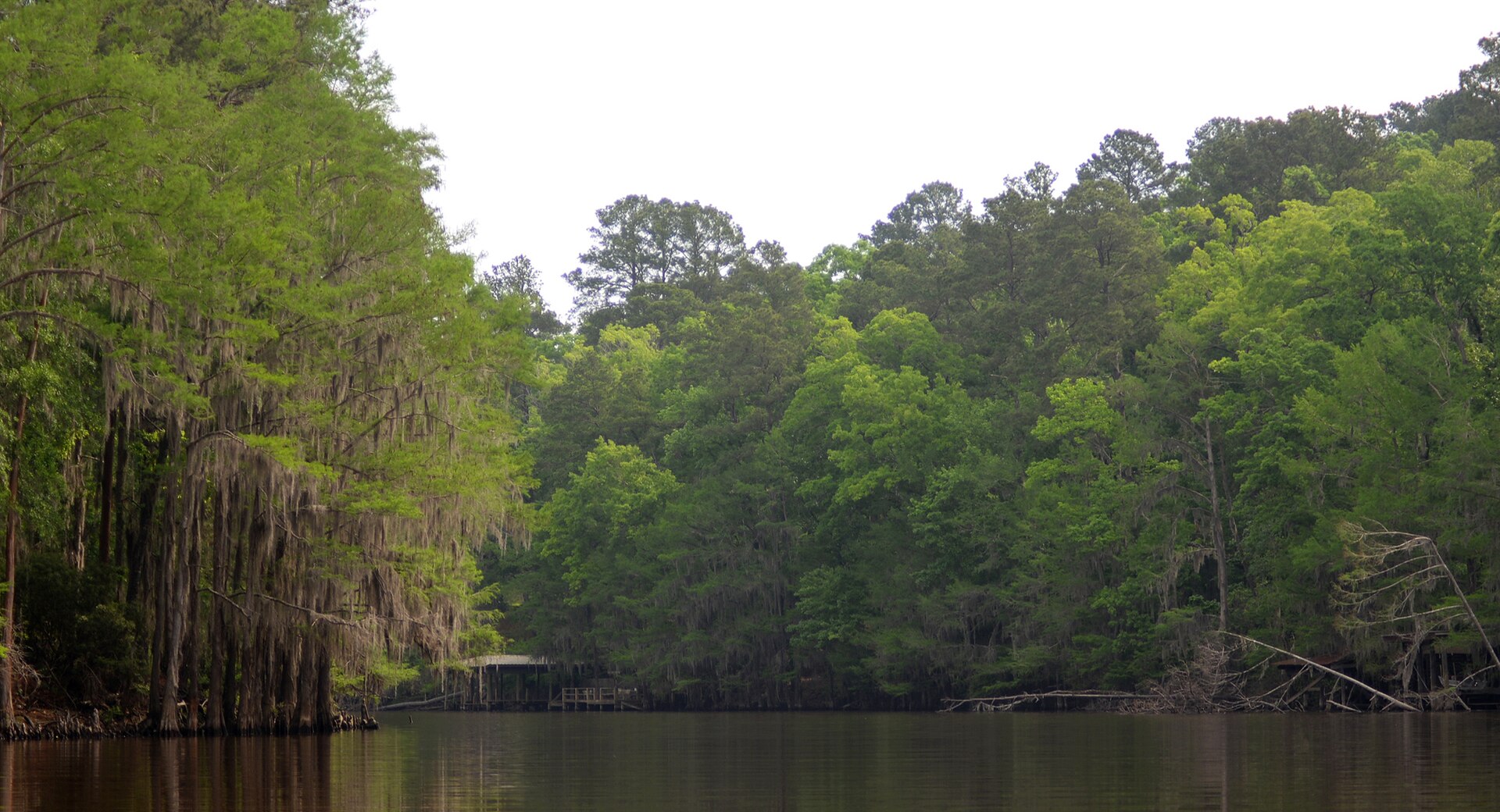
Ask most outfitters what they're selling and the answer comes back reflexively: the hunt, the fish, the experience of putting a client on a bird or a redfish. That answer isn't wrong exactly, but it's increasingly incomplete, and it's worth naming the more accurate answer plainly: what a modern guided-trip guest is actually paying for, more than anything else, is access — guaranteed, uncrowded, well-managed ground or water that they simply cannot get to any other way.
This isn't a subtle distinction. As public land grows more crowded and private leases grow more competitive and expensive to hold, the actual scarce resource in this industry has quietly shifted from game and fish themselves — which remain, in most well-managed places, genuinely abundant — to the specific, controlled, uncrowded access that makes a good hunt or a good day on the water actually possible without fighting for elbow room with a dozen strangers.
This piece argues that operators who haven't caught up to this reframing are, in a real sense, selling the wrong thing in their own marketing — emphasizing the hunt itself when the actual differentiator a prospective guest is trying to evaluate is whether this particular operator can deliver access nobody else can get them onto. What follows considers what that shift means for how operators should talk about their land, their leases, and their landowner relationships, and what happens to the ones who never make the adjustment.
Why the Old Pitch Undersells the Real Value
A pitch built around "we'll put you on birds" or "great fishing guaranteed" implicitly treats the game or fish themselves as the scarce, valuable thing being delivered. For most well-managed operations, that's simply not the accurate story anymore — a competent operator on decent ground can generally deliver a reasonable shot at game or fish. What separates a great trip from a mediocre one, and what separates one operator from another in a guest's actual decision-making, is increasingly the quality and exclusivity of the access itself: how many other hunters or anglers are working the same water or ground, how well that ground is actually managed for the species in question, and whether the operator genuinely controls it or is competing for it the same way the guest would be on their own.
This matters because a guest evaluating operators is, whether consciously or not, actually evaluating access quality far more than they're evaluating raw species abundance. A pitch that leads entirely with the hunt itself, without ever addressing the access question directly, leaves the guest to guess at exactly the thing that most determines whether their trip will feel special or merely adequate.
None of this means game and fish quality doesn't matter — obviously it does. It means access has become the primary differentiator worth leading with, because it's the part of the value proposition that's genuinely scarce and genuinely variable between operators, in a way that basic species presence increasingly isn't on well-managed ground.
The Pressure Making Access Scarce
The pressure behind this shift is real, even without a specific visitation statistic this piece can cite with confidence. Public land across the country has faced widely reported, growing crowding pressure as outdoor recreation participation has broadly increased in recent years — a trend covered extensively in general outdoor-recreation reporting, even without a specific hunting-and-fishing visitation figure sourced here. At the same time, private hunting and fishing leases face their own competitive pressure as landowners weigh a lease's income against other uses for the same ground, discussed at more length elsewhere in this series' working-land argument.
The combined effect is straightforward: the number of people who want quality, uncrowded outdoor access is growing, while the supply of genuinely uncrowded ground and water isn't growing to match it, and in many cases is shrinking as development and competing land uses press in. That's exactly the setup that turns access itself into the scarce, valuable commodity, regardless of the specific numbers behind the trend.
This piece deliberately avoids citing a specific public-land visitation percentage or private-lease price trend, because no figure sourced here would hold up as a precise, defensible number for this specific claim. The directional pressure is real and widely observed; the precise magnitude isn't something this piece will manufacture to sound more dramatic than the honestly available evidence supports.
One Real Form of Restricted Access Worth Understanding
It's worth naming one concrete, sourced example of ground genuinely being restricted from general access, while being careful not to overstate what it means for hunting access specifically: land placed under a conservation easement, discussed at more length in this series' working-land piece, represents one form of increasingly common, permanently restricted private ground. The Land Trust Alliance's 2020 National Land Trust Census found more than 20 million acres under conservation easement nationally, with easement acreage growing by more than half between 2010 and 2020 alone.
It's important to be precise about what this does and doesn't mean for hunting access: a conservation easement's terms vary enormously by property, and plenty of eased land remains fully open to hunting or fishing under whatever arrangement the landowner sets up, while other eased ground may have entirely different access rules. This piece makes no claim that a conservation easement equals no hunting, or the reverse — the point here is simply that this is one real, documented, growing category of increasingly deliberately managed private ground, illustrating the broader access-scarcity dynamic without asserting anything specific about any particular easement's hunting terms.
The broader lesson from this example generalizes well beyond conservation easements specifically: access arrangements of every kind — leases, easements, informal landowner relationships — are becoming more deliberate, more formalized, and more actively managed than they may have been a generation ago, which is itself part of why access has become something worth actively describing and selling, rather than an assumed backdrop to the hunt.
What Operators Should Actually Be Telling Guests
If access is the real product, the marketing and client-communication implications are fairly direct, even without a formulaic checklist to hand every operator. Describing the actual scale and exclusivity of the ground or water controlled — how many acres, how many miles of water, roughly how many hunters or anglers are ever on it at once relative to its size — does real work a generic "great hunting" claim never could, because it speaks directly to the thing a sophisticated guest is actually trying to evaluate.
Describing the relationship with the landowner or the lease arrangement, in general and honest terms, also does real work here — not as a legal disclosure, but as a credibility signal that this operator genuinely controls the access being described rather than competing for the same crowded ground everyone else is working. A guest who understands that an operator has held a specific lease for years, or has a genuine long-term relationship with the landowner, is evaluating something real and differentiated rather than a generic promise any competitor could make with the same words.
This doesn't require inventing specific acreage figures or lease terms that aren't accurate to the operation — it requires being as concrete and specific about the actual access being sold as the operation's real circumstances allow, rather than defaulting to the generic, interchangeable language about game abundance that every competitor's site already uses just as easily.
What Happens to the Operators Who Never Make This Shift
An operator who continues pitching purely on game or fish abundance, without ever addressing the access question directly, isn't necessarily doing anything wrong on the hunting or fishing side of the business — but they're leaving the actual differentiating argument for their operation unmade in their own marketing, forcing a sophisticated guest to either dig for that information elsewhere or simply default to whichever operator's marketing happens to look most polished.
Over time, as this shift continues, it seems reasonable to expect the gap to widen between operators who've made the reframing explicit — describing their access with real specificity and confidence — and operators still competing purely on generic claims about game quality that, on well-managed ground generally, aren't actually the scarce or differentiating factor anymore.
This piece stops short of predicting a specific timeline or outcome for any particular operator, because that would overstate what can be known with confidence. What can be said plainly is that access, not the hunt itself, has become the real product changing hands in a modern guided trip across much of the Southeast — and an operator's marketing should say so.
Related Reading
More for operators building the same kind of page -- clays courses and dove outfits that need a specific answer, not another brochure paragraph.
The End of Phone-Tag: What an Instant-Confirmation Culture Is Doing to the Southern Hunt Camp
The Working-Land Argument: Why Hunting Revenue Might Be Conservation's Best Business Case
The Guide as Brand: What Happens When a Person Outranks the Business That Employs Them
A Season That Won't Sit Still: Booking Calendars in an Era of Weather Variability
The Insurance Conversation Nobody Wants to Have at the Camp Table
Five Years Out: What Getting Found Will Mean After the Search Box Disappears
The Phone Call Is Dying, and So Is the Business Built Around It
Frequently Asked Questions
Is this piece saying game and fish quality doesn't matter anymore?
No — it matters, but on most well-managed ground it's less differentiating between operators than it used to be. The argument here is that access itself — uncrowded, exclusive, well-managed ground or water — has become the more scarce and more decision-driving factor for a sophisticated guest.
Is there specific data on how much more crowded public land has gotten?
This piece doesn't cite a specific visitation percentage, because no precisely sourced figure for hunting and fishing access specifically was verified here. The broader pressure on public-land access is widely reported in general outdoor-recreation coverage, but this piece avoids manufacturing a specific number to describe it.
Does a conservation easement mean land is closed to hunting?
Not necessarily — easement terms vary enormously by property, and this piece makes no blanket claim either way. It's cited only as one documented, growing category of deliberately managed private ground, illustrating the broader access-scarcity trend without asserting specific hunting terms for any particular easement.
What specific lease price trends does this piece cite?
None — this piece deliberately avoids citing specific private lease price data, because no reliable, sourced figure for that trend was verified here. The directional pressure on lease competition is described qualitatively, not with an invented number.
How should an operator describe their access without revealing sensitive landowner details?
General but specific: describing the scale of ground or water controlled, roughly how exclusive the access is, and the general nature of a long-term lease or landowner relationship can be done credibly without disclosing exact property locations, landowner names, or proprietary lease terms.
Is this shift relevant to fishing operations as much as hunting operations?
Yes — the same dynamic applies to inshore and freshwater fishing access as it does to hunting ground, as crowding pressure and competition for quality water follows a similar pattern to competition for quality hunting ground.
Does this mean smaller operators without large landholdings can't compete?
Not necessarily — a smaller, tightly controlled piece of exclusive access can be marketed just as credibly as a large one, as long as the operator is specific and honest about what makes that access genuinely exclusive and well-managed, rather than simply claiming size it doesn't have.
Should an operator publish exact acreage numbers on their website?
That's a reasonable, credibility-building practice where the operator is comfortable disclosing it, though this piece doesn't mandate a specific disclosure format — the core point is being more specific and concrete about access than a generic "great hunting" claim, in whatever way fits the operation.
What's the risk of continuing to market purely on game abundance?
Leaving the operation's real differentiator — access quality and exclusivity — unaddressed in its own marketing, which can leave a sophisticated guest comparing operators on criteria (like website polish) that don't actually reflect the operation's real competitive advantage.
Is there a projected timeline for when this shift will fully play out?
No — this piece deliberately avoids predicting a specific timeline, since that would overstate what can be known with confidence. It describes a trend already underway rather than forecasting a specific future date by which it will be complete.
Work with Pine & Marsh
A site built around this reframing has to actually communicate land, water, and access quality as the core asset, not an afterthought below the trip pricing.
44 Recreation Agency's Website Design for Outfitters service is built to make access itself the centerpiece of a site's story, when that's genuinely what an operation is selling. Reach us at pineandmarsh.com/contact. What you've built deserves to be found.


Comments