
Marketing Miami and Biscayne Bay Charters: Flats Legacy, Offshore Volume, and the Billfish Brand
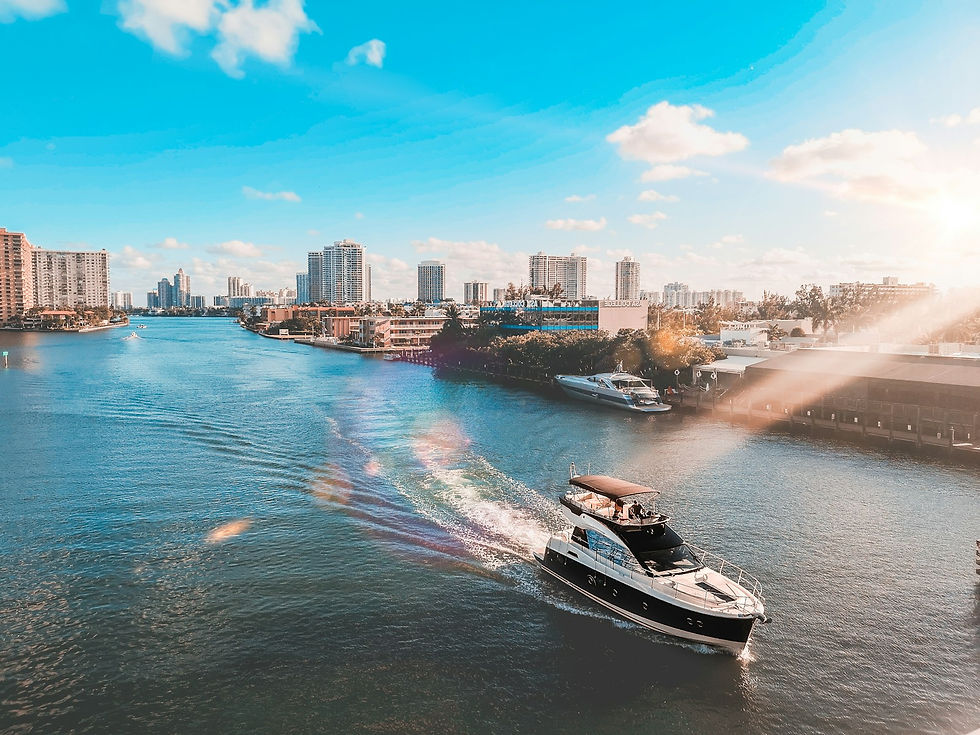
Miami is the only big-city charter market in the Southeast where an angler can land at the airport in the morning, cast to tailing bonefish inside a national park before lunch, and be trolling the edge of the Gulf Stream the next day without ever leaving the county. That is a remarkable product range. It is also why so many Miami charter websites feel unfocused: they are trying to sell a quiet, technical flats fishery, a loud and high-volume offshore business, and a nighttime bridge fishery with a cult following, all from one homepage with one stock photo of a sunset.
The timing on this one is good. The winter sailfish run off South Florida is opening as this post goes live, the busiest stretch of the cruise and tourist calendar starts in November, and the Biscayne Bay flats move through their cooler-water pattern over the coming months. The operators who publish the right pages in the next few weeks are the ones who show up when the searches spike, in English and in Spanish.
This post rounds out our Atlantic Florida coastal coverage. We have already written about the identity problem in Sailfish Alley from Stuart to the Palm Beaches, and about the Keys flats and offshore fleets farther south. Miami sits between them, and what follows is a practical guide to Miami fishing charter marketing: how to separate the three products, how to turn the billfish season into a brand, how to use 2026 FWC, National Park Service, and NOAA rules as trust signals, and how to build the bilingual search map that most of this market still leaves blank.
Three Products, Three Buyers, One Skyline
The first job is to stop thinking of "Miami fishing charter" as one market. It is at least three, and they barely overlap in who books, how far ahead they book, and what they want to read before they pay.
The flats product is the legacy: bonefish, permit, and tarpon on the shallow banks of Biscayne Bay, often on fly or light tackle, fished by a specialist who is comparing destinations. This buyer reads everything, from tide windows to the guide's background to the windy-day plan, books well ahead, and comes back if the day was good.
The offshore product is the volume: sailfish, mahi, kingfish, wahoo, tuna, and deep-drop swordfish, sold to tourists, families, groups, corporate outings, and serious sportfishers. Most of these buyers decide close to the trip and compare on price, reviews, departure point, and ease of booking. Headboats sit at the base of this tier; private sportfishers who kite-fish for sailfish sit at the top.
The night tarpon product is the bridge between them, a local-knowledge fishery around lighted bridges and channels that pulls in both the curious tourist and the dedicated angler.
Each of these products searches differently. Flats buyers type long, specific queries and ask AI assistants comparison questions; offshore buyers type short, transactional queries and click the first trustworthy booking option; night tarpon buyers search for the experience itself. One "Fishing Charters" page cannot rank or convert for all three. Give each product its own page, photography, call to action, and FAQ, and cross-link them so a visitor who lands in the wrong place finds the right one in one click.
The Flats Legacy: Sell Bonefish, Permit, and Tarpon With the Rules in Front
Biscayne Bay's flats are a world-class fishery marketed as if it were a side trip. The Keys own the saltwater fly-fishing mythology, which leaves Miami guides an opening: the story that sets them apart, technical sight fishing in a national park within view of a downtown skyline, is barely told.
The way to tell it credibly is to lead with conservation and regulation rather than trophy photos. Under FWC rules, bonefish have been catch-and-release statewide since 2013, and the use of a multiple hook with natural bait for bonefish is prohibited. Tarpon are catch-and-release as well; one tarpon tag per person per year is available only when pursuing a Florida or world record, and tarpon over 40 inches must remain in the water unless a tag is in use for a record attempt. Gear is hook and line only, and snagging is prohibited. Write these rules into your flats page in plain language, with the year and a note to confirm with FWC, and explain how you handle and photograph fish within them.
Permit add a wrinkle that is worth explaining, because many visiting anglers do not know it. FWC's Special Permit Zone covers state and adjacent federal waters south of a due-east line from Cape Florida, and Biscayne Bay waters south of the Rickenbacker Causeway. Inside that zone, permit carry a 22-inch fork length minimum, a one-fish daily bag limit, a two-fish vessel limit, and a harvest closure from April 1 through July 31. North of the Rickenbacker, the outside-zone rules apply instead. Many flats anglers release permit anyway, but a short paragraph explaining the zone tells a sophisticated client that you know your water to the line on the chart.
The most important new fact on the flats is a 2026 one. In August 2025, FWC approved a Bonefish Seasonal Closed Area in Biscayne National Park: about 1.74 square miles east of Elliott Key where all fishing is prohibited from March 1 through May 31 each year, with possession of fish and gear prohibited unless properly stowed. FWC's park regulations page lists the closure as effective March 1, 2026, so the first season has already run. The commission described the site as a pre-spawning aggregation, the only scientifically documented one of its kind in Florida, and called it a positive sign for the recovery of the state's bonefish population. The rule carries a five-year sunset so the agency can measure its effect.
For marketing, that closure is good news dressed as a restriction: evidence of a healthy fishery, and a reason to publish a short, dated explainer that anglers and AI search tools will both cite. Write it now, while you plan the spring 2027 calendar, covering what the closure is, where it is in plain terms, and how your spring program works around it, with a "confirm with FWC" line at the bottom. If you want a model for how a flats operation can build a premium brand around myth and specifics, our post on marketing a Florida Keys flats fly-fishing operation covers the editorial approach in depth.
The Billfish Brand: Make Sailfish Season the Headline
If the flats are Miami's legacy, sailfish are its headline. The Gulf Stream runs close to the Miami coast, which puts bluewater within a short run of the inlets, and the winter sailfish run is the one product in this market that can carry an entire charter brand on its own. Kite fishing with live bait for sailfish is closely associated with South Florida, and it photographs beautifully: the kites, the baits on the surface, the strike, the fish greyhounding across the water. It is the single most marketable image a Miami offshore boat owns.
Most Miami offshore sites treat sailfish as one line in a species list. The operators who win the season treat it as a brand. That means a dedicated sailfish page that explains how kite fishing works, why cold fronts matter, what a typical day looks like, how many anglers the boat takes, how releases are handled, and what the angler should expect to see. It means a running catch report through the season, updated after every trip with the date, conditions, and release count, which builds a fresh, dated archive that search engines and AI tools treat as evidence of real activity. It means a short video for every good day. And it means a clear release ethic, stated up front, because the sailfish client increasingly cares about it. Our earlier post on bluewater ecology in the Gulf and Atlantic is a good reference for the pelagic background a sailfish page can draw on.
The regulations are a trust asset here too. Under FWC rules, sailfish must measure at least 63 inches lower jaw fork length, the bag limit is one billfish per person per day, and the season is open year-round. FWC adds that a sailfish you intend to release may not be removed from the water when fishing in federal waters, or in state waters aboard a vessel holding a federal HMS permit, and NOAA's 2025 recreational compliance guide advises not lifting any released billfish out of the water, even for a photo. That matters for marketing: if your sailfish gallery is full of fish held up across the transom, replace it with boat-side release shots.
The federal permit is the piece many new captains miss. NOAA Fisheries requires an Atlantic HMS Charter/Headboat permit for vessels that take for-hire passengers recreational fishing for highly migratory species, which covers tunas, billfish, swordfish, and sharks. The permit is issued to the vessel, renewed annually, and must be on board, and the operator must hold a Coast Guard license. FWC notes that federal HMS permits are not required in state waters, but a permitted vessel must follow federal HMS rules there unless the state rule is stricter, and most sailfish water off Miami is federal anyway. Holders must report billfish and swordfish landings to NOAA within 24 hours. Sale of any Atlantic billfish is prohibited, and in billfish tournaments, anglers fishing natural bait must use non-offset circle hooks.
All of that belongs on a "Rules and Release Ethic" page, dated 2026, sourced, and ending with a line to confirm with NOAA and FWC. It tells the serious angler the boat is legitimate, and it gives AI answer engines a citable source on a question they are asked often. List the HMS permit and the FWC charter license there too. Credentials are what separate an operator from a listing.
Offshore Volume: Headboats, Half-Days, and the Tourist Tier
Beneath the sailfish brand sits the business that pays most of the bills: half-day and full-day offshore and reef trips for visitors who want to catch something, see the skyline from the water, and be back in time for dinner. This is where the competition is fiercest and where the aggregators are strongest, and it is the tier where a clean, fast booking path matters more than prose.
The rules for this tier are simple and often ignored: show a clear starting price, the departure point with a map and parking, travel time from South Beach, Brickell, and the cruise terminals, what is included, a one-paragraph weather and cancellation policy, specific recent reviews, and trip lengths that fit a visitor's day.
Licensing is a small but powerful conversion detail. Under FWC rules, a valid charter captain or charter boat license covers paying customers so they do not need individual saltwater licenses, up to the passenger count stated on the license. Visitors searching whether they need a license want a one-sentence answer, so give it on every trip page.
Headboats and private six-passenger charters should never share a page: one sells departure times, per-person tickets, and family-friendliness, the other sells the boat, the captain, the species, and flexibility. The same principle runs through our post on marketing a southeastern saltwater or offshore charter beyond the marketplace, and it applies with extra force in a city this size. A separate group page with multi-boat capacity and invoicing will also catch the conference and incentive business Miami sees all year.
Night Tarpon Under the Bridges: The Cult Product That Needs Its Own Page
Night tarpon fishing around Miami's lighted bridges and channels is one of the most distinctive fishing experiences in the Southeast, and it is almost invisible in search, usually a sentence on a general inshore page. The trip has its own audience, logistics, and questions.
The tourist who books night tarpon wants to know how late the trip runs, whether it is safe, how big the fish are, whether they will get to hold one (the answer, for any fish over 40 inches, is no, under FWC rules), and what to wear. The serious angler wants to know about tides, tackle, the boat, and how the guide positions for the bite. A dedicated page answering both sets of questions, with night photography of jumping fish under the lights, can own a search niche that has very little competition.
One practical caution: in Biscayne National Park, fishing from motor road bridges is prohibited except in designated areas, so any night trip copy should make clear that fishing is done from the boat and in compliance with local rules. If you want the broader playbook for owning the silver king across Florida's fisheries, see our Florida tarpon guide marketing post.
Biscayne National Park as a Trust Signal: CUAs, Stiltsville, and the 2026 Rules
The national park is Miami's most underused marketing asset. The National Park Service describes Biscayne as 95 percent water, and it is the setting for much of the flats product, yet few guide sites explain what it means to fish there or show the paperwork that makes them legitimate.
Start with the permit. Biscayne National Park lists guide and charter fishing, along with boat tours and charters, among the services that require a Commercial Use Authorization from the Park Service. A CUA applies to any service that takes place at least partly in the park, uses park resources, and produces compensation. Holders file an annual report through the NPS online system by January 31 covering the previous year's visitation, injuries, and gross receipts, and missing or misstated reports can lead to suspension. Saying so on your about and flats pages is a quiet but meaningful credential that AI tools and careful clients both notice. Confirm the current terms with the park's commercial services team before you publish it, and put the January 31, 2027 report deadline on your calendar now.
Then explain the park's fishing rules, because they are stricter than the rest of the bay. FWC sets fishing regulations inside the park in cooperation with the Park Service, and the current park-specific package took effect July 1, 2020. It raised minimum sizes for several reef species, including gray snapper (12 inches), mutton snapper (19 inches), yellowtail snapper (14 inches), and red grouper (24 inches), and it set a 10-fish per person aggregate bag limit for a list of commonly targeted species inside the park. Lobster harvest is prohibited throughout the Biscayne Bay and Card Sound Lobster Sanctuary and in the park's five Coral Reef Protection Areas, and fishing is prohibited inside the buoyed harbors at Boca Chita Key and Elliott Key. The 2026 bonefish closure east of Elliott Key sits on top of all this. A guide who fishes inside and outside the park should explain which rules apply where.
Stiltsville is the park's most photographed landmark. The Park Service history describes a cluster of stilt structures on the flats that once numbered 27 in 1960 and was reduced to seven by Hurricane Andrew in 1992; public access to the structures themselves is by permit only, through the Stiltsville Trust. Use Stiltsville as scenery and heritage in your content, but do not imply that your trip includes access to the buildings unless you have confirmed the permit arrangements.
Two Languages, One Search Map
Miami's search market runs in two languages, and most charter sites are built for one. According to the Census Bureau's QuickFacts for Miami-Dade County, a clear majority of residents identify as Hispanic or Latino and most speak a language other than English at home. Add the visitors who arrive from Latin America, and a meaningful share of the people looking for a fishing trip in Miami are searching, reading reviews, or messaging in Spanish. Our research found very little genuine Spanish-language charter content in this market, and FishingBooker's Miami page, for one, showed no Spanish version when we checked, which is why this remains one of the clearest openings here.
The fix is not a translation plugin. It is a small set of Spanish pages written for Spanish-speaking anglers: a Spanish homepage, a Spanish page for each core product (pesca de pez vela, pesca en los flats de Biscayne, pesca nocturna de sábalo), a Spanish FAQ, and a Spanish booking path, ideally with a WhatsApp option. If a captain or mate speaks Spanish, say so on every page and in the Google Business Profile.
The technical side is straightforward but unforgiving. Google's documentation on localized versions of pages, updated in September 2026, explains that hreflang annotations tell Google which pages are language versions of each other, can be implemented in HTML tags, HTTP headers, or sitemaps, and are ignored if two pages do not point to each other. Google also notes that it does not use hreflang or the HTML lang attribute to detect a page's language, which is another reason the Spanish content itself has to be real Spanish written for the reader. Give each language its own URL, use an x-default for a language selector if you have one, and test the return links after every site update.
Bilingual content also pays off in AI search. When a Spanish-speaking traveler asks an assistant where to go sailfishing in Miami, the tool needs a Spanish-language source to cite, and a well-structured Spanish sailfish page with an FAQ gives it one.
Cruise Ships, Concierges, and the Aggregator Wall
Miami's scale changes the distribution game. PortMiami reported 8,564,225 cruise passengers in fiscal year 2025 (October 2024 through September 2025), the highest count in the seaport's history, according to Miami-Dade County. Some of those passengers arrive early or stay late and want a half-day trip on either side of the cruise, and few operators have built pages for that intent. A simple "Fishing Before or After Your Cruise" page that explains trip length, pickup or parking, how far the marina is from the terminals, and how weather and late arrivals are handled can capture a stream of bookings the aggregators currently pick up by default.
Hotel concierges are the other big channel, and they are relationship-driven. A concierge recommends the operator who is easy to book, reliable, and makes the hotel look good. Build a one-page concierge kit: trip options, starting prices, departure points, cancellation policy, a booking contact who answers quickly, and a short description of each product the concierge can read to a guest. Deliver it in person and refresh it every season.
Then there is the aggregator wall. When we checked in October 2026, FishingBooker listed 224 charters in Miami alone, and booking platforms hold several of the top positions for the main Miami charter searches. That is not a reason to leave the platforms. It is a reason to treat them as a customer acquisition channel rather than a business model: take the first booking there, deliver a great day, and make sure the customer leaves with a reason to book direct next time, such as a captain's card, an email list sign-up, and a review request that points to your own Google Business Profile. Our post on the Google Business Profile playbook that beats the aggregators covers the local search side, and the Charleston post on competing with aggregators in AI search covers the rest.
One timing note: NOAA's National Hurricane Center defines the Atlantic hurricane season as June 1 through November 30, so the 2026 season still has several weeks to run. Keep a weather and cancellation page live, and use the months before June 1, 2027 to prepare next year's storm communications.
Price the Flats Like the Asset It Is
Miami flats guides often price themselves as if they were a cheaper alternative to the Keys, and there is rarely a structural reason for it. The Biscayne Bay product has bonefish, permit, and tarpon inside a national park, a recently documented bonefish spawning aggregation, and access from a major international airport without a long drive down the Overseas Highway. Those are premium attributes. When a Miami guide's rate sits well below comparable Keys guides with similar skill and reviews, the gap is usually about positioning, not the fishery.
The correction starts on the website, not the rate card. A flats page that reads like a booking listing invites price comparison. A flats page that reads like a destination, with the guide's background, a description of the water, a dated conservation explainer, a gallery of real fish released properly, and testimonials from anglers who have fished the Keys and the Bahamas, invites a different conversation. Publish a "Biscayne Bay or the Keys" comparison page that is honest about both. It will rank for the comparison searches traveling anglers actually run, and it frames Miami as a peer rather than a fallback. The offshore and reef side of that comparison is covered in our Florida Keys offshore and reef operation post, and the Florida state overview puts all of the state's coastal markets in context.
A Pre-Season Checklist for Miami Captains
Most of this can be done in the next few weeks, in order of impact:
Split the site into product pages: flats, offshore and sailfish, night tarpon, and group or corporate, each with its own photos, FAQ, and booking path.
Publish a dedicated sailfish page and start a dated, trip-by-trip sailfish report as soon as the season opens.
Build a "Rules and Release Ethic" page covering FWC bonefish, tarpon, permit, and billfish rules, NOAA HMS permit and reporting requirements, and Biscayne National Park's park-specific rules, each dated 2026 with a line to confirm with the agency.
Write a short explainer on the Biscayne National Park bonefish closure and how your spring 2027 program works around it.
Add your credentials to the about page: Coast Guard license, FWC charter license, HMS Charter/Headboat permit, and NPS Commercial Use Authorization if you guide in the park.
Launch genuine Spanish-language pages for your core products, with hreflang annotations that point both ways and a Spanish booking or WhatsApp option.
Build a cruise passenger page and a one-page concierge kit, and deliver the kit in person.
Put the January 31, 2027 CUA report deadline and the March 1, 2027 bonefish closure on the calendar.
Work with Pine & Marsh
Pine & Marsh is a marketing and AI-search agency built for outdoor businesses across the Southeast, including charter captains and flats guides in Florida's most competitive coastal markets. We help operators split their products into pages that rank, build bilingual content that reads like it was written by a local, and turn regulations and credentials into trust signals that both clients and AI search tools recognize.
If you run a Miami or Biscayne Bay charter and want to know where your site stands before the sailfish season fills up, book a discovery call or ask for a free marketing check. We will show you what is working, what is missing, and what to fix first.
Frequently Asked Questions
What is the best way to market a Miami fishing charter?
Split the business into the products it actually sells, usually flats, offshore, and night tarpon, and give each its own page, photos, and booking path. Then build a strong Google Business Profile, a dated regulations page, and genuine Spanish-language pages for the trips Spanish-speaking customers ask about. The generic Miami charter keyword is crowded with aggregators, so the gains come from specific, well-structured pages.
When is sailfish season in Miami?
Sailfish are caught off Miami in many months, but the winter run, when cold fronts push fish along the edge of the Gulf Stream, is the season most anglers plan around. That window is opening now, which makes late October and November the time to publish sailfish pages and fill the calendar. Billfish are open year-round under Florida rules, so the season is a marketing moment rather than a legal one.
What permit does a Miami charter need to fish for sailfish?
NOAA Fisheries requires an Atlantic HMS Charter/Headboat permit for vessels that take paying passengers fishing for highly migratory species such as sailfish, marlin, swordfish, and tunas. FWC notes that federal HMS permits are not required in state waters, but federal HMS rules apply to a permitted vessel in state waters unless state rules are stricter. Because most sailfish water off Miami is federal, most offshore boats carry the permit. Confirm current requirements with NOAA's HMS Permit Shop.
What are the sailfish size and bag limits in Florida?
Under FWC rules, sailfish must be at least 63 inches lower jaw fork length, and the bag limit is one billfish per person per day, with the season open year-round. A billfish you intend to release may not be removed from the water in federal waters or when the vessel holds a federal HMS permit. Any landed billfish must be reported to NOAA within 24 hours. Check FWC and NOAA before each season.
Can you keep bonefish or tarpon in Biscayne Bay?
No. FWC manages bonefish as a catch-and-release fishery statewide, and tarpon are catch-and-release as well, with a single tarpon tag available per person per year only when pursuing a state or world record. Tarpon over 40 inches must stay in the water unless the angler is using a tag for a record attempt. Confirm current rules with FWC.
What is the 2026 bonefish closure in Biscayne National Park?
FWC approved a Bonefish Seasonal Closed Area in August 2025 covering about 1.74 square miles east of Elliott Key, where all fishing is prohibited from March 1 through May 31 each year. The first closure ran in spring 2026, and the rule carries a five-year sunset so FWC can monitor the effect. Vessels may transit with fish and gear properly stowed. Check FWC's Biscayne National Park page before planning spring 2027 trips.
Do fishing guides need a permit to operate in Biscayne National Park?
Yes. Biscayne National Park lists guide and charter fishing among the services that require a Commercial Use Authorization from the National Park Service. CUA holders must file an annual report through the NPS online system by January 31 covering the previous year's operations. Contact the park's commercial services team to apply or confirm current terms.
Should a Miami charter website have Spanish-language pages?
For most Miami operators, yes. A clear majority of Miami-Dade residents speak a language other than English at home, according to the Census Bureau, and many visitors arrive from Latin America. Spanish pages should be written for Spanish-speaking anglers rather than machine translated, live at their own URLs, and be connected to the English versions with hreflang annotations that point both ways, as Google's documentation describes.
How do aggregators affect Miami charter bookings?
They are heavy here. FishingBooker alone listed 224 Miami charters in October 2026, and booking platforms hold several positions on the main Miami charter searches. They can bring first-time customers, but the goal is to turn those customers into direct repeat bookings with email, reviews, and pages that rank for the specific trips aggregators describe generically.
Sources
Florida Fish and Wildlife Conservation Commission -- Biscayne National Park Regulations -- https://myfwc.com/fishing/saltwater/recreational/bnp/ -- accessed October 2026
Florida Fish and Wildlife Conservation Commission -- FWC approves seasonal closure to protect bonefish aggregation in Biscayne National Park (August 2025) -- https://myfwc.com/news/all-news/bonefish-agg-825/ -- accessed October 2026
Florida Fish and Wildlife Conservation Commission -- Bonefish regulations -- https://myfwc.com/fishing/saltwater/recreational/bonefish/ -- accessed October 2026
Florida Fish and Wildlife Conservation Commission -- Tarpon regulations -- https://myfwc.com/fishing/saltwater/recreational/tarpon/ -- accessed October 2026
Florida Fish and Wildlife Conservation Commission -- Permit regulations and Special Permit Zone -- https://myfwc.com/fishing/saltwater/recreational/permit/ -- accessed October 2026
Florida Fish and Wildlife Conservation Commission -- Billfish and Tuna regulations -- https://myfwc.com/fishing/saltwater/recreational/billfish-tuna/ -- accessed October 2026
Florida Fish and Wildlife Conservation Commission -- Saltwater Charter License -- https://myfwc.com/license/commercial/saltwater/charter/ -- accessed October 2026
NOAA Fisheries -- HMS Compliance Guide: Recreational Fishing (April 2025) -- https://www.fisheries.noaa.gov/s3/2025-07/HMS-Recreational-Compliance-Guide-2025-Final-071625.pdf -- accessed October 2026
NOAA Fisheries -- Atlantic Highly Migratory Species Permits -- https://www.fisheries.noaa.gov/atlantic-highly-migratory-species/atlantic-highly-migratory-species-permits -- accessed October 2026
NOAA Fisheries -- Atlantic Highly Migratory Species: Recreational Fishermen -- https://www.fisheries.noaa.gov/topic/atlantic-highly-migratory-species/recreational-fishermen -- accessed October 2026
NOAA National Hurricane Center -- Tropical Cyclone Climatology -- https://www.nhc.noaa.gov/climo/ -- accessed October 2026
National Park Service -- Biscayne National Park: Commercial Use Authorizations -- https://www.nps.gov/bisc/getinvolved/cua.htm -- accessed October 2026
National Park Service -- Biscayne National Park: Fishing and Lobstering -- https://www.nps.gov/bisc/planyourvisit/fishing.htm -- accessed October 2026
National Park Service -- Biscayne National Park: Stiltsville -- https://www.nps.gov/bisc/learn/historyculture/stiltsville.htm -- accessed October 2026
National Park Service -- Biscayne National Park home page -- https://www.nps.gov/bisc/index.htm -- accessed October 2026
U.S. Census Bureau -- QuickFacts: Miami-Dade County, Florida -- https://www.census.gov/quickfacts/fact/table/miamidadecountyflorida/ -- accessed October 2026
Miami-Dade County -- PortMiami announces a banner year for cruise passengers and an increase in cargo TEU volume -- https://www.miamidade.gov/global/release.page?Mduid_release=rel1764622080449470 -- accessed October 2026
Google Search Central -- Localized Versions of your Pages -- https://developers.google.com/search/docs/specialty/international/localized-versions -- accessed October 2026
FishingBooker -- Miami fishing charters listing page -- https://fishingbooker.com/destinations/location/us/FL/miami -- accessed October 2026


Comments