
The Teal Season Countdown: A Post-Season Review and the Outfitter Content Runway to September 2027
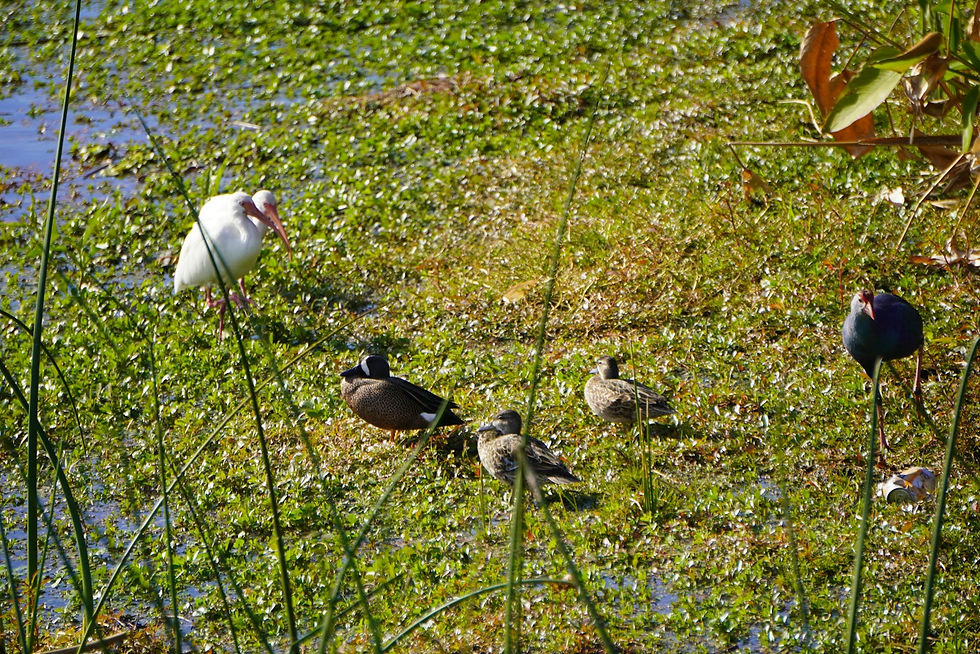
The September teal season is over across the Southeast, and for most operators it went by in a blur. For the second straight year, the special early teal season ran nine days in states like Arkansas, Louisiana, and Alabama, and the combined teal and wood duck season in Kentucky and Tennessee ran five. Some operators filled every blind and some watched a front or a heat wave take a weekend. Either way, the season is now a set of facts in your booking calendar, your inbox, and your phone, and those facts are the most useful thing you will have when you plan next September.
This post is the teal season countdown turned around. Instead of a three-week sprint into an opener, it is a review of what the 2026 nine-day season actually was, a plan for working this year's teal clients before the November duck openers, and the outfitter content runway that leads into September 2027. The short version: the teal season countdown starts long before the last 21 days. The operators who sell out a nine-day season in three weeks are the ones who spent the winter and spring building the pages, the lists, and the standby structure that made a three-week sprint possible.
It also helps to be clear about what kind of product teal is. It is a short, weather-exposed, late-booking product that many clients use as their first guided waterfowl hunt. On its own it rarely carries an operation. As a feeder for the December and January hunts that do, it can be the most efficient client acquisition tool you have. The September early teal hub laid out the market structure. This post is the working layer underneath it, rebuilt for the off-season.
What the 2026 Teal Framework Actually Was
The season length is set by a federal rule, and knowing how that rule works is the first step in planning content around it. Under the U.S. Fish and Wildlife Service's special early teal season guidelines, the length of the September season depends on the spring blue-winged teal breeding population estimate from the Waterfowl Breeding Population and Habitat Survey. When that estimate is above 4.7 million birds, states can offer a 16-day season. Between 3.3 and 4.7 million, the season drops to nine days. Below 3.3 million, the Service considers more restrictive options or a closed season. The federal frameworks for the 2026-27 season keep the bracket in September, set the daily bag at six teal, and set shooting hours at one-half hour before sunrise to sunset, except in a list of states including Arkansas and South Carolina where shooting starts at sunrise.
The cut from 16 days to nine is recent. The Arkansas Game and Fish Commission explained in April 2025 that a drop in the blue-winged teal population estimate triggered shortened teal seasons throughout the flyway, from 16 days to nine, beginning with the 2025-26 season. September 2026 was the second nine-day season in a row, which means operators now have two years of data on how a compressed teal calendar actually books. If you sold your teal product on a two-week model before 2025, your pages, your packages, and your guide schedules may still be built for a season that no longer exists.
Kentucky, Tennessee, and Florida work differently. The federal guidelines allow those three states a special early teal and wood duck season instead of a teal-only season. That combined season is five days in September, with a daily bag of six teal and wood ducks in the aggregate, no more than two of them wood ducks. Four additional teal-only days can be added only when the blue-winged teal estimate is above 4.7 million. For an operator in the Tennessee Valley or western Kentucky, that means the September product has been a five-day window, which is even tighter than the nine-day seasons to the south and west.
Here are the 2026 dates for the states this post draws on, each from the agency's own 2026-27 regulations. Confirm with the agency before you publish anything that cites them, because agencies do issue corrections.
Arkansas (AGFC): special early teal season September 19-27, 2026, six teal daily (blue-winged, green-winged, and cinnamon combined), possession limit 18, shooting hours beginning at sunrise.
Louisiana (LDWF): teal season September 19-27, 2026, six daily, 18 in possession.
Alabama (ADCNR): special teal season September 12-20, 2026, six daily, shooting hours one-half hour before sunrise to sunset.
Tennessee (TWRA): wood duck and teal season September 12-16, 2026, six ducks daily with no more than two wood ducks.
Kentucky (KDFWR): state regulation 301 KAR 2:225 opens teal and wood duck on the third Saturday in September for five consecutive days, which put the 2026 season at September 19-23.
Look at the calendar shape those dates create. Arkansas, Louisiana, and Alabama ran Saturday through the following Sunday, which gives two full weekends and five weekdays. Kentucky and Tennessee ran Saturday through Wednesday, which gives one weekend and three weekdays. If your teal clients are mostly weekend hunters, a nine-day season has four prime days and a five-day season has two. That is the whole revenue window for a product many operators still market as if it had room to absorb a bad weekend.
What the 2026 Survey Says About September 2027
The next season's length is already taking shape. The U.S. Fish and Wildlife Service's Waterfowl Population Status, 2026 report, dated September 1, 2026, put the blue-winged teal breeding estimate at 4.0 million, similar to the 2025 estimate and 22 percent below the long-term average of 5.1 million. The report says it is intended to aid the development of regulations for the 2027-28 hunting season, which is the season that includes September 2027.
An estimate of 4.0 million sits inside the 3.3 to 4.7 million band that corresponds to a nine-day season under the current guidelines, and to the five-day combined teal and wood duck seasons that Kentucky and Tennessee use. That is not a final regulation. The Service still publishes frameworks, and each state still sets its own dates within them. But it is a strong enough signal to plan on: build your September 2027 teal product, packages, and content for a nine-day or five-day season, and treat a longer season as upside rather than the base case.
The same report carries numbers that matter for your winter marketing too. The total duck estimate was 33.4 million, similar to 2025 and 6 percent below the long-term average. Total mallards were estimated at 5.9 million, 11 percent below the 2025 estimate and 26 percent below the long-term average. Gadwall, by contrast, came in 13 percent above their long-term average. If you are a puddle-duck operator, that is a reason to sell the full species mix and the experience of the hunt rather than leaning only on mallard numbers, and it is a reason your teal clients are worth working hard. A client who hunted teal with you in September already trusts your read on the birds.
For content planning, the important point is timing. Survey results now inform the regulations a full season ahead, and state commissions set dates in the spring. The Arkansas commission set its 2026-27 waterfowl dates on April 17, 2026, and listed preliminary 2027-28 dates for planning at the same time. Virginia's Board of Wildlife Resources scheduled final action on its 2026-27 migratory bird regulations for March 19, 2026, effective September 1. That means the facts your teal pages need will exist months before the season, and an operator who publishes the moment they are set owns the search results for "teal season dates" in their state long before the countdown starts.
The Post-Season Teal Review: Six Questions to Answer This Month
The best time to review a nine-day season is the month after it ends, while the details are still in your head and your guides still remember which mornings went sideways. A one-hour sit-down with your booking calendar, your inbox, and your phone log answers most of what you need. Write the answers down in one document, because that document becomes the brief for the September 2027 countdown.
The first question is calendar utilization. How many blind slots or guide days did you have on a perfect-weather basis, and how many did you sell? Count them by day, not by season, because the pattern matters. If your Saturdays sold out and your Tuesdays sat empty, that is a midweek packaging problem, not a demand problem. If the second weekend sold slower than the first, the teal audience may have been spent on opener weekend, or your content may have gone quiet after the opener.
The second question is weather. How many hunt days did weather cost you, and what happened to those clients? Did they move to another teal date, convert to a winter credit, or ask for a refund? The answer tells you whether your cancellation and rebooking policy works for a product this short. An operator who lost a weekend and moved most of those parties into November has a working policy. An operator who refunded most of them has a policy that leaks the relationship along with the revenue.
The third question is booking timing. When did your teal inquiries actually arrive? Go through the inbox and the call log and mark the date of each first contact. Most operators find the bulk of teal demand arrived in a compressed window close to the opener, but your own data is the only data that matters here. If you saw meaningful inquiries in July, your early-access window for past clients can open earlier next year. If almost everything came in the final two weeks, your inquiry response speed in that window is the single biggest lever you have.
The fourth question is attribution. Which pieces of content produced those inquiries? Ask every booked client how they found you, and check which pages on your site got traffic in late August and September. If the state-specific teal dates page brought in first contacts, that page deserves a rebuild and an update cycle. If a single reel of a teal spread at first light drove more messages than everything else combined, you know what to shoot more of next August.
The fifth question is the rebook rate. How many of this September's teal clients have already booked a winter hunt, and how many were asked? Those are two different numbers, and the gap between them is often the biggest finding in the review. If your guides did not make the ask at the truck, that is a training fix for next year and a follow-up job for this month.
The sixth question is the standby list. Did you have one, how many people were on it, and how many cancelled slots did it fill? A standby list that never got used is still worth keeping, because the names on it are the warmest prospects you have for next September. If you did not have one, build it now, before the 2027 countdown starts. The standby list mechanics from the dove season carry over to teal almost exactly.
Working the 2026 Teal Client List Before the Duck Openers
The at-the-truck moment for this year's teal clients has passed. The next best moment is right now, in the few weeks before the November duck openers, while those hunters are actively planning their winter. Arkansas's 2026-27 duck season opens November 21, 2026, with segments running into January 31, 2027. Alabama opens November 27, with a second segment from December 5 through January 31. Whatever your state, the teal clients who hunted with you in September are deciding right now where they will spend their December and January mornings.
Start with a recap send to every teal client: the photos from their hunt, a short note from the guide, and a line about what the birds did the rest of the season. That message alone does more relationship work than a generic newsletter, because it is about them. Then follow with specific winter offers. Name two or three actual open dates on your November, December, or January calendar rather than a general "book your winter hunt" line. A client who sees a specific Tuesday in December with two spots left can say yes. A client who sees a general invitation has to do the planning work themselves, and most will not.
SMS is the right channel for the date offer if you have permission to text your past clients. A short private message from the operator, offering a returning-client first look at a few winter dates, reads as preferential treatment rather than a sales blast. The SMS marketing for outfitters post covers consent, timing, and how to keep the channel from wearing out. Pair the text with a short email sequence modeled on the 5-email post-trip rebook sequence, adjusted so the second or third email carries the specific winter dates and the deposit link.
Tag every teal client in your CRM by what they told you on the hunt. Some will be puddle-duck hunters who want flooded timber or rice. Some will be curious about diver hunts on big water. Some came with a son or daughter and want a family-friendly morning. Those tags drive what each client sees next, and they let you measure the thing most operators never measure: how many teal clients become winter clients within twelve months. If you run a goose product, the teal list is also the first place to offer it. The southwest Louisiana specklebelly playbook is a good model for how one species product can feed another across the same season.
Finally, close the loop on anyone weather pushed out of September. If you offered them a winter credit, remind them now, with dates. If you refunded them, they are still a warm prospect who wanted to hunt with you and did not get to. A personal message offering first choice of September 2027 teal dates, before the public countdown opens, turns a weather loss into next year's first booking.
The Math of a Short Season, Revisited
The nine-day season changes the arithmetic of a teal operation in ways that are easy to underestimate until you live through one. On a long winter calendar, a weather-cancelled weekend is a small fraction of the season's inventory and there are many more weekends to sell. On a nine-day calendar with two weekends, losing one weekend can take half of your prime weekend inventory. On a five-day Kentucky or Tennessee calendar with one weekend, a single bad Saturday and Sunday can take all of it.
That math has three practical consequences for 2027. The first is that you need a stated flexible-date policy before you take the first deposit. Every teal client should know up front that their date is the target, that weather may move them to another teal day or to a winter credit, and when you will make that call. Clients accept flexibility when it is explained in advance. They write bad reviews when it is sprung on them the night before.
The second is that a standby layer beyond your nominal capacity is not optional on a product this short. Book your calendar to what your blinds and guides can handle on a good day, then keep a named, ready standby list for every date, and be honest with standby clients about how it works. When a party cancels, the slot goes to the standby list at the standard rate, privately and quickly. The waitlist post covers how to run that on your website instead of on a clipboard.
The third is that early-season weather risk in the Southeast includes the tropics. September falls inside the Atlantic hurricane season, and a Gulf or Atlantic storm can take out a coastal opener and damage the blinds and spreads you spent weeks preparing. Coastal operators in Louisiana, Alabama, and the Carolinas should write a storm clause into the teal booking terms and have the SMS list ready to move every party at once if a system threatens. The broader issue of building calendars that can bend is covered in booking calendars in an era when the season won't sit still.
Price follows the same logic. Teal is a gateway product for many clients: first-time guided hunters, family groups bringing a young hunter into the sport, and public-water hunters trying private water for the first time. Pricing it like a peak December hunt usually works against the real goal, which is getting those clients into the operation so the winter product can earn its margin. Price teal to be bookable, then measure what each teal client is worth across the following year.
The Runway: What to Publish Between Now and Next September
The teal season countdown that fills a calendar in three weeks is built on content that goes live months earlier. Search engines and AI answer engines need time to find, trust, and rank a page, and a page published in late August is competing with pages that have been earning trust since winter. Here is the off-season runway, month by month, for an operator selling a September 2027 teal product.
October and November are for capture. Publish a short 2026 teal season recap on your blog: what the birds did, how the fronts moved them, what the nine-day calendar looked like on your property. That post becomes a credibility asset for next year and gives this year's clients something to share. At the same time, run the client follow-up described above and get every teal client and every standby name into your CRM with tags.
December through February is for building the evergreen pages. Every teal operator should own three pages. The first is a state-specific teal season page that explains how the federal framework works, the current dates and limits, shooting hours, license and stamp requirements, and a clear "confirm with the agency" line, built so you can update the dates in five minutes each year. The second is a first teal hunt page that answers the questions a gateway client asks before booking: what time you meet, what to wear in September heat, what the morning looks like, what happens if the weather turns, whether they need their own gun or waders. The third is an FAQ page that covers flexible dates, weather policy, the standby list, and what a teal hunt costs relative to your winter product. These pages earn rankings and AI citations through the winter and spring, so they are working when the countdown starts.
March through May is for updating the facts. This is when state commissions typically act on the next season's dates. When your state sets its 2027-28 dates, update the teal page that week and send a short "2027 teal dates are set" note to past teal clients and the standby list. That message, sent in spring, is often the first booking prompt of the year and lands with almost no competition. Open a private early-access window for past clients at the same time.
June and July are for tightening the product. Refresh the early teal hub on your site, confirm guide schedules, decide your flexible-date and storm policies in writing, and open the public waitlist. If the new federal status report or frameworks are published during the summer, note the blue-winged teal estimate on your teal page. Shoot your preseason content as you prepare blinds and spreads: these are the clips your week-one countdown will use.
August is for the final check and the launch. Re-verify every date and limit against the agency's current page, then start the public 21-day countdown described in the next section.
The outfitter annual marketing calendar shows where this teal runway sits alongside your dove, deer, and winter waterfowl campaigns so they do not crowd each other.
The 21-Day Countdown for September 2027
The public countdown is still three weeks, and it still breaks into three distinct weeks with different jobs. What changes when you have done the off-season work is that the countdown is pushing traffic to pages that already rank, to a list that already knows the dates, and to a standby structure that already exists.
Week one, roughly 21 to 14 days before your opener, is anticipation. Post blind-prep and brushing clips, decoy-spread setups for teal, dog work, and early sightings of blue-wings on your water. The goal is visibility and a sense that the operation is busy and ready, not a hard sell. On email, send a season-preview note to your full list that states the dates and links to the teal page. Track reach, engagement, and the first inquiries as a temperature reading.
Week two, roughly 14 to 7 days out, is gateway capture. This is where the first teal hunt page and the state teal page do their work. Post short explainers on what a teal morning looks like, how to tell a blue-wing from a green-wing in the air, what to bring, and what license and stamps the client needs. Segment your email: past teal clients get a "your dates are going fast" message, past winter clients get an invitation to try September, and cold prospects get the first-hunt explainer. Track inquiries, response time, and the share of inquiries that become deposits. If inquiries are not converting, look at response speed first. A gateway client who waits a day for an answer often books someone else.
Week three, the final seven days, runs two tracks at once. The public track is weather watch: daily notes on fronts, temperatures, and what the birds are doing on your water, posted on social and sent to booked clients. That content serves the clients managing their own travel and shows prospects for your winter hunts that you read the birds well. The private track is inventory: any open dates go out to past clients by SMS, then the standby list, then segmented email to warm prospects, never as a public discount.
Write the at-the-truck rebook into the plan before the season starts, and practice it with your guides. The conversation is simple: thank the client, ask how the morning went, ask about their winter plans, and offer two or three specific dates on your winter calendar, with the option to put down a deposit then and there. Treat it as the most important conversation of the teal season, because for many operators it is. The September 2027 review will ask how many clients were offered winter dates at the truck, so make sure the answer is all of them.
Inventory Tactics That Protect the Brand
When open dates remain late in a short season, the temptation is to post a public deal. Resist it. A public fire sale teaches your audience to wait for the discount next year, tells premium winter clients your product did not sell, and sets a reference price below your standard rate that follows you into December. It also changes who you attract: clients who found you through a discount tend to talk about the discount, not the hunt.
The alternatives all share one feature: they reach the right people without leaving a public trace that inventory was open. Work them in order of relationship strength. Past-client SMS goes first, because those clients know you and respond fastest. The standby list goes second, because those names asked to be told. Segmented email to warm prospects goes third. Midweek bundles go last: rather than cutting the Tuesday rate, add value, such as a second morning, a lunch, a partnered lodging night, or a cast-and-blast afternoon, and pitch it to the audiences who can travel midweek, like corporate groups, retirees, and multi-generation family parties. Running that order in reverse burns your easiest conversions on your most expensive offers.
The same logic applies to the review surface. A client who booked at full rate through a private offer and had a good morning writes a review about the hunt. That review helps sell the winter product. Over several seasons, the difference between an operation that clears inventory privately and one that discounts publicly shows up in reviews, referrals, and the price the market will accept. For more on how teal fits a full waterfowl marketing system, see marketing a waterfowl guide service in the Southeast.
Work with Pine & Marsh
If you want a second set of eyes on your teal product before September 2027, Pine & Marsh works with outfitters, guides, and lodges across 11 southeastern states on exactly this kind of seasonal content and booking structure. We can look at your state teal page, your first-hunt content, your standby and rebooking setup, and how your teal clients flow into your winter calendar, then help you build the off-season runway that makes the next countdown easier.
Book a short discovery call, or ask for a free marketing check, and we will tell you plainly where your teal and winter waterfowl marketing stands and what to fix first.
Frequently Asked Questions
How long was the 2026 September teal season in the Southeast?
Most southeastern states that offer a special early teal season ran nine days in September 2026, because the federal guidelines allow a nine-day season when the blue-winged teal breeding estimate falls between 3.3 and 4.7 million birds. Arkansas and Louisiana ran September 19-27 and Alabama ran September 12-20. Kentucky and Tennessee run a combined teal and wood duck season instead, which is five days under the same guidelines. Confirm current dates with each state wildlife agency.
Why was the teal season cut from 16 days to nine?
The federal special early teal guidelines tie season length to the spring blue-winged teal breeding population estimate. A 16-day season requires an estimate above 4.7 million birds, and a nine-day season is allowed between 3.3 and 4.7 million. When the estimate dropped below 4.7 million, the Arkansas Game and Fish Commission and other agencies shortened their teal seasons from 16 days to nine starting in 2025.
Will the September 2027 teal season be nine days again?
It is not final yet, but the numbers point that way. The U.S. Fish and Wildlife Service's 2026 status report put blue-winged teal at 4.0 million, similar to 2025 and 22 percent below the long-term average, and that report is intended to inform the 2027-28 regulations. An estimate in the 3.3 to 4.7 million band corresponds to a nine-day season under the current guidelines. Watch for your state's spring 2027 commission action and confirm with the agency.
What should an outfitter do with this year's teal clients right now?
Work them before the November duck openers. Send a recap and photo delivery, tag each client in your CRM by the interest they expressed on the hunt, and offer specific November, December, and January dates through SMS and a short email sequence. Arkansas opens ducks November 21, 2026 and Alabama opens November 27, so the window to convert teal clients into big-duck bookings is open for only a few more weeks.
What belongs in a post-season teal review?
Look at calendar utilization against capacity, how many hunt days weather took, when inquiries actually arrived, which content pieces produced those inquiries, how many teal clients rebooked for winter, and how the standby list performed. Write the answers down while they are fresh, because they become the plan for next September's countdown.
When should teal season content start for September 2027?
The evergreen work starts this winter: a state-specific teal season page built to be updated, a first teal hunt explainer, and an FAQ page. Update those pages when your state commission sets 2027-28 dates in spring and again when the federal frameworks are published in late summer. The public countdown runs in the final three weeks before your opener, with private early access to past clients opening weeks before that.
Why does a nine-day teal season need a different marketing tempo than duck season?
A nine-day September season has only two weekends, and a five-day Saturday-to-Wednesday season has one. There is no second split to fall back on, the audience books late, and early fall weather is volatile. That means the calendar fills in a short burst, cancellations hit a large share of the inventory, and the operator needs standby structure and fast inquiry response more than broad awareness campaigns.
How do you fill open teal dates without discounting publicly?
Use private channels in order of relationship strength: SMS to past clients first, then the standby or waitlist, then segmented email to warm prospects, then midweek bundles that add value instead of cutting price. Public fire-sale posts train your audience to wait for discounts and undercut the price of your winter product.
What is the at-the-truck rebook?
It is the closing conversation a guide or owner has with every teal client right after the hunt, offering two or three specific winter dates and taking a deposit on the spot if the client is ready. It works because the client is still in the experience. For 2027, script it and practice it with your guides before the opener.
Do teal hunters really become big-duck clients?
Teal is a gateway product for many clients, including first-time guided hunters, family groups, and hunters coming over from public water. Whether they convert depends on whether you ask, track the result, and follow up. A simple record of which teal clients booked winter hunts within the next year tells you what the teal product is actually worth to your business.
Sources
U.S. Fish and Wildlife Service -- Waterfowl Population Status, 2026 (September 1, 2026) -- https://www.fws.gov/sites/default/files/documents/2026-09/waterfowl-population-status-report-2026.pdf -- accessed October 2026
U.S. Fish and Wildlife Service -- General Decision Frameworks, Multiple Flyways (August 2026) -- https://www.fws.gov/sites/default/files/documents/2026-08/general-decision-frameworks-multiple-flyways-aug-2026.pdf -- accessed October 2026
U.S. Fish and Wildlife Service -- Special Early Teal-Wood Duck Season Guidelines (90 FR 40178) -- https://www.fws.gov/sites/default/files/documents/2026-08/special-early-teal-wood-duck-season-guidelines-aug-2025.pdf -- accessed October 2026
U.S. Fish and Wildlife Service -- Decision Frameworks for Migratory Game Bird Harvest Management -- https://www.fws.gov/page/decision-frameworks-migratory-game-bird-harvest-management -- accessed October 2026
Arkansas Game and Fish Commission -- Waterfowl Season Dates, Rules and Regulations (2026-27) -- https://www.agfc.com/hunting/waterfowl/waterfowl-dates-rules-regulations/ -- accessed October 2026
Arkansas Game and Fish Commission -- AGFC adjusts fishing and hunting regulations, sets waterfowl season dates (April 17, 2026) -- https://www.agfc.com/news/agfc-adjusts-fishing-and-hunting-regulations-sets-waterfowl-season-dates/ -- accessed October 2026
Arkansas Game and Fish Commission -- Commission approves waterfowl season changes (April 18, 2025) -- https://agfc.com/news/commission-approves-waterfowl-season-changes -- accessed October 2026
Louisiana Department of Wildlife and Fisheries -- Louisiana 2026-2027 Hunting and WMA Regulations -- https://www.wlf.louisiana.gov/assets/Resources/Publications/Regulations/26LAHD.pdf -- accessed October 2026
Alabama Department of Conservation and Natural Resources -- 2026-2027 Alabama Waterfowl Hunting Guide -- https://outdooralabama.com/sites/default/files/2026-27%20Waterfowl%20Hunting%20Guide.pdf -- accessed October 2026
Tennessee Wildlife Resources Agency -- Waterfowl and Migratory Birds -- https://www.tn.gov/twra/article/waterfowl-hunting -- accessed October 2026
Kentucky Legislative Research Commission -- 301 KAR 2:225, Dove, wood duck, teal, and other migratory game bird hunting -- https://apps.legislature.ky.gov/law/kar/titles/301/002/225/ -- accessed October 2026
Virginia Department of Wildlife Resources -- 2026-2027 Migratory Game Bird Recommendations -- https://dwr.virginia.gov/regulations/2026-2027-migratory-game-bird-recommendations/ -- accessed October 2026


Comments