
Louisiana's Marsh Economy: Waterfowl and Redfish by the Numbers
Updated: Sep 8
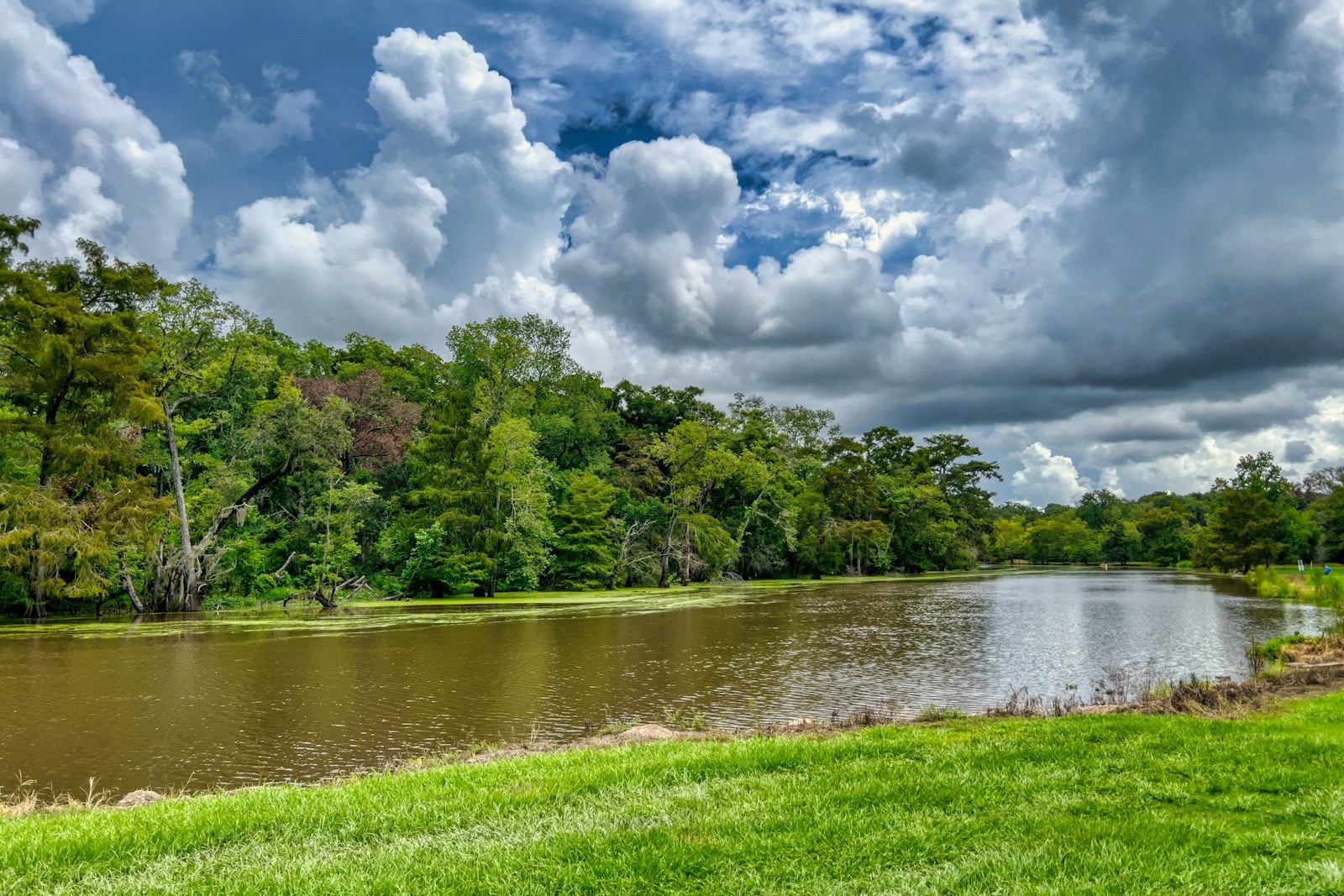
Louisiana is the one state in Pine & Marsh's eleven-state audit footprint where two entirely distinct outdoor-recreation verticals -- waterfowl guiding and saltwater inshore charter fishing -- concentrate at real scale in the same coastal parishes, sometimes within the same operation. Venice and the surrounding marsh country are as well known for redfish as they are for greenheads, and a meaningful share of Louisiana operators work both sides of that calendar.
This post pulls the Louisiana subset from the flagship eleven-state audit (see The State of Outdoor Marketing in the Southeast: Data From 2,206 Outfitter Audits Across 11 States for the full regional dataset) and looks at two things specific to this state: the digital-health gap between its waterfowl and inshore verticals, and the effect of unusually heavy aggregator-platform use -- names like Captain Experiences and Mallard Bay show up often in this market -- on how much of an operator's own presence lives on a domain they actually control.
We're not publishing a Louisiana-specific mean score, subset size, or aggregator-primary percentage in this post -- those breakdowns haven't been finalized for public release. What this post lays out is the structural pattern this dual-vertical, aggregator-heavy market produces, and what an operator can do about the specific part of it that's within their control.
One State, Two Verticals, One Coastline
Waterfowl guiding and inshore redfish charters draw from overlapping geography and, in a lot of cases, overlapping operators -- a guide running duck hunts through the winter and redfish trips the rest of the year isn't an unusual business model in this part of the state. That dual-vertical reality means a single operator's website often needs to serve two genuinely different search intents well, rather than one, and the audit data suggests that's a harder thing to do evenly than it sounds.
The pattern worth naming: an operator's site frequently does a noticeably better job representing whichever vertical the owner personally leads with, and treats the other as a secondary mention -- a paragraph on an otherwise duck-focused homepage, or a redfish-first site with hunting relegated to a single sentence. That imbalance matters because an AI system answering a vertical-specific query -- "redfish guide near Venice Louisiana" versus "duck hunting guide near Venice Louisiana" -- needs the secondary vertical stated with the same specificity as the primary one to surface the operator for both.
The Aggregator Effect, Specifically in This Market
Louisiana's coastal charter and guide market carries an unusually heavy marketplace-platform presence relative to other states in this footprint -- Captain Experiences, Mallard Bay, and similar aggregator platforms are named frequently enough in this market to be worth calling out directly, without any claim about their specific commission structure or fee percentages, which this post isn't sourced to state.
The structural risk isn't that these platforms exist -- they're legitimate businesses serving a real function, connecting first-time or traveling clients with available guides. The risk is what happens when an operator's presence on one of these platforms becomes more complete, more current, and more visible than the operator's own domain. In a market with high marketplace-listing penetration, an AI assistant asked "who should I book redfish with in Venice Louisiana" can end up citing the aggregator's listing page for a guide more readily than the guide's own website, simply because the aggregator's page states more, in a form the system can parse more easily.
Why Losing That Comparison Costs More Than It Looks Like
When an aggregator's listing out-cites an operator's own domain for the operator's own name, the operator loses more than a single search result -- they lose the ability to control what a prospective client sees first, how their pricing is framed, and whether the platform's own booking flow (and any fee structure attached to it) becomes the default path to reaching them, even for a client who specifically wanted to book directly. This is exactly the kind of structural entity-clarity problem this whole content series treats as a first-order priority, not a cosmetic one.
It's also a genuinely fixable problem, and fixing it doesn't require confronting or competing with the aggregator platforms directly. It requires making the operator's own site the more complete, more current, more specific source about the operator's own business -- which is a fact-density contest an operator's own domain should be positioned to win, since nobody has more direct, specific knowledge of the business than the operator running it.
Closing the Gap for a Dual-Vertical Louisiana Operator
Start by treating each vertical as its own real content area rather than a secondary mention -- a dedicated page for the waterfowl side and a dedicated page for the inshore side, each with its own specific facts (typical season structure stated in general terms, group sizes, what's included, boat or blind specifics), rather than one vertical getting a full page and the other getting a paragraph. That alone closes a meaningful part of the dual-vertical gap this audit's Louisiana subset shows.
Then treat the operator's own domain as the richer, more current source relative to any aggregator listing the operator also appears on: consistent name-address-phone data between the two, a booking or inquiry path on the operator's own site that doesn't require going through the aggregator at all, and content depth -- real, specific pages -- that simply says more about the actual operation than a marketplace listing template allows for. None of this requires leaving the aggregator platform if it's bringing in real business; it requires making sure it's not the more complete answer by default.
Where Louisiana Fits Against the Rest of the Region
Louisiana's dual-vertical structure is genuinely distinctive in this dataset -- Florida's saltwater fleet, covered elsewhere in this series, faces its own version of the aggregator and platform-visibility question but without the same two-vertical overlap, and Arkansas's duck camps run a similarly compressed waterfowl season without the redfish counterpart at all. Reading this post alongside those two gives a fuller picture of how season structure, vertical mix, and platform saturation interact differently across the footprint's coastal and inland waterfowl markets.
Related Reading
More for operators building the same kind of page -- clays courses and dove outfits that need a specific answer, not another brochure paragraph.
Georgia's Plantation Belt: Quail Country's Digital Health Score
Florida's Saltwater Fleet: Offshore and Flats Guides by the Data
Dove Operators Have the Thinnest Digital Footprint -- Here's the Number
The Google Business Profile Gap: One Score, 2,206 Outfitters
The Schema Gap: What Southeast Outfitters Aren't Telling the Machines
The Email-Capture Gap: How Few Outfitters Own Their Audience
The AI-Search-Visibility Score: Measuring Whether Outfitters Exist to Answer Engines
Solo Guide, Small Outfit, or Destination Lodge: Does Size Predict Digital Health?
Frequently Asked Questions
Why doesn't this post include a Louisiana-specific mean score or aggregator-primary percentage?
Because those state-level breakdowns from the audit haven't been finalized for public release yet. This post describes the structural pattern the Louisiana subset points to rather than a specific number we're not yet ready to stand behind.
Why does a dual-vertical operator's site often favor one vertical over the other?
It tends to reflect which vertical the owner personally leads with or built the business around first -- the secondary vertical often gets a passing mention rather than the same specific, structured treatment, which limits how well an AI system can surface the operator for that second query type.
Are Captain Experiences and Mallard Bay named as a problem in this post?
No -- they're named as legitimate platforms that are simply unusually prevalent in this specific market. The structural risk discussed is what happens when an operator's presence on one of these platforms becomes more complete than the operator's own site, not any claim about the platforms' business practices.
What happens when an aggregator's listing outranks an operator's own domain?
The operator loses control over how their pricing and offering are framed to a prospective client, and can end up funneling even clients who wanted to book directly through the platform's own flow instead. That's a real cost beyond just search visibility.
Does fixing this require leaving the aggregator platform?
No -- an operator can stay listed on an aggregator while also building their own site into the richer, more current, more specific source about their business. The two aren't mutually exclusive; the goal is making sure the operator's own domain isn't the thinner of the two options by default.
What's the highest-leverage fix for a dual-vertical Louisiana operator specifically?
Building out a genuinely dedicated page for each vertical, with its own specific facts, rather than letting one vertical dominate the site and the other get a single paragraph.
How does Louisiana's pattern compare to Florida's saltwater fleet?
Both deal with aggregator and platform-visibility questions, but Louisiana's dual-vertical overlap between waterfowl and inshore fishing is distinctive to this state within the footprint -- Florida's version of the pattern, covered elsewhere in this series, doesn't carry the same second-vertical overlap.
Is this post naming specific Louisiana captains and their scores?
No -- neither this post nor the underlying audit publishes named, individual operator scores. Everything here describes a structural, state-level pattern, not any specific business's performance.
Does this post make any claim about aggregator commission rates or fees?
No, and it's deliberately not sourced to make one. Any discussion of these platforms here is limited to their prevalence in this market and the structural visibility question that prevalence creates, not their fee or commission structure.
Work with Pine & Marsh
If the aggregator's listing page answers a stranger's question about your own business better than your own domain does, that's a gap worth closing.
If the aggregator's listing page outranks your own domain for your own name, that's an SEO & Topical Authority problem, and 44 Recreation Agency builds exactly the kind of fact-dense, owned-domain presence that wins that comparison. Start with a Discovery Call: pineandmarsh.com/contact. What you've built deserves to be found.



Comments