
Marketing a Bait and Tackle Shop: Local Search, Fishing Reports, and Online Orders
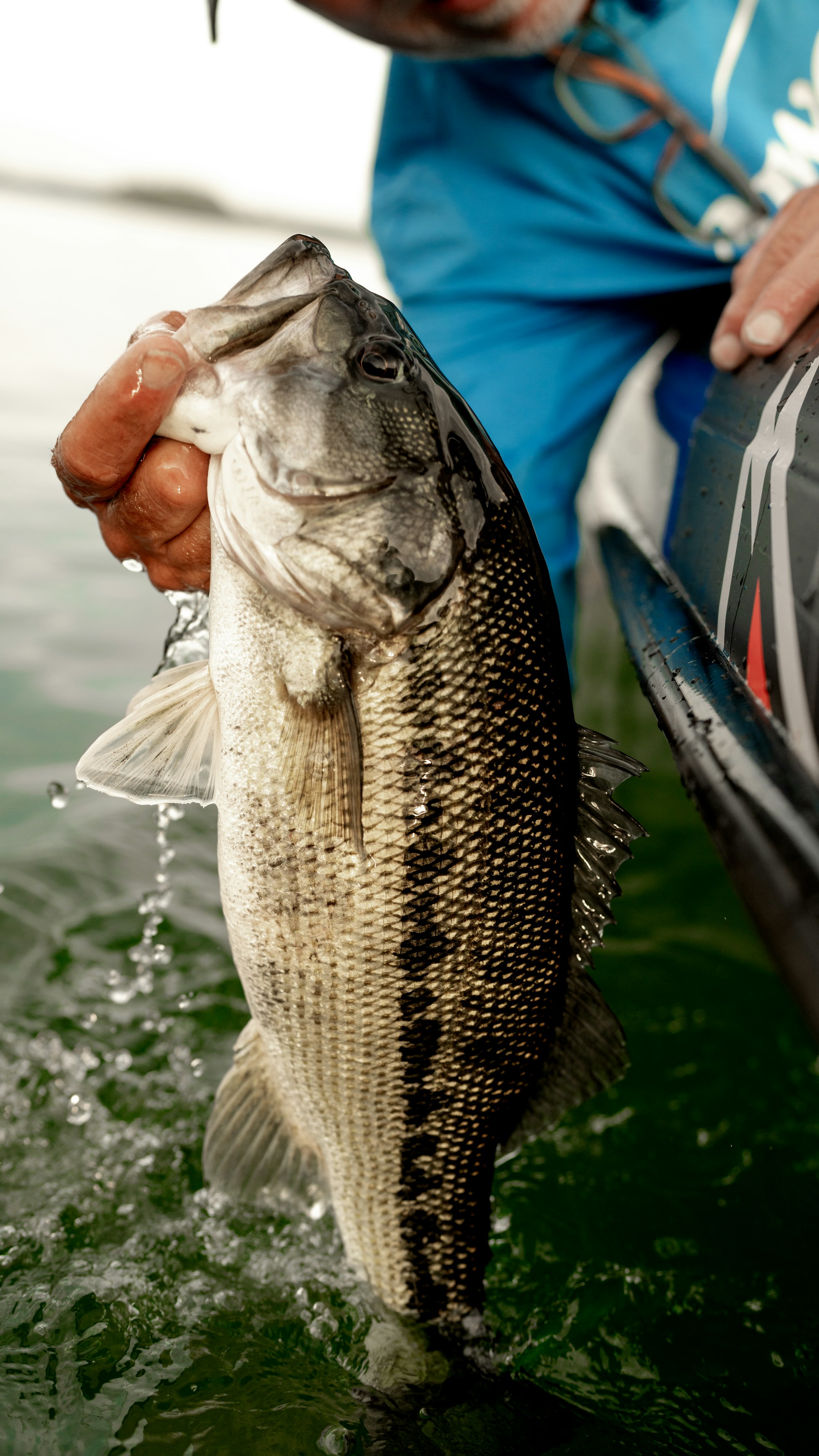
A bait shop is not a guide service. Nobody books you three weeks out. They find you from a truck cab, with a boat on the trailer, asking their phone who is open and who has minnows.
If you run a guide service, start with our posts on the Google Business Profile playbook for outfitters and the fishing report system for guides. This one stays on the shop counter: hours, the live well, pickup, and the hand-off to guides and marinas.
What we saw when we searched Southeastern lake towns
On October 13, 2026 we ran Google searches for bait shops near five Southeastern lake towns: Guntersville, Alabama; Gainesville, Georgia; Mooresville, North Carolina; Hartwell, Georgia; and Somerset, Kentucky. We used a desktop browser with personalization off. One caveat matters: every search came from a Decatur, Alabama IP address, and we typed the town name into the query. We did not stand in each town and search "bait shop near me." Treat this as a snapshot of how Google labeled results that day, not a ranking study and not a count of shops.
Here is what stood out.
Four of the five towns showed a map-style Places block with about three shops. Gainesville, Georgia showed no Places block at all on that load, only a single knowledge panel for a shop labeled Bait shop, with 19 Google reviews.
The labels were mixed. Shops showed up as Bait shop, Fishing store, Convenience store, Hunting and fishing store, and, on a few sponsored cards, a sporting goods chain. In one town, the shop in the number two spot carried a Convenience store label instead of Bait shop.
Hours on the cards ran from opens 6 AM to open 24 hours to closes 12 AM. Those are card text from that day. They are not a special "open early" badge.
When we searched the phrase "bait and tackle shop marketing" itself, the organic results were mostly agency guides, trade pages, social threads, and videos. No independent bait shop website was in that list. That is a gap a shop with an honest local page can fill.
Set hours like a bait shop, not a boutique
Anglers decide the night before, or on the ramp, whether to stop at your shop. If the card says Closed, opens 8 AM and the bite starts at first light, you lose the sale to the gas station.
Google's help page on business hours says the hours you enter are your normal week, shown on Maps and Search. A few features matter for a shop:
Hours must be set before anything else shows. A profile can be set to "Open with no main hours," and in that case hours do not display. Do not leave it that way.
Special hours cover unusual days, including a closure of six days in a row or fewer. Set them before Thanksgiving, Christmas, and any tournament weekend that changes your day.
The "More hours" setting is for specific services such as pickup, takeout, delivery, or drive through. Google says it will not display until regular hours are set, and generally should fall inside your primary hours. If you take pickup orders only during certain windows, this is where that goes.
Here is a point worth stating plainly. In the Google help pages we opened on October 13, 2026, we did not find an "open early" attribute, a "live bait" attribute, or a pickup attribute for retail shops. So do not go hunting for a checkbox. The honest version of "open early" is a set of real hours that start when anglers actually leave the dock. Type them in, keep them accurate, and use special hours when the weather or a holiday changes things. Google says attributes vary by category and can change, so check your own dashboard.
Pick your category with care too. Google's local ranking help page says local results are based mainly on relevance, distance, and prominence, that you cannot pay for a better local ranking, and that a complete profile helps. That includes address, hours, category, and attributes. In our October 13 searches, the same shop appeared as Bait shop on one query and as Beer store on another, depending on what was searched. We did not open the category picker for it, so we cannot say which is its primary category. The lesson is simple: open your own profile, read your primary category and any additional ones, and make sure they describe the main reason people come in.
The weekly report: shorter than a guide's, closer to the counter
Guides write reports to sell trips. A shop writes them to sell what is in the cooler and the tackle wall, and to be the place everyone checks before they load the boat.
The American Sportfishing Association publishes a "Customer Engagement Tackle Box" page for tackle retailers. According to ASA, a weekly fishing report tells customers where fish are biting, what gear to use, and how local conditions are changing. The page describes a fill-in template covering local conditions, species that are biting, recommended bait and tackle, and seasonal tips, and says most retailers can put it together in a few minutes. ASA suggests using the same text in an email, a Facebook or Instagram post, a sheet at the counter, and a page on the store website. We did not download the template itself, so check ASA's page for the current version.
A shop version can run on four lines:
1. What the water is doing this week (level, temperature, clarity, wind), in your words. 2. What customers are catching and on what. You hear this at the register all day, so use it. 3. What you have in stock for that pattern, such as the minnows, crickets, or shiners that fit the bite. 4. Your hours for the weekend.
Post it the same day each week, put the same text on a counter sheet, and keep an archive page on your website with dated titles like "Lake Name Fishing Report, Month Year."
A report from the counter is secondhand. Say "customers told us," not "we caught," unless you fished it yourself.
Live bait: be careful what you promise online
Live bait is your sales draw and your biggest risk for overpromising. A search for "bait shop near me" is often really a search for "who has shiners right now." The tension is that your supply changes by the hour.
What Google will and will not do for inventory is narrower than you might hope. Google has a Local Inventory app (formerly called Pointy) that can show in-store products on Search and Maps. Its help page says the automatic route needs, among other things, a physical store, a verified profile, products carrying manufacturer UPC or EAN barcodes, and either a barcode scanner or a compatible point-of-sale system (it names Clover, Square, and Lightspeed). Google's product editor page describes a manual route for shops whose products have no barcodes or whose stock data is not fresh. Neither page mentions live bait, minnows, or tackle shops, and neither says Google tracks a live count of what is in your tank. So do not tell customers "check Google for what's in stock" for live bait.
Better options that work today:
Put a "Live bait today" line at the top of your weekly report and your Facebook page, and update it when something runs out.
Tell people on the phone and on your profile that live bait availability changes daily and to call ahead.
Use Google Business Profile posts for short, dated updates. Google's pages do not name a posting schedule, so treat posts as communication, not a ranking trick.
If you try the product listing route, start with barcoded hard goods like line, hooks, and lures, and read Google's current requirements first.
Know your bait rules too. Tennessee Wildlife Resources Agency's live bait regulations page (checked October 27, 2026) says everyone who sells legal species of fish and other aquatic life for bait must buy an annual Tennessee Fish Farmer/Catch Out Pond/Bait Dealer license and make the reports TWRA requires. The page lists legal species, restrictions on moving some shad and herring live from certain waters, and rules that sunfish (including bluegill) sold as bait be no more than four inches long and lawfully taken from privately owned lakes or ponds, not streams or public lakes. It also says certain salamanders and crayfish that anglers may harvest for their own bait shall not be sold or bought for bait. That is Tennessee only. We did not open the Alabama, Georgia, North Carolina, or Kentucky dealer pages, so check your own state agency before you advertise a species or a delivery service.
Online ordering and pickup: start small
Many shops do not need a full online store. They need a way to let a customer pay for a dozen crickets or a spool of line and pick it up on the way to the lake.
Google's help pages on local business links say a profile can carry links for booking, ordering, and pickup and delivery, and that an order link must let the customer complete an order. The links page and the policies page we opened give different caps for how many links you can add (one says up to 10 links per category, the other says 20 per transaction type), and neither one mentions bait or tackle shops by name. So we cannot tell you that a shopping-order button is available for your category. Check your own dashboard under the pickup and delivery options and read the current policy page. Google's online ordering article is written for food pickup and delivery, so do not assume a tackle counter gets the same button.
A practical, low-risk way to start:
Offer pickup on hard goods only, with a simple order form or a phone-and-text process, and say that live bait is first come, first served.
If you set up an order link, make sure it leads straight to a working order flow. Google's policy says links cannot be social sites, messaging links, app-store links, or link shorteners.
Put pickup hours in "More hours" once your regular hours are set.
Test the whole path on your own phone before you tell anyone about it.
Partner with guides and marinas
No agency page we opened sets a rule for working with guides or marinas, so this section is a field checklist, not a requirement. It is also where a shop can often beat a bigger competitor.
Ask local guides what they buy and when they need it. Make pickup easy with early hours, a pre-order by text, or a standing order.
Keep a short list of guides you are comfortable pointing people to, since customers ask the counter for one. Ask guides to mention the shop in their reports.
Ask the nearest marina or boat ramp whether it will keep your hours and phone number on a sign, and offer the same in return. Check that any trade of this kind fits the marina's own rules and its lease or permit.
Co-post. A guide's report mentioning your shop's bait, or your weekly report naming a guide's trip, costs nothing and puts both names in front of the same audience. Our post on marketing a boat rental or marina on a Southeastern lake covers how the marina side markets itself, and our post on marketing a fly shop shows how a retail counter and a guide desk can feed each other.
If a guide trip is the thing you are pointing people toward, remember that rules for paid guiding on public land and water vary by agency. Confirm with the agency that manages the water before you list or promote guided trips on it.
How tackle businesses look in the audit
Pine & Marsh audited outfitter and recreation businesses across 11 Southeastern states (homepage scan, October 2026). It is a structured sample, not a census, and it does not cover every bait shop. The audit includes a category called Outfitter Retail / Tackle. In that category, 44 audited operators had a mean digital health score of 4.61 out of 10, against 5.09 for all 1,546 audited operators. In that category, 77% of the 44 audited operators had their own website. Of the 27 homepages in that category we could read, 59% showed an email or newsletter signup, 7% showed FAQ content, and none showed an online booking engine. For comparison, 36.9% of the 1,093 homepages read across all audited operators showed FAQ content.
That is one category label inside a limited sample, and a homepage scan only sees what a homepage shows. Still, a plain page with your hours, phone number, bait list, and weekly report is within reach of any shop.
A one-week checklist
1. Open your Google profile. Confirm your primary category, your address, and your regular hours. 2. Add special hours for the next holiday, and "More hours" for pickup if you offer it. 3. Write this week's four-line report and post it on your page, Facebook, and a counter sheet. 4. Put a "Live bait today" line where customers will see it. 5. Call two guides and the nearest marina about hours and cross-mentions. 6. Search your own shop name and "bait shop near" your town on a phone. Write down what the card says.
Rules, help pages, and labels change. Everything above was current when we checked on October 13, 2026, so check the agency or Google page again before you act on it.
Work with Pine & Marsh
If you would like a second set of eyes, we offer a free local-search check. We look at how your shop appears when someone searches near your lake, and tell you what to fix first. What you've built deserves to be found. Start at pineandmarsh.com/contact.
Frequently Asked Questions
What showed up for "bait shop near" a lake town in October 2026?
On October 13, 2026, our desktop searches for five Southeastern lake towns mostly returned a short Places block of about three results, with labels such as Bait shop, Fishing store, and Convenience store. Gainesville, Georgia showed a single knowledge panel instead. Searches came from a Decatur, Alabama IP and used the town name in the query, so they are a snapshot, not a ranking study.
Is there an "open early" setting on a Google Business Profile?
Not in the Google help pages we opened on October 13, 2026. The way to show early hours is to enter real regular hours, then use special hours for exceptions. Check your own dashboard, since Google says attributes can change.
Can Google show how much live bait I have in stock?
Google's pages on in-store products describe barcode-based inventory and a manual product editor, but neither mentions live bait or a live tank count. Treat live bait as something to post and update yourself, and tell customers to call ahead.
What does Tennessee require of someone who sells bait?
According to the Tennessee Wildlife Resources Agency, anyone who captures or sells legal species of fish and other aquatic life for bait must buy an annual Fish Farmer/Catch Out Pond/Bait Dealer license and make the reports TWRA requires. That page is Tennessee only. Check your own state agency for current rules.
Can I pay Google for a better local ranking?
No. Google's local ranking help page says there is no way to request or pay for a better local ranking. Results depend mainly on relevance, distance, and prominence, and a complete profile and good reviews help.
How should a tackle shop report differ from a guide's report?
A guide's report supports trip bookings and comes from time on the water. A shop's report is shorter and tied to the counter: conditions, what customers are catching, what is in stock, and weekend hours. Say where the information came from.


Comments