
Deer Camp Was Never Built for a Daughter Who Actually Wanted to Go
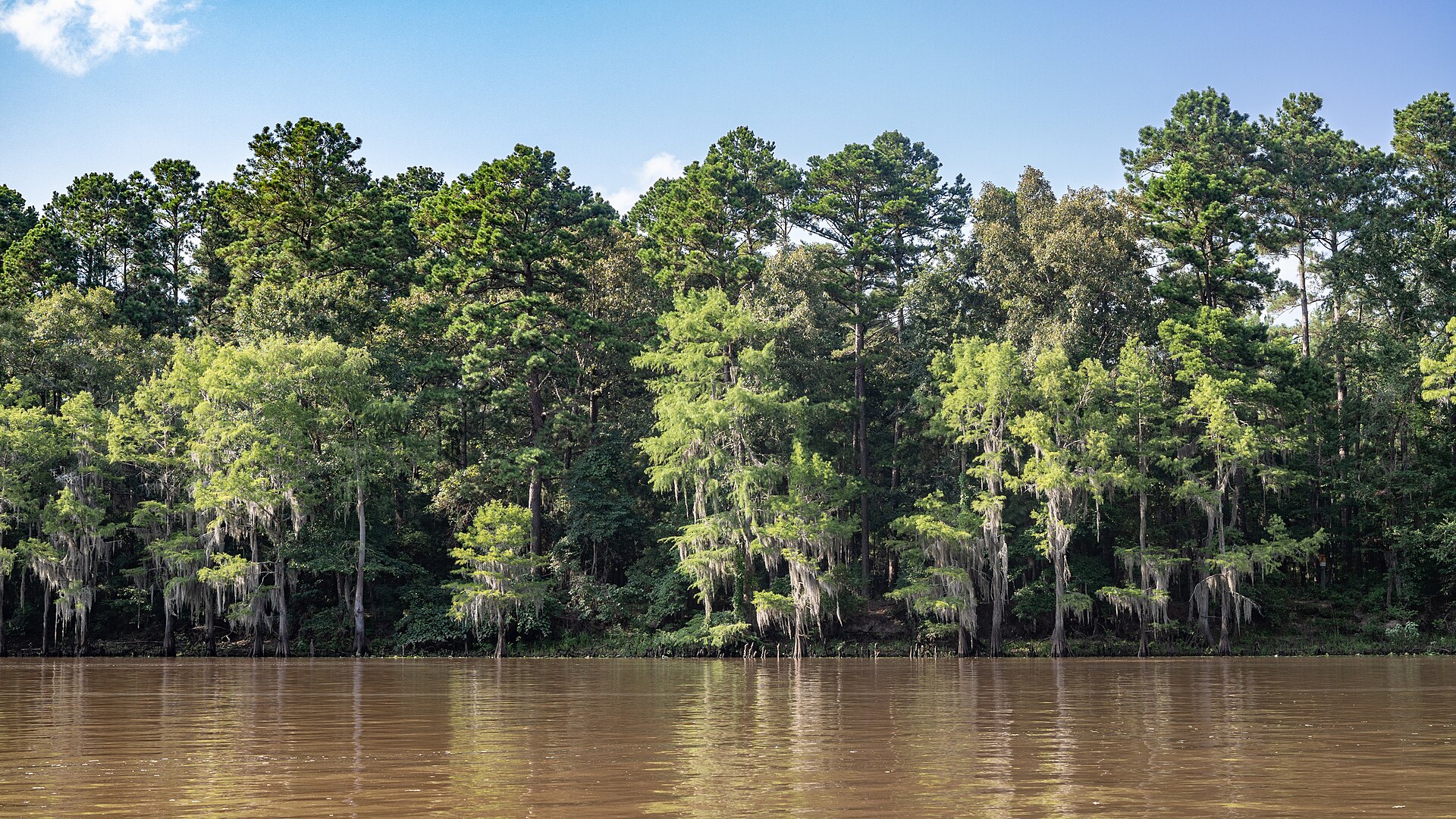
Southeastern deer camp is one of the most well-worn cultural institutions the region's hunting tradition has produced -- the bunkhouse with its particular smell of woodsmoke and coffee, the cornbread that somebody's mother or grandmother has been making the same way for decades, an easy rhythm of jokes and stories that, for most of the institution's history, assumed an all-male room without anyone having to say so out loud.
That assumption is being tested, not by outsiders demanding it change, but by the women actually walking into camp -- not as a wife or daughter tagging along for the weekend while the men hunt, but as the hunter herself, there to fill her own tag, climb her own stand, and take her own shot. That's a different presence in the room than the traditional camp was built to expect, and it's worth taking the resulting adjustment seriously rather than treating it as either a threat to the institution or a simple non-event.
This piece treats deer camp as a genuine cultural institution worth real respect, not as a target for easy mockery, and asks honestly what it keeps and what it has to quietly retire as its actual guest list changes -- drawing on the kind of pattern Pine & Marsh sees across the whitetail operations it works with in general terms, without naming any one camp or inventing a specific client story.
What Deer Camp Actually Is, as an Institution
It's worth being clear-eyed about what deer camp represents before considering how it's changing. This isn't simply a place people happen to sleep between hunts -- it's a genuine cultural institution with its own accumulated traditions, its own specific foods and rituals, its own social code built up over generations of the same families and friend groups returning to the same ground every fall.
That accumulated weight is exactly what makes deer camp worth taking seriously rather than dismissing as an easy target for jokes about outdated masculinity. The traditions exist because they mean something real to the people who've kept them alive across decades, and a shift in who's present in the room doesn't automatically invalidate what came before it.
What Actually Shifts When the Hunter Is a Daughter
The core activity doesn't change. A woman hunting her own tag needs the same skill, the same patience, the same cold pre-dawn discipline as anyone else who's ever climbed into a Southeastern deer stand. What shifts is the surrounding social environment she's stepping into -- a room whose jokes, whose assumed audience, whose unspoken rules of who's taken seriously as a hunter and who's treated as a guest, were built without her specifically in mind.
That doesn't mean every camp is hostile to her presence -- most aren't, deliberately. It means the room simply wasn't calibrated for her, the way a piece of gear cut for a different body isn't hostile so much as simply not designed with that body in mind. The adjustment required is often less about actively welcoming and more about noticing where the existing default assumption quietly excludes rather than includes.
What Deer Camp Keeps, and What It Has to Quietly Retire
The parts of deer camp culture worth keeping are, for the most part, exactly the parts that made it meaningful in the first place -- the shared meals, the storytelling, the specific rituals tied to a particular piece of ground hunted by the same people across years. None of that requires an all-male room to function; it requires people who genuinely care about the tradition and about each other, regardless of who's in the room.
What has to go, more quietly and more gradually than any formal announcement, is the assumption baked into some camp humor and camp hierarchy that a woman present is there in a supporting role rather than as a hunter in her own right -- treated as company for the men rather than as a hunter herself, her tag and her stand treated as somehow less serious than a male hunter's. That assumption doesn't require malice to do real damage; it just requires nobody noticing it's there.
The camps handling this well aren't the ones that have overhauled their traditions wholesale. They're the ones where the existing culture has simply extended its actual respect -- for skill, for patience, for a hunter's seriousness about filling her own tag -- to everyone actually hunting, rather than reserving that respect implicitly for one gender.
What the Data Actually Shows
The most recent comprehensive federal hunting survey puts women at roughly 17 percent of all active hunters nationally, and notably higher -- roughly a third -- among new hunting entrants specifically, a meaningful signal that the entry point into hunting is shifting even where the overall existing population hasn't caught up yet. Among big-game hunters specifically, which includes whitetail deer, a 2022 federal data addendum puts women at roughly 19 percent of that big-game hunting population -- a real, sourced figure worth citing precisely rather than approximating.
What isn't available is a reliable, whitetail-specific breakdown beyond that big-game figure, or any solid data on how many camps or lodges have made specific facility or culture adaptations in response to this shift. Those remain genuine gaps in what's documented, and this piece treats the general hunting and big-game figures as real, relevant context without overstating what they specifically say about whitetail deer camp culture in particular.
The National Deer Association, as the primary organization focused on whitetail management and hunting culture, is worth naming as a real and relevant entity in this landscape -- an organization that has itself referenced the broader federal finding about women representing roughly a third of new hunters, without claiming a whitetail-specific participation percentage beyond that national context.
What This Means for How a Camp Talks About Itself
A whitetail operation's own marketing and imagery often lag behind who's actually filling stands at the property. A site built entirely around imagery and language assuming a male hunter, even at a camp that in practice welcomes and respects women hunters fully, sends a signal to a prospective female client that may not match the actual experience she'd have there.
Closing that gap doesn't require abandoning deer camp's traditional character -- it requires an honest audit of whether a camp's own public-facing materials actually reflect who's shooting there now, rather than who was assumed to be shooting there a generation ago. That's a solvable content and imagery problem, not a cultural overhaul, and it's often the single most visible gap between a camp's actual practice and its public presentation.
Related Reading
More for operators building the same kind of page -- clays courses and dove outfits that need a specific answer, not another brochure paragraph.
The Blind Was Built for One Kind of Hunter. She Showed Up Anyway.
Who Taught You to Cast? Increasingly, Nobody in Your Family.
Three Generations, One Blind: The Return of the Family Hunting Trip
Bringing the Whole Family to the Duck Camp, Not Just the Hunters
What a Wellness Retreat Looks Like When It's Held in a Duck Blind
Frequently Asked Questions
What percentage of hunters nationally are women?
Roughly 17 percent of all active hunters, according to the most recent comprehensive federal hunting survey, and roughly a third of new hunting entrants specifically -- a notably higher share among people just entering the sport than among the established hunting population overall.
Is there a specific figure for women in whitetail or big-game hunting?
A 2022 federal data addendum puts women at roughly 19 percent of big-game hunters, a category that includes whitetail deer. There isn't a more specific, whitetail-only breakdown publicly available beyond that big-game figure.
Does this piece argue traditional deer camp culture should be abandoned?
No -- it explicitly argues the opposite. Deer camp is treated as a genuine cultural institution worth real respect, and the piece asks what specifically needs to adjust as its guest list changes, not whether the institution itself should be dismantled.
What's the difference between a woman attending deer camp as a companion versus as a hunter?
A companion, historically the more common role assumed for women at camp, is present but not hunting; a hunter is there to fill her own tag, take her own shot, and be taken as seriously as any other hunter in camp. This piece focuses specifically on the latter, more recently common presence.
What's the most common way deer camp culture unintentionally excludes women hunters?
Not usually through overt hostility, but through camp humor, hierarchy, or unspoken assumptions that treat a woman's presence as supporting rather than as a hunter in her own right -- an assumption that can persist without anyone in camp intending it or even noticing it.
Is there data on how many camps have made specific adaptations for women hunters?
No reliable, published figure tracks this specifically. This is a genuine gap in available research, and this piece relies on observed pattern rather than a cited adaptation statistic.
What role does the National Deer Association play in this trend?
NDA is the primary organization focused on whitetail deer management and hunting culture, and it has referenced the broader federal finding that women represent roughly a third of new hunters. It hasn't published a whitetail-specific participation percentage beyond that broader context.
Should a camp change its actual traditions -- food, rituals, storytelling -- to accommodate more women hunters?
This piece doesn't argue for changing the traditions themselves, which it treats as generally worth preserving. The adjustment described is subtler -- extending existing respect for serious hunters to everyone actually hunting, rather than overhauling the traditions that make camp meaningful in the first place.
Does a camp's marketing need to change even if its actual culture already welcomes women hunters fully?
Often, yes -- a real gap frequently exists between a camp's actual practice and its public-facing imagery and language, which may still assume only male hunters even where the on-the-ground experience is genuinely welcoming and respectful.
Is this trend the same as the broader multigenerational family hunting trend covered elsewhere?
Related but distinct -- the multigenerational piece focuses on families hunting together across age groups, while this piece focuses specifically on women as hunters in their own right within traditional deer camp culture, which is its own distinct dynamic.
Work with Pine & Marsh
Most deer camp branding still pictures one kind of hunter -- and a growing number of the people actually filling stands don't see themselves in it at all.
A camp's own imagery often still pictures one kind of hunter, even when the people actually filling stands there now look different. 44 Recreation Agency's Branding & Visual Identity work is built to close exactly that gap between a camp's real guest list and how it presents itself. Reach us at pineandmarsh.com/contact. What you've built deserves to be found.


Comments