
Duck Opener Week: The Comms Playbook While the Marsh Is Loud
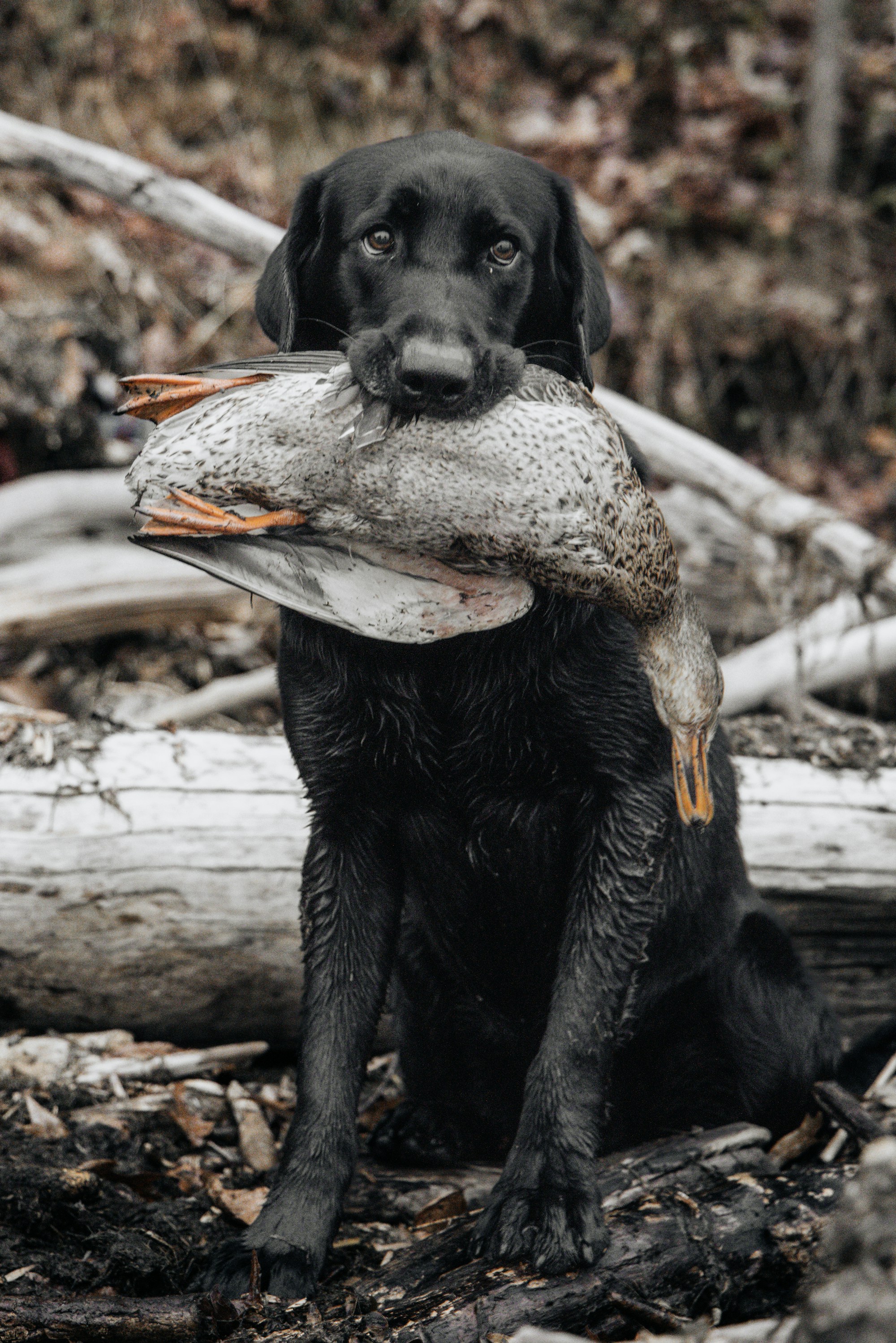
The marsh is loud right now. North Carolina's November segment opens Saturday, Nov. 7. Louisiana's West Zone opens Nov. 14, the same day as youth days in Georgia, South Carolina and Florida, and over the next two weeks Virginia's November segment and the regular openers in Arkansas, South Carolina, Georgia, Florida and Louisiana's East Zone follow. Alabama, Mississippi and Tennessee open the week of Thanksgiving, and Kentucky's agency says its regular duck season opens on Thanksgiving Day. For a waterfowl lodge or guide service, opener week is not one week. It is a rolling wave that starts this weekend and does not finish until the last state flips its switch, and every one of those weeks puts more eyes on your phone, your website and your Facebook page than any ordinary week of the year.
If you have been following the plan in our duck opener countdown, you spent October publishing season pages, blind walk-throughs and dog profiles. That post covered the four weeks before the opener and the calendar that carries the season to February. This one picks up where it stops. It is the execution plan for the seven days when the season is live, the phone is buzzing and every hunter in your market is watching to see what actually happens.
The central idea runs against the grain of most waterfowl marketing, so let me say it plainly up front. Opening weekends disappoint about as often as they deliver, and every hunter knows it. The operator who posts "we grinded for three birds under bluebird skies" earns a credibility that a staged pile of ducks never will. Honest slow-day content is not a confession. It is the strongest trust signal you have, and in a week when attention is at its peak, trust is what converts a curious scroller into a booked second-split hunt.
Why Honest Reporting Beats a Staged Pile
Think about who is watching your page this week. Some are guests who are in your blinds in a few days and want to know what to expect. Some are past clients deciding whether to rebook. Some are hunters who have never booked with anyone and are reading your posts to decide whether you are real. Every one of them has had a slow morning. Every one of them has seen a lodge post a spread of birds on a day the whole region struggled. A hunter who has been burned by a fantasy does not forget it, and the next outfitter he sees posting the same pile gets the same eye roll.
The review logic follows from that. A guest's rating is mostly a gap between what he was told and what he got. A client who was told the truth about a slow weekend, with the front stalled, the water low and the birds still north, and who then shot three ducks over a good dog and ate a good breakfast, has a story that matches his expectations. He can write four or five stars with a clear conscience, because nothing about the trip surprised him in a bad way. A client who was sold a fantasy and got the same three ducks has a gap between promise and reality, and that gap is what shows up in the review. This is reasoning, not a study, and you do not need a study to see it. You have read the one-star reviews on lodge pages. Most are about expectations.
None of this means you post bad news for sport. It means your reports describe the day as it was, in plain words, with the context a hunter respects: wind, water, weather up north, pressure on the area. Our post on watching the weather up north explains why Southern hunters are anxious about the flyway before the season ever starts. Your job in opener week is to be the calm, specific voice that answers the anxiety instead of feeding it.
The Opener Content Kit: What to Shoot and What to Leave Alone
Assign one person to be the camera. It cannot be the guide running the hunt, and it should not be the guest. A second guide, a spouse, a deckhand or a camp helper works. Give that person a short shot list before the first morning and keep it the same all season, so the content compounds instead of getting reinvented every weekend.
The kit has five pieces. First, a blind panorama in the gray light before shooting hours, with no people identifiable and nothing that gives away a spot you need to protect. This is the legal-light shot, taken in the minutes before the legal start of the day. Virginia and North Carolina both set waterfowl shooting hours at one-half hour before sunrise to sunset, so the panorama is natural: guests are in the blind, the spread is set, and the camera is up before the first bird works. Second, a strap photo with a real story in it. That means a limit or a partial limit laid out on the tailgate or the blind floor, with a close-up of any leg band. Third, dog work, because the retrieve is the single most reliable piece of content a waterfowl operation produces. Fourth, the guide's two-sentence read on the morning, spoken to the camera or typed as a caption. Fifth, a single wide shot of the group walking out at first light, shot from behind.
A word on bands. If a guest shoots a banded bird, the federal Bird Banding Laboratory asks that it be reported at reportband.gov, and the site offers a Certificate of Appreciation request. Offering to help a guest report his band, and photographing the band for the guest rather than for your feed, is a small gesture that tends to get remembered. Put the story on the page only if the guest is happy to have it there.
Permission workflows matter more than any other part of the kit. Put a one-line photo and video consent on your check-in sheet or your confirmation text, so you are not asking for a face on a feed at 5:30 in the morning with a limit on the ground. Ask again if you want to use a guest's photo in an ad, since organic posting and paid posting are different permissions. Never post a minor's face without a parent's clear yes, and be extra careful on youth days. If you plan to run any of this as a paid Meta ad, remember that Meta's ad standards allow weapons in a hunting context only when the context is non-violent and bar shocking, sensational or excessively violent content, so keep the pile for organic channels and lead your ads with the dog, the walk-out and the blind at sunrise. Our post on photography that sells a sporting operation covers the broader shoot, and the fifteen-second hunt explains why the short vertical clip is how the story travels now.
The Daily Limit Report and Its Honest-Variance Framing
The backbone of opener week is a short daily report that goes out every day the season is open in your state, and ideally the day after for any segment you skip. Keep the format identical every day, the same way a fishing report keeps its format, so readers learn where to look. Four lines are enough. Conditions: wind, temperature, water. What the birds did: species, how they worked, what changed from yesterday. How the hunts went, in plain words. Open dates for the next two weeks, with a booking link.
The honest-variance part goes in the second and third lines. Instead of "limits again," write what actually happened. "Two groups, one at the limit by eight, one at four birds by ten. The difference was the wind shift at 8:15." That is a report a hunter can learn from, and it demonstrates that you know why a hunt went the way it did. A string of identical "limits" reports reads like a sales page, and the reader discounts all of it, including the true days.
Some operators worry that honest variance will scare off the next guest. It does the opposite, for a reason that is easy to miss. The guest who has booked a December date and reads a candid report on a slow opening weekend learns two things: that you tell the truth, and that you understand the season is long. A guest who reads a string of perfect days learns that you are either lucky or exaggerating, and neither answer builds confidence in a hunt six weeks away.
State the rules where they shape the day. In North Carolina, migratory game bird hunting on Sundays is prohibited. In Virginia and North Carolina the daily duck bag is six, and both states print a pintail limit of 3 for 2026-27, with scaup rules that change later in the season. Say what you hunt and what you do not, and tell readers to confirm limits and dates with the state agency. If your hunts are on private ground, say so. Arkansas, for example, states that it is illegal for waterfowl hunters to be guided for pay on Commission wildlife management areas and national wildlife refuges, and a private-ground outfit that is clear about where its hunts happen avoids confusion and builds trust.
For outside context, Ducks Unlimited publishes migration reports by flyway, a public migration map, and text or email alerts. Cite what a report said, date it, link it, and then say what you saw. A DU report is background, not a forecast for your blind on a specific morning.
Turning the First Split Into Second-Split Sales
Most Southeastern seasons run in two or three segments with a break between them, so the first weekend is not the whole season, and every report you publish is also sales material for the next segment. Virginia, for instance, opened with a short Oct. 9 to 12 segment and now runs Nov. 18 to 29, then Dec. 19 to Jan. 31. North Carolina also had October days, and its main segments run Nov. 7 to 28, then from Dec. 17 or 18, depending on zone, to Jan. 30. Confirm the exact dates for your area with your state agency before you market them.
The conversion work happens in real time. After each report, add one sentence that connects what happened to the next segment: "The cold front this week pushed the first divers in. December usually belongs to the fields, and we still have these three dates." That sentence does the job of a sales pitch without sounding like one, because it ties an observation to an available date. If the opener is slow, the same sentence says the season is long and the best of it is ahead, which is true. If the opener is strong, it invites the hunters who watched to lock in a date before the rest of the list sees it.
Keep a running list of the open dates for the next two to three weeks, with seat counts, and update it every night. Specific inventory converts and "a few spots left" does not. When a date sells out, say so and attach the waitlist link, so a sold-out notice captures the lead instead of losing it. The attention spike this week is also the best opportunity of the year to build that list, because people who are watching your page are people who want a seat.
Walk-On Inquiries and the Same-Day Response Rule
Opener week brings inquiries from hunters who were not on your radar a month ago. They saw a reel, a friend sent a post, or the weather turned and they decided they wanted to be in a blind on a cold weekend. These inquiries are time-sensitive in a way most outfitters underestimate. The hunter who messages on Tuesday night and gets an answer Wednesday afternoon has often already messaged two other operators.
Set a same-day rule and treat it as part of the season's work. Every inquiry gets a real reply on the day it arrives, with a date, a price range if you publish one and a booking link. Assign a person to the inbox for the week, and give that person a short list of approved answers: what a hunt includes, what to bring, where to meet, what the deposit terms are, and what the cancellation policy says about weather and regulations. Give the same person authority to say no clearly when a date is full, and to offer the waitlist.
Texts matter here. Many hunters would rather text than call, and a text thread that starts during opener week can carry a guest from first question to deposit. If you run text messages to guests, collect consent properly and keep the messages useful, as covered in our post on SMS marketing for outfitters. Our look at the booking conversation happening in texts and DMs shows why a slow reply costs more than most owners think.
The Weather-Front Alert Email
One email earns its keep every season: the weather-front alert. When a cold front is forecast to stack birds into your area, send a short email to the full list, not just the booked guests. Keep it under 150 words. Say what the forecast shows and when, say what you saw, and list the dates still open. Link the source of the forecast if you cite one and keep the language calm.
The email works because it is rare and real. A list that receives a message only when something is happening learns to open it. Do not send it for every front or every cold snap. Send it when the weather is a story, and make sure your own report from the days before backs up the claim. Overpromising birds in an alert is the fastest way to teach your list to ignore the next one. If the front stalls, send a short follow-up that says so. That follow-up costs you nothing and earns more trust than the alert did.
Segment where you can. Booked guests need logistics, past guests need a reason to come back, and the wider list needs a reason to book. Our guides on email and CRM for sporting lodges and the post-trip rebook sequence cover the machinery that sits behind these messages.
Opener-Week Review Asks: The Highest-Volume Capture Window
Opener week is the highest-volume window of the year for capturing reviews, because guests are fresh, the story is vivid and the group chat is still going. It is also the week most operators are too tired to ask. Build the ask into the system so it happens without a decision.
The ask goes out the same day or the next morning, by text or email, with a direct link to your Google review page. Make it a request for an honest review of the experience, in the guest's own words. Google's guidelines say reviews must reflect a genuine experience, and they prohibit offering free or discounted goods or services in exchange for reviews, so do not trade a discount or a free hunt for a rating. Ask every guest, not just the ones who shot well. A policy of asking only the happy ones skews your page, and a page with a believable mix looks more trustworthy than a wall of perfect ratings. Google's own help page makes the same point about a mix of positive and negative feedback.
This is where the honest reporting pays off. A guest on a slow morning who was told the truth in advance, saw a candid report on your feed and had a good guide and a good dog will usually say so. Reply to every review, short and specific, and never argue. The playbook for building a steady stream is in our post on review velocity, and the full response and recovery system is in the guide to online review management for outfitters. If a hunt goes badly wrong, the crisis communications guide covers what to say and what to leave out.
Rebooking at the Trailer
The last piece of opener week happens at the tailgate. When a group is breaking down decoys, loading the truck and talking about the morning, that is the single best moment of the whole year to ask about next season. Nobody is more convinced of your value than a guest who just spent a good morning with your guide.
Keep it simple. The guide, or the owner if he is there, says something like, "We open next season's dates to this year's guests first. Want me to put you down for the same weekend?" Have a card, a QR code or a text ready so the answer can be yes on the spot. Take a small deposit if your terms allow it, and put your deposit terms in writing on your website. Tell the guest what happens if the hunt is canceled for weather or regulation changes, so the deposit never feels like a trap.
For guests who say they need to check the calendar, add them to a returning-guest window and follow up within a week. The window is the season's other waitlist: the people who have already told you they want to come back. A guest who rebooks at the trailer is also the most likely to send a friend, and the guest-generated photos from that morning, shared with permission, become the best content of next season. Our post on guest-generated content explains how to make that sharing easy.
The Seven-Day Rhythm at a Glance
Put it together as a repeatable week. On the first day, publish the panorama and the guide's read, post the report and send the confirmation texts to booked guests. On the second and third days, post the dog clip, the second report and the updated open-date list. Midweek, send the weather-front alert if a front is real, and run your inbox rule hard. By the fourth and fifth days, you have enough material to publish a short recap with the honest variance spelled out. On the weekend, run the report format, ask for reviews the same day and rebook at the trailer. At the end of the week, pull the numbers: inquiries, replies sent the same day, dates sold, reviews received. Write down what worked.
Then repeat it for the next state's opener, and the next segment. The plan is deliberately plain, because the week is not the time to invent anything. It is the week to do the simple things on time, tell the truth about the birds and make it easy for a good guest to say yes again.
Work with Pine & Marsh
If opener week is arriving faster than your content, your inbox or your booking page can handle, Pine & Marsh can help you build the reports, pages and follow-up systems that carry a waterfowl operation through the season. Book a discovery call and we will look at how your season looks from the outside.
Not ready for a call? Ask for a free marketing check, and we will look at your season pages, reports and booking flow and tell you what to fix first. What you've built deserves to be found. Start at pineandmarsh.com/contact.
Frequently Asked Questions
When do the 2026-27 regular duck seasons open across the Southeast?
It depends on the state and zone. North Carolina and Virginia both held short October segments; North Carolina's November segment opens Nov. 7 and Virginia's opens Nov. 18. Louisiana's West Zone opens Nov. 14, and Arkansas, South Carolina, Georgia and Florida open Nov. 21. Louisiana's East Zone opens Nov. 21. Alabama and Mississippi open Nov. 27, Tennessee opens Nov. 28, and Kentucky's agency says its regular season opens on Thanksgiving Day. Confirm exact dates and zones with your state agency before you publish them.
Are youth days the same as the opener?
No. Georgia's youth day is Nov. 14 and 15, South Carolina's state youth day is Nov. 14, and Florida's youth day is Nov. 14, all before their regular seasons. Do not market a youth day as your opener, because a guest who books it may not be eligible to hunt. Confirm eligibility rules with your state agency.
Is it a mistake to post a slow day?
Usually the opposite. A candid report that explains why a morning was slow, in terms of wind, water and weather, shows hunters you know your ground and tell the truth. It also sets honest expectations for the next guest. Post the slow days the same way you post the good ones, with the same format and a clear line about what dates remain.
What should a daily opener report include?
Four lines are enough: conditions, what the birds did, how the hunts went in plain words and the open dates for the next two to three weeks. Keep the format identical every day. If you cite outside migration information, such as a Ducks Unlimited flyway report, date it, link it and keep it separate from what you saw yourself.
How fast should I answer opener-week inquiries?
Answer the same day. Hunters who message during the attention spike often message several operators, and the first useful reply tends to win. Assign one person to the inbox for the week, give them approved answers for what a hunt includes and what the deposit and cancellation terms are, and let them offer the waitlist when a date is full.
When should I send a weather-front alert email?
Send it only when a front is real and your own recent reports back it up. Keep it short, say what the forecast shows and when, say what you have seen, and list the open dates. If the front stalls, send a short follow-up that says so. A list that only hears from you when something is happening learns to open your email.
Can I offer a discount for a Google review?
No. Google's guidelines say reviews must reflect a genuine experience and prohibit offering free or discounted goods or services in exchange for reviews. Ask every guest for an honest review, send a direct link and reply to each one. Asking only the guests who did well makes your page look less believable.
Can I use guest photos in an ad?
Only with clear permission for that use. Organic posting and paid advertising are different permissions, so put a consent line on your check-in sheet and ask again for ads. Meta's ad standards allow weapons in a hunting context only when the context is non-violent and bar shocking or sensational content, so lead ads with the dog, the walk-out or the blind at sunrise.
What should I do when a guest shoots a banded bird?
Offer to help report it. The U.S. Geological Survey's Bird Banding Laboratory takes band reports at reportband.gov, and the site offers a Certificate of Appreciation request. Photograph the band for the guest, and post the story only if the guest is happy to share it.
How do I rebook guests without sounding pushy?
Ask at the tailgate, while the morning is fresh, and frame it as first choice of next year's dates for this year's guests. Have a card, link or text ready so a yes is easy, and put your deposit terms in writing on your website. If the guest needs to check a calendar, add them to a returning-guest window and follow up within a week.
Sources
Virginia Department of Wildlife Resources, Migratory Game Birds (2026-2027 duck seasons, bag limits, shooting hours), https://dwr.virginia.gov/hunting/regulations/migratory-gamebirds/ (accessed November 2026)
North Carolina Wildlife Resources Commission regulations (eRegulations), Migratory Game Bird Seasons, https://www.eregulations.com/northcarolina/hunting/migratory-game-bird-seasons (accessed November 2026)
Arkansas Game and Fish Commission, Waterfowl Season Dates, Rules and Regulations, https://www.agfc.com/hunting/waterfowl/waterfowl-dates-rules-regulations/ (accessed November 2026)
South Carolina Department of Natural Resources regulations (eRegulations), General Migratory Bird Seasons, Shooting Hours, Bag Limits, https://www.eregulations.com/southcarolina/hunting/general-migratory-bird-seasons-shooting-hours-bag-limits (accessed November 2026)
Florida Fish and Wildlife Conservation Commission, Migratory Bird Hunting Regulations, https://myfwc.com/hunting/regulations/birds/ (accessed November 2026)
U.S. Fish and Wildlife Service, Migratory Game Bird Hunting Memorandum MGBHM-2026-02, 2026-2027 Seasons in Certain States (August 27, 2026), https://www.fws.gov/sites/default/files/documents/2026-09/mgbh-memorandum-2026-seasons_0.pdf (accessed November 2026)
Mississippi Department of Wildlife, Fisheries, and Parks, Hunting Seasons and Bag Limits, https://www.mdwfp.com/wildlife-hunting/hunting-seasons-and-bag-limits (accessed November 2026)
Alabama Department of Conservation and Natural Resources, 2026-27 Alabama Waterfowl Hunting Guide, https://outdooralabama.com/sites/default/files/2026-27%20Waterfowl%20Hunting%20Guide.pdf (accessed November 2026)
Tennessee Wildlife Resources Agency, Waterfowl and Migratory Birds, https://www.tn.gov/twra/hunting/migratory-birds.html (accessed November 2026)
Louisiana Department of Wildlife and Fisheries regulations (eRegulations), Migratory Bird Seasons 2026-2027, https://www.eregulations.com/louisiana/hunting/migratory-birds-seasons (accessed November 2026)
Kentucky Department of Fish and Wildlife Resources, Kentucky's fall hunting seasons await (August 2026), https://fw.ky.gov/News/Pages/Kentucky%E2%80%99s-fall-hunting-seasons-await.aspx (accessed November 2026)
Google Business Profile Help, Review policies and best practices, https://support.google.com/business/answer/3474122 (accessed November 2026)
U.S. Geological Survey Bird Banding Laboratory, Report a Band, https://www.usgs.gov/labs/bird-banding-laboratory/science/report-band (accessed November 2026)
Ducks Unlimited, Waterfowl Migration Reports and Alerts, https://www.ducks.org/hunting/waterfowl-migration (accessed November 2026)
Meta, Advertising Standards: Weapons, Ammunition or Explosives, https://transparency.meta.com/policies/ad-standards/restricted-goods-services/weapons-ammunitions-explosives/ (accessed November 2026)
Meta, Advertising Standards: Sensational Content, https://transparency.meta.com/policies/ad-standards/objectionable-content/sensational-content/ (accessed November 2026)
Related Reading
The Teal Season Countdown: A Post-Season Review and the Outfitter Content Runway to September 2027
September Early Teal: The Southeast's Two-Week Season and the Six-Week Booking Sprint
Review Velocity: Why 5 Reviews a Month Beats 50 Reviews From 2019
SMS Marketing for Outfitters: The Booking Channel Operators Are Ignoring
The 5-Email Post-Trip Rebook Sequence: How to Earn the Next Booking Before the Client Leaves
Online Review Management for Outfitters: Generating, Responding to, and Defending Google Reviews
Email & CRM for Sporting Lodges: Why Rebooking Is the Real Margin


Comments