
Marketing an Altamaha River Swamp Deer Operation in Georgia
Updated: Jun 12
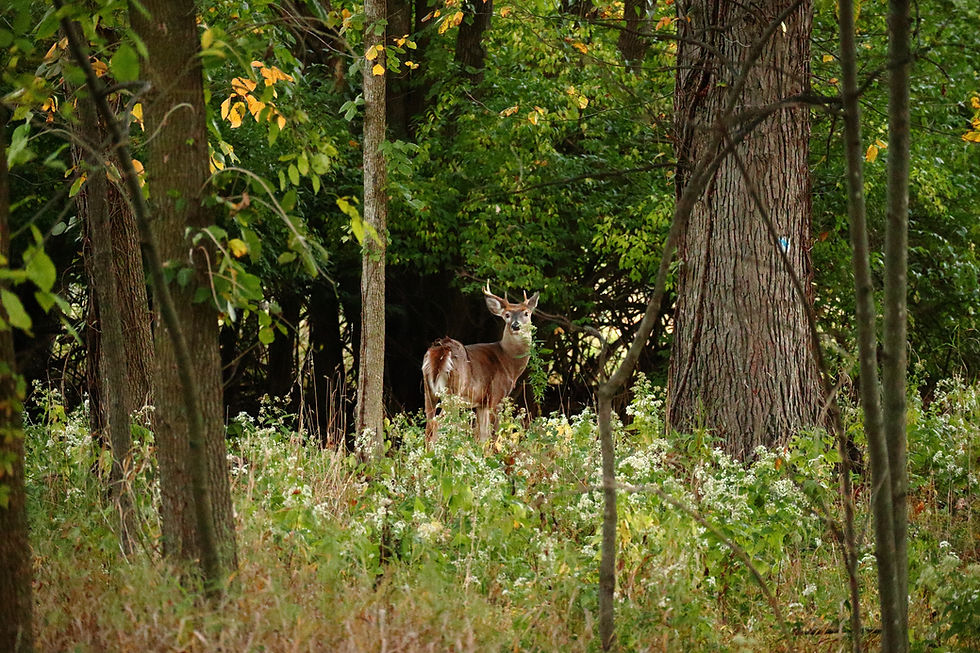
The Altamaha River is one of the great, undersold whitetail stories in the Southeast. It drains a quarter of Georgia. It runs free and wide for more than a hundred miles to the coast. Its bottomland swamp grows mature bucks in flooded hardwoods that most hunters never see. Yet type "Altamaha River deer hunting" into a search bar and the results thin out fast. That gap is the opportunity this guide is about.
Pine and Marsh works with hunting outfitters, guides, lodges, and camps across the Southeast. Our philosophy is simple. What you have built deserves to be found. If you run a guided camp or a lease operation on the Altamaha, the river itself is a search term nobody has truly claimed. This guide shows you how to own it, how to book hunters from it, and how to stay visible as search moves toward AI answers.
Why the Altamaha River Is a Marketing Opportunity, Not Just a Hunting One
The Altamaha is formed where the Oconee and the Ocmulgee meet near Lumber City. From there, it flows southeast through some of the largest contiguous bottomland-hardwood forest left on the Atlantic coast. The river-swamp corridor is wide. It floods. It holds deer that grow old in cover few hunters can reach. For an operator, that biology is a product. For a marketer, the thin search results are the real prize.
Most river systems in the Southeast already have a few operators ranking for their names. The Altamaha does not, at least not strongly. The phrase "Altamaha River deer hunting" returns a scattered mix of public-land pages and forum threads. There is no clear operator answer. That is rare. When a high-intent search term has no obvious owner, the first operator to publish real depth can take it and hold it for years.
This matters because river-name searches are intent-rich. A hunter typing "Altamaha River deer hunting" is not browsing. They are planning. They want to know where to hunt, who guides it, and how to book. If your operation answers that question better than anyone else, you do not just rank. You convert. The river's name becomes your front door.
Understanding the Altamaha Swamp Deer Product You Are Selling
Before you market it, you have to name it clearly. The Altamaha swamp deer product is not a foodplot-and-feeder operation on dry pine ground. It is big-river bottomland hunting. That means flooded hardwood flats, oak ridges that island up out of the swamp, cypress sloughs, and river edges where deer move along the high ground. The hunting style follows the water. So should your story.
Buyers need to understand what makes this different from a typical Georgia lease. The swamp filters out casual hunters. Access can mean a boat, a side-by-side, or a long walk in wet country. The reward is mature deer that have never seen heavy pressure. When you describe your operation, lean into that filter. The difficulty is a feature. It is what protects the deer and what makes a hunt here feel earned.
Be specific about your terrain in plain language. Name the river-swamp hardwoods. Name the flooded bottoms after fall rains. Name the oak ridges and the transition lines deer use. Hunters and AI search engines both reward specificity. Vague pages about "great Georgia deer hunting" disappear. Pages that describe Altamaha bottomland-swamp whitetail terrain in detail get found and get trusted.
Your product also includes how a hunt is run. Do you offer guided camps with lodging and meals? Do you lease ground by the season? Do you mix both? Each of these is a different buyer with a different search path. A guided-hunt buyer wants an experience. A lease buyer wants ground and autonomy. Your site should answer both clearly so neither one bounces.
Owning the Search Term: How to Rank for Altamaha River Deer Hunting
The core move is to build one deep, authoritative page that targets "Altamaha River deer hunting" directly. Not a thin paragraph buried on a homepage. A real page. It should carry the river name in the title, the URL, the first paragraph, and the headings. Search engines need to see that this page is unambiguously about Altamaha River deer hunting, and that it answers the question fully.
Depth wins thin SERPs. Because no operator has truly claimed this term, you do not need to outspend anyone. You need to out-explain them. Cover the river system, the swamp terrain, the seasons, the access logistics, and what a hunt looks like. Answer the questions a hunter would actually ask. When a search term has no strong incumbent, the most thorough page usually wins by default.
Build supporting pages around the core page. One on Altamaha swamp deer behavior. One on booking a guided river-bottom hunt. One on leasing ground along the river. Each supporting page links back to the main term page. This cluster signals topical authority. Search engines learn that your site is the place to go for Altamaha deer hunting, not just one shallow mention.
Use the river name consistently but naturally. Write "Altamaha River deer hunting" where it fits and write "the Altamaha" or "the river swamp" elsewhere. Forced repetition reads badly to humans and now to algorithms too. The goal is a page that a real hunter would happily read and that a search engine can clearly classify. Both audiences reward natural, specific language.
Local SEO and Google Business Profile for a River Operation
A river operation still has a physical anchor. That might be a camp, a lodge, a boat ramp meeting point, or a check-in location. Claim and complete a Google Business Profile for that anchor. Name the nearby towns. Operators along the lower Altamaha can refer to places such as Jesup, Ludowici, Darien, and Baxley. Those town names help local search connect your operation to the region.
Local SEO and river-name SEO work together. Someone may search "deer hunting near Jesup, Georgia," or "Altamaha River deer guide," or "South Georgia swamp deer hunt." Your pages should cover all three intents. The river's name pulls in planners from across the country. The town names pull in regional hunters. A complete profile and consistent business information across the web tie them together.
Get your name, address, and phone number consistent everywhere they appear. Inconsistent listings confuse local ranking. Add real photos of your camp, your boats, your swamp, and your deer. Photos signal that you are a real operation, not a placeholder page. For a remote river operation, visible proof of place is one of the strongest trust signals you can offer.
The Booking Funnel: Turning Searchers Into Booked Hunters
Ranking is only half the job. The other half is conversion. A hunter who lands on your Altamaha page should know within seconds what you offer, where it is, and how to book. Lead with a clear statement of your product. Then make the next step obvious. A booking inquiry form, a phone number, and a simple call to action should be visible without having to scroll far.
Reduce friction at every step. River hunts raise practical questions. How do I get to the swamp? What do I need to bring? Is lodging included? What happens if the river floods? Answer these on the page before the hunter asks. Every unanswered question is a reason to close the tab. Every answered question moves them closer to hitting submit.
Capture inquiries even when hunters are not ready to commit. Many will research a season ahead. Offer a way to join a list, request availability, or download a simple overview of the hunt. An email capture turns a one-time visitor into someone you can follow up with. For a seasonal product like deer hunting, that long lead time is normal and worth planning for.
Make rebooking easy for the hunters you already have. A river-swamp operation lives on repeat clients and referrals. After a hunt, follow up. Ask for a review. Offer next season early. A satisfied hunter who booked through your own site is worth far more than one funneled through a marketplace that owns the relationship. Your booking funnel should be built to keep that relationship yours.
Getting Found in AI Search and Answer Engines
Search is shifting. More hunters now ask AI assistants and answer engines questions like "where can I hunt deer on the Altamaha River" or "who guides swamp deer hunts in South Georgia." These systems pull from pages that are clear, structured, and specific. If your site answers the question directly and in plain language, you become a source the AI can cite. If it does not, you are invisible to this new front door.
Write for the question, not just the keyword. AI answer engines favor content that reads like a direct answer. A page that plainly states what you offer, where, and how to book gives these systems clean material to quote. Structured headings, clear FAQ sections, and factual specificity all help. The thin Altamaha SERP that helps you in classic search helps you even more here, because answer engines have few sources to choose from.
Use schema and structured data to make your meaning explicit. Marking up your page as an article, your FAQ as an FAQ, and your business as an organization helps machines understand and trust your content. This is not a trick. It is a translation. You are telling search systems exactly what your page means so they can confidently surface it. For an underclaimed term, that confidence is often the deciding factor.
Photography and Storytelling for a Swamp Deer Operation
The Altamaha swamp is photogenic in a way that sells itself. Cypress water at first light. A buck slipping along an oak ridge. A flooded bottom under fog. Real photography of your actual ground does more selling than any list of features. Use owner photography and honest stock where needed. Avoid generic imagery that could be any deer camp anywhere. Place matters here.
Tell the story of the river, not just the hunt. Hunters book experiences, not transactions. The Altamaha has history, biology, and character. Folding that into your content makes your operation memorable and gives search engines more rich, specific material to index. A page that conveys what it feels like to hunt this swamp will always outperform a dry spec sheet, both with humans and with algorithms.
Video earns trust faster than text for a remote product. A short clip of the boat ride in, the camp, and the swamp at dawn answers questions words cannot. It proves the place is real and worth the trip. Short videos also perform well in social feeds and, increasingly, in search results. For an operation hunters cannot easily visit before booking, seeing it move is powerful.
Seasons, Regulations, and Responsible Claims
Always attribute seasons, limits, and rules to the Georgia DNR Wildlife Resources Division. Regulations change. Zone dates, bag limits, weapon seasons, and any antler rules should be confirmed against current GA WRD publications, not stated as permanent fact. Tell hunters plainly to confirm current regulations before they hunt. This protects your credibility and keeps your content accurate over time.
Never fabricate records, prices, or guarantees. It is tempting to claim a big-buck reputation in print. Resist anything you cannot back up. Describe your terrain and your style honestly. Let real photos and real reviews carry the proof. Hunters and answer engines both punish exaggeration once it is caught. A reputation built on honest specifics lasts far longer than one built on hype.
Frame the river-swamp setting responsibly. The Altamaha is a working ecosystem. Conservation, sustainable harvest, and respect for the resource are part of the modern hunting story. Operations that demonstrate genuine stewardship earn the trust of hunters who care about the sport's future. That trust converts. It also aligns your brand with the long-term health of the very product you sell.
Building Content Depth Around the Altamaha River System
One page can claim a term, but a cluster of pages defends it. Think of your Altamaha content as a small library, not a single flyer. The hub page targets the main term. Around it sit pages on swamp deer movement, river access and boats, the rut in bottomland country, and what a typical hunt week looks like. Each one captures a long-tail search and feeds authority back to the hub.
Long-tail searches add up faster than most operators expect. A hunter might search for tree-stand strategy in flooded timber, or how the rut shifts in coastal-plain Georgia, or what gear a swamp hunt demands. Each of those is a low-competition question with real intent behind it. Answering them well attracts hunters who are already in planning mode and close to booking.
Update your content as seasons turn. A page that was written once and never touched slowly loses ground. Refresh your hub page each year with current observations, fresh photos, and any changes in how you run hunts. Search engines reward pages that stay alive. Hunters trust an operation that clearly pays attention to its own ground rather than letting its site go stale.
Pricing Transparency and Trust on a River Operation Page
Hunters increasingly expect some pricing information before they inquire. You do not have to publish a rigid rate card, and you should never fabricate numbers. But silence about cost leads some buyers to assume the worst or move on. A clear range, a starting point, or an honest note that hunts are quoted by length and group size gives buyers enough to act on without locking you in.
Transparency builds trust faster than polish. When a page explains what is included, what is not, and roughly what to expect, the hunter feels respected. That feeling carries into the booking conversation. Operations that hide every detail until a phone call often lose buyers who simply wanted to know whether the trip fit their budget before investing the time to call.
Frequently Asked Questions
What is Altamaha River deer hunting?
Altamaha River deer hunting refers to pursuing whitetail deer in the bottomland-hardwood swamp along Georgia's Altamaha River. The hunting follows flooded hardwood flats, oak ridges, and cypress sloughs in big-river country. It is a distinct style from dry upland Georgia hunting and tends to filter out casual pressure.
Where is the Altamaha River in Georgia?
The Altamaha forms where the Oconee and Ocmulgee rivers meet near Lumber City. It flows southeast through South Georgia toward the coast near Darien. The corridor passes near towns like Baxley, Jesup, and Ludowici. It is one of the largest free-flowing river systems on the Atlantic coast.
Why is the Altamaha a good marketing opportunity for an outfitter?
The search term Altamaha River deer hunting has a thin, unclaimed set of results. No operator strongly owns it. That means a single deep, well-built page can rank and convert without heavy competition. High-intent river-name searches reward the first response that fully answers them.
How do I rank for Altamaha River deer hunting?
Build one deep page that targets the term directly in the title, URL, and headings. Cover the river, the swamp terrain, the seasons, and how to book. Add supporting pages on swamp deer behavior, guided hunts, and leases, with links back. Depth and specificity win within search results.
What makes swamp deer hunting different from the market?
Swamp hunting means flooded bottoms, boat or side-by-side access, and mature deer in hard-to-reach cover. The difficulty is a selling point, not a drawback. Marketing should lean into the filter that keeps pressure low and the deer wild rather than hiding it.
Should I offer guided hunts, leases, or both?
Both are valid, and each attracts a different buyer. Guided-hunt buyers want an experience with lodging and a guide. Lease buyers want ground and autonomy. If you offer both, your site should clearly separate the two paths so neither buyer gets confused and bounces.
How does local SEO help a river operation?
Local SEO connects your operation to nearby towns like Jesup, Baxley, and Darien through a complete Google Business Profile and consistent business listings. River-name SEO pulls planners from across the country. Together, they capture both national and regional searches.
How do I turn searchers into booked hunters?
Make your product, location, and booking step obvious within seconds of landing. Answer practical river-hunt questions on the page. Offer an inquiry form, a phone number, and an email capture for hunters researching ahead. Reduce friction at every step of the funnel.
How do I get found in AI search?
Write clear, direct answers to hunters' questions, use structured headings and FAQs, and add schema markup. Answer engines favor specific, well-structured pages. Because the Altamaha SERP is thin, answer engines have few sources, which makes a strong page easy to cite.
What kind of photography should I use?
Use real photography of your actual ground. Cypress water at dawn, flooded bottoms, oak ridges, and genuine harvest photos sell the place. Avoid generic deer-camp stock. For a remote operation, visible proof of place is one of your strongest trust signals.
How should I handle seasons and regulations in my content?
Attribute all seasons, limits, and rules to the Georgia DNR Wildlife Resources Division and tell hunters to confirm current regulations before hunting. Regulations change, so never state dates or limits as permanent facts. This keeps your content accurate and credible.
Should I rely on booking marketplaces or my own site?
Marketplaces can add reach, but they own the customer relationship and often the rebooking. Your own site and booking funnel keep that relationship yours. The strongest approach is to use marketplaces as supplemental reach while making your own page the place that owns the river name.
How do I keep hunters coming back?
Follow up after every hunt, ask for reviews, and offer next season early. A river-swamp operation lives on repeat clients and referrals. Hunters who booked directly through your site are far more valuable than those funneled through a third party that controls the contact.
Work with Pine and Marsh
Pine and Marsh helps Southeastern outdoor operators get found. We work with hunting outfitters, guides, lodges, and camps that have built something real and want it to show up when hunters search. For an Altamaha River deer operation, that means claiming the river name, building a booking funnel that converts, and staying visible as search moves toward AI answers. What you have built deserves to be found.
Many operators today rely heavily on aggregators and marketplaces to fill seats. Platforms like BookYourHunt and GuideFitter connect hunters with outfitters. Mallard Bay handles bookings for hunting and fishing trips. FareHarbor and FishingBooker power reservations across the outdoor industry. Hunting-lease marketplaces match landowners with hunters looking for ground. These platforms have real reach and a real place in the mix.
The risk is leaning on them alone. When a marketplace owns your listing, it often also owns the customer relationship, reviews, and rebooking. You pay for reach but rent the audience. For a product as distinct as Altamaha swamp deer hunting, renting the relationship leaves your best asset on someone else's platform. The river name is yours to claim, and it should live on a site you control.
Our approach is to make your own presence the anchor and treat marketplaces as supplemental. We build the deep, specific pages that rank for terms like Altamaha River deer hunting. We structure your site so answer engines can cite it. We set up the booking funnel and the follow-up that turns searchers into repeat clients. The marketplaces then become an extra reach, not your only door.
We do not fabricate. We do not invent records, prices, or promises. We tell your real story with real photography and honest specifics about your terrain, your camp, and your style. That honesty is what builds trust with hunters and with the AI systems that now shape search. A brand built on real proof outlasts one built on hype every season.
If you run a deer operation on the Altamaha or anywhere across the Southeast, the search term is sitting there largely unclaimed. The first operator to answer it fully will own it for years. We would like to help you be that operator. Reach out to Pine and Marsh to see what owning your river name can do for your bookings.


Comments