
Why We Added Outdoor Hospitality as Our 11th Industry
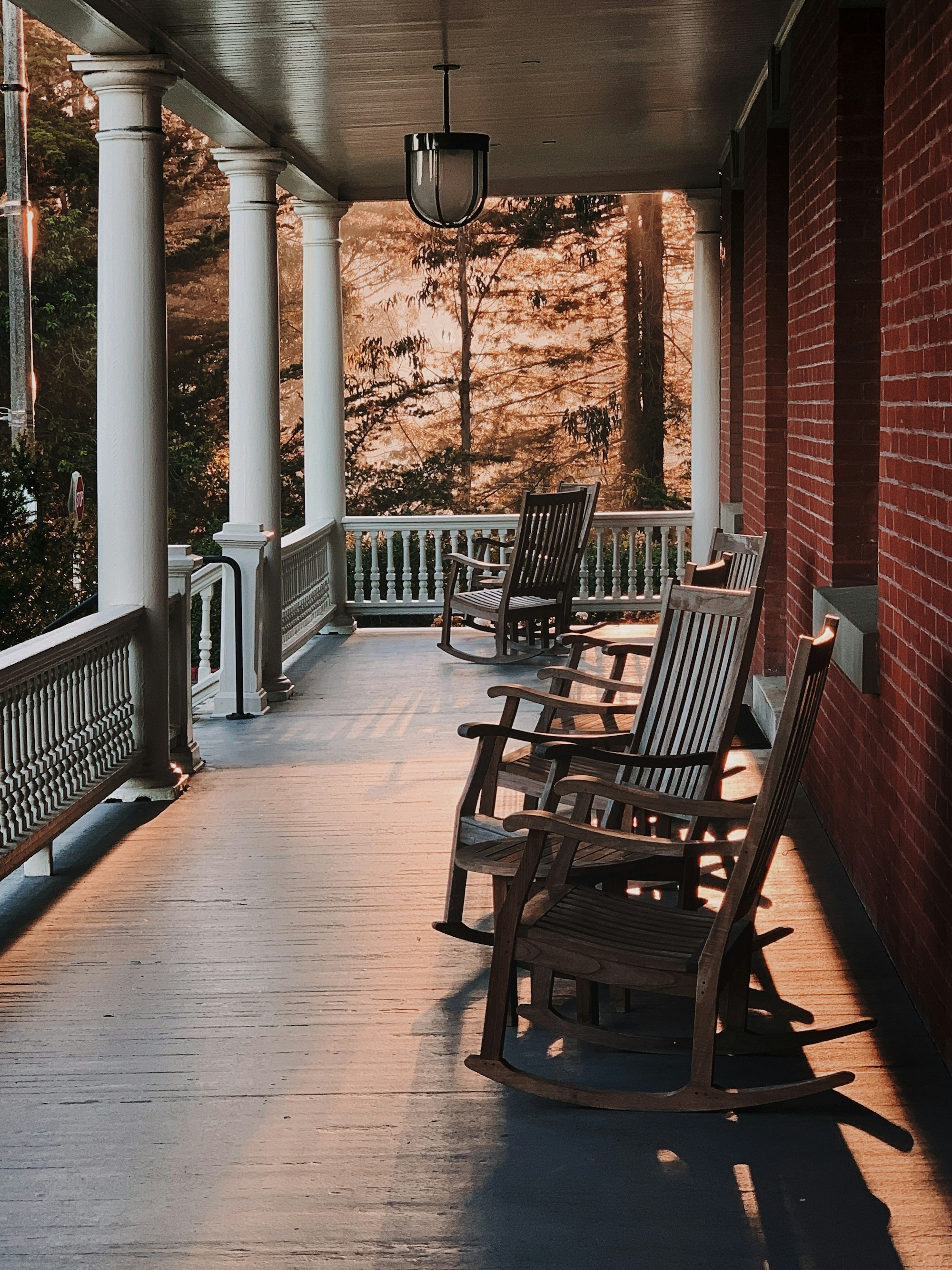
Pine & Marsh now serves eleven industries, not ten. The new one is Outdoor Hospitality: cabins, sporting lodges, inns, bed-and-breakfasts, and managed rentals at Southeastern outdoor destinations.
That needs an explanation, because we told you the opposite. Our essay on why we only serve 10 industries described a list that was not getting longer. We still believe in narrow lists. This post is our reasoning for adding one line to ours, what the line covers, what it leaves out, and what changes for anyone reading the site. We have tried to keep it to things we can show.
What the Original Ten Left Out
The original ten are fly fishing, waterfowl, whitetail, turkey, upland and quail, dove, wild hog, sporting clays, saltwater and offshore, and multi-program sporting lodges. Every one of them is organized around a sport or a sporting property. Multi-program sporting lodges, as our ten-industries essay describes them, are hospitality-forward operations that combine several sports under one roof.
What none of the ten described was a place that sells the stay itself. A cabin on a trout river that runs no guided programs. A small inn near a lake that fills with anglers in spring and leaf-peepers in fall. A managed set of rentals scattered across a mountain county. Those businesses draw the same kinds of guests our plan names for this industry (anglers, hunters, families, couples, and other outdoor travelers), but their marketing problem is the stay, not the hunt or the trip. They did not fit any of the ten cleanly.
So we held the idea up to the same three tests from the ten-industries essay: whether the Southeast is a significant market for it, whether the buyer spends enough to justify serious marketing, and whether we have real fluency in the work. We will be straight about which of those we can footnote. The audit numbers below speak to the market. The fluency test is a judgment we make about ourselves, and you should judge it on our work, not our say-so.
What the Industry Covers, and What It Does Not
Here is the scope card, written down so nobody has to guess. It is dated October 13, 2026, and it reflects our internal plan.
Covered:
Cabin rentals at outdoor destinations
Sporting lodges
Inns
Bed-and-breakfasts
Managed rentals, including a company that looks after several cabins under one brand
Not covered:
Beach resorts
City hotels
RV parks, campgrounds, and glamping
The first two exclusions are the line we drew on purpose. A beach resort and a city hotel run on different guests, different seasons, and different competitors than a cabin near a river or a quail-country lodge. We would be stretching, and a stretched agency is the thing our ten-industries essay warns against.
The third exclusion needs more care, and it is where we expect the most confusion.
A Name That Already Means Something Else
"Outdoor hospitality" is not a phrase we invented. The trade association OHI says on its about page that the Outdoor Hospitality Industry means the RV parks, campgrounds, and glamping businesses it serves. According to OHI's own announcement, dated November 7, 2023, it took that name that week, replacing the former name National Association of RV Parks and Campgrounds.
When we searched Google for "outdoor hospitality marketing agency" on October 13, 2026, the results matched that meaning. The first organic result was an agency whose homepage says its work fills campsites, and a page selling advertising with the association ranked in the top three on both desktop and mobile. No AI Overview and no People Also Ask box appeared on that query that day. Several of the ads on those results were aimed at RV parks and campgrounds.
AI assistants were less settled. When we asked the question "What is outdoor hospitality, and which businesses should an outdoor hospitality marketing agency serve?" that same day, Google's Gemini and Google AI Mode both returned broader lists that included cabins alongside campgrounds, glamping, and RV resorts. ChatGPT would not connect and Perplexity asked us to sign up, so we have nothing to report from those two. Treat assistant answers like these as snapshots from one day, not a settled definition.
We are not using the phrase to mean what OHI means by it. In this post, and on our industry page, Outdoor Hospitality means the lodging list above, set in Southeastern outdoor destinations. If you run an RV park, a campground, or a glamping site, that is not the work we are announcing. Our who we don't serve page already lists glamping and luxury mountain resorts as places we decline, and this announcement does not change that list.
Why Government Classifications Back the Split
There is one more reason we are comfortable drawing the line where we did. The federal classification system treats these businesses as different kinds of lodging.
According to the 2022 NAICS manual, hotels and motels (except casino hotels) are code 721110. Bed-and-breakfast inns are 721191. "All other traveler accommodation" is 721199. RV parks and campgrounds are 721211, and recreational and vacation camps (except campgrounds) are 721214. The Census Bureau's 2022 accommodation questionnaire puts cabins, guest houses, villas, cottage resorts, and hostels under 721199. It puts sporting or recreation camps, including fishing camps, under 721214, and trailer parks, RV parks, and campgrounds under 721211. The NAICS definition of a bed-and-breakfast inn describes short-term lodging in a private home or small converted building, with a full breakfast included in the room rate. The Bureau of Labor Statistics likewise keeps traveler accommodation (7211) separate from RV parks and recreational camps (7212).
We are not saying a government code decides who needs marketing help. We are saying that "outdoor lodging" is not one business. A cabin owner, a fishing camp, and a campground sit in different places in the official taxonomy, and they face different marketing questions. That is a fair reason to name a scope and stick to it.
What the 2026-27 Audit Shows for Lodging and Campgrounds
Here is the evidence we do have from our own data. The 2026-27 audit covers 1,546 private, for-profit operators across eleven states and 97 sub-regions. One of its categories is "Lodging / Campgrounds," with 84 audited operators. A few cautions before the numbers:
The category bundles lodging with campgrounds. It does not isolate cabins, inns, and bed-and-breakfasts, and we did not build a cabin-only or inn-only subset for this post. The figures describe the combined group, which is wider than the industry we are announcing.
The audit is a structured sample, not a census. It tells you about the operators we audited, not about every lodging business in the Southeast.
The website signals come from a homepage scan in October 2026. A booking link or FAQ page on an inner page would not show up, so treat these as lower bounds.
With that said, here are the figures for the 84 audited lodging and campground operators, set beside the figures for all 1,546 audited operators. The score and the own-website figure are shares of operators. The other five are shares of the websites we actually read: 70 in this category and 1,093 across the audit.
Mean digital health score: 5.38 out of 10, against 5.09 for all audited operators
Own website: 92 percent of the 84 operators, against 80.2 percent of all 1,546
FAQ content: 44 percent of the 70 sites read, against 36.9 percent of all 1,093
FAQPage schema: 4 percent of sites read, against 2.0 percent
Newsletter or email signup: 40 percent of sites read, against 32.7 percent
Online booking engine: 10 percent of sites read, against 27.0 percent
Copyright year 2023 or older: 26 percent of sites read, against 25.0 percent
Read that honestly. On most of those signals, the audited lodging and campground operators sit at or above the all-operator figures. We are not announcing an industry because we found a broken one. If anything, the group starts from a stronger place than the average audited operator.
The figure that stands out is the booking engine. Ten percent of the 70 lodging and campground websites we read showed one on the homepage scan, against 27.0 percent of the 1,093 sites read across the audit. Booking engines show up far more often in some other audited categories, so this alone proves nothing about lodging. It does raise the question of whether a guest can book directly or has to be sent somewhere else. We covered the fee side of that choice in the real commission math on direct bookings versus Airbnb and VRBO, and we will not repeat it here.
Notice what this section does not claim. It does not claim lodging owners are doing poorly, and it does not claim the audit predicts anyone's bookings. It says the category is large enough in our data to study, mixed enough that a one-size playbook would miss, and light enough on booking engines that direct booking is a reasonable place to start asking questions.
How This Connects to the Original Ten
The eleventh is not a separate company bolted onto the side. It connects to the ten in three ways.
First, guests. Our plan describes the people who stay at these properties as anglers, hunters, families, couples, and outdoor travelers. Many of them are the same kinds of people the original ten already serve, and a guided trip usually comes with a place to sleep.
Second, the sporting lodge. This is where the lines overlap, and we would rather say so than hide it. A multi-program sporting lodge that sells hunts, fishing, and events under one roof already belonged to the original ten. A property whose main product is the room, the cabin, or the weekend package belongs to the eleventh. Plenty of lodges are both, and those operators should expect us to talk about both sides on the first call. If you are not sure where you fall, that is a fine question for the discovery call.
Third, the approach. The original ten rest on specificity: real seasons, real waters, real species. Lodging at an outdoor destination rewards the same discipline. A cabin page that says "a quiet getaway in the mountains" says nothing. A page that names the river, the drive, the policies, and what a guest can actually do from the porch says something a search engine and a person can use. That is the same craft, aimed at a different buyer.
What Changes for You as a Visitor
Two things, and we will state them without promising anything about results.
An industry page. Outdoor Hospitality has its own page at pineandmarsh.com/industries/outdoor-hospitality, alongside the other industries. It states the scope above in plain terms. Our ten-industries essay and other older posts were written when the count was ten, so read the ten in those posts as the original ten.
A new content track. Our 2026-27 publishing plan includes a run of lodging posts through June 2027, aimed at cabin, lodge, inn, and rental owners. The plan includes topics such as direct booking, defending your lodge name in search, holiday and winter seasons, booking engines and Google's lodging listings, and a post on outdoor lodging marketing for each of our eleven Southeastern states. Plans change, so treat that as a direction, not a schedule. A good example already live is our post on marketing Thanksgiving-to-New Year's cabin stays, and another on taking your branded search back when Airbnb bids on your lodge's name.
That is the whole change. Nothing about how we work shifts. Our five operating commitments apply to this industry the same as the other ten.
A Short Decision Framework for Lodging Owners
Whether you hire us or someone else, a lodging owner choosing a marketing partner can ask the same plain questions. We would rather you ask them of every agency, including us.
Criteria worth looking for:
They can name the specific kind of property you run, not just "hospitality."
They talk about outcomes you can check, such as direct inquiries and booking-page visits, before they talk about posts and impressions.
They tell you in writing what you own, including your domain, your accounts, and your content.
They are willing to say no, and to say which part of your problem they are not the right fit for.
Red flags:
A promise of rankings, a booking count, or a revenue figure. Nobody controls those, and an honest agency will not guarantee them.
A report full of activity (posts published, clicks, impressions) with no line connecting it to a guest who asked about a stay.
A single package presented as the right answer before anyone has looked at your property, your calendar, or your booking setup.
Confusion about which kind of lodging you run. A bed-and-breakfast, a cabin set, and a campground are not the same problem.
Work with Pine & Marsh
If you own a cabin, a sporting lodge, an inn, a bed-and-breakfast, or a managed rental business at a Southeastern outdoor destination, the next step is a discovery call. We will talk about your property, your guests, and how people book today, and we will tell you honestly whether Outdoor Hospitality is the right fit or whether you belong with another agency. No pitch and no pressure. Reach us at pineandmarsh.com/contact.
What you've built deserves to be found.
Frequently Asked Questions
What is Pine & Marsh's Outdoor Hospitality industry?
It is our eleventh industry, covering cabins, sporting lodges, inns, bed-and-breakfasts, and managed rentals at Southeastern outdoor destinations. Beach resorts and city hotels are not covered.
Is this the same thing as the "outdoor hospitality" that RV parks and campgrounds use?
No. The trade association OHI uses the phrase for RV parks, campgrounds, and glamping. We use it for the lodging list above. If you run an RV park or a campground, this announcement is not about your business.
Are RV parks, campgrounds, and glamping included?
No. They are not on our covered list. Our post on who we don't serve already lists glamping and luxury mountain resorts as work we decline, and this announcement leaves that list as it was.
How is this different from multi-program sporting lodges?
A multi-program sporting lodge, which sells hunts, fishing, and events under one roof, was already part of the original ten. Outdoor Hospitality is for properties whose main product is the stay: the cabin, the room, the weekend package. Many lodges are both, and we can talk through which side leads for you on a discovery call.
Does the audit show lodging operators are behind?
Not in general. In the 2026-27 audit, the 84 audited operators in the Lodging / Campgrounds category had a mean digital health score of 5.38 out of 10, against 5.09 for all audited operators. Only 10 percent of the 70 websites we read in that category showed an online booking engine on the homepage scan in October 2026, against 27.0 percent of all sites read. That category includes campgrounds and the scan reads homepages only, so it is a rough signal, not a verdict.
What changes on the Pine & Marsh site?
An Outdoor Hospitality page joins the industries section, and our publishing plan adds a run of lodging posts through June 2027. Older posts written when the count was ten still say ten. Plans and pages can change, so check the site for the current list.
Can you guarantee more bookings?
No. Nobody can honestly guarantee that. We will tell you what we plan to do, what we will measure, and how you can check it for yourself.


Comments