
What Forty Miles Offshore Does to a Corporate Boardroom
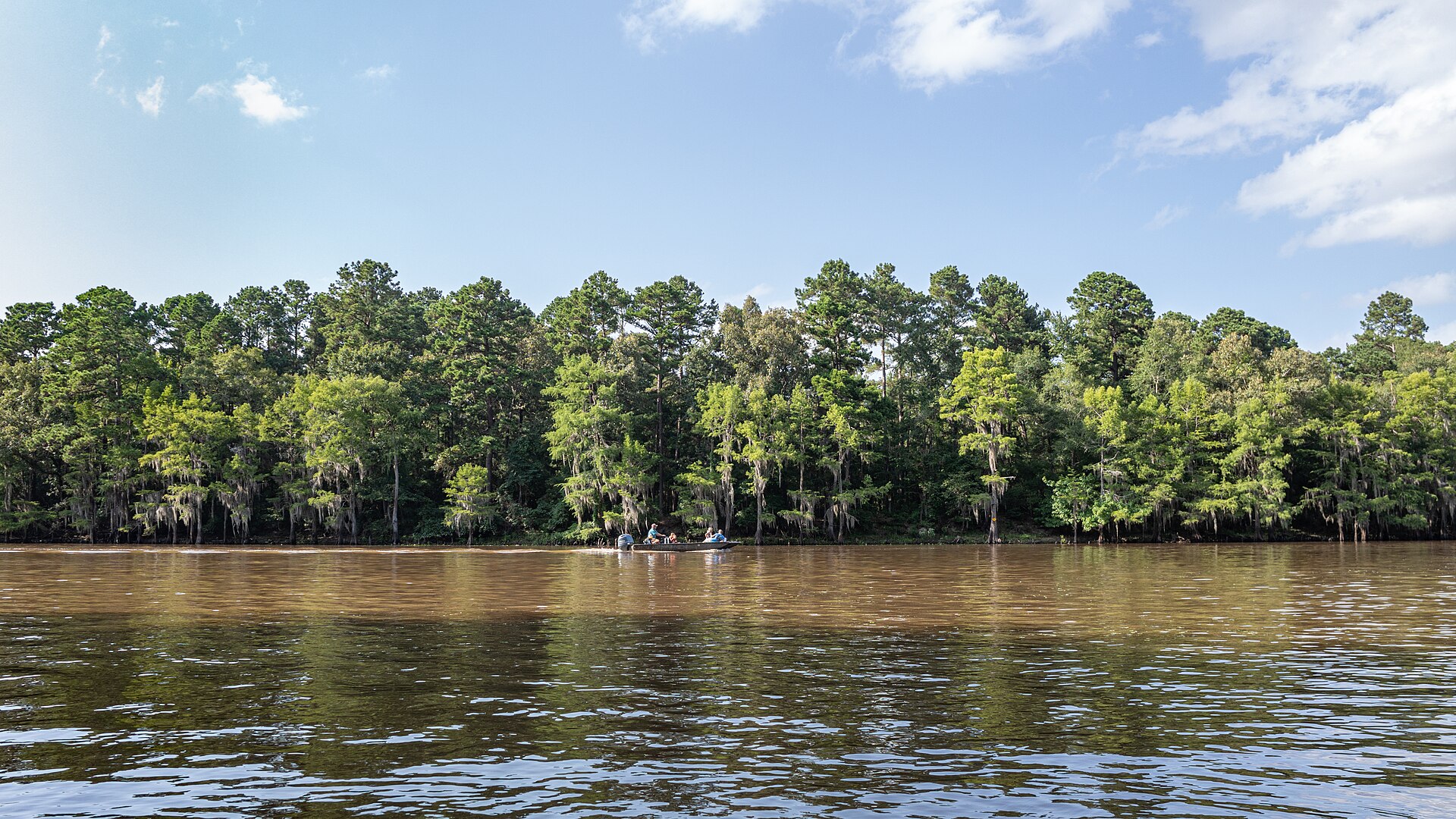
A corporate group forty miles offshore is trapped together in a way almost no other outing format replicates. There's no cart to retreat to, no separate station to drift toward, no polite excuse to step away from a conversation for twenty minutes. A boat is a shared, confined space for the length of the trip, and that confinement does something to a group of coworkers that a golf outing or a clays afternoon simply can't.
This piece considers why offshore and saltwater charters have carved out their own distinct place among corporate outing options -- separate from, and different in character than, the dove hunts and clays afternoons discussed elsewhere in this cluster -- and it does so honestly, including the real tradeoffs that make offshore a specific kind of bet a company makes rather than a default choice the way golf once was.
The comparison matters because a company weighing offshore against dove or clays is making a genuinely different calculation than one simply choosing between two similar options -- weather risk, seasickness, and cost per head all weigh more heavily here than in most land-based alternatives, and an operator marketing to this buyer should understand why that calculation looks the way it does.
The Forced Confinement Is the Whole Point
A golf outing lets a group spread across a cart path, largely in pairs, with plenty of natural breaks in conversation. A clays station rotates people through in a structured sequence with real gaps between turns. An offshore boat offers neither escape -- everyone aboard is present, together, in the same relatively small space, for the length of the trip, whether the fishing is good or slow.
That forced proximity produces a different social dynamic than either land-based alternative. Conversations that might never start in a more spread-out setting happen naturally on a boat, simply because there's nowhere else to direct attention for long stretches. Companies choosing offshore for this reason are often making a deliberate bet on that confinement as a feature, not tolerating it as an inconvenience.
The Collective Adrenaline of a Hookup
A fish hitting the line offshore produces a shared, immediate, physical reaction that spreads through an entire boat at once -- shouting, scrambling, everyone's attention locked on the same rod at the same moment, regardless of who's actually fighting the fish. That collective adrenaline moment has nothing to do with anyone's job title or seniority; a junior employee's hookup gets the same reaction from the group as a senior executive's would.
That's a genuinely leveling moment in a way that's hard to manufacture deliberately in a more controlled corporate setting. It doesn't require anyone to have practiced a skill in advance -- the excitement of a fish on the line is immediate and involuntary, which makes it one of the more reliably shared experiences a corporate outing format can produce.
The Built-In Story Everyone Tells the Same Way
Offshore trips tend to produce a specific, retellable story more reliably than a lot of corporate outing formats -- the one that got away, the fish that surprised everyone, the moment the whole boat was hollering at once. That story becomes shared property of the group afterward, told the same way by everyone who was there, which does real work for team cohesion independent of anything explicitly designed into the trip.
This is part of what distinguishes offshore from a more passive corporate outing option -- the story isn't manufactured by an event planner's script, it emerges organically from whatever actually happens on the water that day, which gives it a kind of authenticity a more curated team-building exercise often lacks.
The Honest Tradeoffs Against Dove and Clays
None of this means offshore is simply the superior corporate outing option. Weather risk is real and largely outside anyone's control -- a trip planned months in advance can be scrapped or made miserable by conditions no one anticipated, in a way a land-based dove field or clays course is far less exposed to. Seasickness is a genuine, sometimes trip-ruining risk for a meaningful share of any given group, and there's no way to know in advance who in a corporate party will be affected.
Cost per head also tends to run higher for a quality offshore charter than for a comparable dove or clays outing, given boat, fuel, and crew costs that don't have a direct land-based equivalent. Taken together, these factors make offshore a specific kind of bet a company makes deliberately, rather than a default, low-risk choice the way a dove hunt or a clays morning increasingly has become.
A company choosing offshore despite these tradeoffs is often doing so because the specific benefits described above -- forced confinement, collective adrenaline, a naturally emerging shared story -- are worth the added risk and cost for that particular group or occasion. That's a real, deliberate choice, not a default one, and it's worth an operator understanding the difference when marketing to this buyer.
What This Means for How a Charter Operation Should Market to This Buyer
A corporate buyer weighing offshore against dove or clays is thinking explicitly about tradeoffs -- weather exposure, seasickness risk, cost -- in a way a buyer already committed to one format isn't. A charter operation that acknowledges those tradeoffs honestly, rather than glossing over them, tends to build more credibility with this particular buyer than one selling purely on the appeal of the experience.
Practical, honest information matters more here than it does for lower-risk formats: clear weather contingency policies, honest discussion of seasickness and how the operation handles it, and transparent pricing relative to what a comparable dove or clays outing would cost. A buyer making this specific, higher-stakes bet is looking for reassurance on exactly those points, and an operator who provides it directly is speaking to the actual decision this buyer is making.
Related Reading
More for operators building the same kind of page -- clays courses and dove outfits that need a specific answer, not another brochure paragraph.
The Blind Was Built for One Kind of Hunter. She Showed Up Anyway.
Who Taught You to Cast? Increasingly, Nobody in Your Family.
Three Generations, One Blind: The Return of the Family Hunting Trip
Bringing the Whole Family to the Duck Camp, Not Just the Hunters
What a Wellness Retreat Looks Like When It's Held in a Duck Blind
Frequently Asked Questions
Is there data on corporate spending on offshore charters compared to other outing types?
No reliable, published figure specifically compares corporate spend across these categories. This piece makes a structural, qualitative comparison based on known characteristics of each format rather than citing a specific spending statistic.
Why is offshore fishing described as a 'bet' rather than a default corporate choice?
Because of the real risks involved -- weather that can scrap or ruin a planned trip, seasickness affecting an unpredictable share of any group, and generally higher cost per head -- that make it a more deliberate, higher-stakes choice than a land-based alternative like dove hunting or sporting clays.
What is the International Game Fish Association's role in this piece?
IGFA is a real, established organization central to saltwater fishing and record-keeping culture, named here as relevant background to the sport's broader identity, not as a source of corporate charter booking statistics, which it doesn't publish.
How does offshore fishing compare socially to a dove hunt or clays outing for a corporate group?
Offshore's forced physical confinement on a boat creates a different, more inescapable social dynamic than either land-based format, where participants can naturally spread out. That confinement is often a deliberate feature companies choose offshore for, not simply a side effect.
What are the biggest practical risks of booking an offshore trip for a corporate group?
Weather risk that can scrap or degrade the trip with little advance warning, seasickness affecting an unpredictable portion of any group, and generally higher cost per head compared to land-based alternatives like dove or clays outings.
Should a charter operation try to downplay weather and seasickness risk when marketing to corporate buyers?
No -- this piece argues the opposite. A buyer weighing offshore against other options is specifically trying to assess these risks, and an operator who addresses them honestly and directly, including concrete contingency policies, builds more credibility than one who glosses over them.
Is offshore fishing becoming more popular than dove or clays for corporate outings?
There's no data cited here supporting a claim that one format is overtaking another. This piece treats offshore as a genuine, distinct option alongside dove and clays, each suited to different company preferences and risk tolerances, not as a competition with a clear winner.
What makes a fish hookup such an effective team-building moment?
Its immediacy and involuntary nature -- the whole boat reacts together the instant a fish hits, regardless of job title or who's actually holding the rod, producing a genuinely shared, leveling moment that doesn't require any prior skill or preparation from the group.
Does this piece recommend a specific pricing structure for corporate offshore charters?
No -- this piece doesn't prescribe specific pricing, which is a separate, tactical decision each operator has to make based on their own costs and market. It does argue that transparent pricing relative to comparable alternatives matters to this particular buyer's decision process.
What should a charter operation's marketing actually emphasize to a corporate buyer?
Honest acknowledgment of the real tradeoffs -- weather, seasickness, cost -- alongside a clear description of what offshore specifically offers that other formats don't: forced togetherness, shared collective adrenaline, and a naturally emerging story, rather than a generic pitch that ignores the buyer's actual risk calculation.
Work with Pine & Marsh
A corporate buyer coordinating an offshore trip is managing a dozen other people's calendars and a dozen other people's seasickness worries at once -- and most booking funnels are built for a single angler's impulse click.
Booking a corporate offshore charter means coordinating a full boat around other people's schedules, not a single angler's spontaneous decision. 44 Recreation Agency's Email & Booking Funnels service is built for exactly that kind of group logistics, not a solo impulse booking. Reach us at pineandmarsh.com/contact. What you've built deserves to be found.


Comments