
Dressing for a Day on Southern Water: A Layer-by-Layer Guide
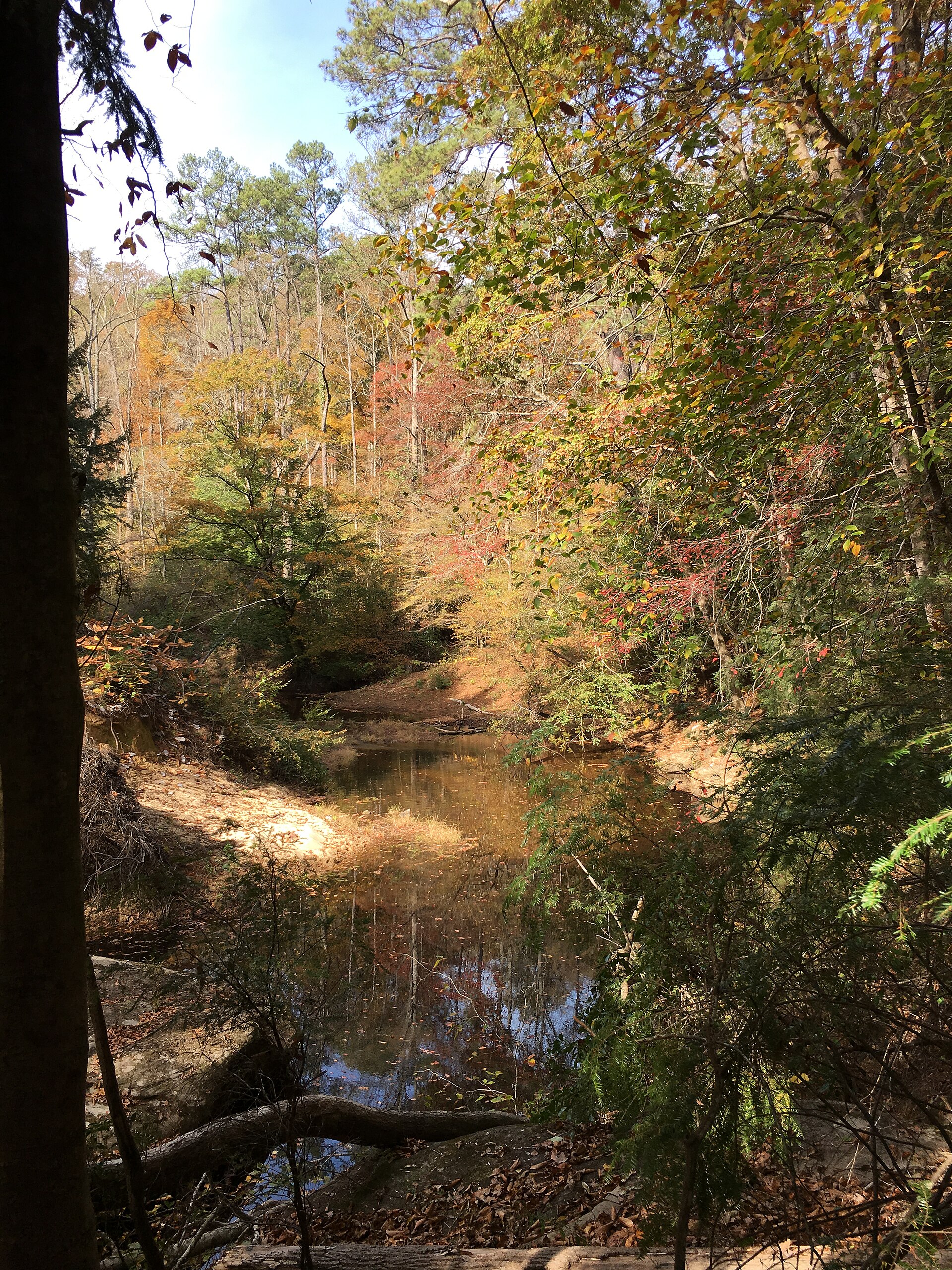
A first-time client searching "what to wear fly fishing" is often met with generic advice built for a different climate entirely -- layering guidance written for a cool mountain morning that doesn't account for a humid Southeastern afternoon where the temperature swings twenty degrees between dawn and noon and a pop-up storm can roll in with almost no warning.
The right version of this page isn't a gear-brand roundup. It's a function-first explanation: what each layer is actually for, why the Southeast's specific climate texture -- humidity, sun intensity, afternoon convective storms -- shapes the answer differently than it would in a drier or cooler region, and what a client genuinely needs to be comfortable and safe for a full day on the water.
Done well, this page removes one more small barrier between a curious first-timer and an actual booking, without turning into a sponsored gear list or a set of brand endorsements this cluster deliberately avoids.
Sun Protection: The Layer Most First-Timers Underestimate
A full day on open water means hours of direct and reflected sun exposure, often more intense than a first-timer expects, especially reflecting off the water's surface. A long-sleeve, lightweight, sun-protective shirt does more real work here than sunscreen alone -- it's a physical barrier that doesn't wear off or need reapplication through a long day.
A wide-brim hat or a cap with a neck flap protects areas sunscreen application commonly misses, and polarized sunglasses -- covered in their own page in this cluster -- do double duty as both sun protection and a genuine fishing tool for spotting fish and structure beneath the surface.
None of this needs to be brand-specific to be useful. State the function -- lightweight, breathable, sun-protective fabric -- and let the reader shop accordingly, rather than naming specific products this page has no basis to endorse.
Managing Humidity and Heat Without Overdressing
The Southeast's humidity is a genuinely different challenge than dry heat elsewhere, and clothing that works well in an arid climate can feel miserable here. Quick-dry, moisture-wicking fabrics matter more in this region than in drier ones, because sweat that doesn't evaporate efficiently in humid air stays uncomfortably damp far longer.
This is also where the wet-wading-versus-waders distinction (covered on its own page) intersects with clothing choice -- on a wet-wade day, quick-dry shorts or pants paired with wading boots replace the layering considerations a wader day requires, and the clothing recommendation shifts accordingly.
The Afternoon Storm: A Real Southern Texture, Not a Worst-Case Scenario
Afternoon convective thunderstorms are a genuine, common feature of Southeastern weather during warmer months -- not a rare worst-case scenario to plan around defensively, but a normal enough occurrence that a packable rain shell belongs in any real packing recommendation for the region. This isn't alarmism; it's honest regional texture that a first-timer from a drier or more temperate climate might not anticipate.
A lightweight, packable rain shell that compresses small enough to carry without adding real bulk is worth naming specifically as a functional category, distinct from a heavier all-weather jacket that might be overkill for a summer afternoon shower but genuinely necessary layered under other gear in cooler months.
Building the Layer-by-Layer Page
Structure this around function, not a shopping list: a base layer for moisture management, a sun-protective mid-layer, a packable rain shell, and footwear/wading gear (linked to its own dedicated page). For each, state the functional requirement -- quick-dry, breathable, sun-protective, packable -- rather than a specific product or brand, keeping the page useful regardless of what a reader already owns or is willing to buy.
Note seasonal variation honestly: a summer trip's clothing list looks meaningfully different from a late-fall or winter trip's, and a page that tries to cover the whole calendar in one undifferentiated list undersells the real variation. Consider a short seasonal note or split rather than one flat recommendation.
Close by linking to the wet-wading/waders page, the footwear page, and the full packing list, so a reader who lands here for the clothing question can move naturally to the related gear questions this page doesn't fully answer.
Related Reading
More for operators building the same kind of page -- clays courses and dove outfits that need a specific answer, not another brochure paragraph.
What's Actually in the Guide's Truck: Gear You Don't Need to Own
The Wader Question: Loaner Gear, Wet Wading, and What Your Guide Actually Stocks
Leave the Fly Box at Home: Why Your Guide Ties On the Day's Pattern
Wet Wading or Waders: What the Southeast's Long Warm Season Actually Demands
The License Is Yours to Buy: A Straight Answer on Guided-Trip Paperwork
Felt, Rubber, or Borrowed: Getting Your Footing Right Before You Wade In
The One Piece of Gear Every Guide Insists On: Polarized Sunglasses, Explained
Show Up Empty-Handed: Why Owning Nothing Is Not a Barrier to Booking
Wade Trip or Float Trip: How the Packing List Actually Changes
Frequently Asked Questions
What's the single most important clothing item for a Southeastern guided trip?
Sun protection -- a lightweight, long-sleeve, sun-protective shirt does more consistent work across a full day on open water than almost anything else on the list, especially given how much sun reflects off water's surface.
Do I really need a rain shell if it's not forecast to rain?
Yes, in most Southeastern seasons -- afternoon convective thunderstorms are a normal, common regional weather pattern that doesn't always show up clearly in a morning forecast. A packable rain shell is cheap insurance against a genuinely common occurrence here, not overpreparation.
Why does humidity matter so much more here than in drier climates?
Because sweat and moisture don't evaporate as efficiently in humid air, so fabric that performs fine in a dry climate can feel uncomfortably damp for hours in the Southeast. Quick-dry, moisture-wicking fabric matters more here specifically for that reason.
Should I dress the same way for a wet-wade trip as a waders trip?
No -- a wet-wade day typically means quick-dry shorts or pants and wading boots without the layering a wader trip requires underneath. Check the wet-wading-versus-waders page in this cluster for that specific comparison.
Does clothing advice change much by season here?
Yes, meaningfully -- a summer trip's needs (sun and heat management) look different from a late-fall or winter trip's (warmth and layering). A single flat clothing list for the whole year understates that real seasonal variation.
Is cotton clothing a bad choice for a guided trip?
Cotton generally performs poorly when wet -- it stays damp and can feel uncomfortably cool, especially in cooler months. Quick-dry synthetic or technical fabrics generally handle a day on the water more comfortably than cotton does.
Do I need specialized fishing-brand clothing, or will regular outdoor gear work?
Function matters more than brand -- quick-dry, sun-protective, breathable clothing from any reputable outdoor brand generally serves the same purpose as fishing-specific labeled gear. This content deliberately avoids endorsing specific brands.
What should I do if the weather looks uncertain on trip day?
Pack for the layer-by-layer approach described here regardless of the initial forecast, since afternoon weather in the Southeast can shift quickly. Your guide will also have real-time judgment about conditions and can advise on the day.
Work with Pine & Marsh
A clothing page written for a different climate leaves a first-timer packing wrong for the one they're actually flying into.
A function-first, regionally honest clothing page is a small but real piece of Content & Editorial Program work -- the kind that keeps a first-timer comfortable and confident instead of surprised. If your site's gear advice reads generic, that's worth a conversation at pineandmarsh.com/contact. What you've built deserves to be found.


Comments