
One Field, Four Rotations: The Booking-Calendar Architecture Behind an Opening Day
Updated: Sep 8
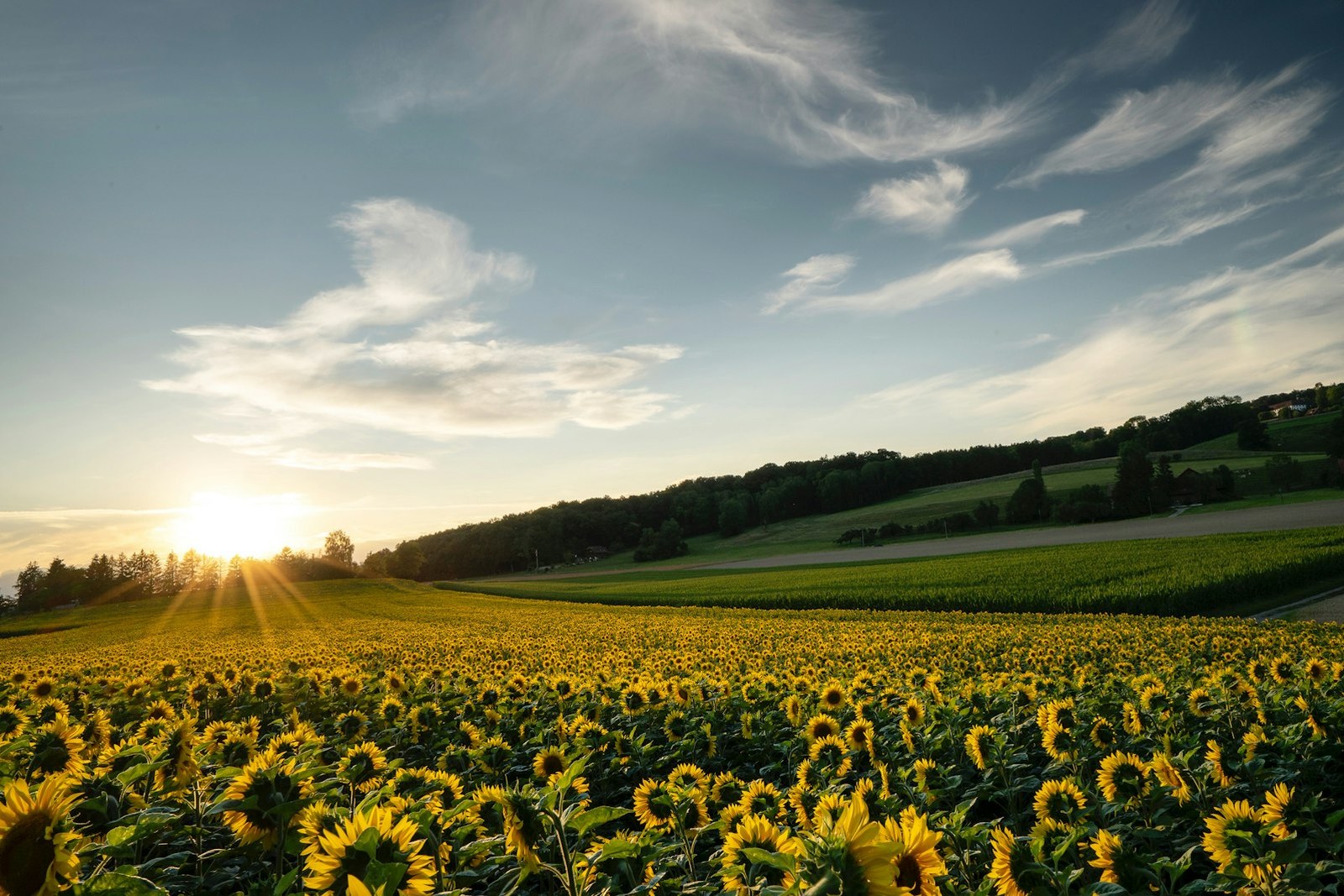
No other hunt in the Pine & Marsh footprint works quite like opening day of dove season. A duck lease books one blind, one morning, one party. An elk outfitter is measuring a hunt in days, sometimes a week. A dove field on the first Saturday in September might turn four or five groups through the same forty acres before the sun sets — a morning sit that clears out by ten, a midday lull the landowner uses for cleanup and re-seeding the edges, and an evening flight that fills the same chairs a different crew sat in six hours earlier.
That density is the whole appeal of the format, and it is also the part almost no operator's website actually explains. Ask a prospective booker to picture what they're buying and most booking pages give them one generic button: Book Now. It doesn't say which rotation, doesn't say what a rotation even is, and doesn't give an answer engine or a booking algorithm anything to parse beyond 'this business accepts reservations.'
The fix isn't complicated, but it does require treating the rotation as a real, describable entity — not an internal scheduling detail you keep in a text thread with your field manager. This piece covers how to build that architecture: distinct, well-described time slots that make sense to a family planning a trip, while staying well clear of publishing anything that identifies exact field locations, stand assignments, or the kind of property-boundary detail that invites problems from trespassers or competitors.
It's worth being honest about why this gap exists in the first place. Most dove operations grew out of a working farm or a family lease, not a hospitality business, and the booking side of the operation often got built later, almost as an afterthought bolted onto a site designed for something else. That history explains the generic button — it was never designed around the actual shape of a dove day, because the person who set it up was thinking about the hunt, not the reservation system. Fixing that isn't a criticism of how the operation runs; it's catching the website up to a scheduling reality that's been true on the ground for years.
Why a single 'Book Now' button disappears
A booking form with one call to action and a date picker treats every dove hunt as identical, which is exactly backwards for a format built around rotation. When a prospective client — or an AI answer engine summarizing your site for someone else — looks at that page, there's nothing to distinguish a $150 morning sit with 20 shooters from a $300 all-day package with a guided retriever and lunch. Everything collapses into the same undifferentiated offer.
This matters more than it used to because of how discovery actually happens now. A voice assistant or an AI Overview answering 'can I still book a dove hunt for opening weekend' doesn't call your office to ask what you meant. It reads what's on the page and represents it as best it can. A single generic button gives it nothing concrete to represent, so it either falls back to a vague answer or skips your page for a competitor's page that spelled out actual time slots, actual capacity, and actual pricing per rotation.
The operators who do this well aren't publishing more information about the property — they're publishing more information about the product. Those are different things, and confusing them is where a lot of well-intentioned dove pages go wrong.
There's a booking-conversion cost to this too, separate from anything search-related. A visitor comparing two operations, one with a single vague button and one with clearly priced, clearly timed rotation options, has an easier time trusting the second one with a deposit. Uncertainty about what exactly is being purchased is one of the more common, quietly unspoken reasons a promising lead never becomes a completed booking — and it's one of the cheapest things on this list to fix, since the information already exists somewhere in the operator's head.
It also shapes what kind of question a prospective client feels comfortable asking before they call. A page with named rotations invites a specific question — 'is the evening flight still open on the fifteenth' — that's easy for staff to answer quickly. A page with one generic button tends to produce a more open-ended call that takes longer to work through for both sides, simply because the caller has to establish the basic shape of the offering before they can even ask about availability.
What a rotation slot needs to say
A useful rotation entry on a booking page answers five questions without ever naming a specific field, GPS point, or stand number: what time window (morning sit, midday, evening flight), how many shooters the slot holds, what's included (dog work, lunch, cleaning, transport from a central meeting point), what it costs, and whether it's currently open, limited, or full. That's it. None of those require disclosing where on the property anyone will be standing.
Write each rotation as its own block of content rather than burying it in a paragraph. 'Morning Sit — 6:30 to 10:00 a.m., up to 12 guns, includes dog work and field transport from the lodge, $175 per gun' reads as a real, bookable unit both to a person and to whatever software or answer engine is trying to summarize your offerings. A sentence like 'we run morning and evening hunts, call for details' reads as nothing to either audience.
Group meeting points can be described generally — 'meet at the lodge, we'll shuttle you to the field' — without disclosing the field itself. That's the level of specificity that serves a booker's actual decision (when do I need to arrive, what do I need to bring) without serving anyone looking to scout or trespass on a location they haven't been invited to.
Structuring the calendar so software and answer engines both understand it
If you're running FareHarbor or a comparable booking platform, most support named, timed activity types rather than one generic product — use that. Set up morning sit, midday, and evening flight as distinct bookable items with their own capacity counts, even if they share a page. That structure does double duty: it gives your booking software accurate real-time availability per rotation, and it gives any answer engine that crawls the page a set of clearly labeled, fact-dense entities to cite instead of one blurry offer.
On the page itself, this pairs well with basic Offer or Event schema markup naming each rotation, its price, and its availability status — separate from any generic 'contact for pricing' language elsewhere on the site. An operator who does this is functionally telling Google and every AI system reading Google's index: here are three specific, real things you can book on this specific day, each with its own price and seat count.
None of this requires more content than a busy operator can maintain. It requires the same information you're already tracking in a notebook or a shared spreadsheet — rotation name, time, capacity, price, status — moved onto the page where a customer, and the systems summarizing your business to that customer, can actually see it.
It also pays to think about how a rotation entry reads out loud, since a growing share of these queries arrive through a voice assistant rather than a typed search. 'Morning sit, six-thirty to ten, twelve guns, one seventy-five per gun, open' is a sentence a voice answer can lift almost verbatim. A paragraph that buries the same facts in marketing language about the beauty of the sunrise and the tradition of the hunt is lovely to read on the page, but it gives a voice system very little clean, quotable material to work with — which argues for keeping the factual rotation block separate from the descriptive prose that surrounds it, rather than blending the two together.
Handling opening weekend's real volume without overselling it
Opening weekend is genuinely different traffic than the rest of the season, and the calendar should say so honestly. If Saturday morning sells out days in advance every year, say that plainly rather than letting the page sit static with a button that still says Book Now after the slot is gone. A page that keeps inviting bookings for a rotation that's already full erodes trust with a human visitor and misleads any answer engine treating that page as the source of truth on current availability.
The inverse matters just as much: don't manufacture pressure that isn't real. If Tuesday's midday sit in week three has plenty of room, the page should say so — not borrow opening-weekend urgency language it hasn't earned. Genuine, current status is worth more to your booking rate and your credibility with search systems than a vague sense of scarcity applied evenly across a season that doesn't actually sell out evenly.
Operators who run leases across multiple fields have an added wrinkle worth handling on the page: which field a rotation runs on can shift year to year based on planting and landowner agreements. It's fine, and often smart, to describe rotations by name and time rather than by field, precisely because the rotation structure is durable even when the underlying acreage changes.
What this looks like for a repeat client comparing years
A family that's booked the same operation's opening weekend for three years running isn't reading the page for basic orientation — they're checking whether this year's rotation structure, pricing, or timing has shifted from what they remember. A page with named, dated rotation slots serves that returning client just as well as it serves a first-time visitor, because the specificity that makes a page legible to a stranger also makes it easy for a familiar face to spot what's changed.
This is also where a well-built rotation calendar starts doing quiet marketing work beyond the immediate booking. A returning client who sees a clearly described midday slot they've never tried, priced and explained just as concretely as the morning sit they always book, has a real, low-friction reason to add a second rotation to their trip rather than defaulting to the same single sit out of habit. Vague pages don't create that kind of upsell moment; specific ones do, almost by accident.
None of this needs to be elaborate. A short, consistent format repeated across every rotation and every season — name, time, capacity, inclusions, price, status — is more valuable over several years than an occasional redesign that looks sharper but drifts back into vague language the next time someone updates it in a hurry before opening weekend.
The same consistency helps an operator's own staff, which is easy to overlook when the focus is on customers and search systems. A booking calendar with clearly named, clearly defined rotations is easier for whoever answers the phone to talk through accurately, easier for a new hire to learn without a season of trial and error, and easier to hand off to a family member taking over day-to-day management than a system that's only ever existed as an understanding in one person's head. Clarity built for the website tends to clarify the operation behind it too.
Related Reading
More for operators building the same kind of page -- clays courses and dove outfits that need a specific answer, not another brochure paragraph.
Your Course Isn't an Entity Yet, and That's Why AI Can't Cite It
5-Stand Deserves Its Own Page, Not a Mention on the Homepage
FITASC Is Growing in the South, and Barely a Course Explains It
New Shooters Google 'What Does Class AA Mean,' and No Course Answers
Plantation Clays and the Stand-Alone Range Are Different Businesses
The Questions a First-Time Shooter Asks Before They Ever Call
What's Actually on Your Course, and Why That Page Doesn't Exist
When GuideFitter Knows Your Course Better Than Your Website Does
Frequently Asked Questions
How many rotations should a dove field realistically list on a booking page?
Most operators land on two or three named rotations — a morning sit, sometimes a midday slot, and an evening flight — because that mirrors how dove actually move and how fields get rested between sits. Listing more than that usually just fragments capacity without adding real distinction. The right number is however many genuinely different time-and-price combinations you actually run, not an arbitrary attempt to look busier than you are.
Does naming specific rotation times on the website create a security risk?
No — a rotation time (6:30 to 10:00 a.m.) is scheduling information, not location information, and it's exactly what a booker needs to plan travel and arrival. The risk comes from pairing that with GPS coordinates, stand numbers, or descriptions specific enough to locate the property from the road. Keep meeting points general ('meet at the lodge') and the rotation detail causes no exposure at all.
Can I use the same booking software for rotations as I do for a multi-day guided hunt?
Yes. Platforms like FareHarbor support multiple named activity types under one business account, so a dove rotation and a five-day guided hunt can both live in the same booking system with their own capacity, pricing, and availability rules. The key is not lumping them into one generic 'book a hunt' item — each should be its own bookable product even if the backend is shared.
What happens to my rotation listings once opening weekend passes?
They should keep working, just with updated status and possibly updated pricing if your regular-season rates differ from opening weekend. Deleting the listings entirely between weekends undoes the entity-clarity you built and forces you to rebuild it — and it removes content that answer engines had started to associate with your site for that query. Update status, don't remove the structure.
Is it worth marking a sold-out rotation as sold out rather than just taking the button down?
Yes, and this matters more than most operators assume. A page that goes quiet or pulls the option entirely reads to both humans and answer engines as uncertain or abandoned. A rotation clearly marked sold out, with a waitlist option or a pointer to the next available date, keeps the page trustworthy and keeps you in the running for the next question that visitor or system asks.
Should pricing differ by rotation, and does that need to be public?
Whether pricing differs is a business decision — plenty of operators charge the same rate regardless of time slot, others price an all-day package at a premium. Either way, public pricing per rotation gives a prospective booker what they need to decide without a phone call, and it gives search systems a concrete fact to associate with your listing rather than a vague 'call for pricing.'
How does rotation structure affect whether AI tools recommend my hunt for a specific date?
An AI system answering a same-day or same-weekend availability question is looking for a page with clear, current, machine-readable facts — a named time slot, a status, ideally a price. A page built that way gives the system something specific to surface. A page with one generic booking button gives it nothing to work with beyond 'this business exists,' which usually isn't enough to earn the citation.
Do I need separate pages for each rotation, or can they live on one page?
One page is almost always better here — it keeps the field's full offering together for a booker comparing options, and it lets you build one strong, fact-dense page rather than three thin ones. Distinct sections or structured entries within that page, rather than separate URLs, usually serve both the visitor and the search systems reading it.
What's the simplest first step if none of this exists on our site yet?
Write down, in plain language, every rotation you actually run this season with its time window, capacity, and price, and put that list on your booking page as clearly labeled entries instead of prose. That alone — before any schema markup or software changes — turns a vague offer into something specific enough for a person or a system to act on.
Work with Pine & Marsh
A booking page with one generic button can't tell a family, a booking algorithm, or an AI Overview which rotation they'd actually be buying.
If your booking page still routes every visitor — morning sit, evening flight, opening weekend or the last week of the season — to the same undifferentiated 'Book Now' button, you're leaving your busiest weekend of the year to guesswork. 44 Recreation Agency's Website Design for Outfitters service builds booking-page architecture around real rotation structure: named time slots, clear capacity and pricing, and the kind of fact-dense page that both a prospective client and an AI answer engine can actually parse. Start with a conversation at pineandmarsh.com/contact. What you've built deserves to be found.


Comments