
How Drone Footage Rewrote the Southern Lodge Brochure
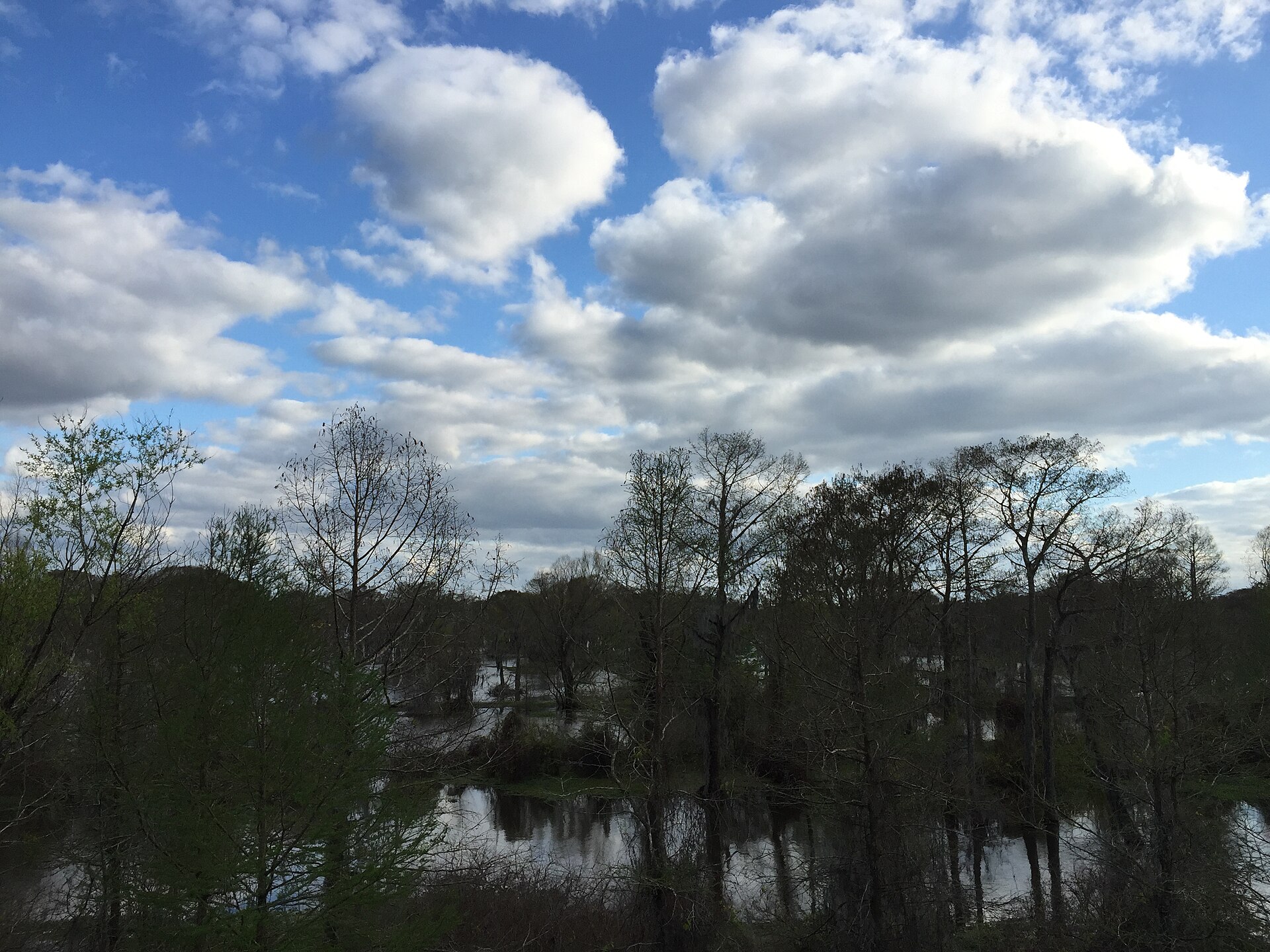
There's a specific shot that's become almost universal in outdoor-lodge marketing over the past several years: the slow aerial pull-back, rising from just above the water or the treeline to reveal the full scale of a property -- flooded timber stretching to the horizon, a boat cutting a clean wake through marsh grass, a lodge sitting small and handsome at the center of acres nobody could previously show in a single frame. It used to require a helicopter and a budget most small operators never had. Now it requires a drone that costs less than a good shotgun.
That's a genuine expansion of what a lodge or outfitter can show a prospective guest before they ever arrive. Ground-level photography, no matter how well composed, struggles to communicate scale and terrain the way an aerial view does instantly -- the sense of a place, not just a moment within it. A single well-shot aerial pass over a property can do more to convey "this is a real, substantial piece of ground" than a dozen ground-level shots of the day's harvest ever could.
It's also, increasingly, become a cliché, and worth naming honestly as one. The orbiting drone shot over a lodge, the slow rise-and-reveal over water, has become so common across outdoor and hospitality marketing generally that it now risks reading as generic rather than distinctive -- another operator's drone footage indistinguishable from every other operator's drone footage, technically impressive and emotionally flat.
This piece looks at both halves of that honestly: what the aerial vantage point actually adds when it's used well, and what an operator actually needs to know, legally, before putting a drone in the air to make marketing content in the first place -- a piece of the picture most operators haven't looked at closely.
What an Aerial View Actually Communicates That Ground Level Can't
Scale is the most obvious thing an aerial shot delivers that ground photography structurally can't. A property that feels impressive walking it in person often photographs as unremarkable from eye level -- trees look like trees, water looks like water, and nothing in the frame tells a viewer how much of it there actually is. An aerial pull-back solves that instantly, showing acreage, water coverage, and terrain variety in a single continuous shot that would take dozens of ground photos to approximate, and still wouldn't fully convey.
Beyond scale, an aerial vantage point communicates something closer to narrative geography -- how a property's pieces relate to each other. Where the lodge sits relative to the water. How a specific field connects to the timber behind it. How a boat's route from the dock actually threads through the marsh it's about to hunt or fish. Ground-level photography shows individual moments; aerial footage shows how a whole property functions as a place, which is a different and genuinely valuable kind of information for a prospective guest trying to picture the experience.
The risk, worth naming plainly, is that this technical capability has become so widely available that the shot itself, used generically, no longer signals anything distinctive about the specific place it's showing. An orbiting aerial shot over a lodge, on its own, has become nearly as common and nearly as devoid of specific meaning as a stock sunset photo. The operators still getting real value out of drone footage are the ones using it in service of a specific story about their specific water, not as a generic technical flex meant to simply look impressive.
Using the Aerial Shot in Service of a Specific Story
The difference between generic drone footage and drone footage that actually works comes down to specificity of purpose. An aerial shot that reveals something a viewer genuinely couldn't understand otherwise -- how a flooded timber hole actually connects to the river system feeding it, how a dove field's shape and tree lines create the specific flight pattern birds actually work, how a saltwater flat's structure looks different at different tide stages -- earns its place because it's communicating real, useful information about this specific operation's specific ground.
An aerial shot that exists purely to open a homepage video with something visually impressive, disconnected from any specific point about the property, is the version that reads as generic regardless of production quality. The fix isn't avoiding aerial footage -- it's asking, before flying, what specific thing about this property an aerial view can show that nothing else can, and shooting deliberately toward that answer rather than simply capturing a pretty establishing shot because every competitor's site has one.
This matters across the verticals where aerial footage has become most common -- saltwater charter marketing showing flats and structure, waterfowl lodges showing flooded timber and field layouts, multi-program destination lodges showing the full scale of a property that hosts several different kinds of trips across a season. In every case, the operators standing out aren't the ones with the most technically polished drone footage. They're the ones whose aerial footage says something specific a viewer couldn't have known without seeing it from that vantage point.
What U.S. Drone Rules Actually Require for Marketing Footage
This is worth stating plainly because it's a genuine, common point of confusion: U.S. small-drone rules split into two tracks, and which one applies depends on the purpose of the flight, not simply on whether money changes hands. The recreational exception, under federal law, covers flying purely for personal enjoyment -- and requires passing a short online safety test called TRUST, registering any drone weighing 0.55 pounds or more, keeping the aircraft within visual line of sight, staying at or below 400 feet in uncontrolled airspace, giving way to manned aircraft, and following remote-identification requirements where applicable.
Flying to produce content meant to help sell a property, a hunt, a charter, or any other service -- which describes almost all lodge and outfitter marketing footage -- falls under a different track entirely, the FAA's Part 107 small-drone rule, which requires the operator to hold a Remote Pilot Certificate. The FAA's own guidance states plainly that lack of payment is not the deciding factor in which track applies, and that operators should assume the commercial track applies whenever there's genuine doubt about the purpose of a flight.
This isn't a minor technicality to skip past. An operator flying a drone to shoot lodge marketing footage under the recreational exception, without a Part 107 certificate, is operating outside the actual rule that applies to that flight's purpose, regardless of how informal or low-budget the shoot feels. Getting a Remote Pilot Certificate involves passing a knowledge test and is a genuinely achievable step for an operator or a hired photographer to take before producing marketing content, and it's worth treating as a real prerequisite rather than an afterthought.
None of this is legal advice, and rules and registration details change -- any operator planning to fly a drone for marketing purposes should confirm current requirements directly on the FAA's own site before doing so. But knowing which track actually applies, and that the recreational exception doesn't cover marketing footage, is the single most important fact in this entire conversation, and it's one a surprising number of operators and even hired photographers get wrong by assumption rather than by checking.
Avoiding the Cliché Without Avoiding the Tool
None of the caution above is an argument against using drone footage -- it's an argument for using it deliberately and, where marketing is the purpose, legally. A well-shot, specific aerial sequence remains one of the more effective single pieces of visual content an operator can add to a website or a video, precisely because it does something ground-level photography structurally can't.
The practical takeaway is simple: before flying, know which regulatory track actually applies to the shoot's purpose, and before editing, ask what specific thing this footage is showing that a viewer genuinely couldn't understand without it. An aerial shot that passes both tests -- legally sound and narratively specific -- does real work. One that passes neither is expensive, risky, and indistinguishable from every other operator's drone footage.
Related Reading
More for operators building the same kind of page -- clays courses and dove outfits that need a specific answer, not another brochure paragraph.
Frequently Asked Questions
Can an outfitter fly a drone under the recreational exception to shoot marketing footage for their business?
No. The FAA's own guidance states that footage meant to help sell a property, hunt, or service falls under the commercial Part 107 rule, not the recreational exception, regardless of whether payment changes hands for the flight itself. When in doubt, the FAA advises assuming Part 107 applies.
What does a Part 107 Remote Pilot Certificate require?
It requires passing a knowledge test administered by the FAA. This piece doesn't provide step-by-step instructions for obtaining one, since specific requirements can change -- operators should confirm current details directly on the FAA's own site.
Does using a drone for lodge marketing actually improve bookings?
There's no sourced data connecting drone footage adoption to booking or engagement outcomes for outdoor operators specifically, so this piece doesn't make that claim. The argument here is about what aerial footage can communicate, not a guaranteed marketing return.
Is drone footage becoming an overused cliché in outdoor and lodge marketing?
It's become extremely common, and a generic aerial establishing shot risks reading as indistinguishable from any other operator's. Footage used in service of a specific, informative point about a particular property tends to stand out more than footage used purely for visual polish.
What's the difference between the recreational and commercial drone rules?
The recreational exception under federal law covers flying purely for personal enjoyment, with requirements like passing the TRUST safety test, registering the aircraft, staying within visual line of sight, and flying at or below 400 feet. The commercial Part 107 rule applies to flights with a business purpose, including marketing content, and requires a Remote Pilot Certificate.
Does a drone need to be registered with the FAA?
Any drone weighing 0.55 pounds or more generally needs to be registered, though the registration type differs between the recreational and Part 107 tracks and isn't transferable between them. Operators should confirm current registration requirements on the FAA's own site.
What kind of aerial shot actually adds value versus feeling generic?
One that reveals something specific about a property a viewer couldn't understand from ground-level photography alone -- how terrain connects, how a specific field or water feature is shaped, how the property functions as a whole. A generic orbiting shot with no specific informational purpose tends to blend into every other operator's similar footage.
Should a small operator hire a professional drone operator instead of doing it themselves?
This piece doesn't make a specific recommendation either way, but whoever flies for marketing purposes -- operator or hired photographer -- needs to be operating under the correct regulatory track for a commercial-purpose flight, which most in-house attempts overlook.
Work with Pine & Marsh
An aerial shot only earns its place in a lodge's marketing if it's telling a story specific to the water underneath it -- otherwise it's just the same orbiting drone shot every other operator already has.
44 Recreation Agency's Photography & Videography service builds aerial and ground footage around what actually makes a specific property distinctive, shot the right way and under the correct regulatory track from the start. See the approach at pineandmarsh.com/contact. What you've built deserves to be found.


Comments