
Checking the Tide From the Truck Before You Leave Camp
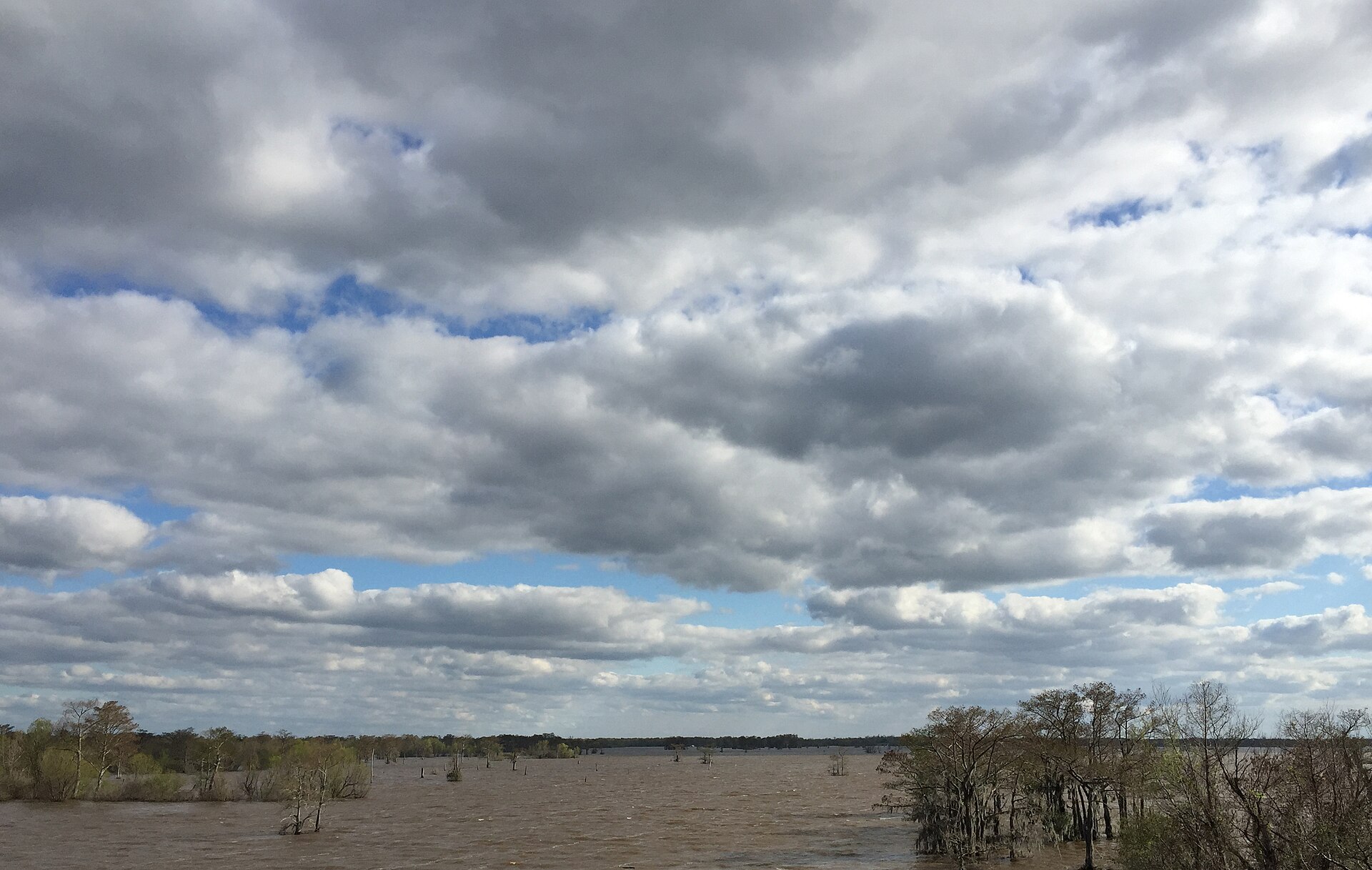
There used to be a specific kind of uncertainty built into any trip that depended on weather or water conditions -- you booked the date, and you found out what you were actually dealing with when you arrived, sky and water speaking for themselves in a way no phone call from a guide could fully substitute for. That not-knowing defined a real part of the experience, for better or worse, right up until the moment a client's own eyes could see for themselves what conditions actually looked like.
That uncertainty has largely dissolved. Tide charts, marine forecasts, and river-gauge data now sit in every pocket, and a client planning a trip can watch conditions build for a full week beforehand -- checking wind direction, tide stage, and forecast changes daily, arriving with informed expectations rather than blind trust in whatever the guide says when they finally show up. The information that used to require a guide's on-the-ground read is now available, in something close to real time, to anyone who wants it.
This is a genuine renegotiation of the guide-client relationship, not simply a convenience layered on top of an unchanged dynamic. The old relationship ran, in part, on "trust me, I know this water" -- a claim that worked because the client had no independent way to evaluate it before arrival. The new relationship runs closer to "we're reading the same data, and I know what it actually means better than you do" -- a claim that has to be demonstrated through interpretation and judgment, not simply asserted on the strength of local reputation alone.
This shift plays out most directly in saltwater and waterfowl operations, where weather, tide, and water conditions drive the actual day more immediately than in almost any other kind of guided outdoor experience -- which makes it a useful lens for understanding a change that's really unfolding across the whole industry.
What Operators Lose When They're No Longer the Sole Source of the Forecast
There was a real, if sometimes uncomfortable, power in being the only source of reliable information about conditions a client couldn't check independently -- a guide's word about wind, tide, and water clarity used to simply be the forecast, accepted because there was no alternative. That position is gone now, for any client willing to spend a few minutes checking public tide predictions and marine weather forecasts on their own before a trip.
This loss is worth naming honestly rather than downplaying, because it changes something real about how authority gets established in the relationship. A guide can no longer lean entirely on being the only person with access to the relevant information -- authority now has to come from interpreting information the client can already see for themselves, correctly and usefully, rather than from simply possessing information the client lacks.
For guides whose confidence and client relationships were built partly on that old information asymmetry, this shift can feel like an erosion of standing, even when the actual expertise underneath it hasn't changed at all. The honest reframe is that the expertise was never really about possessing the forecast -- it was always about knowing what a given set of conditions actually means for how fish or birds will behave on a specific piece of water, which is exactly the part a public tide chart or marine forecast still can't tell a client on its own.
What Operators Gain From a Client Who's Already Watched the Data
The counterintuitive upside, worth stating plainly, is that a client who's already spent a week watching tide and wind data build toward a trip often arrives more patient, not less, about a last-minute change of plans than a client with no independent information at all. A client who's watched a front approach all week and sees a guide's decision to move a trip or change locations as a reasonable, informed response to conditions they've been tracking themselves is far less likely to feel misled or arbitrarily inconvenienced than a client hearing about bad conditions for the first time on arrival.
This dynamic works in the guide's favor when the guide leans into it rather than resisting it -- treating the client's own data-watching as a shared frame of reference rather than an intrusion into territory that used to belong exclusively to the guide. A guide who proactively references the same data the client's been watching ("I know the forecast shifted Tuesday -- here's what that actually means for tomorrow") builds more trust in that moment than a guide who acts as though the client has no independent access to the same information.
There's also a practical scheduling benefit worth naming: clients arriving with realistic, data-informed expectations about a trip's likely conditions are generally easier to manage around unavoidable weather-driven changes than clients whose entire understanding of what to expect came from marketing photography of ideal conditions. Informed expectations, even about the possibility of a rough day, tend to produce steadier client relationships over time than uniformly optimistic marketing ever does on its own.
The Public Baseline Every Client and Guide Now Shares
It's worth being specific about what's actually publicly available here, because it grounds this whole conversation in something concrete rather than a vague sense that "technology changed things." NOAA's tide and current prediction data, along with National Weather Service marine forecasts, form the actual public baseline that consumer weather and tide apps are typically built on top of -- meaning a client checking a tide app is, in most cases, drawing from the same underlying government data source a guide's own professional judgment is informed by.
This matters because it clarifies exactly what the guide's remaining, irreplaceable value actually is: not access to better raw data, since the same public baseline is available to anyone, but the interpretation of what that data means for a specific piece of water, a specific target species, and a specific day's conditions. A tide chart tells a client when high tide occurs. It says nothing about how a specific flat fishes on that tide stage in this wind direction at this time of year -- and that interpretive gap is exactly where a guide's real expertise still lives, fully intact and just as scarce as it's ever been.
Renegotiating the Relationship on Honest Terms
The healthiest version of this new relationship treats the client's independent access to data as a given, not a threat, and builds the guide's value proposition explicitly around interpretation rather than information possession. This can show up in small, practical ways: a pre-trip note that references the specific forecast a client's likely already seen and adds a guide's actual read on what it means, rather than a generic reminder to "check the weather."
It can also show up in how an operator talks about their own expertise in marketing and communication generally -- less "we know this water better than anyone" as an unsupported claim, and more specific, demonstrated interpretation of conditions that shows a client exactly what that expertise actually produces. The client who's already watched the wind all week doesn't need to be told the guide knows the water. They need to see, in the guide's actual communication and judgment, what that knowledge produces that the raw data alone couldn't have told them.
Related Reading
More for operators building the same kind of page -- clays courses and dove outfits that need a specific answer, not another brochure paragraph.
Frequently Asked Questions
Is there data on how many hunters or anglers check tide and weather forecasts before a trip?
No sourced adoption figure exists for consumer marine or weather app usage among Southeastern anglers and waterfowlers specifically, so this piece doesn't invent one. The observation is about the shift in relationship dynamics, not a usage statistic.
Where does the underlying tide and marine weather data most consumer apps use actually come from?
NOAA's tide and current predictions and National Weather Service marine forecasts form the public baseline most consumer tools are built on. A client checking a tide app is often drawing from the same underlying government source informing a guide's own judgment.
Has easy access to forecast data reduced trip cancellation or rescheduling rates?
No sourced data connects forecast-data access to cancellation or rescheduling rates for guided trips, so this piece doesn't make that claim.
Does this shift mean local guiding expertise matters less now?
No -- it means the specific kind of expertise that matters has shifted from possessing forecast information to interpreting what that information means for a specific piece of water and species. That interpretive skill remains just as scarce and valuable as ever.
Should a guide try to prevent clients from checking forecasts independently before a trip?
That's neither practical nor useful. The more effective approach is leaning into the client's independent data access as a shared frame of reference and demonstrating interpretive expertise on top of it, rather than treating it as a challenge to the guide's authority.
Does a client with more forecast information become harder to manage around weather changes?
Generally the opposite -- clients who've watched conditions build over a week tend to arrive with more realistic expectations and often respond more patiently to weather-driven changes than clients with no independent information at all.
Is this shift equally relevant across all hunting and fishing verticals?
It's most directly relevant to saltwater and waterfowl operations, where weather, tide, and water conditions most immediately drive a day's outcome, though the underlying relationship shift applies more broadly across any weather-dependent guided experience.
Should an operator name a specific weather app as the authoritative source on their own site?
It's safer to point toward the public baseline rather than endorse a specific consumer app -- NOAA's own tide, current, and marine forecast services are the underlying public source most consumer weather and tide apps ultimately draw from. Naming NOAA as the baseline, rather than vouching for the accuracy of a particular third-party app the operator doesn't control, keeps the site accurate without making a claim it can't stand behind if that app's data is ever wrong.
Work with Pine & Marsh
A guest who's already watched the forecast all week still wants to hear the operator's own read on what it means -- that ongoing, informed voice is worth building deliberately rather than leaving to a generic pre-trip reminder.
44 Recreation Agency's Content & Editorial Program helps operators build exactly that kind of ongoing, genuinely informed communication with guests before they ever arrive -- interpretation on top of the data a client's already seeing, not a repeat of it. Explore it at pineandmarsh.com/contact. What you've built deserves to be found.


Comments