
How Much Does a Guided Deer Hunt Cost in the Southeast?
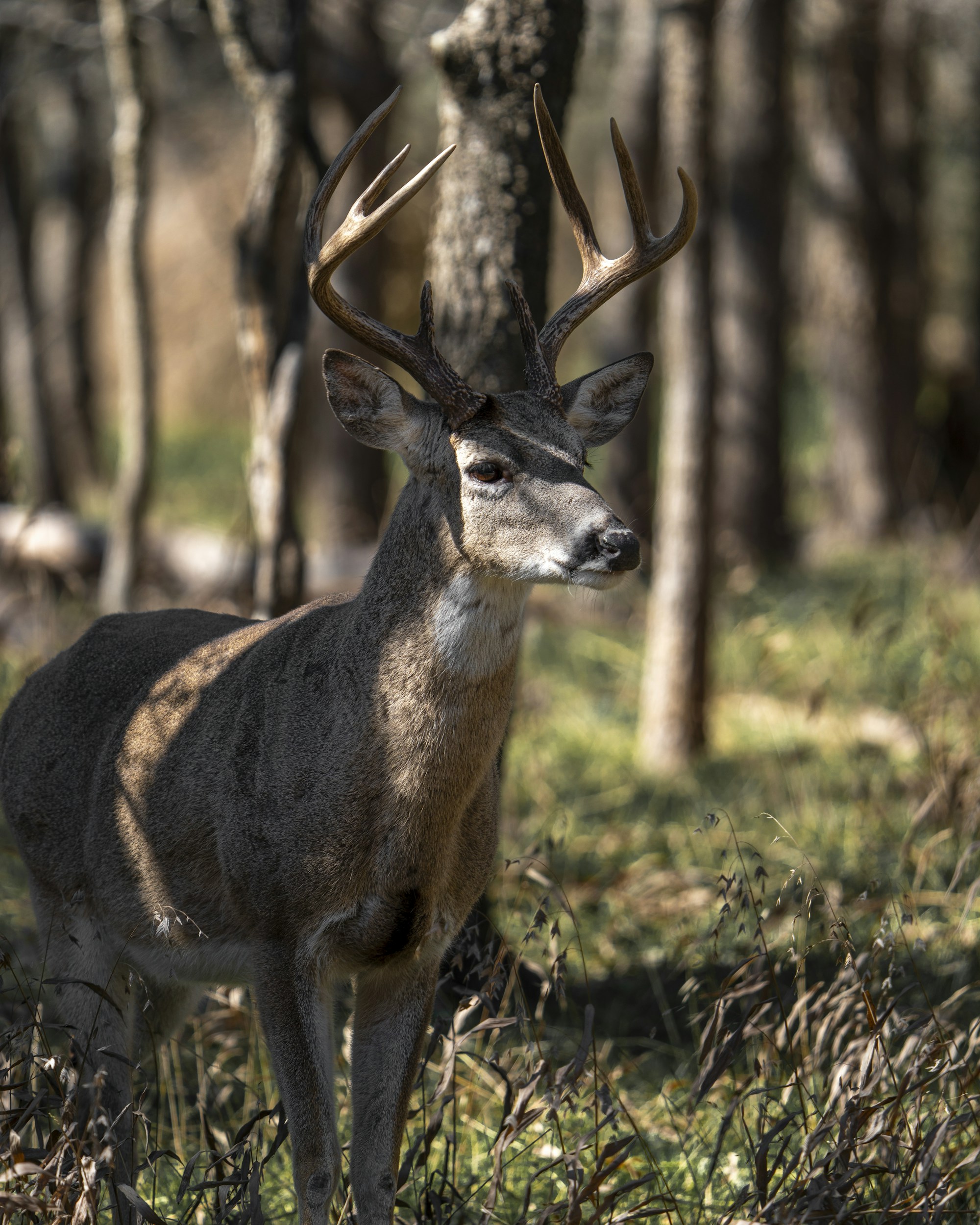
On the Alabama deer rate pages we read in October 2026, a guided hunt ran from $300 for a day trip without lodging to $15,000 for the top antler class on a fenced trophy property. The number depends mostly on how the operator prices the hunt: per day, as a fixed multi-day package, or by the size of the buck you take. The sticker price is only part of what you will pay.
This guide does not hand you one "average," because the published rates do not support one. On October 13, 2026, we opened rate pages from four Alabama deer operators, read two national sources, and checked nonresident fee pages for Alabama, Kentucky, Arkansas and Louisiana. That is a small sample from one state, not a survey of the Southeast, and we did not confirm fees in Georgia, Mississippi, the Carolinas, Tennessee, Virginia or Florida. Treat every figure here as "as of October 2026" and confirm current terms with the operator and the agency.
What Published Alabama Rates Looked Like in October 2026
The four pages showed three structures: per day, a fixed multi-day package, and a score-tiered package priced by antler size. We have left the operators unnamed on purpose. The point is the structure, not who is better, and none of these is a recommendation.
Operator A (per day with lodging). $500 per hunter per day including meals and lodging, with one buck meeting an 8-point and 15-inch-spread minimum plus one doe. A day trip without lodging or meals was $300 per hunter plus a $50 guide fee. An extra buck was $500, an extra doe $200, and a buck under 8 points $250. Deer cleaning was $35, a gratuity of at least 10 percent was stated, and non-hunting guests were $200 per day.
Operator B (multi-day package, 2026-2027 season). Two days at $1,400, three days at $2,100 and four days at $2,800, with meals, lodging and guide service included. The bag was two mature bucks at a minimum of 8 points and a 15-inch inside spread, with a $1,000 fine for a substandard buck. A non-hunter was $250 per day. The page said to bring a valid Alabama hunting license.
Operator C (hunt only, lodging separate). $500 per hunter for a morning and an afternoon hunt, with a $200 doe fee and an 8-point minimum. Lodging and meals were extra. This rate is dated July 31, 2025, more than a year old, so ask for the current sheet.
Operator D (score-tiered, high fence). A trophy-managed fenced property of about 1,500 acres, one guide per hunter, three days and two nights with meals and lodging. Prices ran by antler class: $6,500 for 141 to 160 inches, $8,500 for 161 to 180, $10,500 for 181 to 200, $12,500 for 201 to 220, and $15,000 for 220 and up. A wounded animal, or any animal that leaves blood, was charged as a kill, and taxidermy was not included.
The national sources do not settle it. A booking aggregator's whitetail page said guided hunts start at roughly $300 to $500 and most cost under $3,500, with hunts near $10,000 mostly combination hunts or parties of three or four. It is not a Southeast figure. A March 2025 hunting-cost article, now more than a year old, listed Midwest whitetail guided hunts at $3,000 to $5,000 and did not print a Southeast band.
What Drives the Price
Land, management and the buck you may take
A fenced, trophy-managed property with a minimum antler score costs more than a free-range day hunt, because the operator is selling a specific kind of animal. Acreage, management history and hunter density all show up in the price. Two of the four pages did not say whether the land was high fence or free range, which is a fair question to ask.
Lodging, meals and days
Whether the rate includes a bed and food is the biggest swing above. Operator A's $500 day included both; Operator C's $500 hunt did not. Package rates scale with days (each added day was $700 in Operator B's package), and Operator A required a three-day minimum in January and February.
Trophy Fees and Score-Based Pricing
None of the four pages used the words "trophy fee." The same idea showed up as a buck-size minimum, a charge for a smaller buck, a fine for a substandard buck, or a full score-tiered price list. Before you book, ask:
What counts as the minimum buck, and who measures it?
What happens, and what does it cost, if you take a smaller buck or a doe?
What happens if you wound an animal and do not recover it?
On score-tiered hunts the size class sets the price, so get the wounded-animal policy in writing.
Licenses and Tags: The Cost Outside the Package
The pages we read put the hunter's license outside the hunt rate. Fees below come from the agencies as of October 2026. They change, so confirm on the agency page.
Alabama
The Alabama license table on eRegulations, valid September 1, 2026 through August 31, 2027, lists the nonresident All Game license at $411.45 for the year, $253.95 for 10 days and $179.05 for 3 days. The same page's comparison table shows the lower 2025-2026 fees ($399.50, $246.60 and $173.90) beside them, so make sure you are reading the current column. An older Outdoor Alabama nonresident manual (revised 09/18) still prints an outdated fee, so do not rely on cached or third-party fee lists.
Kentucky
According to the Kentucky Department of Fish and Wildlife Resources (KDFWR) fee page, the nonresident annual hunting license is $169.12 and the nonresident deer permit (four deer, bought with a hunting license) is $248.40. The page lists them on separate lines; adding them gives $417.52, our arithmetic. KDFWR says the nonresident 1-day and 7-day hunting licenses are not valid for deer. A March 2025 eRegulations page shows an older $235 deer permit, so use the agency page.
Arkansas
According to the Arkansas Game and Fish Commission (AGFC) fee page, the nonresident annual All Game license is $410 and includes six deer tags, and the nonresident 3-day license is $225, also with six deer tags. A 2023 AGFC news item and some third-party pages print different 3-day and 5-day figures, so the current fee page controls.
Louisiana
The Louisiana Department of Wildlife and Fisheries (LDWF) fee list, read October 13, 2026, showed a nonresident basic hunting license at $200 and a nonresident deer license at $100, with 5-day versions at $65 and $35. Confirm with LDWF before you buy.
Across these four states, the nonresident license for a deer hunt ran from about $100 (Louisiana's 5-day pair) to a little over $400 (Kentucky's annual license plus deer permit). Check the agency for any other state.
Other Costs Hunters Forget to Budget For
Tips. One page stated a gratuity of at least 10 percent. Ask your outfitter what is customary.
Cleaning and processing. One page listed deer cleaning at $35. Processing and shipping are often separate.
Taxidermy. One page said it was not included.
Extra animals and smaller bucks, priced separately on two pages.
Non-hunting guests, $200 to $250 per day.
Deposits. Two pages stated a 50 percent non-refundable deposit. Read the cancellation terms before you pay.
A worked example, with round numbers invented for illustration and not taken from any operator: a three-day package quoted at $2,000, a 10 percent tip of $200, a nonresident license of $400, and $100 for cleaning and processing comes to $2,700. The quote is about 74 percent of the total. We wrote a similar list for anglers: what else you pay for beyond a guide's day rate.
How to Compare Outfitters
Ask every operator for the same list in writing, then put the answers side by side.
Number of days and hunts per day.
Whether meals, lodging and guide service are in the rate.
Buck minimum, bucks and does allowed, and the price of each extra.
The charge for a buck under the minimum, and for a wounded animal.
High fence or free range, and acreage.
License and tag costs, and who buys them.
Deposit, refund and weather policy.
Tips, cleaning, processing and taxidermy.
If an operator will not put prices in writing, that is useful information too. We make the same point to operators in our guide on marketing a whitetail deer hunting outfitter in the Southeast.
For the land behind the rates, our field notes on the Alabama Black Belt, the Arkansas Delta, Flint River country in Macon County, Georgia and the ACE Basin in the South Carolina Lowcountry show how setting shapes the product. For the same rate-card method on another trip, see what drives a guided fly fishing day rate.
General information only. Confirm season dates, bag limits and license rules with your state wildlife agency before you book.
Work with Pine & Marsh
If you run a deer operation and your rate page is a phone number, we can help you publish a clear one that answers the questions in this guide. Book a discovery call and we will walk through what hunters ask before they book. Start at pineandmarsh.com/contact. What you've built deserves to be found.
Frequently Asked Questions
How much does a guided deer hunt cost in the Southeast?
It depends on how the operator prices the hunt. On the four Alabama rate pages we read in October 2026, prices ran from $300 for a day trip without lodging to $15,000 for the top antler class on a fenced property, with multi-day packages in between. We do not have a verified Southeast average, so compare written quotes.
How does an antler-size package differ from a flat deer hunt price?
On a score-tiered package, the size class of the buck sets the price, for example $6,500 for 141 to 160 inches on one fenced property. A flat price usually sets a minimum buck and charges extra for smaller ones. Ask how each operator measures antlers and handles wounded animals.
Which Alabama nonresident license covers deer?
The nonresident All Game license, which covers deer and turkey. For the license year September 1, 2026 through August 31, 2027, eRegulations lists it at $411.45 annual, $253.95 for 10 days and $179.05 for 3 days. Confirm with Outdoor Alabama before you pay.
Does a Kentucky nonresident deer permit replace the annual hunting license?
No. According to KDFWR, the nonresident deer permit is bought with a hunting license, and the fee page lists them on separate lines. The nonresident 1-day and 7-day hunting licenses are not valid for deer.
Why do search answers show one price range for a guided deer hunt?
The Google AI Overview we saw in October 2026 put mule deer and western hunts in the same answer as Alabama whitetail. A blended national range hides the difference between a free-range day hunt and a score-tiered fenced package. Use operator rate pages and written quotes for your state and species.


Comments