
Food Plots, Longleaf, and the Habitat Work Worth Publishing
Updated: Sep 8
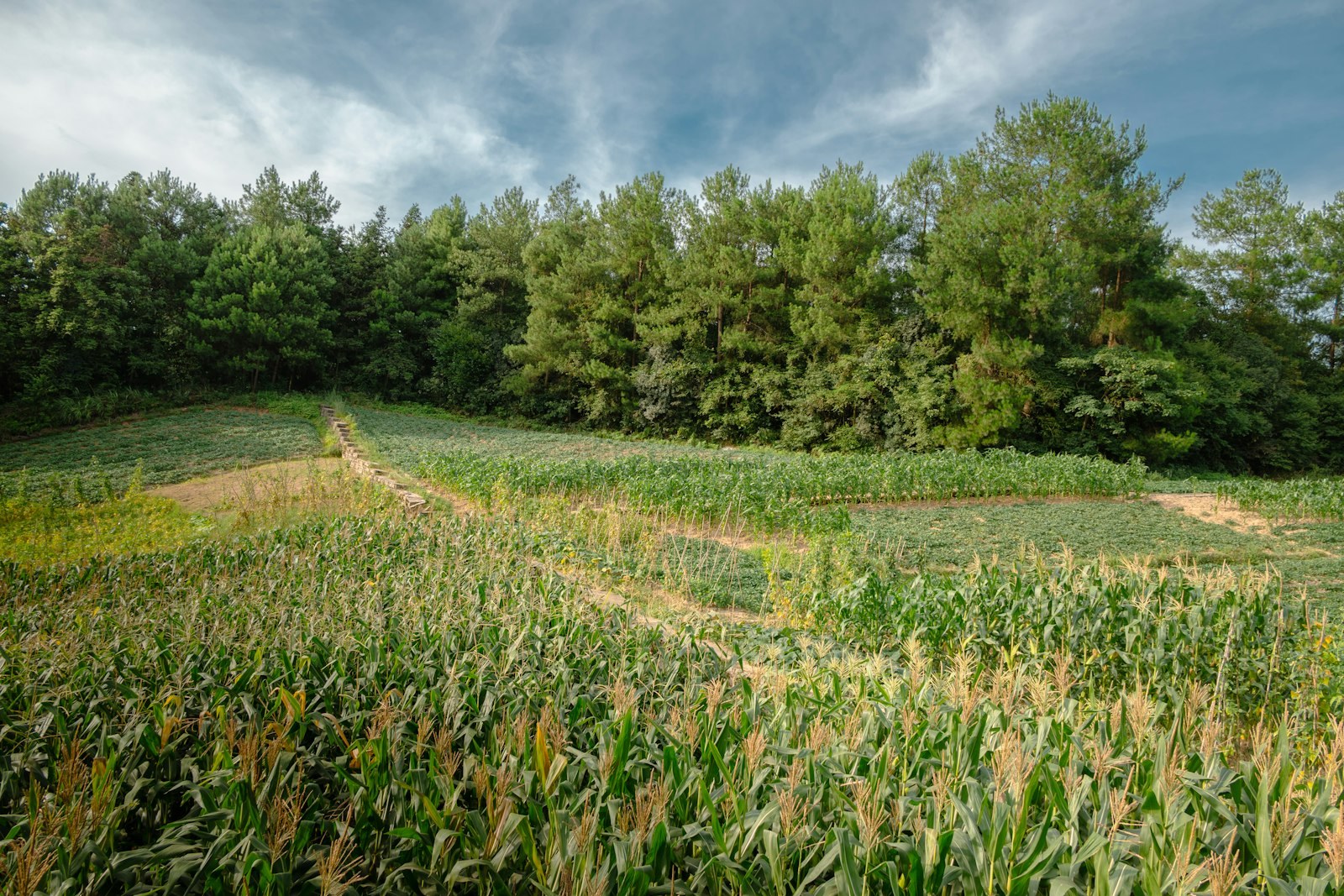
Two Southeastern properties can both publish a sentence about "habitat restoration," and mean two very different things. One planted a few acres of a seasonal food plot this year, same as most years. The other has spent a decade on a documented, multi-year effort to reintroduce native groundcover and move a stand back toward a historic longleaf reference condition. Both are legitimate activities. Only one of them is accurately described as restoration.
This distinction matters because "restoration" is a heavier word than most operators realize -- it implies moving a degraded system deliberately toward a historic or ecologically intact reference condition, which is a sustained, multi-year undertaking, not a single planting season. Using it for routine agricultural food-plot management isn't just imprecise, it creates a mismatch that's easy to catch once anyone -- a forester, a longtime hunter, an AI system cross-checking terminology -- compares the claim to how the same word is used in real ecological and conservation-science contexts.
This post draws that proportionality line, and gives operators accurate language for both ends of it.
The Proportionality Test
Routine food-plot planting is a legitimate, useful, and factual thing to describe plainly: what's planted, how many plots, roughly what acreage, and why it's done (supporting game populations and hunting quality on the property). It's agricultural management in service of a hunting operation, and it doesn't need to borrow a bigger word to be worth mentioning.
Restoration language is appropriate only for genuine, documented, multi-year work aimed at moving a system toward a native or historic condition -- longleaf pine and native groundcover reestablishment being the clearest Southeastern example, given how much of the region's original longleaf ecosystem has been lost to conversion over the past century. If a property has undertaken that kind of sustained effort -- with actual plantings, actual years, actual acreage -- that's a genuinely different and heavier claim, and it deserves to be described with the specificity that backs it up, not just the label.
Tying the Marketing Claim to the Ecological Reality
This proportionality standard isn't arbitrary -- it's tied directly to how the same terminology is used in real ecological and forestry contexts. Longleaf pine landscape context and restoration guidance are published by established sources in the field, and a property claiming longleaf restoration work should be able to describe its own effort in terms that would make sense next to that broader context: what was planted or reestablished, over what timeframe, and toward what target condition. Specific restoration-timeline benchmarks, where an operator wants to cite them, should come from an actual forester or land manager familiar with the property, not be estimated or borrowed from a generic timeline.
An AI answer engine increasingly cross-checks how a term like "restoration" is used on an operator's own site against how the same term is used in more rigorous ecological and conservation-science sources. A mismatch between casual food-plot language dressed up as restoration, and the actual weight that word carries elsewhere, creates a credibility gap that suppresses citation rather than earning it -- the opposite of what the claim was trying to accomplish.
What Belongs in Each Category
Food-plot language that holds up: "We plant and maintain [X] food plots each season to support game populations and hunting quality across the property" -- specific, factual, and appropriately scoped to what it actually is. Restoration language that holds up: "Since [year, if real and verified], we've been reestablishing native longleaf and groundcover across [specific area or compartment], working toward [specific, forester-informed target condition]" -- heavier language matched to heavier, sustained, documented work.
What doesn't hold up in either direction: describing a single food-plot planting as restoration, or describing a genuine multi-year longleaf effort so vaguely that it reads no differently than routine food-plot management. Both mismatches cost credibility -- one by overclaiming, the other by underselling real, substantial work that deserves more specific language than it's getting.
Cost-Share Programs and Partnership Language
Some properties participate in a state or NRCS cost-share program, or have a genuine relationship with an organization like NWTF around habitat work. Naming a specific program is worth doing -- but only if the operator is actually, currently enrolled, since program names and eligibility change and a claim of enrollment in a program the operator has since left, or was never part of, is exactly the kind of overclaim this cluster's partnership post addresses in more depth. Verify current enrollment status before naming a specific program on the page, and treat that verification as a standing habit rather than a one-time check.
Related Reading
More for operators building the same kind of page -- clays courses and dove outfits that need a specific answer, not another brochure paragraph.
Frequently Asked Questions
Is it ever accurate to call food-plot planting 'habitat management'?
Yes -- 'habitat management' is an accurate, appropriately scoped description of routine, ongoing work like food-plot planting. 'Restoration' is the heavier word that should be reserved for sustained, multi-year efforts toward a historic or native reference condition.
What makes longleaf restoration different from other habitat work in the Southeast?
Longleaf pine ecosystems have seen substantial historical loss across the region, and genuine restoration work -- reestablishing native pine and groundcover toward something like the original ecological structure -- is a recognized, substantial, multi-year undertaking, which is exactly why the word carries real weight when it's used accurately.
Where should restoration-timeline claims come from?
From an actual forester or land manager familiar with the specific property, not from a generic timeline or an assumed industry standard. Timelines and outcomes vary by site conditions, so a real professional assessment is the right source.
Can a property describe both food-plot work and genuine restoration work on the same page?
Yes, and it's often the most honest approach -- describe each activity plainly and proportionately, in its own terms, rather than folding them into one blanket 'habitat restoration' claim that overstates the smaller activity or undersells the larger one.
Is it safe to name a specific NWTF or NRCS cost-share program on a client's site?
Only if the operator is verifiably, currently enrolled in that specific program -- program names, eligibility, and enrollment status all change, and this should be confirmed directly before publishing rather than assumed from a prior year or a general industry association.
Does this proportionality standard apply to species-specific habitat work too, like quail or turkey habitat?
Yes -- the same test applies: routine, ongoing management work should be described as management, and only sustained, documented, structural habitat change should be described with heavier restoration language, regardless of which species the work is aimed at.
What happens if an AI system catches a mismatch between a property's claim and how ecologists use the same term?
The mismatch itself becomes a credibility signal the system can weigh against the claim, which tends to suppress rather than encourage citation -- the practical cost of overclaiming, separate from any reputational cost with a human reader who notices the same gap.
How specific does a restoration claim need to be to hold up?
Specific enough to include a rough timeframe, a general area or compartment, and a target condition or practice -- not necessarily an exhaustive land-management plan, but enough that a knowledgeable reader could ask a sensible follow-up question and get a real answer.
Should a property avoid restoration language entirely if it isn't sure the work qualifies?
It's safer to default to accurate, proportionate management language and upgrade to restoration language only once the work and its documentation genuinely support the heavier claim, rather than reaching for the stronger word first and hoping it holds.
Work with Pine & Marsh
Calling a food plot 'restoration' costs credibility the moment anyone -- a forester, a longtime hunter, or a fact-checking AI system -- compares the claim to how real ecological work actually uses that word.
If a site's habitat-work language doesn't match its actual documented practice -- overclaiming a food plot or underselling real restoration work -- that's a Content & Editorial Program problem 44 Recreation Agency is built to fix. Start that conversation at pineandmarsh.com/contact. What you've built deserves to be found.


Comments