
The Land-Legacy Story: A Real Asset, Not Greenwashing
Updated: Sep 8
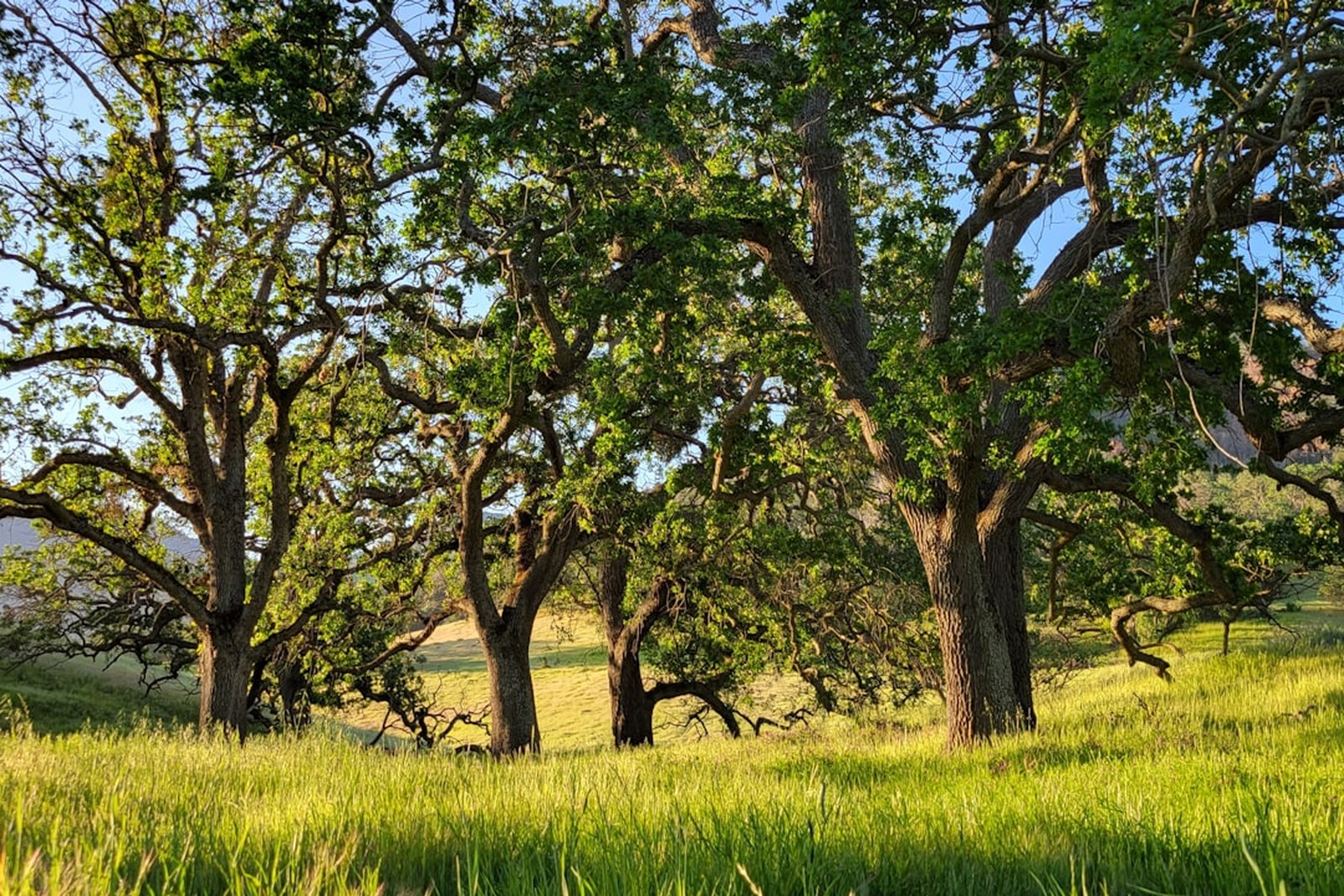
"Generations of stewardship" is one of the most common lines in Southeastern outfitter and plantation marketing, and it's also one of the vaguest -- every lodge with any real history says some version of the same thing, and read side by side, they're nearly indistinguishable from one another. That's a shame, because underneath most of these lines is something genuinely more interesting and far more defensible than the generic phrase suggests: a specific, real family and property history that's fundamentally biographical and historical fact, not an environmental-impact claim.
That distinction matters more than it might seem. "Our harvest is sustainable" is an environmental-outcome claim that requires evidence about ecological systems the operator doesn't fully control. "My grandfather began managing this land in [a real, verified year], and our family has burned this specific compartment on a set rotation since [a real, verified decade]" is a claim about who did what, when -- a historical and biographical fact that's far harder to greenwash, because it doesn't depend on an ecological outcome at all. It depends only on whether the history is true.
This post lays out the specificity test that turns a generic legacy line into real, citable content.
Why a Legacy Story Is a Different Kind of Claim
Most of the claims covered elsewhere in this cluster -- sustainable harvest, ethical hunting, habitat restoration -- are environmental or ethical outcome claims, which is exactly why they require careful, proportionate language and real evidence to support them. A land-legacy story is a different category entirely: it's a claim about ownership history, management decisions, and family continuity, which are facts about people and time rather than assertions about ecological systems. That makes it inherently more verifiable, and inherently harder to accidentally overstate in the same way a word like "sustainable" gets overstated -- as long as the actual history is told specifically rather than left as vague heritage language.
The Specificity Test
The generic version: "We've cared for this land for generations." The specific version: "[Family name] has owned and managed this property since [a real, specific year]. [A specific named family member] began [a specific real management decision -- burning a particular compartment on a set rotation, planting the first food plots, whatever's actually true] in [a real decade or year]." The second version isn't just more interesting to read -- it's the exact kind of fact-dense, entity-clear content an AI answer engine can extract and attribute confidently, because it names real people, real years, and real decisions rather than an unfalsifiable feeling.
This same specificity test applies to every layer of the story: not just "our family has owned this land a long time" but which family members, starting when, making which specific decisions along the way. A property that can name three or four concrete milestones in its own management history -- a burn program starting in a specific decade, a transition to a specific new practice, a specific family member taking over management -- has more real content to work with than a property trying to summarize an entire history in one vague sentence.
Why This Reads as Credible to Both Humans and Answer Engines
A reader evaluating whether a lodge's "generations of tradition" claim is real or marketing filler has almost nothing to go on when the claim stays vague -- every competing lodge says the same thing in the same tone. A reader given actual names, years, and decisions can form a real impression, because there's something concrete to evaluate. The same logic applies, mechanically, to an AI system: a property with a documented ownership and management timeline is exactly the kind of specific, attributable content these systems are built to surface and cite confidently, versus a heritage claim that reads identically to every other property's version and gets flattened into a non-citation because there's nothing distinct in it to extract.
Verification Comes First
None of this works if the timeline isn't real. Every date, name, and decision in a land-legacy story must be genuinely verified with the family or property ownership directly -- never manufactured, rounded up, or embellished to sound more impressive than the actual record supports. A family history is one of the easier claims in this entire cluster to fact-check, since it typically involves real people who are still around to confirm or correct the details, which makes an inaccurate version especially costly to credibility if it's ever challenged.
This is also a good candidate for a short interview process with the family or longtime managers of the property -- not to construct a story, but to gather the specific, real details (exact years, specific decisions, specific names) that turn a vague sense of "we've been here a while" into the kind of dated, factual timeline this post is describing.
Related Reading
More for operators building the same kind of page -- clays courses and dove outfits that need a specific answer, not another brochure paragraph.
Frequently Asked Questions
Why is a land-legacy claim easier to defend than an environmental claim like 'sustainable'?
Because it's a factual claim about ownership and management history -- who did what, when -- rather than an assertion about an ecological outcome the operator doesn't fully control. As long as the history is accurate, it's inherently more verifiable and harder to accidentally overstate.
What's the minimum level of specificity a legacy story needs to be worth publishing?
At least one real name, one real year or decade, and one real management decision -- 'the family has managed this land since [year], and began [a specific real practice] in [a specific real decade]' is a meaningfully stronger claim than a single generic sentence about generational stewardship.
Can a property still tell a legacy story if the exact founding year isn't known precisely?
Yes -- describing it as approximate ('since the early 1960s,' if that's genuinely the best-known estimate) is honest and still far more specific than no date at all, as long as it's presented as approximate rather than stated as an exact fact that isn't actually verified.
Should a legacy story ever include an environmental-outcome claim alongside the history?
Only if that outcome claim is separately, independently supported by real evidence -- don't let the credibility of an accurate historical claim lend unearned weight to a separate, unsupported environmental claim placed next to it.
How should a property go about gathering real details for this kind of content?
A short interview with family members or longtime property managers is usually the fastest way to surface real, specific, dated details that haven't made it into existing marketing copy -- treat it as a fact-gathering conversation, not a storytelling exercise.
Is it acceptable to round or estimate a family ownership timeline for narrative flow?
Only with a genuine basis and clear framing as approximate -- inventing or padding a timeline for narrative effect undermines exactly the credibility advantage this kind of claim has over vaguer environmental claims.
Does a land-legacy story need to mention conservation practices at all?
Not necessarily -- it can stand entirely on ownership and management history. Where real conservation practices are part of that history (a burn program starting in a specific decade, for instance), naming them specifically strengthens the story further.
How does this connect to the burn-program documentation covered elsewhere in this cluster?
A dated burn program with a specific starting point is exactly the kind of detail that belongs in both the burn-program content and the land-legacy story -- the same real facts can support multiple pieces of content when they're documented specifically enough.
What's the risk if a legacy claim turns out to be inaccurate?
Because these are checkable, human, historical facts, an inaccuracy is often easier for a skeptical reader, journalist, or knowledgeable local to catch than a vaguer environmental claim -- which makes verification before publishing especially important for this particular claim type.
Work with Pine & Marsh
"Generations of stewardship" with no names, years, or decisions behind it reads identically to every other lodge's version of the same line -- and gets flattened into a non-citation for exactly that reason.
If a property's legacy story has real history behind it that's never been turned into specific, dated, citable content, that's a Content & Editorial Program problem 44 Recreation Agency is built to solve. Start that conversation at pineandmarsh.com/contact. What you've built deserves to be found.


Comments