
Marketing Arkabutla Lake: 33,000 Acres of Public Hunting and Multi-Species Fishing
Updated: Jun 12
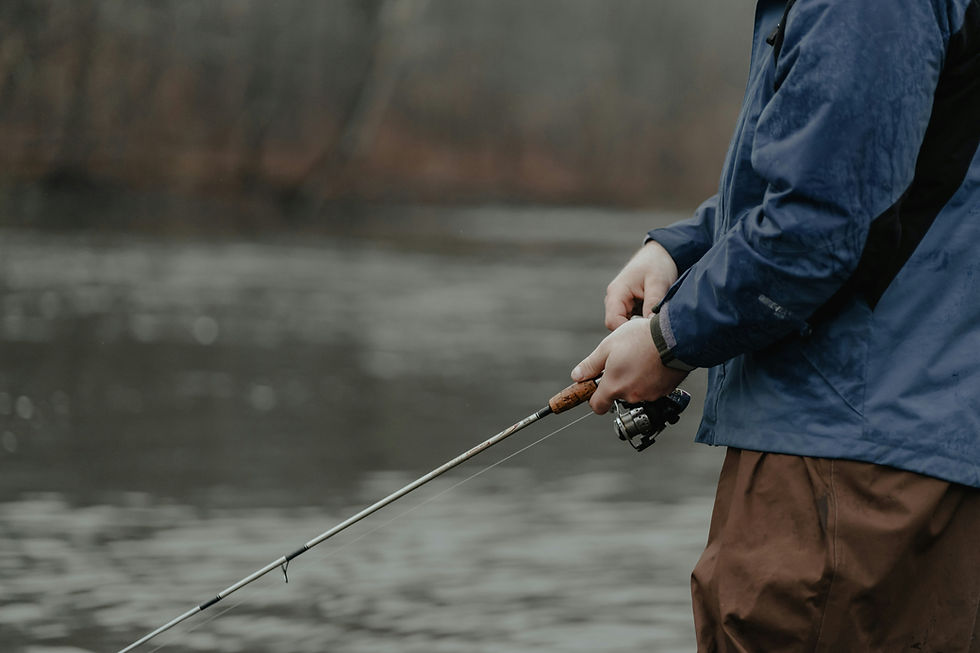
Arkabutla Lake is the most undermarketed reservoir in the Memphis metro. A 33,000-acre USACE project sitting just 30 minutes south of a 1.3-million-person metro area, Arkabutla holds something none of the other three north Mississippi flood-control reservoirs can claim -- a genuine dual identity as both a top-tier hunting destination and a regionally recognized crappie fishery. Sardis, Enid, and Grenada all lean fishing-first. Arkabutla leans into the timber, the bottomland hardwood, and the 30,000 acres of public hunting land that surround it.
For guide services, outfitters, and hunting operations working this lake, the marketing opportunity is enormous -- and almost entirely unclaimed. The operators who move first in search, content, and booking infrastructure will own a digital footprint that mirrors the physical landscape they already know. This post breaks down the geography, species calendar, competitive landscape, and specific content gaps waiting to be filled.
Geography and Access: Memphis's Backyard Reservoir
Arkabutla Lake sits in Tate and DeSoto counties in the extreme northwest corner of Mississippi, roughly 10 miles south of the Tennessee state line. The dam impounds the Coldwater River, a tributary of the Tallahatchie, and the resulting reservoir extends approximately 15 miles south and west from the dam face toward Hernando and Coldwater. At the conservation pool, the lake covers roughly 12,500 surface acres. At flood pool -- which is common in late winter and early spring -- the project expands to its full 33,000-acre footprint, flooding thousands of acres of standing timber and bottomland hardwood that define the lake's hunting character.
The proximity to Memphis is the single most important geographic fact for any operator marketing on Arkabutla. Interstate 55 runs directly through DeSoto County, and the lake's primary access points sit within a 25- to 40-minute drive from downtown Memphis. DeSoto County itself has grown into one of the fastest-expanding counties in Mississippi, with a population now exceeding 190,000 residents. That growth means a constantly refreshing pool of potential clients who are new to the area, searching Google for local hunting and fishing options, and ready to book.
The USACE manages several recreation areas around the lake, including Hernando Point, Coldwater, Bayou Point, and DeSoto Point. Boat ramps are distributed across the eastern and western shorelines. Unlike Sardis Lake to the southeast -- which benefits from a developed state park, campgrounds, and a more established tourism corridor -- Arkabutla has no state park on its shoreline. This creates a lodging gap that shapes how operators must think about packaging and marketing their experiences. Clients booking a guided hunt or fishing trip on Arkabutla often need lodging recommendations, and the operator who bundles that information into their booking funnel captures a planning advantage that translates directly into conversion rate.
Access to public hunting land is managed through the Askew Wildlife Management Area, which encompasses much of the federal land surrounding the reservoir. Askew WMA is administered by the Mississippi Department of Wildlife, Fisheries, and Parks and provides draw hunts, walk-in hunting opportunities, and waterfowl impoundments that attract hunters from across the Mid-South. The WMA designation adds a layer of regulatory structure that operators should understand and reference in their content -- because hunters searching for Askew WMA information represent high-intent traffic that can be funneled toward guided services.
The four-reservoir system that includes Arkabutla -- along with Sardis, Enid, and Grenada lakes -- was built by the Army Corps of Engineers as a flood-control network for the Yazoo River basin. All four impoundments share similar origin stories, but their recreational identities have diverged significantly. Sardis is the most tourism-developed. Grenada is nationally known for its crappie fishery. Enid occupies a middle ground. Arkabutla, despite its proximity to the largest metro area in the system, remains the least digitally visible. That gap is the opportunity.
Species Calendar: A Year-Round Dual-Identity Fishery and Hunting Destination
What makes Arkabutla Lake unusual among north Mississippi reservoirs is the degree to which its calendar splits between fishing and hunting seasons -- and the degree to which both halves of that calendar support viable guide operations. Most lakes in the region lean heavily toward one identity. Arkabutla genuinely supports both, and operators who build content around the full 12-month cycle will capture search traffic that single-season competitors miss.
January Through March: Crappie Pre-Spawn and Late Waterfowl
The first quarter of the year is defined by two overlapping opportunities. Crappie fishing on Arkabutla typically begins producing consistent catches by mid-January, when fish start staging on channel ledges and brush piles in 12 to 18 feet of water. As water temperatures climb through February, crappie move shallower, and by early March, the pre-spawn bite is fully engaged. This is the window that earns Arkabutla its reputation as a top-five crappie lake in Mississippi -- the standing timber and flooded hardwood structure provide an extraordinary density of holding cover that keeps fish concentrated and catchable.
Simultaneously, duck season in Mississippi typically runs through late January, and the Askew WMA waterfowl impoundments remain active through the final split. Late-season mallard hunting on the flooded timber flats is a signature Arkabutla experience. Operators running both fishing and hunting trips during this overlap window have a scheduling advantage -- they can keep guides employed across both activities and cross-sell clients who book one service into the other.
April Through June: Spawn, Post-Spawn, and Turkey Season
April is prime crappie spawn on Arkabutla. Fish push into shallow cover -- stumps, laydowns, standing timber in two to six feet of water -- and become accessible to bank anglers, kayak fishermen, and guided boat trips alike. The spawn window typically peaks in the first two weeks of April, depending on water temperature and lake level. Guide operations that publish spawn reports, share water temperature updates, and post catch photos during this window to generate the kind of seasonal content that Google rewards with recurring annual traffic.
Post-spawn crappie fishing remains productive through May, though patterns shift back to deeper structure. Catfish and bass activity also increases through late spring. Meanwhile, Mississippi turkey season typically runs from mid-March through early May, and the hardwood ridges surrounding Arkabutla hold huntable populations of eastern wild turkey. Turkey hunting is not the primary draw for most Arkabutla operators, but it offers a shoulder-season content opportunity that keeps an operation visible during the transition from duck season to full-summer fishing.
July Through September: Summer Fishing and Early Season Prep
Summer on Arkabutla centers on catfish, bass, and deep-water crappie patterns. Channel catfish and blue catfish respond well to cut bait and prepared baits fished along the old Coldwater River channel. Bass fishing is best during low-light periods -- early morning and late evening topwater bites can be productive around shoreline timber and grass lines. Crappie retreat to deeper brush piles and ledges, requiring electronics and precise boat positioning to target effectively.
For hunting operations, summer is the season of preparation. Food plot planting, stand maintenance, trail camera deployment, and lease management dominate the calendar. This is also the critical window for content creation -- operators who publish trail camera galleries, food plot progress updates, and season preview posts during July through September build anticipation and capture early-booking search traffic for fall hunts. The operators who wait until October to start marketing have already lost weeks of search visibility to competitors who planned ahead.
October Through December: Deer, Duck, and the Full Hunting Calendar
Fall is when Arkabutla's hunting identity comes fully alive. Archery deer season in Mississippi opens in October, and the hardwood bottoms surrounding the lake hold strong populations of whitetail deer. The combination of agricultural fields on the uplands, hardwood mast production in the bottoms, and thick bedding cover along creek drainages creates classic Delta-fringe deer habitat. Operators running guided deer hunts on private leases adjacent to the USACE project land have a legitimate product to market.
Waterfowl season typically opens in late November, and the Arkabutla area is squarely within the Mississippi Flyway corridor. Flooded timber hunting for mallards, wood ducks, gadwall, and teal is the primary waterfowl draw. The Askew WMA impoundments provide a public hunting opportunity, but guided hunts on private flooded timber leases represent the higher-margin product. December through late January is the peak booking window for waterfowl operations, and the operators who dominate search results for queries like 'duck hunting near Memphis' or 'Mississippi duck hunting guide' during this period capture the majority of new client inquiries.
The full October-through-January hunting season also overlaps with fall and early-winter crappie fishing, creating the same dual-identity scheduling opportunity as in the first quarter. An operation that can offer a client a morning duck hunt and an afternoon crappie trip on the same day is selling an experience that almost no competitor in the Memphis metro can match.
Named Operators: Who Is Working Arkabutla Lake
The operator landscape on Arkabutla Lake is fragmented, which is both a challenge and an opportunity. No single brand dominates the digital space, and most operators rely on social media presence rather than search-optimized websites. This creates a wide-open field for the first operation that invests in professional web infrastructure.
Barton Outfitters
Barton Outfitters is one of the more visible hunting operations in the Arkabutla area, offering guided duck hunts on private timber leases near the reservoir. Their digital presence relies primarily on social media -- Facebook posts showcasing hunt results, client photos, and season updates. Like many outfitters in the region, they have a limited web footprint outside social platforms. A dedicated website with booking integration, species-specific landing pages, and structured data markup would immediately elevate their search visibility above the current competitive baseline.
Costner's Guide Service
Costner's operates on Arkabutla Lake, focusing on crappie fishing. They represent the type of single-species guide operation that forms the backbone of the lake's fishing economy. Their digital presence follows the common pattern—active social media accounts with trip photos and availability posts, but limited long-form content, no blog infrastructure, and minimal SEO targeting. For a crappie guide on a lake ranked in the top five in Mississippi, the gap between their current visibility and their potential visibility is significant.
Gibson Crappie Guide Service
Gibson Crappie is another crappie-focused operation working the waters of Arkabutla and the surrounding waters. Their brand recognition within the local fishing community is solid, built through years of consistent social media activity and word-of-mouth referrals. However, the same digital gaps apply -- no structured website content targeting seasonal search queries, no FAQ pages that answer the questions potential clients type into Google, and no schema markup to help search engines understand what services they offer and where they operate.
MS Crappie Charters
MS Crappie Charters operates on multiple lakes in north Mississippi, including Arkabutla. Their multi-lake model gives them a natural content advantage -- they could build location-specific landing pages for each reservoir they fish, creating a network of search-optimized pages that capture lake-specific queries. Whether they have capitalized on that structural advantage through professional web development is the key question. Most multi-lake operations in this market have not.
White Oak Hunting Service
White Oak Hunting Service offers guided deer and turkey hunts in the Arkabutla area. Their operation represents the land-based hunting side of the lake's dual identity. Deer hunting guides face a slightly different digital challenge than fishing guides -- their clients often search by region or county rather than by specific lake name, which means keyword strategy must account for terms like 'DeSoto County deer hunting,' 'north Mississippi deer hunt,' and 'whitetail hunting near Memphis' alongside lake-specific queries.
Tallahatchie Hunts
Tallahatchie Hunts operates in the broader Tallahatchie River corridor, which includes the Arkabutla watershed. Their brand name ties them to the river system rather than a single lake, which is a smart geographic positioning choice for search. The Tallahatchie name captures a wider net of search queries and positions them across a larger service area. Their digital presence and booking infrastructure determine whether they can convert that geographic advantage into actual client acquisition.
Across all six of these operators, the pattern is consistent: strong local reputation, active social media presence, limited website infrastructure, and almost no structured SEO strategy. The first operator in this group to build a professional, search-optimized website with booking integration will immediately differentiate themselves from every competitor on the lake.
Aggregator Intercept: The Digital Landscape Around Arkabutla
When a potential client searches Google for fishing or hunting experiences on Arkabutla Lake, the results they see reveal the competitive dynamics shaping operators' marketing strategies. Understanding which entities currently hold search visibility -- and how operators can intercept or displace them -- is essential to building an effective digital strategy.
The Army Corps of Engineers maintains the official Arkabutla Lake project page, which ranks well for broad navigational queries such as 'Arkabutla Lake' and 'Arkabutla Lake camping.' This page provides factual information about lake levels, recreation areas, and regulations, but does not promote individual guide services. It represents a top-of-funnel touchpoint that operators should reference and link to -- not compete against -- in their content strategy.
The Mississippi Department of Wildlife, Fisheries, and Parks maintains pages related to Askew WMA, fishing regulations, and public hunting draw information. These government pages capture high-intent regulatory queries -- 'Askew WMA draw hunt,' 'Mississippi crappie regulations,' 'Arkabutla Lake fishing license' -- that operators should build content around without duplicating. A guide service that publishes a blog post titled 'Everything You Need to Know Before Fishing Arkabutla Lake' can capture adjacent traffic by answering the practical questions these government pages leave unanswered.
Fishing aggregator sites such as Fishidy, FishBrain, and Wired2Fish may surface in response to species-specific queries. These platforms aggregate user-generated content -- catch reports, hotspot maps, and tackle recommendations -- and compete for the same informational queries that guide services should be targeting. The way to intercept aggregator traffic is not to outrank the aggregators on their own terms but to offer something they cannot: local expertise, guided trip availability, and real-time conditions reporting tied to a booking mechanism.
Hunting aggregator and lease platforms such as HLRBO, Base Camp Leasing, and iSportsman may appear in search results for hunting-related queries. These platforms connect hunters with lease opportunities and public land access points. Guided hunting operations compete with these platforms for the attention of hunters who have not yet decided whether to book a guided experience or pursue a DIY approach. Content that articulates the value proposition of a guided hunt—access to private land, local knowledge, equipment provided, and higher success rates—serves as the intercept mechanism.
Social media platforms, particularly Facebook and YouTube, also function as de facto search engines for local outdoor experiences. Facebook groups dedicated to Arkabutla Lake fishing and Memphis-area hunting accumulate organic engagement that Google increasingly surfaces in search results. Operators who maintain active, consistent social media presences benefit from this cross-platform visibility, but social media presence alone is not a substitute for a search-optimized website. Social posts disappear from feeds within hours. A well-structured website page ranks for years.
Content Gaps: What Nobody Is Publishing About Arkabutla Lake
The content landscape around Arkabutla Lake is remarkably thin relative to the lake's size, proximity to Memphis, and recreational significance. Several high-value content categories remain largely unaddressed, presenting clear opportunities for operators willing to invest in content production.
Seasonal Crappie Fishing Reports and Pattern Guides
No operator on Arkabutla is publishing consistent, structured fishing reports that document seasonal patterns, water conditions, and productive techniques. A guide service that publishes monthly or biweekly crappie reports -- including water temperature, lake level, primary depth range, preferred bait, and productive areas -- would build a content library that captures recurring seasonal search traffic. Queries like 'Arkabutla Lake crappie fishing report,' 'Arkabutla Lake crappie spring 2026,' and 'best crappie bait Arkabutla' have no authoritative operator-generated content competing for them.
Askew WMA Public Hunting Access Guides
Hunters searching for information about public hunting access on the Askew WMA find government regulation pages and generic aggregator listings, but no comprehensive, author-authored guide explaining how to hunt the WMA effectively. A detailed access guide covering impoundment locations, draw-hunt procedures, walk-in area boundaries, parking access, and recommended gear would attract high-intent traffic from hunters planning their seasons. This content also positions a guided hunting operation as the knowledgeable local authority—the one that knows the WMA better than anyone else.
Duck Hunting Near Memphis Location Guides
The query 'duck hunting near Memphis' is a high-volume, high-intent search term that no Arkabutla operator currently owns. Memphis hunters seeking waterfowl opportunities within driving distance represent the lake's largest potential client base. A comprehensive location guide positioning Arkabutla as the premier duck-hunting destination within 30 minutes of Memphis -- covering habitat types, season dates, species availability, and guided-hunt options -- would fill a gap currently served only by aggregator platforms and generic hunting forums.
Lodging and Trip Planning Bundles
The absence of a state park on Arkabutla creates a trip-planning problem for visiting clients -- and a content opportunity for operators willing to solve it. No operator currently publishes a comprehensive lodging guide that recommends nearby hotels, vacation rentals, campgrounds, and RV parks alongside their guide service information. A trip-planning page that bundles lodging recommendations with fishing or hunting packages reduces friction in the booking process and captures search queries such as 'where to stay near Arkabutla Lake' and 'Arkabutla Lake camping and fishing.'
Four-Lake Comparison Content for North Mississippi
Anglers and hunters considering north Mississippi as a destination often compare the four USACE reservoirs -- Arkabutla, Sardis, Enid, and Grenada -- before choosing where to book. No operator has published a comprehensive comparison guide to help potential clients understand the differences between these lakes in species availability, access, guide services, and overall experience. This type of comparison content captures broad research-phase queries and funnels readers toward the specific lake and operator that best match their interests. An Arkabutla operator who publishes this comparison controls the narrative.
Trail Camera and Pre-Season Scouting Content
Hunting operations that deploy trail cameras on their lease properties sit on a content goldmine that most never monetize. Regular trail camera photo galleries, published with location context and commentary about deer movement patterns, food source utilization, and buck maturity, generate engagement and search traffic throughout the summer months when hunting operations are otherwise invisible online. This content also serves as proof of quality -- a potential client who sees consistent trail camera photos of mature bucks on an operation's website has tangible evidence that the hunting experience is worth the investment.
Beginner and Family-Friendly Fishing Guides
Arkabutla's proximity to the Memphis metro means a significant portion of potential clients are not experienced anglers or hunters. Families with children, casual weekend anglers, and first-time visitors searching for an accessible outdoor experience represent an underserved segment. No operator currently publishes beginner-oriented content -- 'first crappie fishing trip,' 'kid-friendly fishing on Arkabutla,' 'what to bring on a guided fishing trip' -- that would capture this audience and convert them into clients. This content is low-competition and high-conversion because beginners are the clients most likely to book a guide.
Frequently Asked Questions About Arkabutla Lake
What fish species can I catch on Arkabutla Lake?
Arkabutla Lake supports a diverse fishery anchored by crappie, which is the lake's signature species and the primary target for most guide operations. Both black and white crappie are present, with white crappie being the more commonly caught species. Channel catfish and blue catfish are abundant throughout the reservoir, particularly along the old Coldwater River channel. Largemouth bass inhabit the shoreline timber, grass lines, and submerged structure. Bluegill, redear sunfish, and other panfish species provide additional opportunities, particularly for family-oriented trips. The lake has earned recognition as a top-five crappie fishery in Mississippi, and the standing timber habitat that defines Arkabutla's underwater structure is the primary reason for that ranking.
How far is Arkabutla Lake from Memphis, Tennessee?
Arkabutla Lake is approximately 30 minutes south of downtown Memphis via Interstate 55. The lake's northern access points in DeSoto County are the closest, with Hernando Point and other recreation areas sitting just off Highway 301 and Highway 304. This proximity makes Arkabutla the closest significant fishing and hunting destination for the 1.3-million-person Memphis metropolitan area. For clients booking guided trips, the short drive means no overnight lodging is required for day trips, though multi-day hunting packages may benefit from nearby accommodations in Hernando, Southaven, or Olive Branch.
Is there public hunting land around Arkabutla Lake?
Yes. The Askew Wildlife Management Area encompasses approximately 30,000 acres of public hunting land surrounding Arkabutla Lake. Askew WMA is managed by the Mississippi Department of Wildlife, Fisheries, and Parks and offers hunting opportunities for white-tailed deer, wild turkey, waterfowl, squirrel, rabbit, and other small game. Waterfowl hunting on the WMA includes both walk-in areas and managed impoundments that may require draw hunt permits. Hunters should consult the current MDWFP regulations for specific season dates, bag limits, and permit requirements. Guided hunting operations in the area typically work private leases adjacent to the WMA rather than the public land itself.
When is the best time to fish for crappie on Arkabutla Lake?
The most productive crappie fishing on Arkabutla typically runs from mid-January through late April. Pre-spawn staging begins in January when crappie hold on channel ledges and brush piles in 12 to 18 feet of water. As water temperatures rise through February and March, fish move progressively shallower. The spawn peak usually occurs in the first two weeks of April, when crappie push into standing timber and stumps in two to six feet of water. Post-spawn fishing remains productive through May on deeper structure. Fall crappie fishing in October and November can also be excellent as fish feed aggressively before winter, though this period receives less attention from most guides.
What types of hunting are available near Arkabutla Lake?
Arkabutla Lake and its surrounding lands support several hunting disciplines. Waterfowl hunting is the primary draw, with flooded timber and managed impoundments providing habitat for mallards, wood ducks, gadwall, green-winged teal, and other species within the Mississippi Flyway. White-tailed deer hunting is productive on both the Askew WMA public land and private leases in the surrounding hardwood bottoms and agricultural edges. Eastern wild turkey hunting is available during the spring season on wooded ridges and creek bottoms. Small game hunting for squirrel and rabbit rounds out the available opportunities. The combination of waterfowl and deer hunting in a single geographic area is what distinguishes Arkabutla from the other three north Mississippi USACE reservoirs.
Are there guided fishing trips available on Arkabutla Lake?
Yes, several guide services operate on Arkabutla Lake, with crappie fishing being the most commonly offered guided experience. Operations like Costner's Guide Service, Gibson Crappie Guide Service, and MS Crappie Charters provide guided crappie trips that typically include the boat, tackle, bait, and local knowledge needed to target fish effectively. Most guided fishing trips on Arkabutla run as half-day or full-day outings. Availability varies by season, with spring being the highest-demand booking period. Potential clients should contact operators directly for current rates, availability, and what is included in the trip package, as this information is not consistently published online.
Where can I stay when visiting Arkabutla Lake?
Arkabutla Lake does not have a state park on its shoreline, which means lodging options are concentrated in the nearby towns of Hernando, Southaven, and Olive Branch in DeSoto County. These communities offer hotels, motels, and vacation rental properties within 15 to 25 minutes of most lake access points. The USACE operates several campgrounds and day-use areas around the lake, including Hernando Point and Coldwater, which provide basic camping facilities for visitors who prefer to stay closer to the water. For multi-day hunting packages, some outfitters may offer lodge accommodations or can recommend specific lodging partners. The lodging gap created by the absence of a state park is a real consideration for visiting clients planning extended trips.
How does Arkabutla Lake compare to Sardis, Enid, and Grenada lakes?
Arkabutla is the northernmost and closest to Memphis of the four USACE flood-control reservoirs in northern Mississippi. Sardis Lake, approximately 45 minutes southeast, has the most developed tourism infrastructure, including John W. Kyle State Park. Enid Lake, further south near the town of Enid, offers solid crappie and catfish fishing with moderate development. Grenada Lake is nationally recognized as one of the top crappie fisheries in the country. What distinguishes Arkabutla is its dual hunting-and-fishing identity -- the 30,000 acres of public hunting land surrounding the lake give it a stronger hunting profile than any of the other three reservoirs. Arkabutla also benefits from the shortest drive time from Memphis, making it the most accessible option for day trips.
Do I need a fishing license to fish on Arkabutla Lake?
Yes. All anglers fishing on Arkabutla Lake must possess a valid Mississippi fishing license. Non-resident licenses are required for anglers who do not hold Mississippi residency. Mississippi offers several license options, including annual, three-day, and one-day permits that can be purchased online through the MDWFP website or at authorized license vendors throughout the state. A freshwater fishing license covers crappie, bass, catfish, and panfish species. Anglers under 16 and Mississippi residents over 65 are exempt from license requirements. Guided fishing trip clients should confirm license requirements with their guide service before the trip date, as some operations include license assistance as part of their service while others expect clients to arrive with a valid license in hand.
What is the best bait for crappie on Arkabutla Lake?
Live minnows are the most consistently productive crappie bait on Arkabutla Lake throughout the year. During the pre-spawn and spawn periods from January through April, minnows fished on light jig heads around standing timber and brush piles produce reliable catches. Artificial jigs -- particularly small tube jigs and hair jigs in chartreuse, white, and black-and-chartreuse color combinations -- are effective alternatives, especially when fish are holding tight to structure, and a slower, more precise presentation is needed. Spider rigging with multiple rods is a popular technique on Arkabutla, allowing guides to cover more water and present baits at multiple depths simultaneously. In deeper water during summer and fall, small spoons jigged vertically over brush piles can also produce well.
Can I hunt ducks near Memphis without a guide?
Yes, public waterfowl hunting is available on the Askew WMA, which surrounds Arkabutla Lake, without a guide. Walk-in waterfowl hunting areas and managed impoundments provide access for self-guided hunters. However, managed impoundment hunts may require draw permits through the MDWFP system, and hunters should check current season regulations for specific requirements. Hunting on public land requires a valid Mississippi hunting license, a federal duck stamp, HIP certification, and compliance with all state and federal waterfowl regulations. While unguided hunting is certainly possible, guided duck hunts on private flooded timber leases typically offer better access, higher bird concentrations, and a more consistent experience -- which is the value proposition that guided operations should articulate clearly in their marketing.
Work with Pine & Marsh: Marketing Built for Arkabutla Lake Operators
If you run a guide service, outfitter, or hunting operation on Arkabutla Lake, your digital presence is either working for you or it is invisible. There is very little middle ground on a lake where no operator has yet claimed the search landscape. The operators profiled in this post -- Barton Outfitters, Costner's, Gibson Crappie, MS Crappie Charters, White Oak Hunting Service, and Tallahatchie Hunts -- all have strong reputations built through years of fieldwork. What most of them lack is a web presence that matches the quality of their on-the-water experience.
Pine & Marsh offers a complimentary marketing audit for any Arkabutla Lake operator who wants to understand where they stand. We will review your current website, your Google Business Profile, your search visibility for high-intent local queries, and your booking funnel from first click to confirmed reservation. The audit identifies specific gaps and prioritizes them by impact—so you know exactly what to fix first and why it matters.
The whitespace on Arkabutla is significant. Nobody owns the search results for 'crappie guide Arkabutla Lake.' Nobody ranks for 'duck hunting near Memphis.' Nobody has published the seasonal fishing reports, the WMA access guides, the trip-planning bundles, or the comparison content that would make them the obvious choice for clients researching this lake. That whitespace will not last forever. The Memphis metro is growing. DeSoto County is growing faster. The number of people searching for outdoor experiences near Arkabutla is increasing every year, and the operators who build their digital infrastructure now will be the ones those new clients find.
We work exclusively with outdoor operations in the Southeast—guides, lodges, outfitters, and hunting services. We do not take clients outside this space because focus produces better results. When we build a website for a crappie guide on Arkabutla, we bring the context of having already studied the lake's competitive landscape, its species calendar, its aggregator dynamics, and its content gaps. We do not start from zero. We start from exactly this kind of analysis.
Every engagement begins with a visit to your operation. We see your property, ride your boats, walk your timber, and meet your team before we write a single word or design a single page. That on-property commitment ensures the brand we build reflects the real experience your clients will have -- not a generic outdoor template with your logo pasted on top.
If you are ready to move, reach out through our contact page at pineandmarsh.com. If you are not ready yet, bookmark this post and come back when you are. The data does not change -- only the window of opportunity does.


Comments