
Marketing Herrington Lake: Kentucky's Deepest Lake and the Trophy Hybrid Striper Fishery
Updated: Jun 12
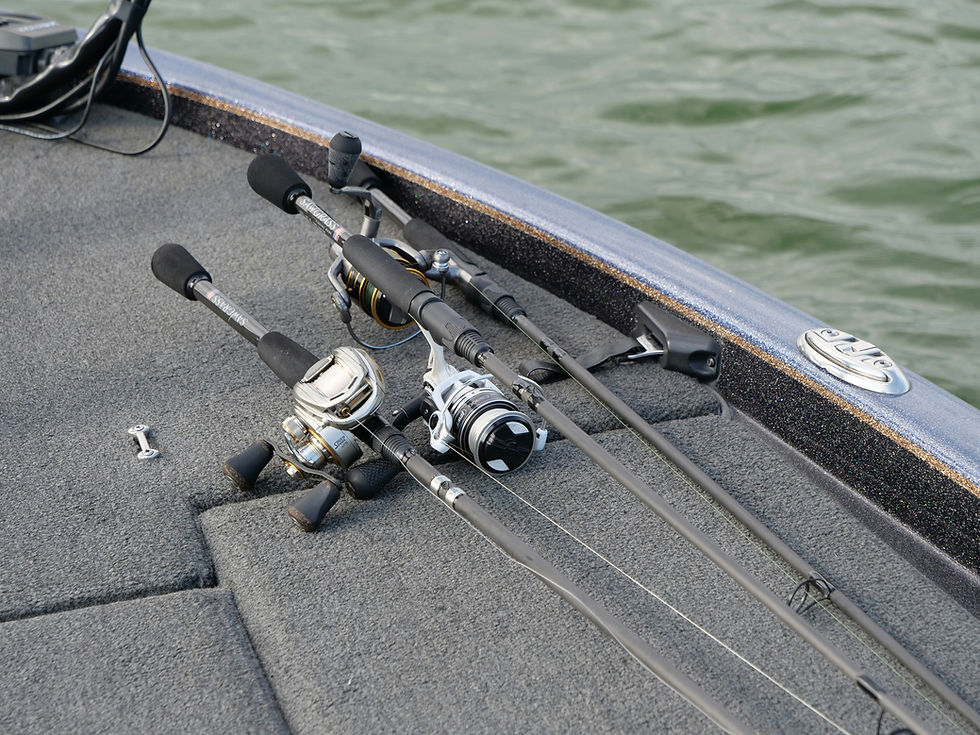
Herrington Lake sits in a narrow gorge carved by the Dix River through the heart of Kentucky's Bluegrass region -- 2,335 acres of water plunging 249 feet to make it the deepest lake in the Commonwealth. Built in 1925 when Kentucky Utilities completed the massive Dix Dam, the reservoir has quietly developed one of the most exciting trophy hybrid striped bass fisheries in the Southeast. Yet almost no one outside a handful of local guides knows this fishery exists, because the digital footprint around Herrington Lake fishing is among the weakest of any significant Kentucky impoundment. That gap between on-the-water quality and online visibility represents one of the most compelling marketing opportunities Pine and Marsh has documented in our ongoing state-by-state research. This guide breaks down the geography, the fishery, the operator landscape, the digital health metrics, and the content strategy that could transform Herrington Lake from a regional secret into a nationally recognized fishing destination.
The Deepest Lake in Kentucky: Geography and the Dix River Gorge
Understanding Herrington Lake's marketing potential starts with its geography, because the reservoir's physical characteristics shape both its fishing quality and its storytelling advantage. The lake occupies a flooded gorge along the Dix River in Mercer, Garrard, and Boyle Counties, roughly 35 miles southwest of Lexington and just 10 miles from the historic town of Danville. Unlike the broad, shallow impoundments that dominate much of the Southeast, Herrington Lake is narrow, deep, and fjord-like -- a characteristic that shapes everything from its thermal stratification to its shad forage base to the way anglers approach it.
The depth is the headline number. At 249 feet near the dam, Herrington Lake is the deepest inland body of water in the state of Kentucky. That depth creates a cold-water refuge that persists through even the hottest summers, which in turn supports a forage base and predator community that shallower lakes cannot sustain. The lake stretches approximately 35 miles from the dam upstream toward Junction City, but its average width is less than half a mile. The result is a reservoir that feels more like a deep river valley than a traditional lake -- steep bluffs dropping directly into water that can reach 100 feet within a few boat lengths of the bank.
The Dix Dam itself is part of the story. Completed in 1925, the 287-foot rock-fill dam was an engineering marvel of its era and remains one of the largest rock-fill dams in the eastern United States. Critically for fishing operations and marketing alike, Dix Dam is privately owned by Kentucky Utilities (now part of PPL Corporation), not managed by the U.S. Army Corps of Engineers. This distinction matters enormously because water levels are managed primarily for hydroelectric power generation rather than flood control or recreation. The result is dramatic seasonal drawdowns -- sometimes exceeding 30 feet -- that shape the entire fishing calendar and create both challenges and opportunities for guides and marketers.
The surrounding landscape is quintessential Bluegrass Kentucky: rolling horse farms, dry-stacked limestone fences, bourbon distilleries within a short drive, and the Shaker Village of Pleasant Hill perched on the Palisades above the lake. Harrodsburg, the first permanent English settlement west of the Allegheny Mountains (established 1774), sits just minutes from primary lake access points. This cultural context creates cross-marketing possibilities that virtually no fishing destination in the Southeast can match -- a theme we will explore in detail later in this guide.
Trophy Hybrid Striped Bass: The Fishery That Nobody Is Marketing
The Kentucky Department of Fish and Wildlife Resources (KDFWR) has maintained a hybrid striped bass stocking program on Herrington Lake since the 1990s, and the results have been remarkable. Hybrid stripers in Herrington Lake routinely reach 15 to 20 pounds, with fish exceeding 20 pounds caught every season. The deep, cold water and abundant forage base of threadfin and gizzard shad create ideal growing conditions, producing fish that are both larger and more aggressive than hybrids in many comparable southeastern impoundments.
The signature fishing experience on Herrington Lake -- and the one with the greatest marketing potential -- is the dawn surface blitz. During late spring through early fall, schools of hybrid stripers push massive shad balls to the surface in feeding frenzies that can last from first light through mid-morning. These surface blitzes are violent, visual, and extraordinarily photogenic. Fish exploding through baitfish on the surface, birds diving, anglers casting topwater plugs into the chaos -- this is the kind of footage that drives engagement on YouTube, Instagram, and TikTok. Yet as of this writing, there is virtually zero video content documenting these Herrington Lake blitzes online.
The hybrid striper fishery also extends beyond surface action. During summer months, fish push deep into the thermocline zone between 25 and 50 feet, creating opportunities for live-bait dropper rig fishing and downrigging that produce consistent catches for clients who may not have the casting skills for topwater action. Winter fishing concentrates around warm-water discharge areas near the dam, where hybrids stack up in predictable patterns. Each seasonal pattern creates distinct content opportunities and client experience tiers that guides could market separately -- if they had the digital infrastructure to do so.
The KDFWR stocking program typically introduces 100,000 to 150,000 fingerlings annually, maintaining a population that provides both quality and quantity. Importantly, hybrid stripers do not reproduce naturally, which means the fishery is entirely dependent on continued stocking. This creates a narrative hook for conservation-minded marketing: every fish caught represents a direct return on public investment in wildlife, and supporting the fishery through guided trips and tourism dollars helps justify continued stocking allocations.
The Crappie Tradition: Herrington Lake's Original Draw
Before hybrid stripers entered the picture, Herrington Lake built its fishing reputation on crappie -- and that tradition remains deeply embedded in the local angling culture. The spring crappie run, typically peaking from mid-March through April, draws anglers from across central Kentucky to fish the submerged brush piles, standing timber, and rocky bluffs where crappie stage before spawning in shallow coves.
Herrington Lake crappie fishing has a distinctive character shaped by the lake's depth profile. Unlike shallow-water crappie lakes, where fish may spawn in 2 to 4 feet of water, Herrington Lake crappie often stage and spawn at depths of 10 to 20 feet along steep bluff walls. This deeper pattern requires more specialized knowledge -- understanding contour lines, identifying subtle structure changes on electronics, and presenting jigs or minnows at precise depths. The result is a fishery that rewards experience and local knowledge, which in turn creates value for guided services.
The crappie guide community on Herrington Lake is small but passionate. Most operate as part-time or semi-retired guides who have fished the lake for decades. Their booking systems, when they exist at all, typically consist of a Facebook page and a phone number. None that we have identified maintains a professional website with booking capability, search engine optimization, or structured content. This is both a challenge and an opportunity: the knowledge base is deep, but the digital presence is virtually nonexistent.
For marketing purposes, the crappie fishery provides an important complement to the hybrid striper story. While hybrid stripers appeal to anglers seeking trophy fish and dramatic surface action, crappie fishing appeals to families, beginners, and meat fishermen who want to fill a cooler with delicious panfish. A comprehensive Herrington Lake marketing strategy would address both audiences by creating separate content pillars that capture distinct search-intent clusters and client demographics.
Largemouth and Smallmouth Bass: The Supporting Cast
Herrington Lake also supports populations of largemouth and smallmouth bass that, while not the headline fishery, add depth to the overall angling portfolio. The rocky, clear-water character of the lake favors smallmouth bass in particular, with fish regularly reaching three to four pounds along the main lake bluffs and points. Largemouth bass hold in the scattered coves and creek arms where some vegetation and softer bottom substrate provide traditional bass habitat.
The bass fishery at Herrington is unlikely to compete with dedicated bass reservoirs like Kentucky Lake or Dale Hollow for national attention. However, for marketing purposes, bass fishing provides additional content angles and keyword opportunities. Multi-species trips that combine bass fishing with hybrid striper action on the same day create compelling package offerings that differentiate Herrington Lake from single-species destinations. A guide who can put clients on surface-feeding hybrids at dawn, transition to smallmouth on main-lake structure by midday, and finish with largemouth in the coves in the afternoon has a genuinely unique product to sell.
The Operator Landscape: Independent Guides in a Pre-Digital Market
The guide and outfitter landscape on Herrington Lake is among the least developed digital ecosystems we have documented in any significant Kentucky fishing destination. This is not a reflection of the fishing quality or the guide's expertise -- it is a reflection of a market that has operated almost entirely through word-of-mouth, marina referrals, and Facebook for decades.
Our research identifies the following operator categories currently serving Herrington Lake anglers:
Crappie specialists: Two to four independent guides who focus primarily on the spring crappie run and fall crappie fishing. These operators typically maintain a Facebook page as their sole digital presence, accept bookings via phone or Facebook Messenger, and rely on repeat clients and local word-of-mouth for new business. None maintain a website with booking integration or SEO-optimized content.
Hybrid striper guides: One to two guides who have developed expertise in the hybrid striper fishery, particularly the surface blitz pattern. These operators represent the highest-value marketing opportunity on the lake because their product -- trophy fish, surface explosions, visual drama -- is inherently social-media-friendly. Yet their digital presence is minimal, typically limited to occasional Facebook posts with fish photos.
Bass guides: A small number of bass-focused guides who fish Herrington Lake as part of a broader central Kentucky guide territory. These operators may also guide on other area lakes and rivers, diluting their Herrington Lake-specific marketing presence.
Marina referral networks: Herrington Lake has several marinas that function as informal guide referral networks. Anglers calling the marina for information are directed to whichever guide is available, with no digital trail, no reviews, and no way for the referred guide to capture that lead for future remarketing.
Part-time and retired guides: A category that may represent the majority of guide capacity on the lake -- experienced local anglers who guide a handful of trips per month, primarily for supplemental income or the enjoyment of sharing the fishery. These operators rarely have any digital presence beyond personal Facebook accounts.
The operator density on Herrington Lake is estimated at fewer than 10 active fishing guides across all species -- a remarkably low number for a 2,335-acre reservoir with a trophy fishery designation. By comparison, similarly sized lakes in Tennessee and Alabama might support 20 to 30 active guides. This low operator count reflects both the lake's regional, rather than national, profile and the absence of digital marketing infrastructure to bring new clients into the market.
Digital Health Assessment: One of the Weakest in Kentucky
Pine and Marsh evaluate digital health using a standard set of metrics when assessing the marketing potential of fishing destinations. Herrington Lake scores among the lowest of any significant Kentucky impoundment we have examined -- a finding that underscores both the scale of the opportunity and the urgency of addressing it before external competitors fill the void.
Website Presence
Zero Herrington Lake fishing guides maintain a professionally designed, SEO-optimized website. The complete absence of guide websites means there is no indexed, crawlable content for search engines to serve when anglers search for information about fishing at Herrington Lake. The few web pages that exist are marina listings on directory sites, outdated forum threads, and a handful of KDFWR stocking reports. There is no comprehensive fishing guide to the lake anywhere on the internet.
Google Business Profile Optimization
Google Business Profile (GBP) listings for Herrington Lake fishing guides are either nonexistent or severely underoptimized. No guide operation we identified has a complete GBP with accurate service categories, regular photo uploads, posts, or a review generation strategy. This means the Google Maps pack for Herrington Lake fishing queries either returns marinas, distant guides, or nothing relevant at all—an enormous local SEO gap.
Social Media and Content
Facebook is the dominant platform, with most guide activity limited to occasional fish photo posts with minimal captions, no hashtag strategy, and no call-to-action to drive followers toward bookings. Instagram presence is negligible. YouTube content specific to Herrington Lake fishing is virtually nonexistent—a remarkable gap, given the visual drama of the hybrid striper surface blitzes. TikTok content is absent entirely.
Search Demand Signals
Despite the weak content supply, search demand signals for Herrington Lake fishing are meaningful and underserved. Queries including 'Herrington Lake fishing,' 'Herrington Lake fishing report,' 'Herrington Lake hybrid striper,' and 'deepest lake in Kentucky fishing' show consistent seasonal interest with virtually no optimized content competing for these terms. This creates a rare situation where even basic SEO-optimized content would likely rank on page one within weeks of publication.
The demand-supply imbalance is particularly acute for informational queries. Anglers searching for 'how to fish Herrington Lake,' 'Herrington Lake crappie fishing tips,' or 'best time to fish Herrington Lake' find forum posts from 2015, generic lake descriptions, and real estate listings -- not the detailed, current, expert-informed fishing content that converts searchers into clients. Any guide or outfitter who produces this content first will own these search positions for years.
Attribution Drift and the Discovery Problem
The absence of digital infrastructure on Herrington Lake creates a phenomenon that Pine and Marsh call attribution drift—the systematic misattribution of economic value away from the operators who create the fishing experience and toward third-party platforms, unrelated businesses, or competing destinations that have invested in digital presence.
On Herrington Lake, attribution drift manifests in several specific patterns:
Marina attribution: When a guide receives a client through a marina phone referral, the client's journey is invisible to the guide. The guide cannot retarget that client, request a Google review that builds the guide's own profile, or analyze which marketing channels drove the initial inquiry to the marina. The marina captures the attribution that should belong to the guide.
Platform leakage: Anglers who search for Herrington Lake fishing information and find nothing relevant may redirect their trip to a better-documented lake -- Dale Hollow, Cumberland, or Green River Lake -- where guide websites, fishing reports, and booking platforms provide the information and confidence needed to commit. The economic value of that angler's spending leaks to a competing destination.
Content vacuum attribution: In the absence of local expert content, the few pieces of Herrington Lake fishing content that exist -- however outdated or inaccurate -- capture disproportionate traffic and influence. A 2017 forum post with incorrect depth information may be the first thing a potential visitor reads, shaping expectations and potentially discouraging a trip that would have been booked if accurate, compelling content existed.
Social media decay: Facebook posts from guides disappear into algorithmic obscurity within 48 hours. A stunning hybrid striper catch photo posted on Tuesday has zero search value by Thursday. The guide creates valuable content but captures none of its long-term marketing potential because it lives on a platform that does not index in Google and does not build cumulative authority.
Correcting attribution drift on Herrington Lake requires building owned digital assets -- websites, Google Business Profiles, YouTube channels, and email lists -- that capture and retain the marketing value of every client interaction, every fish photo, and every piece of local expertise that currently evaporates into the Facebook feed or the marina phone line.
The Succession Cliff: Generational Risk in the Guide Community
Many of the most knowledgeable Herrington Lake guides are part-time or semi-retired anglers in their 50s and 60s who have accumulated decades of lake-specific knowledge -- brush pile locations, seasonal fish movements, the relationship between water level and crappie staging, the specific points where hybrid stripers blitz on particular wind conditions. This knowledge exists almost entirely in their heads.
When these guides retire or reduce their activity, their knowledge retires with them. There is no written fishing guide, no recorded content library, no structured data set that preserves this information for the next generation of guides or for the broader fishing community. Pine and Marsh call this the succession cliff -- the point at which accumulated expertise disappears because it was never digitized, documented, or published in a format that persists beyond the individual.
The marketing implication is urgent. Every season that passes without capturing this expertise in searchable, shareable content represents a permanent loss. A comprehensive content strategy for Herrington Lake should prioritize interviews with veteran guides, detailed documentation of seasonal patterns, and video content that captures not just fish catches but the decision-making process that leads to those catches. This content serves both immediate marketing goals and long-term knowledge preservation.
Bourbon Trail Crossover: The Marketing Angle Nobody Has Written
Herrington Lake sits at the intersection of two of Kentucky's most powerful tourism draws -- world-class fishing and the Kentucky Bourbon Trail -- yet no one has written the content that connects them. This represents what may be the single most valuable untapped content angle for Herrington Lake marketing.
The geographic proximity is striking. Multiple bourbon distilleries operate within a 30-minute drive of primary Herrington Lake access points. The Bourbon Trail attracts millions of visitors annually, many of whom are affluent, experience-seeking travelers -- exactly the demographic that converts well for guided fishing trips. Yet there is no online content that packages a Herrington Lake fishing trip with a bourbon distillery visit into an integrated itinerary.
The cross-marketing possibilities extend beyond simple itinerary content:
Multi-day trip packages: A two-day Bluegrass experience combining a morning hybrid striper trip, an afternoon distillery tour, dinner in Danville or Harrodsburg, overnight lodging at a historic bed and breakfast or the Shaker Village, and a second morning on the water targeting crappie or bass. This package would command premium pricing and attract a clientele that typical fishing-only marketing misses.
Corporate retreat programming: Central Kentucky's combination of fishing, bourbon, history, and horse country creates a corporate retreat product that competes with destinations like Montana or the Florida Keys at a fraction of the travel cost for companies based in the Midwest and upper South. Lexington's airport provides easy access from most eastern U.S. business centers.
Couples and non-angler companion marketing: The bourbon trail, Shaker Village, Harrodsburg's historic district, and the Bluegrass horse farm landscape provide compelling activities for non-fishing companions, addressing one of the most common objections to booking a fishing trip -- 'What will my partner do while I am on the water?'
Seasonal event tie-ins: Bourbon festival weekends, horse racing season at Keeneland (35 miles away in Lexington), and fall foliage season along the Dix River Palisades all serve as natural marketing calendar anchors that drive trip-planning urgency.
The guide or outfitter who creates definitive 'bourbon and fishing' content for Herrington Lake will own a keyword category with zero competition and significant search potential driven by the massive existing interest in bourbon tourism. This content would rank immediately and attract a high-intent, high-spending audience that current Herrington Lake marketing (such as it is) completely ignores.
Water Level Challenges: Marketing Through the Drawdown Reality
Any honest marketing assessment of Herrington Lake must address the water-level issue because it shapes the entire fishing experience and creates both challenges and narrative opportunities for guides and outfitters.
Because Dix Dam is privately owned and operated for hydroelectric power generation, water levels on Herrington Lake can fluctuate dramatically—drawdowns of 20 to 30 feet or more are not uncommon during late summer and fall. These drawdowns expose large expanses of rocky shoreline, concentrate fish in the lake's deeper portions, and can limit or eliminate boat ramp access at some facilities. For anglers unfamiliar with the lake, encountering a 25-foot drawdown when expecting a full pool can be jarring and disappointing.
The Herrington Lake Conservation League (HLCL) has been actively advocating for more stable water levels, arguing that extreme drawdowns damage property values, harm aquatic habitat, and undermine recreational use of the lake. This ongoing tension between power generation and recreation is a genuine community issue that marketing professionals should understand and respect -- not ignore or paper over.
For guide marketing specifically, water level management creates several strategic considerations:
Expectation management content: Guides need website and social media content that honestly addresses water level fluctuations, explains how drawdowns affect fishing, and reassures clients that experienced guides adjust their approach based on current conditions. This transparency builds trust and reduces cancellations when clients see low water and assume fishing will be poor.
Drawdown-specific fishing content: Some of the best fishing on Herrington Lake occurs during drawdown periods, when fish concentrate in deeper water and become more predictable. Content that reframes drawdowns as a fishing advantage -- 'Why low water means big hybrid stripers' -- serves both SEO and client confidence goals.
Real-time condition updates: A guide who publishes weekly water-level and fishing-condition updates owns search categories ('Herrington Lake fishing report' and 'Herrington Lake water level') that generate consistent traffic and position the guide as the definitive information source on the lake.
Conservation messaging: Guides who align their marketing with responsible water-level advocacy—supporting the HLCL and promoting sustainable management practices—build credibility with conservation-minded anglers and differentiate themselves from operators who ignore the issue.
Seasonal Patterns and the Content Calendar
Herrington Lake's fishing calendar creates natural content pillars that guide marketing efforts throughout the year. Understanding these patterns is essential for building a content strategy that captures search traffic at the moments when anglers are actively planning trips.
Spring (March through May)
The spring crappie run is the traditional season opener, drawing the largest number of anglers to the lake. Crappie move from deep winter haunts to staging areas along bluff walls and secondary points before pushing into shallower coves to spawn. This period sees the highest search volume for Herrington Lake fishing queries and should be the primary focus of content for crappie-oriented guides. Hybrid stripers become increasingly active as water temperatures rise, with surface blitzes beginning in earnest by late April or early May.
Summer (June through August)
Summer is hybrid striper prime time. Dawn surface blitzes are most consistent and dramatic during this period, creating the best opportunities for video content and social media engagement. Crappie move deep and become more challenging to locate, shifting crappie content toward technical deep-water presentations. Bass fishing peaks in early summer before heat pushes fish to deeper structure. Water levels are typically near full pool in early summer before drawdowns begin.
Fall (September through November)
Fall brings the shad migration, which triggers aggressive feeding behavior across all predator species. Hybrid stripers, bass, and crappie all follow schools of shad moving through the lake, creating multi-species opportunities. Drawdowns are often at their deepest during this period, concentrating fish and creating the conditions for some of the year's best catches. Fall content should emphasize the concentration effect and the multi-species potential, while also integrating bourbon trail fall foliage tourism angles.
Winter (December through February)
Winter fishing on Herrington Lake focuses on deep-water crappie and hybrid stripers holding near warm-water discharge areas around the dam. While angler traffic drops significantly, the fish that are caught during winter are often the largest of the year. Winter content strategy should target the dedicated angler segment with technical content—jigging spoon presentations for hybrids, deep brush-pile crappie techniques—while also building anticipation for spring trips for the broader audience.
Content Gaps: Six Pieces That Would Transform Herrington Lake Marketing
Pine and Marsh has identified specific content pieces that, if created, would fundamentally change the digital landscape for fishing at Herrington Lake. Each represents a gap where meaningful search demand exists, but no quality content currently competes.
The Complete Guide to Fishing Herrington Lake: Species, Seasons, and Access
No comprehensive, authoritative fishing guide to Herrington Lake exists anywhere on the internet. A 3,000-plus word guide covering all target species, seasonal patterns, access points, boat ramp conditions, and local knowledge would immediately become the definitive resource for trip planning. This single piece of content could rank for dozens of long-tail keywords and serve as the foundation for an entire Herrington Lake content hub.
Herrington Lake Hybrid Striper Fishing: Dawn Blitzes on Kentucky's Deepest Lake
The hybrid striper surface blitz is Herrington Lake's most marketable fishing experience, yet no dedicated content explains the fishery, the techniques, the seasonal timing, or the visual drama of this pattern. A detailed hybrid striper guide with embedded video content would own a keyword category with essentially zero competition and high commercial intent.
Bourbon and Bass: The Ultimate Kentucky Fishing and Distillery Weekend
This cross-category content piece would be the first anywhere to package Herrington Lake fishing with bourbon trail tourism as an integrated itinerary. The keyword potential spans both the fishing and bourbon tourism search universes, reaching audiences that traditional fishing content never touches. The commercial potential for guide operators who can package this experience is significant.
Weekly Herrington Lake Fishing Report and Water Level Update
A recurring fishing report series creates consistent fresh content, captures high-frequency search queries, builds email list subscribers, and establishes the publishing guide as the go-to information source for the lake. No operator currently publishes a regular fishing report for Herrington Lake -- the field is completely open.
Why Herrington Lake's Drawdowns Make the Fishing Better
This counterintuitive content piece addresses the water-level concern directly, reframing drawdowns as a fishing advantage while acknowledging broader community concerns. The piece serves both SEO goals (capturing 'Herrington Lake water level' searches) and client confidence goals (reassuring potential clients that drawdown periods are worth fishing).
Herrington Lake Video Series: Surface Blitzes, Crappie Pulls, and Bourbon Country Sunsets
YouTube content for Herrington Lake fishing is essentially nonexistent. A structured video series documenting the hybrid striper blitzes, crappie fishing techniques, and the scenic beauty of the Dix River gorge would capture an entirely uncontested category in video search. The visual drama of surface blitzes makes this content particularly well-suited for short-form social clips that drive traffic to longer YouTube videos and ultimately to guide booking pages.
Demand Signals and Market Validation
Before investing in a comprehensive marketing strategy for Herrington Lake, guides and outfitters should understand the demand signals that validate the opportunity. Pine and Marsh track several categories of demand signals when evaluating the marketing potential of fishing destinations.
Search volume trends: Queries for 'Herrington Lake fishing' show consistent year-over-year interest with pronounced seasonal peaks in March through May (crappie) and June through August (hybrid stripers). The consistency of these patterns indicates stable underlying demand rather than a temporary trend.
Forum and social media activity: Despite the absence of professional content, Herrington Lake generates regular discussion in Kentucky fishing forums, Facebook groups, and Reddit communities. These conversations indicate active interest from anglers who are seeking information the market is not providing.
Marina booking patterns: Conversations with marina operators indicate steady demand for boat rentals and slip reservations, particularly during the spring crappie run and summer months. This demand exists independent of guide marketing, suggesting that improved marketing would capture incremental demand rather than simply redistributing existing traffic.
Geographic proximity to population centers: Herrington Lake sits within easy day-trip range of Lexington (population 322,000 metro) and within weekend-trip range of Louisville (population 1.4 million metro), Cincinnati (population 2.2 million metro), and Nashville (population 2 million metro). This drive market represents millions of potential fishing clients who currently lack the information needed to choose Herrington Lake over better-marketed alternatives.
Bourbon Trail spillover potential: The Kentucky Bourbon Trail draws over 2 million visitors annually, many of whom pass through or near Herrington Lake's geographic area. Even a small conversion rate from bourbon tourists to fishing clients represents significant incremental revenue for guide operations.
Frequently Asked Questions About Herrington Lake Fishing and Marketing
What makes Herrington Lake different from other Kentucky fishing lakes for marketing purposes?
Herrington Lake occupies a unique position in the Kentucky fishing landscape because it combines a genuinely trophy-caliber hybrid striped bass fishery with virtually zero digital competition. Most significant Kentucky fishing destinations -- Lake Cumberland, Kentucky Lake, Dale Hollow -- have established guide operations with websites, YouTube channels, and active social media presences.
Herrington Lake has none of these, despite offering fishing quality that rivals or exceeds that of many better-known lakes. The depth of the lake, the drama of hybrid striper surface blitzes, and the bourbon-country cultural context create marketing angles that no other Kentucky lake can match. For a guide or outfitter willing to invest in digital marketing, Herrington Lake represents an opportunity to establish a dominant search position in a market with real demand and no competition.
How deep is Herrington Lake and why does the depth matter for fishing?
Herrington Lake reaches a maximum depth of 249 feet near the Dix Dam, making it the deepest inland lake in Kentucky. This depth matters for fishing because it creates a thermal stratification pattern that supports cold-water forage species throughout the summer months. Threadfin and gizzard shad thrive in the deep water, providing a year-round food source that sustains trophy-sized hybrid striped bass, quality crappie, and healthy bass populations. The depth also creates distinct fishing zones at different times of year -- surface blitzes occur in the upper water column during summer mornings, midwater thermocline fishing occurs during hot afternoons, and deep-water jigging occurs during winter. For marketing purposes, the depth is a powerful headline hook that differentiates Herrington Lake from every other fishing destination in the state.
What is a hybrid striped bass, and why is the Herrington Lake fishery significant?
A hybrid striped bass is a cross between a white bass and a striped bass, produced in hatcheries and stocked by state wildlife agencies. Hybrids combine the aggressive feeding behavior and fighting strength of striped bass with the adaptability of white bass to inland lake environments. The Kentucky Department of Fish and Wildlife Resources has stocked hybrid stripers in Herrington Lake since the 1990s, and the lake's deep, cold, shad-rich water has produced exceptional growth rates. Fish of 15 to 20 pounds are common, with specimens exceeding 20 pounds caught each season. The fishery is significant for marketing because the surface blitz behavior -- schools of hybrids smashing into shad on the surface at dawn -- creates extraordinarily photogenic, shareable content that drives social media engagement and converts viewers into trip inquiries.
Why is the digital marketing presence on Herrington Lake so underdeveloped?
Several factors have combined to keep Herrington Lake's digital marketing presence far behind comparable fishing destinations. First, the guide community is small and composed primarily of part-time or semi-retired operators who built their client bases through word-of-mouth and marina referrals before digital marketing became essential. Second, the privately owned dam and its fluctuating water levels have created uncertainty that discourages investment in tourism infrastructure. Third, the lake's proximity to Lexington means many anglers fish it as a familiar local spot rather than a destination requiring advance research and booking -- reducing the perceived need for digital marketing. Finally, the absence of a large tournament bass-fishing community (which drives digital marketing adoption on many lakes) has meant there has been no competitive pressure to establish an online presence. The result is a market frozen in a pre-digital era despite serving a fishery that would thrive with modern marketing.
What is the best time of year to fish Herrington Lake for hybrid stripers?
The hybrid striper fishing season on Herrington Lake runs from late spring through early fall, with peak surface blitz activity occurring from May through September. Dawn is the critical time window -- surface feeding typically begins at first light and can last until mid-morning before fish push deeper as the sun rises and surface temperatures increase. Summer months (June through August) generally produce the most consistent surface action, with the largest schools and most aggressive feeding behavior. Fall (September through October) can also produce excellent surface fishing as shad schools migrate and hybrids feed aggressively before winter. Winter fishing targets deep water near the dam and can produce the largest individual fish of the year, though the surface drama that makes great content is absent. For marketing content planning, the May through September window represents the highest-value period for content creation.
How do water level fluctuations affect fishing on Herrington Lake?
Water level fluctuations are a defining characteristic of the Herrington Lake experience because the Dix Dam is privately owned and operated for hydroelectric power generation rather than recreation. Drawdowns of 20 to 30 feet are possible during late summer and fall, dramatically changing the lake's appearance and access conditions. For fishing, drawdowns often concentrate fish in deeper water, making them more predictable and easier to catch for experienced anglers. Crappie that were scattered along miles of bluff wall at full pool may concentrate on a handful of deep points during a drawdown. Hybrid stripers compress into tighter zones near the lake's deepest areas. Guides who understand these patterns can actually produce better catches during drawdown periods than at full pool. The challenge for marketing is managing client expectations -- honest communication about water levels, paired with content that explains why drawdowns improve fishing, builds trust and reduces cancellations.
Can you combine a Herrington Lake fishing trip with bourbon trail visits?
Absolutely, and this combination represents one of the most compelling untapped marketing angles in Kentucky tourism. Herrington Lake sits in the heart of the Bluegrass region, within a short drive of multiple bourbon distilleries on the Kentucky Bourbon Trail. A typical two-day itinerary might include a dawn hybrid striper trip on the first morning, a distillery tour in the afternoon, dinner in the historic town of Harrodsburg or Danville, an overnight stay at the Shaker Village of Pleasant Hill or a local bed and breakfast, and a second morning on the water targeting crappie or bass. This itinerary appeals to couples (one partner fishes while the other explores distilleries and historic sites), corporate groups seeking a distinctive retreat experience, and affluent travelers who value unique, location-specific experiences over generic resort vacations. Despite this obvious potential, no guide, outfitter, or tourism entity currently markets this combination in any structured way.
How many fishing guides operate on Herrington Lake?
Our research estimates fewer than 10 active fishing guides across all species currently operate on Herrington Lake -- a remarkably low number for a 2,335-acre reservoir with a trophy fishery. The guide community includes crappie specialists (two to four operators), hybrid striper guides (one to two operators), bass guides (one to three operators), and several part-time guides who fish the lake irregularly. Most guides lack websites, professional booking systems, or any form of digital marketing beyond Facebook. This low guide density means the market is underserved relative to demand, and individual guides who invest in digital presence have an outsized opportunity to capture market share. It also means there is room for new guide operations to enter the market without creating destructive competition with existing operators -- a healthy market dynamic for long-term growth.
What role does the Herrington Lake Conservation League play in lake management?
The Herrington Lake Conservation League (HLCL) is a citizen advocacy organization that promotes responsible management of Herrington Lake, with a particular focus on water-level stability, water quality, and shoreline preservation. The HLCL has been vocal in advocating for more recreational-friendly water management practices, arguing that extreme drawdowns damage property values, harm aquatic habitat, and undermine the lake's tourism potential. For fishing guides and outfitters, the HLCL represents both a potential ally and an important community stakeholder. Aligning marketing messages with conservation values -- supporting stable water levels, promoting sustainable fishing practices, and contributing to community advocacy efforts -- builds credibility with both local residents and visiting anglers. Guides who actively support the HLCL's mission and communicate that support in their marketing differentiate themselves as responsible operators invested in the lake's long-term health.
What would a comprehensive digital marketing strategy for a Herrington Lake guide look like?
A comprehensive digital marketing strategy for a Herrington Lake fishing guide would begin with three foundational assets: a professionally designed, SEO-optimized website with online booking capabilities; a complete and actively managed Google Business Profile; and a YouTube channel that produces regular video content. The website would include species-specific landing pages (hybrid stripers, crappie, bass), a seasonal fishing guide, a regularly updated fishing report, and a bourbon trail crossover itinerary page. The GBP would drive local search visibility through consistent photo uploads, posts, and a proactive review generation strategy. The YouTube channel would capitalize on the visual drama of hybrid striper surface blitzes while building a content library that drives long-term organic traffic. Supporting channels would include Instagram for photo content, an email list for fishing reports and trip availability, and a Facebook page maintained for community engagement rather than as a primary marketing channel. Pine and Marsh estimate that this strategy, properly executed, could increase a Herrington Lake guide's booking volume by 200 to 400 percent within 18 months.
How does Herrington Lake compare to other hybrid striper fisheries in the Southeast?
Herrington Lake's hybrid striper fishery holds its own against any comparable fishery in the Southeast in terms of fish quality and the drama of the fishing experience. What sets Herrington apart is not necessarily the size of the fish -- other reservoirs in Tennessee, Georgia, and the Carolinas produce comparable hybrids -- but the combination of extreme depth, consistent surface blitz activity, and the complete absence of marketing competition. On lakes like Cherokee in Tennessee or Hartwell in Georgia, hybrid striper guides compete aggressively for digital visibility, making it expensive and time-consuming to establish search presence. On Herrington Lake, the first guide to build a professional digital presence will face essentially no competition. This head start could translate into years of dominant search position before competitors respond. Combined with the bourbon trail crossover potential and the affluent Lexington drive market, Herrington Lake represents a uniquely attractive opportunity for a hybrid striper guide operation willing to invest in marketing.
Work with Pine and Marsh
Herrington Lake represents exactly the kind of opportunity Pine and Marsh was built to address -- a fishery with genuine trophy potential, a cultural context that creates unique marketing angles, and a digital landscape so underdeveloped that strategic investment produces outsized returns. The guides who fish this lake possess decades of knowledge that deserves a digital presence matching the quality of their on-the-water expertise.
Pine and Marsh is a southeastern outdoor marketing agency specializing in fishing guides, outfitters, lodges, and destination marketing organizations. We build the websites, search strategies, content systems, and brand identities that turn local expertise into national visibility.
If you are a Herrington Lake fishing guide ready to build the digital presence your fishery deserves, or a tourism organization looking to position the Herrington Lake area as a fishing destination, we would welcome a conversation about what is possible.
Visit pineandmarsh.com or contact us directly to start the conversation.


Comments