
Tall Timbers Research Station and the Quail Plantation's Citation Advantage
Updated: Sep 8
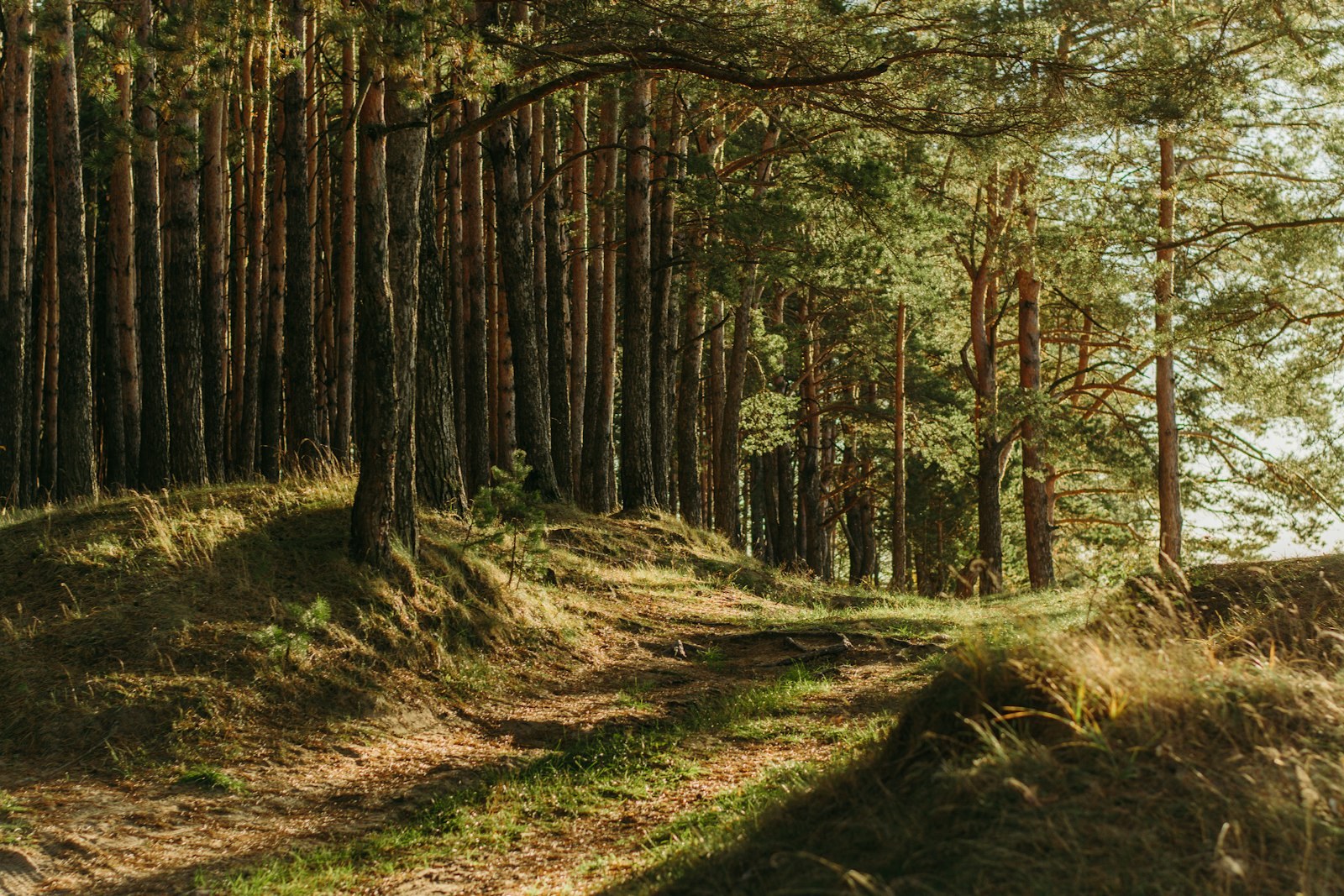
Every other association covered in this cluster -- NWTF, Ducks Unlimited, Trout Unlimited, CCA -- is a national organization with a chapter presence spread across the footprint. Tall Timbers Research Station and Land Conservancy is a different kind of asset entirely: a single, named, hyper-regional research institution and land conservancy, headquartered in Leon County, Florida, deeply embedded in the Red Hills quail plantation belt straddling the Georgia-Florida border, and running fire ecology research on that specific landscape since 1958.
That specificity is exactly what makes a real Tall Timbers relationship such a valuable citation asset for a Red Hills quail plantation. A national conservation group's chapter network exists everywhere; Tall Timbers' actual research authority exists specifically on the habitat type and geography a Red Hills plantation operates within. An AI system answering a question about quail habitat, prescribed fire, or the Red Hills region specifically is likely to weight Tall Timbers' own published research heavily -- and a documented, genuine connection to that research is something a plantation outside the region, or a plantation in the region without the relationship, simply cannot manufacture.
This is also the association relationship in this cluster where overstatement is most tempting and most damaging, because Tall Timbers' credibility is built on rigorous, real research relationships -- claiming a cooperator or easement status you don't actually have is a serious misrepresentation, not a harmless exaggeration.
What Tall Timbers Actually Is
Tall Timbers has run fire ecology and land management research on the Red Hills landscape since 1958, and its work today includes the Private Lands Prescribed Fire Initiative, which supports prescribed burning across a broader area described as the Longleaf Legacy Landscape spanning northwest Florida, southwest Georgia, and southeast Alabama. It's both a working research institution and a land conservancy, meaning its relationships with individual landowners can take several distinct forms -- research cooperation, prescribed-fire program participation, or a formal conservation easement on the property itself.
It's worth being precise about scope here: Tall Timbers' RCPP (Regional Conservation Partnership Program) landowner assistance work is geographically limited to specific named areas -- the St. Marks and Aucilla river basins and specific counties in Florida and Georgia -- not a program available to any plantation anywhere in the 11-state footprint. A plantation outside those specific basins and counties shouldn't describe itself as eligible for or participating in that particular program.
The Relationships Worth Documenting -- If They're Real
A genuine research-cooperator relationship, where Tall Timbers researchers have conducted fieldwork or data collection on the property, is the strongest possible version of this citation. A prescribed-fire program relationship, where the property participates in Tall Timbers-supported burning within the Longleaf Legacy Landscape, is a second, more geographically specific but still substantial connection. A conservation easement held by Tall Timbers on the property is a third, distinct and formal legal relationship.
None of these should be claimed without direct confirmation from the property owner or manager that the relationship actually exists and in what specific form. This is not a relationship an outfitter or plantation marketing team can infer from general regional reputation or from the fact that the property does prescribed burning at all -- burning your own land using standard regional practices is not the same thing as a documented Tall Timbers program relationship, and the two shouldn't be conflated.
How to Describe It Accurately
If a real relationship exists, describe it specifically: "our land management program participates in Tall Timbers' Private Lands Prescribed Fire Initiative within the Longleaf Legacy Landscape," or "[Property Name] has hosted Tall Timbers research fieldwork since [year]," or "a portion of the property is under a conservation easement held by Tall Timbers Land Conservancy." Each is specific enough to be checkable and doesn't overstate the relationship into something broader than it is.
Avoid vague, borrowed-authority language like "managed using Tall Timbers fire science" when what's actually true is that the property follows regionally common prescribed-fire practices that happen to be consistent with published research -- that's a meaningfully different and lesser claim than an actual program relationship, and the difference matters to anyone checking it closely.
Why This Is a Genuinely Uncopiable Advantage
Tall Timbers' own published research and resources -- including tools like its Prescribed Burn Planner, which the organization keeps current -- are exactly the kind of subject-matter-authoritative content an AI system leans on when answering questions about Red Hills quail habitat and fire ecology specifically. A property with a real, documented relationship to that institution has a link into that authority that a well-written marketing page, however good, cannot replicate on its own.
This is the clearest example in this whole cluster of a citation advantage that literally cannot be purchased or written into existence -- it requires the same underlying land-management relationship that produces the ecological outcome in the first place. For a legacy Red Hills plantation that already has this relationship but has never documented it publicly, this is one of the highest-value, lowest-effort content gaps to close in the entire cluster.
Related Reading
More for operators building the same kind of page -- clays courses and dove outfits that need a specific answer, not another brochure paragraph.
What Trout Unlimited Chapters Can (and Can't) Do for a Guide's Credibility
Your State Wildlife Agency Already Has More Search Authority Than You Do
You Have a Press Kit. Here's the Pipeline That Turns It Into a Feature.
Beyond the Hunting Podcast: Where Else Operators Should Be Guesting
Why an AI Overview Trusts Ducks Unlimited More Than It Trusts Your Homepage
The Directory Listing Nobody Checks Twice — and Why AI Search Does
Your "As Featured In" Bar Is Decoration Unless It's Also Data
The Regional Outdoor Writer Nobody's Pitching (and Should Be)
Frequently Asked Questions
What is Tall Timbers Research Station, briefly?
A research institution and land conservancy that has studied fire ecology and land management on the Red Hills landscape spanning the Georgia-Florida border since 1958, and that today runs programs including the Private Lands Prescribed Fire Initiative across the broader Longleaf Legacy Landscape.
Can any Red Hills plantation claim participation in Tall Timbers' RCPP landowner assistance program?
No -- that specific program is geographically limited to the St. Marks and Aucilla river basins and named counties in Florida and Georgia, not available to every plantation in the region.
Does doing prescribed burning on my own property count as a Tall Timbers relationship?
Not on its own. Standard regional prescribed-fire practice, even if consistent with Tall Timbers' published research, is not the same as a documented program relationship, research-cooperator status, or conservation easement, and shouldn't be described as one.
What's the difference between a research-cooperator relationship and a conservation easement?
A research-cooperator relationship typically involves Tall Timbers researchers conducting fieldwork or data collection on the property. A conservation easement is a distinct, formal legal arrangement in which Tall Timbers Land Conservancy holds development or land-use restrictions on the property. They can exist independently or together, and each should be described as what it specifically is.
How should I describe a real Tall Timbers relationship on my site?
Specifically and modestly: name the actual program or relationship (prescribed-fire program participation, research cooperation, conservation easement) and, if known, how long it's been in place. Avoid vague language implying a broader endorsement or affiliation than what actually exists.
Who should confirm whether a property has a real Tall Timbers relationship before it's used in marketing?
The property owner or land manager directly -- this isn't something a marketing team should infer or assume based on regional reputation or general land-management practices.
Is Tall Timbers' Prescribed Burn Planner something I can reference on my site?
You can link to it as a resource, but doing so doesn't establish a relationship with Tall Timbers on your behalf -- it's simply a published tool, and linking to it should be framed as sharing a resource, not as evidence of a program relationship.
Why is this relationship considered harder to copy than other association citations in this cluster?
Because it requires the same underlying, place-specific land-management relationship that produces the actual ecological outcome -- unlike a banquet sponsorship, it can't be purchased or arranged quickly, which is exactly what makes a real, documented version of it so valuable once it exists.
Work with Pine & Marsh
A real, documented Tall Timbers relationship is a citation a competitor literally cannot copy -- most legacy plantations that have one have never written it down.
Telling that story properly, with the right specificity and none of the overstatement, is a Content & Editorial Program job. Start with a Discovery Call at pineandmarsh.com/contact. What you've built deserves to be found.


Comments