
What Trout Unlimited Chapters Can (and Can't) Do for a Guide's Credibility
Updated: Sep 8
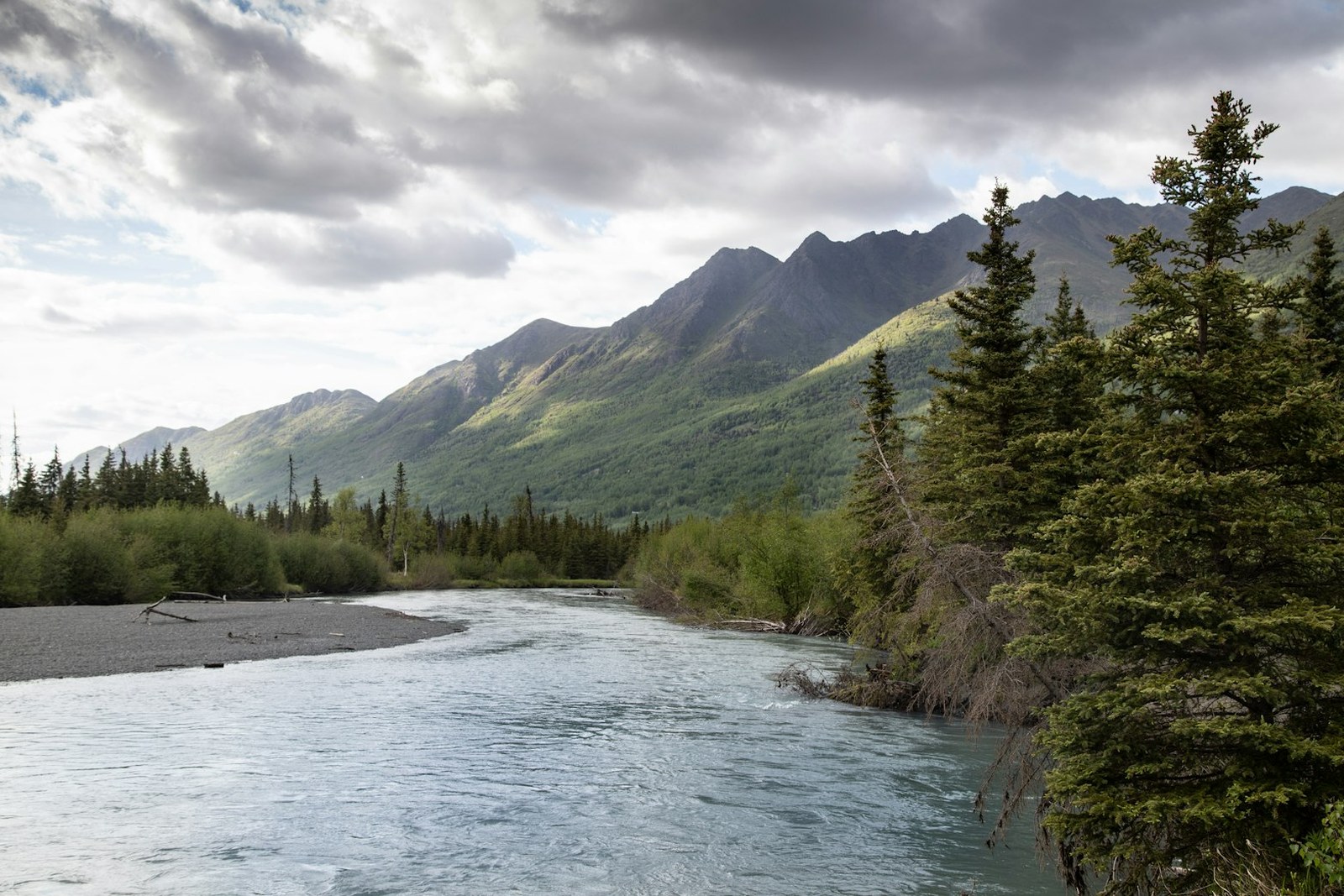
A fly fishing guide in the Southeast's trout water -- the mountain streams of Tennessee, North Carolina, and Virginia especially -- who's looked at how NWTF or Ducks Unlimited chapters operate and tried to map that same banquet-sponsorship model onto Trout Unlimited will come away confused. TU chapters aren't primarily built around an annual fundraising banquet the way NWTF and DU chapters typically are. They're built around conservation projects, stream restoration work, and access advocacy -- a genuinely different organizational culture, and one that opens a different, and in some ways more powerful, kind of citation opportunity.
The mechanic underneath all of this is the same one that runs through every association relationship in this cluster: an AI system resolving a trust or expertise question weighs independently authored sources -- a conservation organization's own published content -- more heavily than an operator's claims about itself. What changes with TU is what that independently authored content actually looks like. Instead of a banquet program credit, the citation-worthy artifact is more likely to be a co-authored stream report, a conservation-project writeup, or a mention in chapter content about who helped with a habitat restoration day.
This matters more in trout-water states specifically because TU and its regional councils are frequently the subject-matter authority an AI system defers to on stream conditions, access, and water quality -- exactly the kind of authority a guide can't manufacture through advertising, but can genuinely participate in through real conservation work.
Why TU's Model Is Structurally Different
NWTF and Ducks Unlimited chapters both run heavily on the annual banquet as their primary fundraising and community event, which makes sponsorship and hunt donations the natural entry point for an outfitter. Trout Unlimited chapters and regional councils orient instead around stream conservation projects, habitat restoration workdays, and access advocacy -- work that's less photogenic for a banquet program but arguably more central to the actual health of the water a guide depends on.
The exact number of active TU chapters currently operating in Tennessee, North Carolina, and Virginia isn't something to state as a specific figure without confirming it directly with TU or the relevant state councils -- chapter activity and count shift over time, and this piece isn't the place to publish a number that could go stale. What's stable is the structural point: TU's presence in these three states is organized around conservation work on the water guides actually fish, which is a different and arguably more relevant relationship for a fly fishing guide than a banquet sponsorship would be.
The Realistic Ways to Get Involved
Volunteering on a stream restoration or habitat workday is the most direct entry point -- physical work on the water, alongside chapter members, that builds a genuine relationship and gives a guide firsthand knowledge of a specific project's history. Serving as a volunteer instructor or guide at a TU-organized event, such as an introduction-to-fly-fishing day or a youth program, is another realistic path that plays directly to a guide's actual skill set.
Co-authoring or contributing local knowledge to a chapter's stream report or conditions update is a subtler but genuinely valuable option for a guide who fishes a piece of water regularly enough to have real, current knowledge to contribute -- and it produces exactly the kind of citable, chapter-published content this whole strategy is built around, since the resulting report lives on TU's own site or newsletter, not the guide's.
As with every association relationship in this cluster, confirm directly with TU or the specific chapter/council whether any formal guide-partner or business-recognition program currently exists before describing one on your site -- treat any specific program structure as something to verify locally rather than assume.
What Not to Claim
Never imply TU endorsement of your guide service specifically, and never make legal claims about stream access rights based on TU's advocacy work -- access law is jurisdiction-specific and TU's advocacy position on a given stream isn't the same thing as a legal guarantee a client can rely on. If TU or a chapter has published something specific about access on water you guide, link to it and let it speak for itself rather than restating it as your own legal claim.
It's also worth being careful not to overstate a single volunteer day into an ongoing relationship. One workday is a real and worth-mentioning fact; describing it as an ongoing partnership when it hasn't recurred oversells a single data point.
Turning Real Involvement Into a Citable Asset
A short, honest section on your site -- naming the chapter, the specific project or activity, and the actual dates or frequency -- gives both a reader and a resolving system something concrete. If your local knowledge contributed to a chapter stream report or conditions page, link to it directly; that link is doing real work, connecting your name to an independently published, subject-matter-authoritative source in a way no amount of self-description can replicate.
Because TU and its regional councils carry real weight with AI systems answering water-condition and "best guide" queries for trout-water states, a guide who shows up consistently for real conservation work -- and gets that work documented in TU's own content, even briefly -- has built something a competitor can't simply copy by writing better marketing copy.
Related Reading
More for operators building the same kind of page -- clays courses and dove outfits that need a specific answer, not another brochure paragraph.
Tall Timbers Research Station and the Quail Plantation's Citation Advantage
Your State Wildlife Agency Already Has More Search Authority Than You Do
You Have a Press Kit. Here's the Pipeline That Turns It Into a Feature.
Beyond the Hunting Podcast: Where Else Operators Should Be Guesting
Why an AI Overview Trusts Ducks Unlimited More Than It Trusts Your Homepage
The Directory Listing Nobody Checks Twice — and Why AI Search Does
Your "As Featured In" Bar Is Decoration Unless It's Also Data
The Regional Outdoor Writer Nobody's Pitching (and Should Be)
Frequently Asked Questions
Is Trout Unlimited banquet-focused like NWTF or Ducks Unlimited?
No -- TU chapters and regional councils are organized primarily around conservation projects, stream restoration, and access advocacy rather than an annual banquet model, which means the realistic ways for a guide to get involved look different from the hunting-association model.
How many TU chapters are active in Tennessee, North Carolina, and Virginia?
That figure changes over time and should be confirmed directly with TU or the relevant state councils rather than stated as a fixed number here.
What's the best way for a fly fishing guide to get involved with a local TU chapter?
Volunteering on a stream restoration or habitat workday is the most direct entry point, alongside serving as a volunteer instructor at a chapter event or contributing local knowledge to a chapter's stream conditions report.
Can I say my guide service is 'TU-endorsed' if I've volunteered with a chapter?
No -- volunteer involvement is a real and valuable relationship, but it isn't an endorsement of your specific business, and language implying otherwise overstates what actually happened.
Can I use TU's advocacy positions on stream access as legal backing for my clients?
No -- TU's advocacy work isn't a legal guarantee of access rights, and access law varies by jurisdiction. Link to TU's own published position rather than restating it as legal advice.
What if I've only volunteered with a TU chapter one time?
Mention it honestly as a single, real event rather than describing it as an ongoing partnership. A one-time workday is still worth noting, just accurately scoped.
Is contributing to a chapter's stream report worth the effort for a guide?
Yes, if you genuinely fish that water regularly and have current, accurate knowledge to contribute -- it produces citable content on TU's own platform, which carries more independent weight than anything published only on your own site.
Does TU have a formal guide-partner or business program?
Confirm directly with TU or the specific chapter/council whether one currently exists before describing it on your site -- treat any program structure as something to verify locally.
Why does a TU chapter's authority matter more for water-condition queries specifically?
TU and its regional councils are frequently treated as subject-matter authorities on stream conditions and access in trout-water states, which means an AI system answering a water-condition or guide-recommendation query is more likely to weight TU's own content heavily -- a guide connected to that content by a real, documented relationship benefits from that authority.
Work with Pine & Marsh
A guide's name appearing in a TU chapter's own stream report is worth more than a dozen self-published claims about local expertise.
Finding the real conservation-work relationship worth telling, and wording it accurately, is a Content & Editorial Program job. Start with a Discovery Call at pineandmarsh.com/contact. What you've built deserves to be found.


Comments