
Low, Clear, and Still Fishable: What Drought Really Does to a Trip
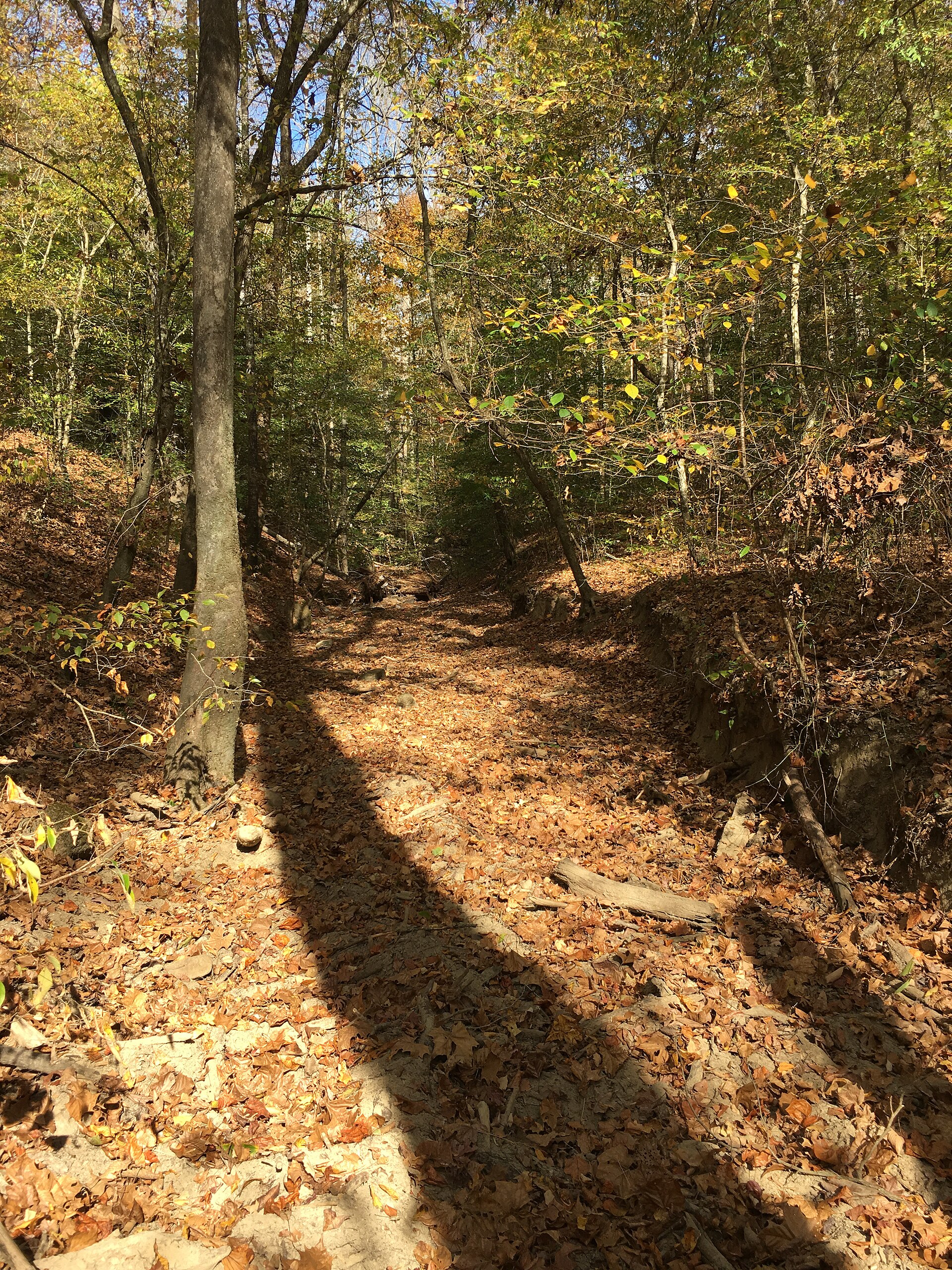
High water gets most of the attention in weather-related trip anxiety, but drought and low water raise a quieter, less-discussed version of the same worry: if the river is low and clear, is the trip even worth taking? For most fisheries, the honest answer is that low water changes how a day is fished far more often than it cancels the day outright.
That's a genuinely useful thing to explain clearly, because a client who assumes drought automatically means poor or canceled fishing may show unnecessary anxiety in the weeks before a trip, or worse, may talk themselves out of booking a genuinely good window based on a misunderstanding of what low water actually does to a fishery.
This piece lays out how to write that explanation honestly -- acknowledging that low water is a real factor worth taking seriously, without either overstating it as a guaranteed dealbreaker or understating it as something that never matters.
What Low Water Actually Changes
Low, clear conditions typically shift how a guide approaches a day rather than whether the day happens at all. Fish in low, clear water tend to spook more easily, which often means finer leaders and tippet, more careful, less obtrusive presentation, and sometimes a shift toward fishing early morning or late evening hours when fish are more willing to feed in bright, low conditions. None of that requires canceling a trip -- it requires a guide who knows how to adjust.
This is worth stating plainly because the instinct many first-timers have -- that low water simply means bad fishing -- isn't accurate as a general rule. It's closer to the truth that low water means different fishing, requiring different tactics, which a competent guide already knows how to apply.
Tailwater Versus Freestone: Drought Behaves Differently
A dam-controlled tailwater and a rain-fed freestone stream experience drought differently, and it's worth distinguishing the two at a category level. A tailwater's flow is set by a minimum-release schedule from the dam, which means even during a broader regional drought, that stretch of water may maintain a baseline flow that keeps it fishable in a way a freestone creek, entirely dependent on rainfall, cannot. A freestone stream in genuine drought can drop to levels that meaningfully change both fishability and fish welfare, which is a real and different situation from a tailwater running its normal controlled minimum.
This distinction is exactly why a general explainer shouldn't flatten "drought" into one universal outcome -- the same regional dry spell can mean very little to one type of fishery and quite a lot to another, and a page that explains that difference is doing real, useful work for a reader trying to understand their specific trip.
Public Tools That Exist, Named Honestly
The U.S. Drought Monitor is a public, government-run resource that publishes regularly updated maps showing drought intensity across the country, and it's a legitimate, general reference point for understanding regional conditions. It's not, however, a trip-cancellation switch -- a region showing moderate drought on that map isn't automatically unfishable, and the map alone doesn't tell a reader what a specific stretch of water is actually doing on a specific day.
Framing the Drought Monitor as useful public context, rather than as a predictive tool for any one trip, keeps the page accurate without overstating what that resource can actually tell a reader about their specific booking.
When Low Water Genuinely Does Affect a Trip
It would be dishonest to claim low water never affects quality or availability, and a page shouldn't make that claim. Severe, sustained drought conditions on a freestone stream can genuinely stress a fishery and can be a legitimate reason a specific operator chooses to pause or modify a program for conservation reasons -- that's a real, responsible decision an individual operator might make, and it belongs on that operator's own page as their own policy, not as a universal regional statement.
The honest middle ground: low water is a real factor that changes tactics and sometimes, in severe cases on the wrong kind of water, genuinely limits what's possible -- but it is not, as a general rule, an automatic reason to cancel or avoid booking a trip.
Building the Page
A working structure: lead with the reassuring, accurate headline -- low water usually means different tactics, not a canceled trip; explain what actually changes (leader/tippet, presentation, timing) in practical terms; distinguish tailwater from freestone behavior under drought at the category level; name the U.S. Drought Monitor as a legitimate public reference without overstating what it predicts for any one trip; and close with an honest acknowledgment that severe cases exist and, where relevant, a pointer to the operator's own specific policy on pausing a program during extreme conditions.
That structure answers the real underlying question -- should I be worried -- with a genuinely useful, calibrated answer rather than either false reassurance or unnecessary alarm.
Related Reading
More for operators building the same kind of page -- clays courses and dove outfits that need a specific answer, not another brochure paragraph.
The Calendar Problem: How Early You Actually Need to Book a Guide
There's No Single Best Season -- Just the Right One for the Water You Want
Forget the Hatch Chart: Why Timing a Trip Around One Bug Is a Myth
When the River Says No: What Actually Happens on a High-Water Day
The Last-Minute Booking: What's Actually Left on a Guide's Calendar This Week
Weekday Versus Weekend: Which Dates Disappear First on a Guide's Calendar
Planning a Multi-Day Trip? Start Your Calendar Math Earlier Than You Think
When the Wind Decides: How a Guide Calls a Trip on a Marginal Day
The Bigger the Group, the Earlier the Ask: Booking a Fly Fishing Trip for a Crowd
When the Water Closes: How Spawning Season Can Reshape Your Trip Dates
Who Owns the Fly Box? What's Included in Your Guide's Rate -- and What Isn't
Frequently Asked Questions
Does drought or low water mean my guided fly fishing trip will be canceled?
Not as a general rule. Low, clear water usually changes tactics -- finer leaders, more careful presentation, sometimes different hours -- rather than canceling the day. Severe, sustained drought on certain waters can be a different situation, but it's not the typical outcome.
How does low water actually affect the fishing?
Fish in low, clear conditions tend to spook more easily and can become more selective, which usually means a guide adjusts leader and tippet size, presentation style, and sometimes the time of day fished -- rather than the trip simply being unproductive.
Does drought affect tailwaters and freestone streams the same way?
No. A dam-controlled tailwater often maintains a baseline flow from a minimum-release schedule that can keep it fishable even during a regional drought, while a rain-fed freestone stream depends entirely on rainfall and can drop to genuinely limiting levels during sustained dry conditions.
What is the U.S. Drought Monitor, and should I check it before my trip?
It's a public, regularly updated government resource showing drought intensity across regions. It's useful general context, but it's not a trip-specific predictor -- it won't tell you exactly what a specific stretch of water is doing on your trip date.
Can severe drought actually stop an operator from running trips?
Yes, in genuinely severe cases some operators choose to pause or modify a specific program for conservation or quality reasons. That's a decision made by that operator for that water, and it should be described on that operator's own policy page rather than assumed as a general regional rule.
Is low, clear water ever an advantage for fly fishing?
It can require more skill and more careful technique, which some anglers genuinely enjoy as a different kind of challenge than high, murky water. It's a different day, not automatically a worse one.
Should I reschedule my trip if the region is listed as being in drought?
Not automatically -- check with the specific operator about the specific water you're booked on, since a regional drought designation doesn't tell you how that particular stretch is actually fishing. Tailwaters in particular can remain in good shape even during broader dry conditions.
What's the honest bottom line on drought and guided trips?
Low water is a real factor that changes tactics and, in severe cases on the wrong kind of water, can genuinely limit fishability -- but it is not, by default, a reason to cancel or avoid booking. A good guide adapts to it rather than being stopped by it.
Work with Pine & Marsh
Drought sounds like a trip-killer in a headline, but the honest, operator-level truth -- different tactics, not a canceled day -- is exactly the kind of nuance most sites never bother to explain.
Writing the calibrated, honest version of a weather-anxiety page -- neither false reassurance nor needless alarm -- is precisely the editorial work 44 Recreation Agency's Content & Editorial Program does for outfitters. If your site is silent on what low water actually means for a trip, a discovery call is the place to start: pineandmarsh.com/contact. What you've built deserves to be found.


Comments