
What to Expect on a Guided Turkey Hunt, and What to Bring
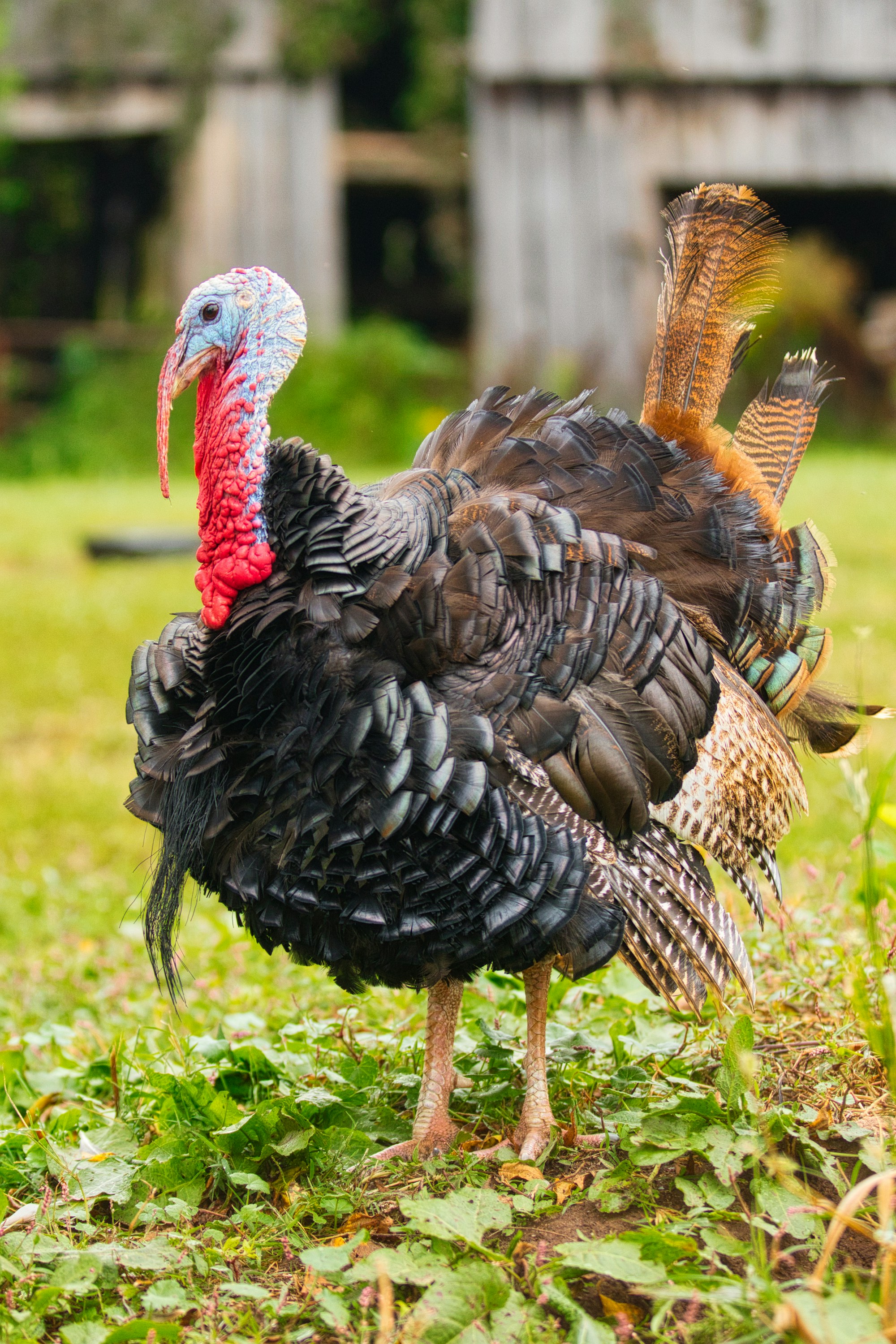
A guided turkey hunt is a pre-dawn meetup, a setup your guide picks, a lot of sitting still, and a shot you take when the guide says the bird is in range. You bring the camouflage, the license and (usually) the shotgun. The guide brings the knowledge of the property and, most often, the calling.
That is the short version. Every outfitter runs things a little differently, so treat this as a framework and ask your outfitter the questions near the end.
What a Guided Turkey Hunt Day Looks Like
No single Southeastern schedule applies to every outfitter, and we found no source that publishes one. The sources we checked do agree on the general shape of the day.
One East Tennessee operator describes its hunts this way on its turkey trips page (checked October 13, 2026): a pre-dawn arrival, one-on-one or small-group hunts, calling and decoy setups, and either ground blinds or a more mobile style of hunting, all on private land.
Combined with guidance from Guidefitter and the National Wild Turkey Federation (NWTF), a typical morning looks like this:
Meet the guide before first light. Your outfitter will tell you where and when.
Go to the setup the guide chooses, often with decoys out and sometimes in a ground blind. Ask how far you will walk, because we could not confirm a standard distance.
Sit still and stay quiet. Much of a turkey hunt is waiting.
Let the guide do the calling. Guidefitter's 2018 guide to booking a turkey hunt says most professional guides prefer to call, and that the hunter's job is to follow the setup and make the shot.
Shoot only when the guide says the bird is in range and you have a clear aim point.
We found no source confirming a typical quit time, so ask how long the hunt runs.
The Guide's Role: Calling, Setups and Decisions
Guidefitter's article recommends that you pattern your shotgun and know your aim point on the head and neck of the bird before you arrive. The guide reads the bird, positions you, and decides when to call and when to wait. NWTF's March 1, 2026 checklist names box calls as an easier place to start, but on a guided hunt, check before you use one.
What the Guide Usually Provides, and What You Bring
Practices vary by outfitter, so confirm each item before you book. The East Tennessee operator lists these as included: the guide, decoys, calling and private-land access. It lists these as things the hunter brings: camouflage, boots, gloves, a face covering, snacks, water, a Tennessee hunting license with a turkey tag, and a shotgun and ammunition. The page says the shotgun and ammunition are not provided.
We could not confirm that every guide provides a shotgun, blind, meals or a chair, so ask. For costs, see our guided turkey hunt cost guide. For the people side, see our post on turkey hunting mentorship.
Turkey Hunting Gear and Camo Checklist
This list combines the NWTF Preseason Gear Checklist (March 1, 2026) with the packing list in the Guidefitter article (March 29, 2018).
License and turkey tag, plus a pen to fill in any paper tag or harvest record. NWTF says to keep tags and a pen accessible before the hunt.
Camouflage matched to the terrain, with gloves and a face mask.
Layers, a hat, rain gear and boots, per Guidefitter.
Your shotgun, with a turkey choke installed and tested with the ammunition you will carry.
Enough ammunition to pattern the gun before the hunt.
Water and snacks.
A knife, binoculars and a first-aid kit (NWTF).
A vest or backpack and a seat. Guidefitter describes a vest as useful but optional on a guided hunt.
Insect protection. NWTF includes permethrin for ticks.
Shotgun and Choke Basics
NWTF's checklist says to install a turkey choke and pattern-test it with the ammunition you plan to use. It does not name a legal choke or shot size, because those are state matters. Different loads shoot different patterns from the same gun, so shoot at paper before opening morning.
Shot size and methods are set by each state and can differ between private land and public areas. These are the lines in the agency pages we opened on October 13, 2026:
| State | Shotgun line printed on the agency page | |---|---| | Alabama | On wildlife management areas (Rule 220-2-.55): 10 gauge or smaller, No. 2 shot or smaller. No statewide private-land shot size found; confirm with the agency. | | Florida | On wildlife management areas (FWC 2026 guide): No. 2 or smaller shot. | | Georgia | 2025-2026 regulations: No. 2 or smaller shot. | | South Carolina | Section 50-11-500 bars rifles, pistols, buckshot and slugs. No shot size found; confirm with SCDNR. | | Tennessee | TWRA: No. 4 shot or smaller. Rifles and handguns prohibited. |
For other states, including Mississippi, North Carolina, Kentucky, Virginia, Louisiana and Arkansas, we did not confirm shotgun rules. Confirm with the state agency.
Licensing, Shooting Hours and Seasons
Buy your license from the state, and check current requirements before you travel. From the pages we opened on October 13, 2026:
Florida (FWC): a nonresident must buy a nonresident annual hunting license, and a 10-day nonresident license cannot be used during spring turkey season.
Georgia (DNR release, March 19, 2026): hunters 16 and older need a hunting license and a big game license unless on their own private land. Every turkey hunter, including youth, needs a free harvest record.
South Carolina (SCDNR): all hunters, including people calling or guiding, must possess a valid set of turkey tags.
Shooting hours also differ by state:
Alabama: Rule 220-2-.05 says game-bird hours in season are daylight hours only. The 2026-2027 Outdoor Alabama turkey page prints daylight to 1 p.m. on its wildlife management area and national forest lines. Confirm what applies to your property.
Florida: outside the wildlife management area system, one-half hour before sunrise to sunset (FWC 2026 guide).
Georgia: 30 minutes before sunrise to 30 minutes after sunset in the 2025-2026 regulations. We did not confirm 2027 hours.
South Carolina: Section 50-11-500 bars shooting a wild turkey between 30 minutes after official sunset and 30 minutes before official sunrise.
Tennessee: 30 minutes before legal sunrise to legal sunset (TWRA).
Season dates change every year. For example, Tennessee's 2027 general spring season is April 3 through May 16, 2027. Check the agency before you book.
Guiding on public ground is governed by the managing agency. Paid guiding on a national forest needs a U.S. Forest Service special-use permit, and some states bar paid guiding on their wildlife management areas. If an outfitter says they guide on public ground, ask to see the permit, and confirm with the state agency or the Forest Service.
After the Shot: Tagging and Reporting Rules
This is the part first-timers miss. In several states the clock starts the moment the bird is down, even with a guide standing there. Ask your guide to walk you through it.
| State | What the agency page says (checked Oct 13, 2026) | |---|---| | Alabama | Record the harvest immediately on a harvest record (paper or app), then report through Game Check within 48 hours. The Outdoor AL app can record with no cell service. | | Georgia | Enter the date and county on your harvest record before moving the bird, then complete Georgia Game Check within 24 hours. | | South Carolina | Report every harvested turkey electronically by midnight on the day of harvest, after tagging. | | Tennessee | Check it in on a smartphone, or tag it and check it in, before midnight on the day of harvest, and before the animal is gifted or leaves the state. | | North Carolina | Reporting is required for wild turkey. Punch the paper report card or validate in the app before moving the animal, and register by noon the day after harvest, or sooner if the bird is dressed, left unattended or given away. | | Florida | The FWC guide we opened does not state a private-land reporting duty. Confirm with FWC. | | Mississippi, Kentucky, Virginia, Louisiana, Arkansas | Not confirmed for this post. Confirm with the state agency. |
These are summaries. The agency pages are the rule, and they can change between seasons.
Questions to Ask Your Outfitter Before You Book
Is the hunt on private land, and if not, who holds the permission?
What is included: calling, decoys, blind, meals, a loaner shotgun?
How far will we walk?
Who handles tagging and reporting?
What are the deposit and cancellation terms?
We could not verify a typical success rate, and no outfitter should promise a bird.
For Outfitters
In our hunting audit of 493 Southeastern operators, 124 audited operators carry a turkey tag. We could read 122 of their websites (homepage scan, October 2026), and 22 percent of those 122 sites had FAQ content. A plain page answering what the hunt looks like, what to bring and what is included helps hunters and search tools alike. See our marketing playbook for Southeast turkey outfitters and our look at Osceola turkey outfitters in central Florida.
Work with Pine & Marsh
If you guide turkey hunts and want a clearer online picture of what a hunter should expect, book a discovery call with Pine & Marsh. We help Southeastern outfitters turn their field knowledge into pages that hunters and search tools can find and trust. What you've built deserves to be found. Start at pineandmarsh.com/contact.
Frequently Asked Questions
What does a guided turkey hunt include?
It varies. One East Tennessee operator's page (checked October 13, 2026) lists the guide, decoys, calling and private-land access, and says the hunter brings camouflage, a license, and a shotgun and ammunition. Ask each outfitter.
Who does the calling on a guided turkey hunt?
Guidefitter's 2018 article says most professional guides prefer to do the calling, and that the hunter follows the setup and makes the shot. Ask your guide whether you can call.
What should I wear on a turkey hunt?
NWTF's March 1, 2026 checklist calls for camouflage matched to the terrain, plus gloves and a face mask. Guidefitter adds layers, a hat, rainwear and boots.
Do I need to bring my own shotgun?
On the East Tennessee operator page we opened, the shotgun and ammunition are not provided. Other outfitters may differ, so ask. Pattern your gun with a turkey choke and the ammunition you will carry, as NWTF advises.
How soon do I have to report a turkey?
It depends on the state. As of October 13, 2026, the agency pages say Alabama requires a Game Check report within 48 hours, Georgia within 24 hours, and South Carolina and Tennessee by midnight on the day of harvest. Confirm the current rule with your state agency.
Can I use a Florida 10-day nonresident license for spring turkey?
No. According to the FWC 2026 Spring Turkey Hunt Guide, a 10-day nonresident hunting license cannot be used during the spring turkey season. A nonresident must buy a nonresident annual hunting license.
What are the legal shooting hours for turkey?
They differ by state. Tennessee is 30 minutes before legal sunrise to legal sunset (TWRA, October 13, 2026). Confirm hours with the state agency.


Comments