
Kayak Fishing Ecosystems: Shallow-Water Ecology of the Southeast's Most Accessible Waters

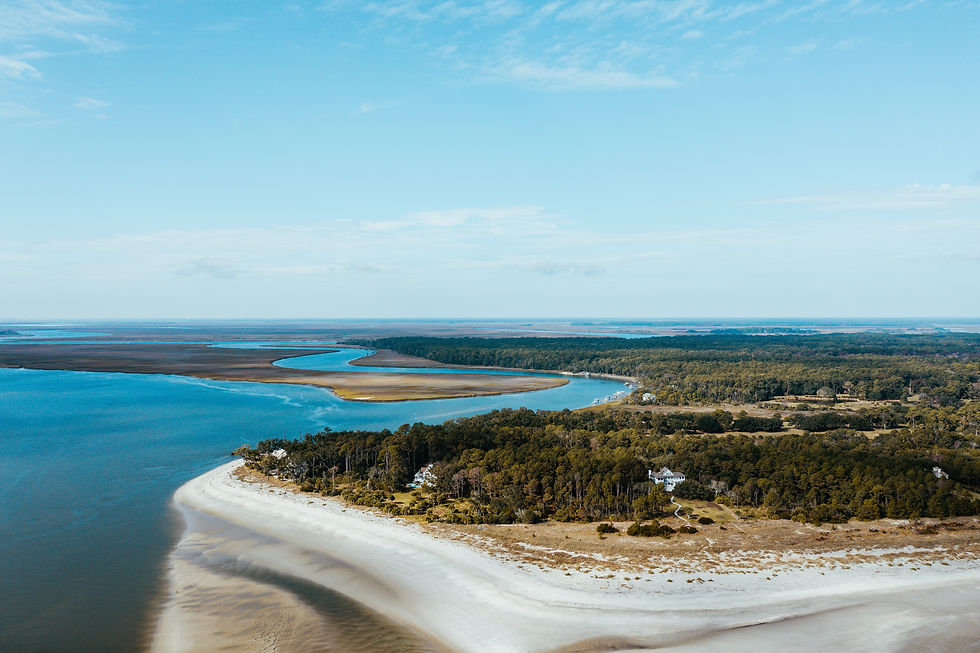
There is a frontier in Southeastern fishing that begins where the outboard stops. Past the last channel marker, where the water thins to a foot, then six inches, then a sheen over the mud, a motorboat runs out of room — and a kayak, a canoe, or a poled skiff keeps going. That skinny water is easy to dismiss as the unimportant edge of the map, the part too shallow to matter. It is exactly the opposite. The shallows are where the estuary does its most important work. Inch for inch, the tidal creeks, grass flats, oyster edges, and backwater sloughs that only a paddler can reach are among the most ecologically productive and most vulnerable waters in the region. This synthesis is about that shallow-water world: why it matters so much, what habitats it contains, what lives there and how, and why the inch-deep frontier is the first thing lost when a shoreline is hardened, a dock is built, or a wake rolls in.
Why the Shallows Matter: The Nursery and the Refuge
Shallow water punches far above its depth ecologically, and it does so in three ways at once. It is the nursery: the great majority of the Southeast's recreationally and commercially important fish and shellfish depend on estuaries for some stage of their lives — estuaries support on the order of two-thirds of the U.S. commercial catch and about eighty percent of the recreational catch — and the juveniles of red drum, spotted seatrout, southern flounder, blue crab, and shrimp concentrate in the very shallowest, most protected water, often less than three feet deep. It is the refuge: that same shallowness is a hiding place, because the large predators that would eat a young fish mostly cannot follow it into a few inches of water, so juveniles trade the physiological stress of swinging temperature and salinity for a real drop in the risk of being eaten. And it is the interface: the shallow margin is where the land meets the water, where the marsh and the forest deliver their nutrients and detritus into the aquatic food web, and where wading birds and shorebirds feed. Nursery, refuge, and interface — all of it happens in the water a kayak floats in.
The single most productive sliver of all of it is the marsh edge — the ragged line where the Spartina grass of a salt marsh meets open water. That edge, where flooded cordgrass gives small animals both food and cover, holds far higher densities of shrimp, blue crabs, red drum, and seatrout than the marsh interior, the bare bottom, or the open channel. An estuary's production scales with how much of this marsh-and-water edge it has — a creek system braided into a thousand little drains and points is doing far more biological work than its acreage alone suggests — though the relationship eventually saturates rather than climbing forever. For a paddler, this is not an abstraction: the productive water is the edge water, and the edge water is shallow.
The Habitats: Oyster Edge, Grass Flat, Creek Mouth, Backwater
The shallow zone is not a single habitat but a mosaic of habitats, each with its own structure and life. The oyster reef is the hard heart of the Southeastern estuary: a bar of living and dead eastern oysters that turns soft mud into a three-dimensional structure, filtering the water and offering a feeding station where small fish and crabs shelter and gamefish come to hunt the edge. The grass flat is the meadow: beds of submerged aquatic vegetation that give both ambush cover and a dense prey base. Which grass depends on where you are — the subtropical turtle grass dominates the clear flats of peninsular Florida and the Gulf, while the shallow estuaries of the Carolinas and Georgia run instead on shoal grass and the salt-and-fresh-tolerant widgeon grass, and the low-salinity upper reaches give way to freshwater plants entirely.
Then there are the moving-water habitats. A creek mouth, where a tidal drain empties onto a flat or into a bigger bay, concentrates current and the food it carries into a narrow fan, and the gamefish know it — a creek mouth on a falling tide is a buffet line, with predators stacked to ambush whatever the current sweeps out of the marsh. And in fresh water, the equivalent is the backwater slough: the still, tannin-dark, cypress-and-tupelo-canopied dead-end off a river or swamp, where flooded timber and a steady rain of leaf litter feed a quiet, shallow ecosystem of its own. Oyster bar, grass flat, creek mouth, cypress slough — these are the four corners of the kayak angler's world, and each fishes and functions differently.
The Fish and How They Live Shallow
The fish that define skinny-water fishing have each evolved a way to use it, and that is what makes them visible — the basis of sight-fishing. The redfish, or red drum, feeds head-down on crabs and shrimp in water so shallow that its tail breaks the surface; a 'tailing' red on a flooded flat is one of the iconic sights in American fishing, a fish you find with your eyes before you ever cast. The flounder, a flatfish, lies buried and motionless on the bottom, and it favors the seams — the transition lines where sand meets mud or grass meets sand — where it can ambush prey drifting past. And in the warm water of central and southern Florida, the snook holds tight to structure, tucked into the prop roots of a red mangrove or along a dock line, waiting to rush out at a passing baitfish. The snook is worth a special note: it is a tropical fish at the northern edge of its range, acutely cold-sensitive, and a hard winter freeze can kill them by the thousands — the 2010 cold event devastated Florida's snook — which is why it is a Florida specialty and not a Southeast-wide fish.
Those fish are not in the shallows year-round, and reading their seasonal rhythm is half of fishing for them. The driver is the water temperature. In the cold of winter, inshore gamefish pull off the exposed flats and stack up in the deeper holes, channels, and creek bends that hold their warmth and buffer the temperature swings — though on a sunny winter afternoon they will slide back up onto a dark mud flat that the sun has warmed. As spring comes and the water heats, they disperse back out onto the shallows to feed and spawn. Underneath all of it runs the food web that makes the whole thing possible, and it begins not with a fish but with dead grass: the decomposing Spartina of the marsh, broken down into detritus, feeds the small invertebrates — grass shrimp, tiny crabs, killifish — that the gamefish in turn eat. (Newer science adds that the microscopic algae on the mud and in the water column are an equally important base, but the detritus pathway is real and central.) The redfish tailing on the flat is, in the end, eating the marsh.
The Most Vulnerable Water: Shoreline, Wake, and Shade
The same shallowness that makes this water so productive makes it the most fragile water in the estuary, the first to be degraded by what people build along the shore. The clearest example is the choice between a living shoreline and a bulkhead. A living shoreline — marsh grass planted behind an oyster reef or a low sill of natural material — holds the bank while preserving the gradual, shallow, vegetated margin that all that nursery life depends on. A bulkhead or seawall does the opposite: it replaces the gentle shallow edge with a vertical wall, reflects wave energy back to scour out the bottom in front of it, and erases the intertidal zone entirely, trading a living margin for a dead one. Up and down the coast, the slow conversion of soft, vegetated shoreline to hardened wall is a quiet subtraction of exactly the habitat that matters most.
Two more pressures come from the water itself. Boat wake is one: the repeated energy of motor traffic in a narrow creek erodes and undercuts the marsh edge, peeling away the very interface that does the most work. Shade is another, subtler one: a dock or pier laid over a grass flat blocks the sunlight the seagrass beneath it needs, and the SAV simply dies in the shadow, so that a marina or a row of docks can quietly clear a meadow of grass. And out on the flats themselves, the propeller is a direct wound — a motorboat run too shallow tears the bottom, and the resulting prop scars in seagrass beds, documented across Florida since at least the mid-1990s as tens of thousands of acres of damage, can take a decade or more to heal. The management answer, where it exists, is to limit the motor: idle-speed, no-motor, and trolling-motor or pole-and-troll-only zones protect the most sensitive flats, manatee areas, and grass beds — and they are, not coincidentally, the water best suited to a quiet boat with no motor at all. The kayak is not just a way into the shallows; in the most fragile of them, it is the gentlest way through.
Key Takeaways
Shallow water (often under about three feet) is disproportionately important: it is the primary nursery for juvenile red drum, spotted seatrout, southern flounder, blue crab, and shrimp; a predation refuge where small fish escape larger predators; and the land-water interface that feeds the food web and the wading birds. Roughly three-quarters of the Southeast's recreationally and commercially important species depend on estuaries for some life stage (estuaries support about two-thirds of the U.S. commercial and roughly 80 percent of the recreational catch), and the marsh edge is the single most productive zone per unit area.
The shallow zone is a mosaic of habitats: oyster reef edges (hard structure and feeding stations), submerged grass flats (turtle grass in peninsular Florida and the Gulf; shoal grass and widgeon grass in the Carolinas and Georgia), creek-mouth delta fans where currents concentrate food, and freshwater cypress-tupelo backwater sloughs. Each supports a different assemblage and fishes differently.
The signature shallow-water gamefish each use the habitat in a sight-fishable way: redfish tail-head down on flats, flounder ambush at sand-to-mud transitions, and snook hold in mangrove roots and structure (snook is a cold-sensitive, largely Florida species, vulnerable to winter freezes). Seasonally, inshore fish hold in deeper holes in cold weather and spread onto the flats as the water warms, and the whole system runs on a food web rooted in marsh detritus and microalgae through grass shrimp and small invertebrates.
Shallow-water habitat is also the most vulnerable to shoreline change: living shorelines preserve it while bulkheads and seawalls eliminate the intertidal margin; boat wake erodes marsh edges; dock and pier shading kills the seagrass beneath; and propeller scarring damages grass flats for years. No-motor, idle-speed, and trolling-motor-only zones are the main tools for protecting sensitive shallows — the same water human-powered craft are built to fish. Regulations and protected-zone boundaries change — confirm current state rules.
Frequently Asked Questions
Why is shallow water so important ecologically?
Because it does three critical jobs at once. It is the primary nursery habitat for juvenile fish and crustaceans — red drum, spotted seatrout, southern flounder, blue crab, and shrimp all rear in shallow estuarine water. It is a predation refuge, because the large predators that eat young fish generally cannot follow them into a few inches of water, so juveniles gain protection in exchange for tolerating the bigger temperature and salinity swings of the shallows. And it is the land-water interface, where marsh and forest deliver nutrients and detritus into the food web and where wading birds and shorebirds feed. Roughly three-quarters of the Southeast's recreationally and commercially important species depend on estuaries for some life stage, and the shallowest, most protected water is where the youngest of them concentrate.
What fish use the shallows, and why?
In Southeastern salt and brackish shallows, the headline gamefish are red drum (redfish), spotted seatrout, and southern flounder, with snook added in warm central and southern Florida; freshwater shallows and backwaters hold largemouth bass, panfish, and other species. They use shallow water to feed on the dense prey base there — crabs, shrimp, baitfish, and worms — and, as juveniles, for the protection it offers from larger predators. Each has a characteristic behavior: redfish feed head-down on flats (often 'tailing'), flounder lie on the bottom and ambush prey along sand and mud transitions, and snook hold tight to mangrove roots and structure. Their use of the shallows is strongly seasonal, driven mostly by water temperature.
What is the marsh edge, and why does it matter?
The marsh edge is the boundary where a salt marsh's cordgrass (Spartina) meets open water — the flooded fringe of the marsh. It matters because it is the most productive part of the estuary per unit area: that edge offers small animals both food and cover, and it consistently holds far higher densities of shrimp, blue crabs, red drum, and seatrout than the marsh interior, bare bottom, or open channel (the 'marsh-edge effect'). An estuary's overall production scales with how much marsh-to-water edge it has, so a heavily braided creek system with lots of edge is biologically far richer than its acreage alone suggests — though the benefit eventually levels off rather than increasing without limit. For anglers, the productive water is almost always the edge water.
What kinds of seagrass grow in Southeast shallows?
It depends on the region. The clear, warm flats of peninsular Florida and the Gulf of Mexico are dominated by turtle grass (Thalassia testudinum), a large subtropical seagrass, along with shoal grass and manatee grass. The South Atlantic Bight — the Carolinas and Georgia — has very little turtle grass (its Atlantic range barely reaches northeastern Florida); there, the shallow submerged vegetation is mainly shoal grass (Halodule wrightii) and widgeon grass (Ruppia maritima), the latter unusually tolerant of low and variable salinity. In the freshest, lowest-salinity upper estuaries and backwaters, true seagrasses give way to freshwater submerged plants like wild celery and eelgrass. All of these beds provide the same two things: ambush cover and a dense prey base.
Why do redfish 'tail,' and what is sight-fishing?
A redfish 'tails' when it feeds head-down on crabs, shrimp, and other prey on the bottom of a very shallow flat; with its nose in the mud, its tail tips up and breaks the surface, often waving in the air. In water only inches deep — such as a marsh flat flooded by a high tide — those exposed tails give the fish away, and an angler can spot them, approach quietly, and cast to a specific fish. That is sight-fishing: finding and targeting an individual visible fish rather than blind-casting. It is the signature of shallow-water angling, and the reason the skinny water a kayak or poled skiff can reach is so prized — the same shallowness that makes the habitat ecologically vital also makes the fish visible and catchable.
How do docks, bulkheads, and boat wakes harm shallow-water habitat?
Each removes a piece of the shallow zone. A bulkhead or seawall replaces the gradual, vegetated, intertidal margin — the nursery and marsh-edge habitat — with a vertical wall that reflects wave energy, scours out the bottom in front of it, and eliminates the shallow edge entirely. Boat wake from motor traffic erodes and undercuts marsh edges over time, peeling away that same productive interface. Dock and pier shading blocks sunlight from the submerged grass beneath, and the seagrass dies in the shade, so docks and marinas can clear grass beds. And propeller scarring from motorboats runs too shallow gouges in seagrass flats, leaving scars that can take a decade or more to recover. Collectively these are why shallow water, despite its ecological importance, is the habitat most easily lost to shoreline development.
What is a living shoreline?
A living shoreline is an erosion-control approach that stabilizes a bank using natural materials — typically planted marsh grass, often backed by a constructed oyster reef or a low sill of rock or shell — instead of a hardened bulkhead or seawall. The advantage is that it holds the shoreline while preserving (and often creating) the shallow, gradual, vegetated margin that estuarine nursery life depends on, thereby protecting property and habitat. By contrast, a bulkhead protects the property but destroys the shallow edge. Living shorelines also continue to filter water, support oysters, and absorb wave energy rather than reflect it. State coastal programs across the Southeast increasingly encourage living shorelines over hardened structures for exactly these reasons.
Why are kayaks and other paddle craft good for fishing the shallows?
Because they can go where the fish and the habitat are. A kayak, canoe, or paddleboard draws only an inch or two of water, so it can reach the ankle-deep tidal creeks, flooded marsh flats, and backwater sloughs that a motorboat cannot — the exact shallow zones where nursery habitat and feeding fish are concentrated. They are also quiet, which matters when you are sight-fishing for spooky fish in clear, shallow water, and they do no propeller damage to seagrass or marsh, making them well suited to the no-motor and pole-and-troll zones set aside to protect sensitive habitat. In short, human-powered craft provide access to the most productive and most fragile waters while being the gentlest way to travel through them.
Citations and Sources
This synthesis draws on federal and state estuarine science programs and the peer-reviewed nursery habitat literature. Seasons, protected-zone boundaries, and management rules change — verify current details with the relevant state agency before fishing.
Federal agencies
NOAA Fisheries (estuary and essential fish habitat, nursery-role science, and the estuary-dependence statistics for U.S. commercial and recreational catch); the NOAA National Estuarine Research Reserve System; and the U.S. Geological Survey (shallow-water and shorebird habitat).
State agencies and Sea Grant
Florida FWC and the Fish and Wildlife Research Institute (seagrass, snook, and prop-scar work), South Carolina DNR (tidal-creek and estuarine research), Georgia DNR, the North Carolina Division of Marine Fisheries and DEQ (flounder and estuarine nursery surveys), Texas Parks and Wildlife, Louisiana Wildlife and Fisheries, Alabama, Mississippi, and Virginia marine agencies, and the regional Sea Grant programs (living shorelines and habitat guidance); plus the Atlantic States Marine Fisheries Commission for red drum, spotted seatrout, and flounder life history.
Research literature
Minello and colleagues on marsh-edge nekton production; Beck et al. and Sheaves et al. on the nursery-role and shallow-water-refuge concepts; and Sargent et al. (1995) on Florida seagrass propeller scarring, along with the broader literature on living shorelines, SAV light requirements, and estuarine detritus food webs.
Confidence note: Shallow water is confirmed as critical nursery, predator-refuge, and land-water-interface habitat, and tidal creeks are confirmed primary nurseries for red drum, spotted seatrout, and southern flounder. The specific figure that '80 percent or more of juvenile production occurs in water under three feet' is NOT supported and has been removed; it conflates a depth cutoff with NOAA's estuary-dependence statistics (estuaries support about 68 percent of the U.S. commercial catch and about 80 percent of the recreational catch; roughly three-quarters of important species use estuaries during some life stage). The marsh-edge effect is confirmed but saturates rather than increasing linearly without limit. Turtle grass is a subtropical Florida/Gulf seagrass and does not occur on the Carolina/Georgia coast, where shoal grass and widgeon grass dominate. Snook is a cold-sensitive, largely peninsular-Florida species (major 2010 freeze mortality), not a Southeast-wide fish. Red drum typically use estuaries for their first roughly three to five years before joining adult nearshore populations. Propeller-scar acreage figures trace to Sargent et al. (1995) and are now decades old. Living-shoreline versus bulkhead impacts, wake erosion, dock-shading loss of SAV, and no-motor protective zones are all confirmed. All regulations and protected-area boundaries change — confirm current agency information.
Explore More
This synthesis is part of Pine & Marsh's ecology-first series on the Southeastern outdoors. The companion pieces below cover the inshore flats, marsh estuaries, and freshwater backwaters that make up the shallow-water world a paddler fishes.


Comments