
Marketing Steinhatchee and Deadman Bay: Scalloping and Inshore Redfish Hub
Updated: Jun 12

Steinhatchee is two towns packed inside the same 600-person fishing village on Florida's Big Bend coast -- and the operators who understand that split own the most underpriced marketing real estate on the Gulf of Mexico.
For roughly 11 weeks each summer, Steinhatchee becomes one of the most-trafficked scalloping destinations in the southeastern United States. The population multiplies by 5 to 10 times during peak weekends. Boat ramps designed for 200 trailers absorb 500-plus. Vacation rentals sell out months in advance. Charter captains run double trips. And then, almost overnight, Labor Day arrives and the frenzy stops.
What remains is a year-round inshore fishing operation that most of those scallop-season visitors never discover -- a shallow-water redfish and speckled trout fishery spread across the grass flats and oyster bars of Deadman Bay, one of the longest undeveloped coastal stretches in the contiguous United States. No barrier islands. No conventional beaches. Just marsh, seagrass, and fish.
This guide breaks down the marketing landscape for Steinhatchee and Deadman Bay charter operations, scalloping outfits, marinas, and lodging providers. We will map the content gaps that aggregators and competitors have left unfilled, outline the seasonal revenue dynamics that shape every operator's calendar, and show where Pine & Marsh sees opportunities for businesses willing to own their digital presence in this corridor.
The dual economy that operates here -- scalloping frenzy in summer, quiet inshore fishing the rest of the year -- creates a marketing dynamic unlike any other corridor on the Gulf Coast. The operators who recognize and build for both sides of that equation are the ones positioned to grow.
Geography and Access: Where Steinhatchee Sits on the Big Bend Coast
Steinhatchee is an unincorporated fishing village in Taylor County, Florida, positioned at the mouth of the Steinhatchee River where it empties into Deadman Bay and the shallow waters of the Gulf of Mexico. The town sits along State Road 51, roughly 20 miles southwest of Perry, the Taylor County seat.
The geographic isolation is a defining characteristic. There is no interstate highway within 70 miles. The nearest commercial airports are Gainesville Regional Airport, approximately 90 miles away, and Tallahassee International Airport, approximately 100 miles away. This means every visitor is making a deliberate trip -- nobody stumbles into Steinhatchee by accident on the way to somewhere else.
Deadman Bay itself is a shallow Gulf embayment with water depths typically ranging from three to eight feet across expansive seagrass beds of eelgrass and turtle grass. These grass flats are the ecological foundation that supports both the bay scallop population and the inshore fishery. The Steinhatchee River runs approximately 35 miles, with the lower 10 miles being tidal and navigable by boat.
This geography creates a natural marketing filter. Visitors who make the drive are already committed. They are not casual tourists comparing beach resorts. They are anglers, scallopers, and outdoor families who chose this destination for a specific reason. That intent-heavy audience is exactly the kind of traffic that converts at high rates when operators have the right content in place.
For marketing purposes, this isolation is an asset. The search queries that bring visitors to Steinhatchee are specific and high-intent. Nobody searches for Steinhatchee casually. Every click represents a potential client who is already considering the trip.
The Scallop Season Economy: 11 Weeks That Define the Calendar
Bay scallop season in the Steinhatchee area typically runs from June 15 through Labor Day, roughly 11 weeks, generating a disproportionate share of the annual tourism revenue for the entire corridor. The 2026 season dates follow this same structure, and the daily harvest limit is two gallons of whole scallops or one pint of meat per person, with a vessel maximum of 10 gallons whole or five pints of meat.
During peak-season weekends, the transformation is dramatic. The Taylor County Public Boat Ramp -- a facility with a capacity of roughly 200 vehicles at a $5 daily fee -- regularly exceeds its design load. Charter operations like Steinhatchee Scalloping Charters run dedicated four-hour scalloping trips at approximately $450 for up to six people, making this one of the most accessible price points in the charter market.
The scallop season creates a specific marketing dynamic that most operators underestimate. The volume of first-time visitors during these 11 weeks represents the single largest pool of potential year-round fishing clients that any Big Bend operator will encounter. A family that drives 90 minutes from Gainesville or two hours from Jacksonville to fill a bag of scallops is already an proven outdoor traveler. They have demonstrated a willingness to make the trip. They own or rent a boat. They have cleared a day or weekend on their calendar for water-based recreation.
The math is simple but powerful. If even five percent of scallop season visitors convert to a fall or winter fishing booking, that represents dozens of additional trips during months when most guides are sitting at the dock. The content enabling that conversion does not yet exist for any operator in this corridor.
The operators who capture those visitors' email addresses, who hand them a card for fall redfish trips, who run retargeting campaigns on the traffic that hits their scalloping pages -- those are the operators who smooth their revenue curve across 12 months instead of surviving on 11 weeks.
Year-Round Inshore Fishery: Redfish, Trout, and the Nine-Month Opportunity
The Deadman Bay inshore fishery is the overlooked half of Steinhatchee's outdoor economy, and it is where the real marketing whitespace exists. While scallop season content is competitive and well-covered by aggregators, the year-round fishing story has barely been told online.
The species calendar for this corridor is deep enough to support content and bookings across every month of the year:
Redfish: Available year-round with peak action from August through October during the bull redfish run. The shallow grass flats and oyster bars of Deadman Bay create sight-fishing opportunities that rival more famous destinations.
Speckled Trout: Year-round with peak fishing in spring and fall. The grass flats hold consistent populations of specks that respond well to both artificial and live bait presentations.
Flounder: Peak season runs September through November during the fall run. The sandy potholes and mud bottoms along channel edges produce quality fish.
Sheepshead: Peak January through March around oyster bars, bridge pilings, and rock structure. This is the winter species that keeps guides on the water when other fisheries slow.
Cobia: March through May, often spotted cruising the surface along the nearshore flats. Sight-casting to cobia is one of the most exciting fisheries on the Big Bend.
This species diversity is the foundation of a year-round content strategy. Each species window represents a distinct search query cluster, a separate booking opportunity, and a unique piece of content that Google and AI search platforms can index and serve to potential clients.
Tarpon: April through June at the Steinhatchee River mouth. The silver king shows up in fishable numbers and provides a premium-tier trip opportunity for guides willing to target them.
Operations like Inshore Redfish Charters (Florida Saltwater Flats Fishing) have built their entire business model around this year-round fishery, specializing in shallow-water inshore trips that run regardless of scallop season. Captain Buddy of My Fishing Buddy Charters brings 30-plus years of local knowledge to the water. Got Time Charters with Captain Brandon Davis consistently earns top ratings on FishingBooker and maintains an active booking presence year-round.
The marketing opportunity is straightforward: almost no operator in this corridor has built dedicated content around specific species windows. There is no comprehensive month-by-month fishing calendar for Steinhatchee online. There is no dedicated redfish page. No flounder fall run content. No sheepshead winter guide. Every one of those gaps is a rankable, bookable piece of content waiting to be built.
Operator Landscape: Charters, Marinas, and Lodging in the Corridor
Steinhatchee's operator ecosystem is compact but diverse, spanning dedicated fishing charters, scalloping-focused operations, full-service marinas, and lodging properties. Understanding who operates here and how they position themselves is essential for identifying where marketing investment will generate the highest return.
Charter Operations
Reel Song Fishing Charters, led by Captain Mike, with over 20 years on these waters, represents the dual-service model that defines Steinhatchee—offering both fishing and scalloping charters depending on the season. On The Mark Charters with Captain Alan operates under a USCG license and similarly bridges the scallop and fishing markets.
Steinhatchee Scalloping Charters has taken the opposite approach, building a brand entirely around the scallop season with dedicated four-hour trips priced for group accessibility. This specialization works during the 11-week window but leaves nine months of potential revenue on the table.
Inshore Redfish Charters has carved out the year-round fishing niche, focusing on shallow-water species across all seasons. Got Time Charters and My Fishing Buddy Charters round out a guide fleet that collectively has decades of experience on Deadman Bay's grass flats.
The Econifina Sporting Club adds another dimension to the operator landscape, offering guided scallop trips that blend the charter experience with a club-style format. This model appeals to group bookings and corporate outings, expanding the potential client base beyond individual anglers and families.
Marinas and Infrastructure
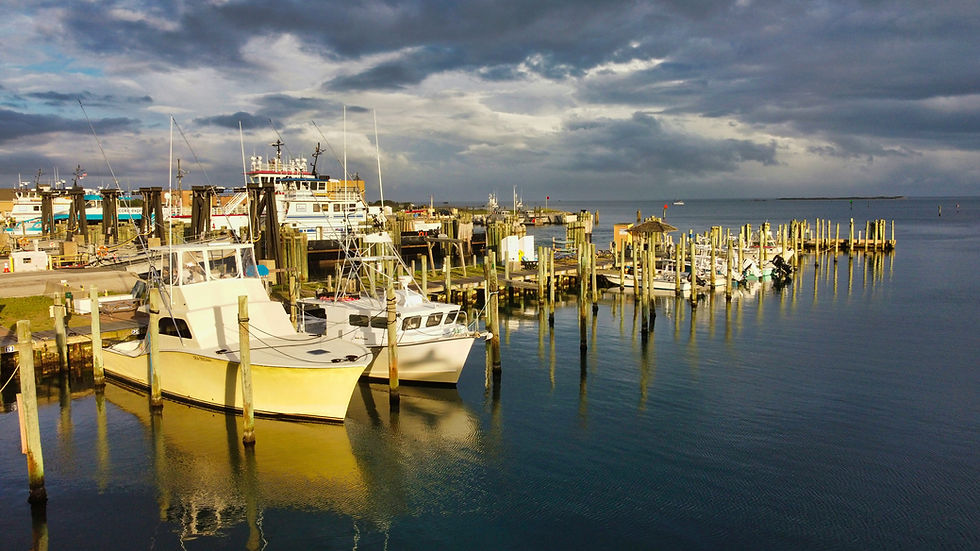
The marina network in Steinhatchee serves as both support infrastructure and independent business operations. Sea Hag Marina is the primary bait, tackle, and fuel stop, with boat ramp access, making it the de facto staging point for many visiting anglers. Steinhatchee River Inn & Marina combines 17 suites with a full-service marina and fishing pier, creating an integrated lodging-and-access package.
Good Times Motel & Marina and Ideal Marina & Motel follow similar integrated models, offering rooms or cabins alongside boat slips, rentals, and ramp access. The Taylor County Public Boat Ramp is the primary public access point, available for a modest daily fee, though capacity constraints during scallop season remain a persistent issue.
Lodging and Accommodation
Lodging in Steinhatchee is limited by the town's small footprint, which creates both a constraint and an opportunity. Properties like Steinhatchee River Inn fill up quickly during scallop season, and the growing vacation rental market has added capacity but also put pressure on prices. For operators, accommodation scarcity means that visitors who secure lodging are highly committed—they planned ahead, signaling strong purchase intent for charter services and guided experiences.
Aggregator Landscape and Competitive Positioning
The aggregator presence in Steinhatchee is moderate but growing, and it follows a pattern that Pine & Marsh has documented across dozens of southeastern fishing corridors. FishingBooker maintains 10-plus listings for the area and has built a dedicated ranking page that captures high-intent search traffic for queries such as "best fishing charters in Steinhatchee." Captain Experiences also lists local operators.
Facebook groups represent another layer of aggregator-like competition. The Steinhatchee Fishing group has several thousand members, and seasonal scalloping groups are active every summer with high engagement. YouTube scalloping content performs well in terms of views, creating a visual-content channel that most local operators have not systematically addressed.
The Facebook group dynamic deserves particular attention. Steinhatchee fishing groups with several thousand members function as informal booking channels where recommendations carry enormous weight. Operators who are active, helpful, and visible in these communities capture referral traffic that bypasses both aggregators and search engines entirely.
The aggregator dynamic in Steinhatchee differs from that in larger markets in one important way: the town is small enough that a single operator with strong local SEO, quality content, and a well-built website can outrank aggregator pages for many long-tail queries. FishingBooker's strength is in broad, high-volume terms. But nobody is ranking for Steinhatchee redfish guide fall, Deadman Bay sight fishing charter, or Big Bend scalloping vs DIY -- and those are the queries that convert.
This is the aggregator defense playbook that Pine & Marsh builds for every client in a market like this: you cannot outspend the aggregators, but you can out-content them on the specific, local, seasonal queries that their template pages are not built to capture.
Content Gap Analysis: 15 Positions No One Has Claimed
Pine & Marsh has identified 15 specific content gaps in the Steinhatchee and Deadman Bay corridor. Each represents a rankable search position, an AI-overview-eligible answer, or a booking-funnel entry point that no operator, aggregator, or media outlet currently owns.
1. Scallop-to-Fishing Conversion Content
No operator has built content that explicitly bridges the gap between scallop season visitors and year-round fishing trips. This is the single highest-value content gap in the corridor. A page titled something like Loved Scalloping in Steinhatchee? Here Is What the Fishing Looks Like the Other Nine Months directly targets the conversion that smooths revenue across the calendar.
2. Month-by-Month Fishing Calendar
Despite the rich species diversity, no comprehensive month-by-month fishing calendar for Steinhatchee is available online. This is a foundational piece of content that supports both organic search and AI-generated answers about when to visit.
3. First-Timer Logistics Guide
Steinhatchee's isolation and small-town infrastructure create real logistical questions for first-time visitors. What to expect content -- covering ramp conditions, fuel availability, dining options, cell service, and travel times from major cities -- fills an information gap that builds trust and reduces booking friction.
4. Scalloping Charters vs. DIY Comparison
The decision between hiring a scalloping charter and running your own boat is a real consideration for visitors, and no content currently addresses it. A balanced comparison that covers cost, convenience, gear, and local knowledge positions the publishing operator as a helpful authority, regardless of which option the reader chooses.
5. First-Timer Boating Safety Content
Deadman Bay's shallow waters, oyster bars, and tidal fluctuations create genuine navigation challenges for visiting boaters. Safety-focused content serves both a real public need and a search opportunity, particularly for queries around Steinhatchee boating conditions and Deadman Bay navigation.
6. Dedicated Redfish Fishery Content
The Big Bend redfish fishery is genuinely world-class, with sight-fishing opportunities on shallow grass flats that compare favorably to more famous destinations. No operator has built a dedicated redfish page for this corridor, which means the species-specific search traffic is uncontested.
7. Off-Season Visitor Content
October through May represents nine months of potential visitation that is almost entirely unaddressed in online content. Dedicated pages for fall fishing, winter sheepshead, and spring cobia and tarpon trips would create year-round search visibility that currently does not exist.
8. Nearshore Grouper, Cobia, and Tarpon Content
The nearshore fishery beyond the inshore grass flats includes species like cobia and tarpon that command premium trip pricing. Building content around these species elevates the perceived value of the entire corridor and attracts a different segment of anglers.
9. Big Bend Coast Connection Content
Steinhatchee sits within the broader Big Bend coast, a geographic identity that carries increasing recognition among Florida outdoor travelers. Content that positions Steinhatchee within this larger context captures regional search traffic and builds topical authority.
10. Restaurant and Dining Guide for Scallop Season
With 500-plus boats launching on peak weekends, dining infrastructure becomes a real concern for visitors. A practical dining guide for scallop season -- covering what is open, what to expect for wait times, and where to find fresh seafood -- fills a genuine information need that builds local authority.
11. Families with Kids Content
Scalloping is inherently family-friendly, and Steinhatchee draws significant family traffic during summer. Dedicated content addressing kid-friendly activities, shallow-water safety, and age-appropriate charter options targets a high-value demographic that books well in advance.
12. Wade Fishing Content
The shallow grass flats of Deadman Bay are accessible to wade fishers, creating an experience category that requires neither a boat nor a charter. Wade fishing content targets a budget-conscious segment while also serving as an entry point to guided trip bookings for visitors who want to level up their experience.
13. Fly Fishing for Big Bend Redfish
The sight-fishing redfish flats of the Big Bend coast are a natural fit for fly anglers, yet no dedicated fly fishing content exists for this corridor. This is a premium niche with higher average trip values and a dedicated audience that searches specifically for fly fishing destinations.
14. Mullet Run and Fall Fishing Content
The fall mullet run triggers aggressive feeding behavior from redfish, trout, and other inshore species, creating some of the best fishing of the year. This seasonal event is well-known to local guides but completely unaddressed in online content for the Steinhatchee area.
15. Accommodation Booking Strategy Content
Lodging scarcity during scallop season is a real constraint, and visitors who plan ahead gain a significant advantage. Content that helps visitors understand booking timelines, lodging options, and availability patterns serves a practical need while positioning the publishing operator as the local planning resource.
Seasonal Revenue Dynamics and the Operator Opportunity
The core business challenge in Steinhatchee is revenue concentration. Operators who depend primarily on the scallop season are building their annual income on an 11-week window. Weather cancellations, regulatory changes to season dates, and seagrass health concerns -- all of which are active variables in this corridor -- create real volatility risk.
The operators who thrive long-term in Steinhatchee are the ones who treat scallop season as the top of a 12-month funnel rather than the entire business. Captain Mike at Reel Song Fishing Charters, Captain Alan at On The Mark Charters, and Captain Brandon Davis at Got Time Charters all offer both fishing and scalloping services, which means they have the operational capacity to serve clients year-round. The question is whether their digital presence supports that year-round business.
In most cases, the answer is no. Websites lean heavily toward messaging about the scallop season. Google Business Profiles emphasize summer availability. Social media activity spikes in June and fades by October. This pattern leaves enormous organic search territory unclaimed during the months when competition for visibility is lowest and when a single booking carries the highest marginal value.
Revenue smoothing through content is the strategic play. A guide operation that ranks for Steinhatchee redfish fishing in October, winter sheepshead charters in Big Bend, and spring tarpon on the Steinhatchee River is not just capturing incremental bookings -- it is building a year-round brand that Google, AI search platforms, and potential clients all recognize as the authority for this water.
The economics favor the operators who move first. Building 15 to 20 pieces of high-quality, species-specific, season-specific content is a one-time investment that compounds in search value over the years. The operators who wait will eventually face not just aggregator competition but also the entrenched organic positions of whichever local competitor built the content first.
What Is Changing in the Steinhatchee Corridor
Several active trends are reshaping the marketing landscape for Steinhatchee and Deadman Bay operators, and each one creates both risk and opportunity.
Climate patterns are also shifting fishing calendars in subtle but important ways. Water temperature changes affect species timing, seagrass growth rates, and scallop recruitment. Operators who track and publish content around these shifts position themselves as the most current and credible source of information for the corridor.
Scallop season date adjustments remain a recurring variable. The Florida Fish and Wildlife Conservation Commission reviews harvest dates annually, and any contraction of the season window directly impacts the revenue model for scallop-dependent operations. Operators with diversified content and year-round booking funnels are better insulated from regulatory shifts.
Seagrass health is a foundational concern. The eelgrass and turtle grass beds that support Deadman Bay's scallop population and inshore fishery are sensitive to water quality, storm damage, and temperature changes. The long-term viability of the scalloping economy depends on seagrass resilience, which makes conservation-adjacent content both a genuine community investment and a smart brand-building move.
Hurricane Idalia in 2023 demonstrated the vulnerability of this low-lying coast to storms. Infrastructure damage, marina disruptions, and temporary displacement of fish populations are all realities that Big Bend operators must plan for. Digital resilience -- maintaining website uptime, having storm-response content templates ready, and communicating quickly with booked clients during weather events -- is an operational necessity that most operators have not formalized.
Vacation rental growth continues to add lodging capacity, which supports higher visitor volumes but also creates pricing dynamics that affect the traditional marina-and-motel model. The operators who integrate their digital presence with the vacation rental booking cycle -- targeting renters with charter and guide content before they arrive -- will capture a growing share of this traffic.
Year-round fishing promotion efforts are gaining momentum locally, with guides and community organizations increasingly recognizing that the corridor's long-term economic health depends on diversifying beyond scallop season. This cultural shift creates a receptive environment for marketing investments that support year-round visibility.
The combination of these factors -- regulatory variability, environmental sensitivity, storm exposure, and lodging market shifts -- makes a diversified digital strategy not just a growth play but a resilience play. The operators with the broadest content footprint and the deepest year-round booking funnels are the ones best positioned to absorb disruptions from any single variable.
Frequently Asked Questions About Steinhatchee and Deadman Bay Marketing
What makes Steinhatchee different from other Florida fishing destinations for marketing purposes?
Steinhatchee's defining marketing characteristic is the extreme seasonal split between its scallop season traffic and its year-round inshore fishery. Most Florida fishing destinations have relatively consistent visitor patterns across the year, but Steinhatchee's population multiplies five to ten times during the 11-week scallop window and drops dramatically afterward. This creates a unique conversion opportunity where operators can capture high-volume seasonal visitors and funnel them into year-round fishing bookings through targeted content and follow-up marketing. The town's geographic isolation also means visitors are highly intentional, which translates to stronger conversion rates when the right content meets them at the right time.
How competitive is the aggregator landscape in Steinhatchee compared to larger fishing markets?
The aggregator's presence is moderate and manageable. FishingBooker has 10-plus listings and a ranking page, and Captain Experiences also covers the area. However, Steinhatchee's small size actually works to the advantage of local operators who invest in content. Unlike major markets where aggregator pages have years of domain authority and hundreds of reviews, the Steinhatchee aggregator pages are relatively thin. A single operator with strong local SEO, dedicated species pages, and quality long-tail content can realistically outrank aggregator listings for specific queries within six to twelve months of consistent content publication.
What is the most valuable content gap for a Steinhatchee charter operator to fill first?
The scallop-to-fishing conversion content is the single highest-value gap. This is the piece that explicitly bridges summer scalloping visitors to year-round fishing trip bookings. It targets the largest audience the corridor produces -- scallop season visitors -- and directs them toward the revenue that sustains the business during the other nine months. A well-built conversion page with a species calendar, seasonal highlights, and booking calls to action can serve as the hub of a year-round content strategy that every other piece links back to.
How does the Steinhatchee River mouth fishery compare to Deadman Bay's grass flats for content strategy?
Both areas deserve dedicated content, but they serve different search intents and attract different angler segments. The river mouth fishery -- particularly the tarpon run from April through June -- commands premium trip pricing and attracts experienced anglers searching for specific species opportunities. The grass flats of Deadman Bay support the bread-and-butter redfish and speckled trout fishery that fills the calendar year-round. A complete content strategy covers both, but the grass flats content has higher aggregate search volume and year-round relevance, making it the priority build.
What role does YouTube play in marketing Steinhatchee scalloping?
YouTube is a significant and underutilized channel for Steinhatchee operators. Scalloping videos consistently perform well in terms of views because the activity is visually engaging, family-friendly, and unfamiliar to many viewers. Most existing YouTube content comes from recreational scallopers rather than professional operators, which means the production-quality bar is low, and the opportunity to stand out with well-produced guide content is substantial. Video also feeds AI search visibility and appears prominently in blended search results for how-to and what-to-expect queries.
How should Steinhatchee operators approach their Google Business Profile during the off-season?
The Google Business Profile should reflect year-round availability and services, not just activity during scallop season. This means updating business descriptions to emphasize fishing services alongside scalloping, posting monthly Google Business updates featuring seasonal species catches, maintaining photo galleries that showcase fall, winter, and spring fishing, and responding to reviews with language that reinforces year-round operation. Many Steinhatchee operators let their GBP go dormant after Labor Day, which signals to both Google's algorithm and potential clients that the business is seasonal. Consistent GBP activity during October through May is low-effort, high-return marketing.
What is the best way to handle the limited dining and infrastructure in marketing content?
Lean into it with authenticity rather than trying to hide it. Steinhatchee's small-town infrastructure is part of its charm for the target audience. Content that honestly addresses what to expect -- including limited restaurant options, variable cell service, and the need to plan for fuel stops -- builds trust with first-time visitors and reduces the kind of unmet expectations that lead to negative reviews. The operators who frame the infrastructure reality as part of the authentic fishing village experience, rather than an inconvenience, attract visitors whose expectations are properly set from the start.
How does Hurricane Idalia's impact affect marketing strategy for Big Bend operators?
Hurricane Idalia in 2023 demonstrated that storm preparedness needs to extend to digital operations, not just physical infrastructure. Marketing strategy should include prebuilt storm-response content templates, a communication plan for booked clients during weather events, and website infrastructure that maintains uptime during high-traffic storm-tracking periods. Beyond immediate preparedness, the recovery narrative itself is a content opportunity -- stories of community resilience, rebuilt infrastructure, and returning fish populations resonate with the loyal visitor base and attract media attention that generates high-authority backlinks.
Should Steinhatchee operators invest in paid advertising or focus on organic content first?
Organic content first, with paid advertising layered in strategically. The Steinhatchee market is small enough that a focused organic content strategy can achieve meaningful rankings within a few months, particularly for long-tail species and seasonal queries that no one currently owns. Once those organic positions are established, retargeting campaigns that serve ads to visitors to the scallop season website during the fall and winter months can amplify the conversion funnel at relatively low cost. Starting with paid advertising before building the organic foundation means paying for traffic that lands on thin pages with low conversion potential.
What is the realistic timeline for building search visibility in this corridor?
A Steinhatchee operator committing to producing two to three high-quality content pieces per month should expect measurable organic traffic growth within three to four months and meaningful rankings for target queries within six to nine months. The timeline is faster than average because the competitive landscape is thin -- most target queries have weak or no dedicated content competing for them. The key variable is consistency. Operators who publish aggressively for two months and then stop will lose momentum to anyone who maintains a steady publishing cadence.
How does the Big Bend coast identity factor into content strategy for individual operators?
The Big Bend coast is gaining recognition as a distinct outdoor recreation identity within Florida, and individual operators benefit from building content that connects their specific location to this broader geographic brand. Pages that reference the Big Bend coast, Nature Coast, or the longest undeveloped coastline in the contiguous US capture regional search traffic that pure Steinhatchee-only content misses. This is a topical authority play -- Google rewards sites that demonstrate comprehensive geographic knowledge, and operators who cover both their specific location and the broader regional context signal that depth.
What should operators prioritize if they can only invest in one marketing improvement this year?
Build a dedicated website page for each species you guide, with specific seasonal information, what-to-expect content, and a clear booking call-to-action on each page. This single investment addresses the most critical content gaps -- species-specific search visibility, year-round booking capability, and differentiation from aggregator listings. A five-page species hub covering redfish, speckled trout, flounder, sheepshead, and scalloping gives Google and AI search platforms enough content to recognize the operator as a legitimate authority for this water, and it gives potential clients the specific information they need to commit to a booking.
Work with Pine & Marsh
Pine & Marsh is a southeastern outdoor marketing agency that works exclusively with guide services, charter operations, lodges, marinas, and outfitters. We build the digital infrastructure that turns seasonal traffic into year-round revenue -- and the Steinhatchee corridor is one of the most underserved markets we have mapped.
Our process starts with a 2,206-point outfitter audit that evaluates every layer of your digital presence: website architecture, local SEO, content gaps, aggregator positioning, booking funnel performance, and search visibility across both traditional and AI-powered platforms. For Steinhatchee and Deadman Bay operators, that audit includes a corridor-specific competitive analysis showing exactly where you stand relative to operations like Reel Song Fishing Charters, Got Time Charters, Steinhatchee Scalloping Charters, and the FishingBooker and Captain Experiences listings currently capturing your potential clients.
Here is what the whitespace looks like for operators ready to claim it:
The scallop-to-fishing conversion page that no operator in the corridor has built -- the single highest-value content position in this market
Species-specific landing pages for redfish, speckled trout, flounder, sheepshead, cobia, and tarpon that capture year-round search traffic
A month-by-month fishing calendar that becomes the definitive planning resource for Deadman Bay visitors
First-timer logistics and what-to-expect content that reduces booking friction and builds trust with new visitors
YouTube and short-form video strategy that leverages the visual appeal of scalloping and sight-fishing to dominate video search results
The operators who build this content first will own these positions for years. Organic search authority compounds over time, and the first mover in a thin competitive landscape sets the bar that every subsequent competitor has to clear. Waiting means competing against both aggregators and the local operator who decided to move before you did.
We do this work on-property and on the water. When we build content for a Steinhatchee charter operation, we are standing on the deck at Sea Hag Marina, riding the grass flats of Deadman Bay, and understanding the tidal patterns that shape your fishing calendar. That is how you build content that converts -- not from a template, but from the water.
If you run a charter, guide service, marina, or lodging operation in the Steinhatchee and Deadman Bay corridor, reach out to Pine & Marsh to discuss what your digital presence should look like. No pitch deck. No pressure. Just a clear-eyed look at where you stand and where the opportunity is.


Comments