
Marketing a PRS and NRL Competition Range: Match Hosting, Competitor Acquisition, and Sponsor Revenue in the Southeast
Updated: Jun 12

Precision rifle competition is the fastest-growing segment of the competitive shooting sports in the United States, and the Southeast is at the center of that growth. PRS (Precision Rifle Series) and NRL (National Rifle League) matches are drawing record fields, generating six-figure annual revenue streams for host facilities, and creating a marketing flywheel that most range operators have never been taught to build. If you own or manage a facility capable of hosting long-range competition in Alabama, Georgia, Tennessee, the Carolinas, Mississippi, or anywhere across the eleven-state SE footprint, this post is your playbook for turning match hosting into the single highest-leverage marketing asset your range will ever own.
The PRS/NRL ecosystem is unique among shooting sports because it is simultaneously tight-knit and nationally distributed. Competitors travel—routinely driving 4 to 8 hours for a single two-day match. They spend money on lodging, food, fuel, and gear at every stop. They talk about their experiences in private Facebook groups, on forums like Sniper Hide and the PRS/NRL community Discord servers, and on podcasts like Vortex Nation and the Applied Ballistics show. A single well-run match at your facility can generate more qualified word-of-mouth exposure than a year of paid social media advertising. But here is the gap: almost none of the facilities hosting these matches are capturing that exposure digitally. The word-of-mouth is real, but it evaporates because there is no digital infrastructure to catch it, index it, and compound it over time.
Pine and Marsh has audited over 2,206 outdoor sporting operations across the Southeast. Within the gun club and private range vertical, the average digital health score is 5.57 out of 10 -- and that number drops further when you isolate facilities that host competitive shooting events. Approximately 80% of SE competition ranges have no structured data beyond CMS defaults. Roughly 85% have no FAQ content indexed by Google. Fewer than 40% maintain an email newsletter. The result is a massive arbitrage opportunity: the facilities with the best physical infrastructure and the strongest reputations in the PRS/NRL community are functionally invisible to search engines, AI answer engines, and anyone outside the existing word-of-mouth network.
The Competition Hosting Business Model: Why PRS and NRL Matches Are a Revenue Engine
Hosting PRS and NRL matches is not a community service -- it is a business model with multiple revenue streams that compound over time. Understanding the economics is the first step toward building a marketing strategy that actually maps to revenue.
Match fees are the most visible revenue line. A typical PRS or NRL club-level match charges $125 to $200 per competitor for a one-day event and $200 to $350 per competitor for a two-day regional- or national-level match. Fields accommodate 60 to 150 shooters, depending on the match tier and facility capacity. A facility hosting 8 to 12 matches per year at an average of 80 competitors and $175 per entry generates $112,000 to $210,000 in match fee revenue alone -- before any secondary spending.
The vendor village is the second revenue stream that most facilities undermonetize. PRS/NRL competitors are gear-intensive. They spend $3,000 to $8,000 on a competition rifle, $1,500 to $4,000 on optics, and hundreds annually on bipods, bags, barricade accessories, ammunition components, and apparel. Vendors -- Vortex, Nightforce, MDT, Area 419, Anarchy Outdoors, Applied Ballistics -- will pay $500 to $2,000 per event for vendor village booth space at well-attended matches. A 10-vendor village at a two-day match generates $5,000 to $20,000 in booth fees. Some facilities negotiate product donation agreements instead of, or in addition to, cash fees, building a prize table that attracts more competitors, which in turn attracts more vendors -- a self-reinforcing loop.
Food and lodging partnerships represent a third revenue stream that is almost entirely untapped in the Southeast. Competitors need to eat during match days and sleep nearby for multi-day events. Facilities that negotiate referral agreements with local restaurants, hotels, and RV parks capture a percentage of that spending. Some facilities -- particularly those in rural areas with limited lodging -- have built on-site camping, bunkhouse accommodations, or RV hookups specifically to serve the match competitor market. CMP Talladega Marksmanship Park in Alabama has demonstrated this model at scale, but mid-size facilities across Georgia, Tennessee, and the Carolinas are leaving this revenue on the table.
Sponsor revenue is the fourth, and often the largest, long-term revenue stream. Major optics and accessories brands -- Vortex Optics, Nightforce, Leupold, Sig Sauer, Hornady, Lapua -- allocate significant annual budgets to competitive shooting sponsorships. These are not charitable donations. Brands sponsor matches because the PRS/NRL competitor demographic is affluent (median household income estimated at $90,000+), brand-loyal, and vocal about product recommendations. A facility with a professional match program, consistent fields of 80+ competitors, and -- critically -- a digital presence that documents and amplifies match results can command $5,000 to $25,000 per title sponsor per event. Facilities that publish match recaps, competitor profiles, and sponsor integration stories on their websites and social channels are dramatically more attractive to sponsors than facilities that run great matches but produce no digital documentation.
How Hosting Matches Builds Brand Authority and Drives Membership
The PRS/NRL community operates on reputation. Competitors choose matches based on three factors: stage design quality, match administration professionalism, and facility reputation. A facility that earns a reputation for well-designed stages, efficient match flow, and a positive competitor experience becomes a destination -- and that destination status converts directly into memberships, daily-fee visits, and corporate event bookings from the non-competitive market.
The mechanism is straightforward. A competitor drives 5 hours to shoot a match at your facility. They have a great experience. They post about it in the Southeast PRS Facebook group (8,000+ members), on Sniper Hide (the largest precision rifle forum in the US), and on Instagram with photos of your steel targets at 1,200 yards. Their post reaches 500 to 2,000 engaged precision rifle enthusiasts. Some of those people are local to your facility but have never heard of it. They visit your website—and this is where 90% of SE facilities fail. The website has no match schedule, no match results archive, no facility photos beyond a single hero image from 2018, no clear membership pricing, and no way to register for the next match online. The word-of-mouth generated by the match evaporates at the digital front door.
The facilities that capture this flywheel treat their digital presence as match infrastructure -- not an afterthought. A match results page that is indexed by Google for "PRS match results [facility name]" becomes a permanent citation source. A match schedule page optimized for "precision rifle competition [state]" captures every competitor searching for their next match. A facility overview page with professional photography, stage descriptions, and distance capabilities ("steel from 100 to 1,500 yards across 14 purpose-built stages") converts the curious browser into a registered competitor or new member.
Georgia Gun Club in Covington, Steele Creek Shooting Park near Charlotte, and the growing cluster of PRS-capable facilities across middle Tennessee demonstrate that the physical infrastructure exists in the Southeast. What does not exist -- in almost any case -- is the digital layer that turns a single match experience into a compounding brand asset.
Digital Marketing for Match Registration: SEO, Search Demand, and the Registration Funnel
PRS and NRL competitors search for matches the same way every other consumer searches for events: Google, followed by community-specific platforms like PractiScore (the dominant match registration and scoring platform) and the PRS/NRL websites. The SEO opportunity for competition ranges is enormous and almost entirely unclaimed.
The primary search queries are geographic and intent-driven. "PRS match Alabama," "precision rifle competition Georgia," "NRL match Southeast," "long range shooting competition Tennessee," "PRS match near me" -- these queries have low absolute volume (50 to 500 monthly searches per term) but extremely high intent and conversion value. A single match registration is worth $150 to $350 in direct revenue plus secondary spending. The cost per acquisition through SEO is effectively zero once the content exists.
Currently, these queries are dominated by PractiScore event listings, the PRS and NRL official match calendars, and a small number of forum threads. Individual facility websites almost never rank for geographic competition queries because they do not publish the content that Google needs to rank them: dedicated match schedule pages with structured Event schema markup, individual match detail pages with dates and registration links, match results archives with competitor names and scores, and facility capability pages that explicitly state distances, target arrays, and stage configurations.
The registration funnel for a PRS/NRL match has three stages, and most facilities address only the last. Stage one is discovery: the competitor learns a match exists. Stage two is evaluation: the competitor assesses whether the match is worth the drive, the entry fee, and the time investment. Stage three is registration: the competitor completes payment through PractiScore or another platform. Most facilities post a PractiScore link in a Facebook group and call it marketing. They skip stages one and two entirely. A facility with a dedicated match page on its website -- optimized for "[facility name] PRS match [month] [year]" -- that includes stage descriptions, round counts, match format, difficulty level, prize table details, lodging recommendations, and driving directions captures the evaluation stage and dramatically increases conversion from discovery to registration.
Event schema markup is particularly important and almost universally missing. When a facility publishes a match page with proper Event schema -- including event name, date, location, registration URL, and price -- that match can appear in Google event carousels and rich results. For queries like "PRS match Georgia October 2026," a rich result with date, location, and a direct registration link outperforms a plain blue link by 2x to 3x in click-through rate. No SE competition range in our audit had an Event schema implemented on match pages.
Social Media Content Strategy: Turning Match Days Into a Content Engine
A single two-day PRS or NRL match generates enough raw content to fuel 30 to 60 days of social media posts. The problem is not content scarcity -- it is content capture. Most facilities treat match day as an operational challenge (which it is) and forget that it is also the single richest content-production opportunity they will have all month.
The content categories from a match day include: slow-motion video of steel impacts at distance (the single highest-engagement content type in the precision rifle space), competitor profiles and interviews, stage walk-throughs before the match, leaderboard updates during the match, winner announcements and podium photos, behind-the-scenes operations content (target painting, stage setup, wind flag placement), vendor village activity, and post-match recap with statistics. Each of these categories maps to a specific social platform and audience segment.
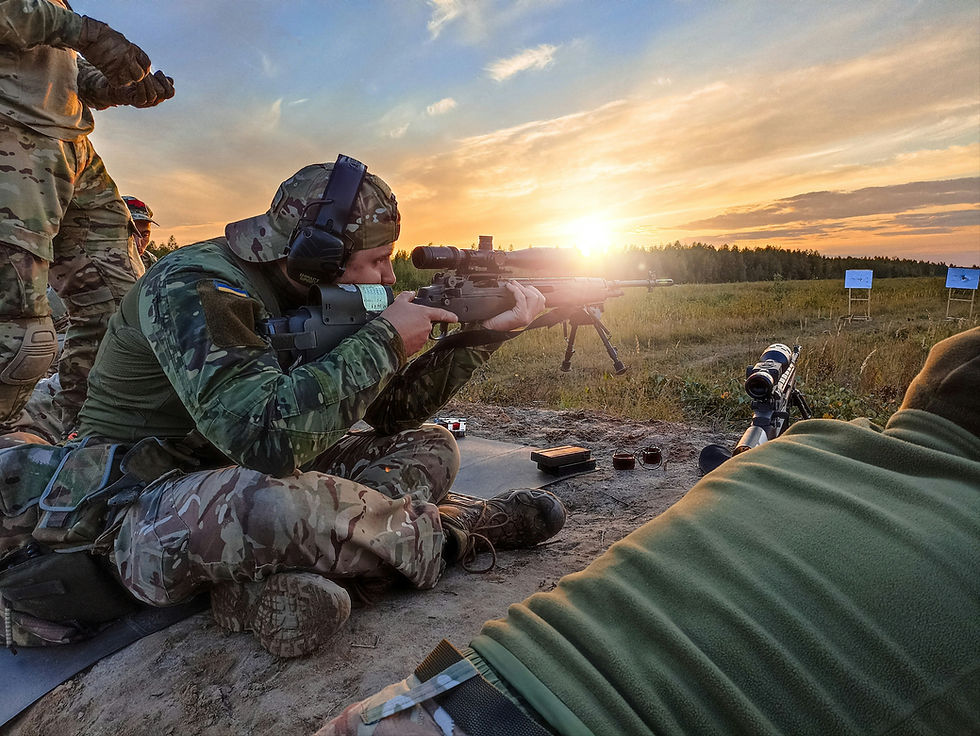
Instagram and YouTube Shorts are the primary platforms for PRS/NRL visual content. A 15-second slow-motion clip of a .308 or 6mm Creedmoor round impacting a steel IPSC silhouette at 800 yards -- dust cloud, audible ring, spotter confirmation -- routinely generates 10,000 to 50,000 views on Reels. These clips are cheap to produce (a single camera operator with a 200mm lens and a smartphone as a backup), and they do something no other content type can: they demonstrate facility capabilities in a visceral, shareable format. A viewer watching steel get hit at 1,200 yards immediately understands that this facility has the distance, the target infrastructure, and the operational credibility to host serious competition.
Leaderboard updates during a match serve a dual purpose: they engage the existing competitor community in real time, and they create indexable content when published on the facility website post-match. A live leaderboard story on Instagram -- updated after each stage -- drives engagement from competitors who are at the match (sharing their own results), competitors who could not attend (following along remotely), and the broader PRS/NRL community (tracking top-ranked shooters). When those leaderboard updates are archived on the facility website as a match results page, they become permanent SEO assets targeting queries like "[facility name] match results [date]."
Competitor profiles are an underused content type with outsized relationship value. A 60-second video interview with a competitor -- asking about their rifle setup, their match strategy, and what brought them to this facility -- creates content that the competitor will share with their own network. When that competitor is a nationally ranked PRS/NRL shooter with 5,000 to 20,000 Instagram followers, the facility gets organic reach that no paid advertising budget can replicate. The key is having a dedicated content person at the match whose only job is to capture. The match director cannot simultaneously run stages, manage safety, and shoot content. This is where photographer-videographer partnerships become essential.
Building a Match Calendar and Email Marketing Infrastructure
A published, annually updated match calendar is the single most important page on a competition range website -- and it is the page most SE facilities do not have. The match calendar serves three audiences simultaneously: existing competitors planning their season, new competitors discovering the facility for the first time, and sponsors evaluating whether to invest in a match series.
The calendar should be published by November for the following year. Serious PRS/NRL competitors plan their match schedule 6 to 12 months in advance. A facility that publishes its 2027 calendar in November 2026 captures planning-stage search traffic ("PRS match schedule Southeast 2027") and allows competitors to block dates before the calendar fills. Facilities that announce matches 4 to 6 weeks out are competing for leftovers -- competitors whose schedules are already full.
Email marketing to the PRS/NRL competitor database is the highest-ROI digital channel for match registration, and it requires almost no sophisticated technology. The competitor database builds itself: every match registration through PractiScore captures an email address (with proper consent mechanisms). A facility hosting 8 matches per year with 80 competitors per match accumulates 640 unique email contacts annually—minus duplicates from repeat competitors; this typically yields 250 to 400 unique contacts per year. Within 3 years, a consistent match program builds a list of 600 to 1,000 engaged precision rifle competitors who have physically attended your facility.
The email cadence is simple. A monthly newsletter with the following structure outperforms complex automation: upcoming match announcements with registration links, recap of the most recent match with top-10 results and photos, facility improvement updates (new stages, new distance capabilities, infrastructure upgrades), sponsor spotlights (which also satisfy sponsor deliverables), and one piece of educational content (wind reading tips, stage strategy, equipment reviews). Open rates in the competitive shooting email space consistently exceed 35% -- well above the 21% average for sports and recreation newsletters -- because the content is genuinely useful and the audience is self-selected for engagement.
The email list also serves as the foundation for distributing match announcements. When a new match is posted, a targeted email to the existing competitor database generates 30 to 50% of total registrations within the first 48 hours. This early registration surge signals demand to sponsors, creates social proof for competitors on the fence, and allows the facility to forecast logistics (target counts, food service, parking) with greater accuracy.
Attracting National-Level Matches to Your Facility
The PRS and NRL national championships, regional championships, and series finale events are the most prestigious -- and most lucrative -- matches a facility can host. A PRS Pro Series finale or NRL National Championship brings 150 to 300 of the best precision rifle shooters in the country to a single facility for a multi-day event, along with a full vendor village, media coverage, and national-level sponsor activation. The economic impact on the host facility and surrounding community is significant: $100,000 to $300,000 in direct and indirect spending over a 3 to 4-day event window.
Attracting these events requires meeting specific infrastructure and operational criteria. The PRS and NRL sanctioning bodies evaluate potential host facilities on: distance capabilities (minimum 1,200 yards for national-level events, 1,500+ preferred), number of unique stage positions (12 to 16 minimum for a two-day match), target inventory and variety (IPSC silhouettes, circle plates, square plates from 6 inches to 24 inches at varying distances), safety infrastructure (berms, impact areas, range fan geometry), competitor staging areas, parking capacity for 150+ vehicles with trailers, and -- increasingly -- digital presence and content production capability.
That last criterion is new and rapidly growing in importance. National-level PRS/NRL events generate media coverage through podcasts, YouTube channels, and social media. Sanctioning bodies want host facilities that will amplify that coverage rather than absorb it into a digital vacuum. A facility with an established match-results archive, professional photography pipeline, and active social media presence is materially more attractive as a national event host than one with identical physical infrastructure but no digital footprint.
The pathway to hosting national events typically follows a progression: host 2 to 3 successful club-level matches per year, apply for and host a regional-level sanctioned match, demonstrate consistent field sizes of 80+ competitors, build a documented safety and operations track record, and then apply through the PRS or NRL sanctioning process for a national-level event. At each step, the facility's digital documentation accelerates the timeline. Match results, competitor testimonials, facility photography, and social media engagement all serve as the application portfolio that sanctioning bodies review.
Equipment, Infrastructure, and How to Market Premium Facilities
The physical infrastructure of a PRS/NRL competition range is its primary product, and most facilities drastically under-market it. A facility with steel targets from 100 to 1,500 yards, 14 purpose-built barricades and positional shooting stages, a dedicated unknown-distance course, electronic target systems, and a climate-controlled competitor staging area has invested $200,000 to $500,000+ in competition infrastructure. That investment should be documented, photographed, and published with the same rigor that a luxury hotel photographs its suites.
Facility capability pages should be granular. Instead of a single page that says "we have a long-range rifle facility," the website should include: a distance map showing all available shooting distances with the exact yardage and elevation changes, a stage gallery with professional photography of each competition stage including barricade dimensions and target layouts, a target inventory page listing all available target types and sizes, a wind profile description (prevailing wind patterns, terrain effects on wind) that serious competitors use to prepare for matches, and a facility specifications page covering amenities like covered firing positions, zero ranges, chronograph stations, and classroom space.
This level of detail serves two purposes. First, it converts evaluating competitors into registered competitors by answering every question they have before they ask it. Second, it creates a massive SEO footprint. Each granular facility page targets a different long-tail query: "precision rifle stage design," "PRS barricade dimensions," "long range steel target setup," "competition range wind patterns." These are low-volume queries, but they are exclusively searched by the exact audience the facility wants to attract -- serious precision rifle competitors and match directors scouting potential host venues.
Professional photography of the facility is non-negotiable. The visual standard in the PRS/NRL community is set by brands like Vortex, Nightforce, and MDT, which produce cinema-quality content. A facility does not need cinema-quality production, but it needs to clear a minimum threshold: sharp images in good light showing real competitors engaging real targets at real distances. Drone footage of the facility layout is particularly effective for conveying scale. A 90-second drone flyover showing the full range complex -- target berms at a distance, stage positions, the competitor village -- communicates more about the facility's capabilities than 2,000 words of text.
Photographer and Videographer Partnerships for Match Content
The content bottleneck for competition ranges is not ideas—it is capture. Match days are operationally intense, and the match director and staff are focused on safety, scoring, and stage management. Content capture requires a dedicated person whose only role during the match is to shoot photos and video and collect competitor quotes for post-match publishing.
The most cost-effective model for mid-size facilities is a photographer/videographer partnership structured as a trade or hybrid compensation arrangement. The photographer receives free match entries (worth $150 to $350 per event), access to all areas of the range during competition, a photo credit on all published images, and the right to sell action photos directly to competitors (typically $25 to $75 per digital download). In exchange, the facility receives a defined set of deliverables per match: 50 to 100 edited photos, 3 to 5 short-form video clips (15 to 60 seconds each), and 1 long-form match recap video (3 to 8 minutes). This structure requires zero cash outlay for the facility while producing content valued at $2,000 to $5,000 per event when hired at commercial rates.
The photographer selection criteria matter. The ideal match photographer understands the sport -- they know what a good barricade transition looks like, which stages will produce the most dramatic visual moments, and the names and faces of top-ranked competitors whose images will generate the most engagement. Many PRS/NRL competitors are themselves talented photographers who would welcome a formal partnership with a host facility. The match director should recruit from within the competitor community before looking externally.
Video content has a longer shelf life than still photography in the PRS/NRL space. A well-produced 5-minute match recap video -- with stage footage, competitor interviews, results graphics, and sponsor integration -- generates views for months after publication. These videos serve as the primary portfolio piece when the facility is pitching national-level events or courting new sponsors. They also feed the YouTube algorithm, which increasingly surfaces precision rifle content to new audiences through recommendations. A facility that publishes one match recap video per event, optimized with proper titles, descriptions, and tags ("PRS match recap [facility name] [month] [year]"), builds a YouTube channel that compounds in authority over 12 to 24 months.
Sponsor Acquisition Playbook: How to Sell Match Sponsorships to National Brands
Sponsor revenue is the revenue stream that transforms a match program from a break-even community-building exercise into a profit center. The PRS/NRL sponsor ecosystem is well-established, and brands are actively seeking facilities to sponsor -- but they are looking for facilities that can demonstrate audience, reach, and content production capabilities.
The sponsor acquisition process begins with building a sponsorship deck—a 6- to 10-page PDF that presents the facility, the match program, the audience, and the available sponsorship tiers. The deck should include: facility overview with professional photography, match program summary (number of matches per year, average field size, competitor demographic profile), audience reach metrics (email list size, social media following, website traffic, match results page views), available sponsorship tiers with specific deliverables, and case studies from previous sponsor activations if available.
Sponsorship tiers for a mid-size PRS/NRL match program typically include: Title Sponsor ($5,000 to $15,000 per event or $15,000 to $40,000 annual series) -- naming rights, logo on all digital and physical collateral, vendor village priority placement, product integration in match content, dedicated social media and email features. Stage Sponsor ($1,000 to $3,000 per stage) -- naming rights for a specific competition stage, signage at the stage, mention in match results for that stage. Prize Table Sponsor ($500 to $2,000 in product value) -- brand contributes product to the prize table in exchange for logo placement and social media mention. Media Partner (trade/in-kind) -- brand provides content production resources in exchange for co-branded content and logo placement.
The brands most active in PRS/NRL sponsorship include Vortex Optics, Nightforce Optics, Leupold and Stevens, Sig Sauer Electro-Optics, Hornady Manufacturing, Lapua, MDT (Modular Driven Technologies), Area 419, Anarchy Outdoors, Magpul, and Proof Research. These companies have dedicated competitive shooting marketing budgets and established relationships with match directors across the country. The entry point for a new facility is typically a product donation for the prize table, which costs the brand $500 to $2,000 in wholesale product and allows them to evaluate the facility and the match program before committing to cash sponsorship.
The critical factor that separates facilities that attract premium sponsorship from those that do not is content production. Sponsors are not paying for a banner on a berm. They are paying for documented audience exposure—social media posts featuring their products, email newsletters with their logo, website content mentioning their brand, and video content showing their optics or accessories in competitive use. A facility that can demonstrate a content pipeline -- "we produce X social posts per match, our email list has Y subscribers, our match recap videos average Z views" -- closes sponsorship deals that facilities with identical physical infrastructure but no content pipeline cannot.
Aggregator Interception: Who Owns Your Digital Real Estate
In the gun club and private-range vertical, the aggregator landscape is dominated by Google Maps, Yelp, the NRA Range Finder, USPSA and IDPA club finders, and, increasingly, PractiScore. For PRS/NRL-specific searches, PractiScore serves as the dominant aggregator—where competitors find matches, register, and access results. The PRS and NRL official websites serve as secondary aggregators with their match calendars and point series standings.
The interception risk for competition ranges differs from that in other outdoor recreation verticals. In fishing and hunting, aggregators like FishingBooker and Airbnb Experiences capture bookings that should flow directly to operators. In the competition shooting space, PractiScore captures registrations that should be submitted through the facility website. When a competitor searches "PRS match Georgia" and the first result is a PractiScore event listing rather than the host facility website, the facility loses control of the competitor relationship -- PractiScore owns the contact data, the registration flow, and the post-match communication channel.
The solution is not to abandon PractiScore -- it is the industry-standard scoring platform, and competitors expect to register through it. The solution is to ensure that the facility website ranks above or alongside PractiScore listings for geographic competition queries, and that it drives traffic to its own match pages (which then link to PractiScore for registration). This preserves the registration infrastructure that competitors trust while ensuring the facility controls the discovery and evaluation stages of the funnel.
The NRA Range Finder and USPSA/IDPA club finders capture a different segment: non-competitive shooters looking for a place to practice. These aggregators are less commercially threatening because they drive awareness to the facility rather than capturing transactions. However, a facility that has not claimed and optimized its NRA Range Finder listing, its Google Business Profile, and its USPSA/IDPA club directory entry is leaving free discovery traffic on the table. These directory listings take 15 minutes each to claim, optimize, and produce compounding traffic indefinitely.
Content Gaps: Six Positions Nobody in the Southeast Owns
Our audit of competition range websites across the Southeast identified six content positions that do not exist on any operator domain. Each represents a category-owning opportunity for the facility that claims it first.
1. Southeast PRS/NRL Match Calendar and Facility Directory -- A comprehensive, annually updated page listing every PRS and NRL-sanctioned match in the eleven-state SE region with dates, host facility details, registration links, match tier, and historical field sizes. This page does not exist on any facility website. It currently exists only as scattered PractiScore listings and the official PRS/NRL calendars, which do not include facility-level detail. The facility that publishes and maintains this page becomes the default citation source for every "PRS match Southeast" query and every AI engine answer about precision rifle competition in the region.
2. PRS/NRL Facility Capability Comparison Guide -- A detailed comparison of SE facilities that host precision rifle competition, organized by state, with distance capabilities, stage counts, match frequency, amenities, and competitor reviews. This is the content that match directors, sanctioning bodies, and traveling competitors need to evaluate host venues -- and it does not exist in any consolidated format. The facility that publishes it positions itself as the authority on SE competition infrastructure.
3. How to Start Hosting PRS Matches: Facility Requirements and Application Guide -- A step-by-step guide for range operators who want to enter the PRS/NRL match hosting space, covering minimum infrastructure requirements, sanctioning body application processes, insurance and liability considerations, match director training, and financial projections. This guide targets a different keyword set ("how to host a PRS match") and a different audience (aspiring match hosts) but drives authority and backlinks that benefit all competition-related content on the same domain.
4. PRS/NRL Match Sponsorship ROI Calculator and Rate Card Template -- A downloadable resource for match directors that includes sponsorship tier templates, audience valuation formulas, and sample pitch decks. This targets the "PRS match sponsorship" query cluster and positions the publishing facility as a thought leader in match program monetization. Brands searching for sponsorship opportunities also land on this page -- creating an inbound sponsor acquisition channel.
5. Southeast Precision Rifle Training and Clinic Directory -- A guide to PRS/NRL training clinics, precision rifle schools, and coaching services available in the Southeast, organized by state and specialty (positional shooting, wind reading, barricade transitions, unknown distance). Training clinics are a distinct revenue stream for competition ranges, and this content targets the "precision rifle training [state]" query cluster that has zero facility-level results in most SE states.
6. Annual State of Southeast Precision Rifle Competition Report -- A data-driven annual publication covering match attendance trends, competitor growth, new facility openings, sponsor activity, and community development in the SE PRS/NRL scene. This does not need to be a 50-page PDF -- a 3,000-word blog post with embedded charts and statistics published each January positions the facility as the definitive voice of SE precision rifle competition and generates annual backlinks from forums, podcasts, and industry media.
Work with Pine & Marsh
Pine & Marsh is a small, owner-operated marketing agency built exclusively for the outdoor sporting industry in the Southeast. We have audited 2,206 operations across eleven states and developed dedicated field briefs for every major vertical—including gun clubs, private ranges, and competition shooting facilities. Our work in the PRS/NRL space is grounded in the same audit data referenced throughout this post: digital health scores, structured data gaps, aggregator interception patterns, and content positions that remain unclaimed.
For competition range operators, we offer a corridor-specific audit that maps your facility against every digital surface that matters: AI answer engine visibility (Google AI Overviews, ChatGPT, Perplexity), Google Business Profile depth and category accuracy, schema markup layer (Event schema for matches, LocalBusiness, FAQPage), FAQ content coverage, editorial publishing cadence, and email infrastructure maturity. We benchmark your facility against the named competitors in your state and the aggregators intercepting your geographic queries -- PractiScore listings, NRA Range Finder, USPSA/IDPA club finders, and the PRS/NRL official calendars. The output is a prioritized 90-day publishing plan, a 12- to 18-month pillar content build, and an inbound link target list specific to the precision rifle competition ecosystem.
The content positions listed in this post -- the Southeast PRS/NRL match calendar, the facility capability comparison, the match hosting guide, the sponsorship ROI calculator, the training clinic directory, and the annual competition report -- do not exist on any operator domain in the Southeast. Each is a category-owning position for the facility that publishes it first. We build these assets within the facility domain, optimized for the exact queries that competitors, sponsors, and sanctioning bodies are searching for. These are not blog posts that sit idle -- they are strategic content positions designed to compound in authority and traffic over 12 to 24 months.
The window for claiming these positions is narrowing. PRS/NRL competition is growing by 15 to 20% annually in competitor participation, and new facilities are entering the match-hosting space across Alabama, Georgia, Tennessee, and the Carolinas. The digital gap documented in this post will not persist indefinitely. Facilities that build their content infrastructure now -- while the competition is still functionally invisible online -- establish advantages that are extremely difficult to replicate once competitors enter the space. First-mover authority in topical SEO compounds: the domain that publishes first, builds backlinks first, and accumulates engagement signals first holds the ranking position against later entrants.
We come to the range. We walk the stages. We photograph the steel, the barricade positions, and the competitor village from a distance. Our engagements are owner-operated, capped to ensure depth over volume, and built to compound. Every deliverable -- from the audit deck to the pillar content to the schema layer -- is designed to travel through the next ownership transition, the next match director, the next phase of facility growth.
If you would like a direct read on how your competition range operation compares to this playbook, the conversation is just a short call away.
Frequently Asked Questions
What is the minimum distance capability required to host PRS or NRL-sanctioned matches in the Southeast?
Club-level PRS and NRL matches can be hosted at facilities with 600 to 1,000 yards of distance capability, but regional and national-level events typically require a minimum of 1,200 yards, with 1,500+ yards preferred. The sanctioning bodies evaluate the total distance range, the number of unique stage positions (a minimum of 12 to 16 for a two-day match), target variety, and safety infrastructure, including berms and impact area geometry. Several SE facilities meet these physical requirements but fail the digital-presence evaluation, which is increasingly part of the host selection process.
How many PRS or NRL matches per year does a facility need to host to build a sustainable match program?
The baseline for a sustainable match program is 6 to 8 club-level matches per year, supplemented by 1 to 2 regional-level sanctioned events. This cadence generates sufficient match fee revenue ($80,000 to $150,000 annually at 80 competitors per match), builds a competitor email database of 300 to 500 unique contacts within 2 years, and provides enough content production opportunities (6 to 8 match recaps, 200+ photos, 20+ video clips per year) to maintain an active digital presence that attracts sponsors and national-level event consideration.
What does a PRS or NRL match sponsorship deck need to include to attract national brands?
An effective sponsorship deck for precision rifle competition includes 6 to 10 pages covering facility overview with professional photography, match program summary with average field sizes and annual match count, competitor demographic profile (age, income, geographic distribution), audience reach metrics across email, social media, and website traffic, 3 to 4 sponsorship tier options with specific deliverables at each level, and case studies or testimonials from previous sponsor activations. The critical differentiator is documented content-production capability -- brands sponsor facilities that can demonstrate audience exposure through published match content.
How does PractiScore affect the digital marketing strategy for a competition range?
PractiScore is the industry-standard platform for PRS/NRL match registration and scoring. It functions as an aggregator—when competitors search for matches, PractiScore listings often rank above host facility websites. The strategy is not to abandon PractiScore, but to ensure the facility website ranks alongside or above PractiScore for geographic-match queries. This requires dedicated match pages with Event schema markup, match-results archives, and facility-capability content that PractiScore listings do not provide. The facility website handles discovery and evaluation while PractiScore handles registration and scoring.
What is the ROI of professional photography and videography at PRS and NRL matches?
A photographer/videographer partnership structured as a trade arrangement (free match entries plus photo sales rights in exchange for defined content deliverables) requires no cash outlay by the facility while producing content valued at $2,000 to $5,000 per event at commercial rates. That content generates 30 to 60 days of social media posts per match, builds the visual portfolio required for sponsorship decks and national event applications, and creates permanent SEO assets through match recap videos and photo galleries. Over a 12-match season, the content value exceeds $24,000 to $60,000 -- making this the highest-ROI marketing investment a competition range can make.
How do SE competition ranges compare to national facilities in digital marketing maturity?
The Pine & Marsh audit scores SE gun clubs and private ranges at 5.57 out of 10 in digital health -- and competition-focused facilities score lower on average because their reputation has historically been built entirely through word-of-mouth within the PRS/NRL community. Approximately 80% of SE competition ranges have no structured data markup, 85% have no FAQ content, and fewer than 40% maintain email newsletters. Nationally prominent facilities in Texas, Utah, and the Mountain West have begun investing in digital presence, but the SE region remains almost entirely uncontested in search -- creating a first-mover window for facilities that act now.
What Event schema markup should competition ranges implement for PRS and NRL matches?
Every match page should include Event schema with the following fields: event name, start and end dates, location (with address and geo coordinates), event status, organizer name, registration URL (linking to PractiScore), price range (entry fee), and event attendance mode (offline). Additional recommended fields include description, image, and offers (for early-bird pricing). This markup enables Google rich results, including event carousels for queries like "PRS match Georgia 2026" -- a result type that no SE competition range currently triggers because none have implemented Event schema on match pages.
How does hosting PRS and NRL matches drive non-competition membership and revenue?
Match hosting creates a brand halo effect that extends well beyond the competitive shooting community. When a facility earns a reputation for hosting well-run matches with national-level competitors, it signals credibility and quality to the broader shooting market—recreational shooters, hunters sighting in rifles, corporate groups, and law enforcement training units. Facilities that document their match program through professional content see 15 to 25% increases in non-competition range visits and membership inquiries within 12 months of launching a consistent match program, based on self-reported data from SE range operators.
What is the competitor acquisition cost comparison between digital marketing and traditional methods for PRS matches?
Traditional competitor acquisition for PRS/NRL matches relies on Facebook group posts and word-of-mouth, which have zero direct cost but limited reach and no compounding value. A facility that invests in SEO-optimized match pages, email marketing infrastructure, and social media content production spends $3,000 to $8,000 annually (primarily in content production labor, not ad spend) but acquires competitors at a marginal cost that approaches zero as the content assets mature. After 12 to 18 months, organic search and email marketing typically generate 50 to 70% of total match registrations -- reducing dependence on Facebook groups and providing a competitor acquisition channel the facility owns and controls.
How should a competition range structure its email newsletter to maximize match registration?
The optimal email cadence for a PRS/NRL competition range is monthly, sent to the competitor database built from match registrations. Each newsletter should include: upcoming match announcements with direct registration links (the primary conversion driver), results recap from the most recent match with top-10 finishers and select photos, facility improvement updates that signal investment and progression, sponsor spotlights that satisfy sponsor deliverables while providing genuine product information, and one piece of educational content such as wind reading techniques or stage strategy. This structure consistently produces 35%+ open rates and drives 30-50% of total match registrations within 48 hours of the announcement's distribution.
What infrastructure upgrades have the highest marketing ROI for a facility entering the PRS/NRL match hosting space?
The highest-ROI infrastructure investments for marketing impact are: electronic target systems that enable live scoring displays and social media-ready visual content, a covered competitor staging area that photographs well and provides comfort during multi-day events, permanent stage structures (barricades, platforms, tank traps) that can be photographed and featured in promotional content, and a dedicated zero/sight-in range that reduces match-day congestion. Each of these investments serves a dual purpose -- operational improvement and content production asset. A facility with photogenic, purpose-built competition infrastructure produces dramatically better visual content than one that runs matches on a flat, open range with portable barricades.
How do PRS and NRL sanctioning bodies evaluate potential host facilities for national-level events?
Sanctioning bodies evaluate host facilities on a combination of physical infrastructure, operational track record, and -- increasingly -- digital presence. Physical criteria include distance capability (1,200+ yards), stage count and variety (12 to 16 unique positions), target inventory, safety infrastructure, parking capacity for 150+ vehicles with trailers, and proximity to lodging and food service. Operational criteria include match director experience, safety record, and demonstrated ability to manage 150 to 300 competitor fields. The digital criteria are newer but growing in weight: facilities with established match-results archives, professional content pipelines, active social media presence, and email list infrastructure are materially more competitive in the host selection process because they amplify the event rather than absorb it into a content vacuum.


Comments