
The Last Slow Sunday of August on the Southern Calendar
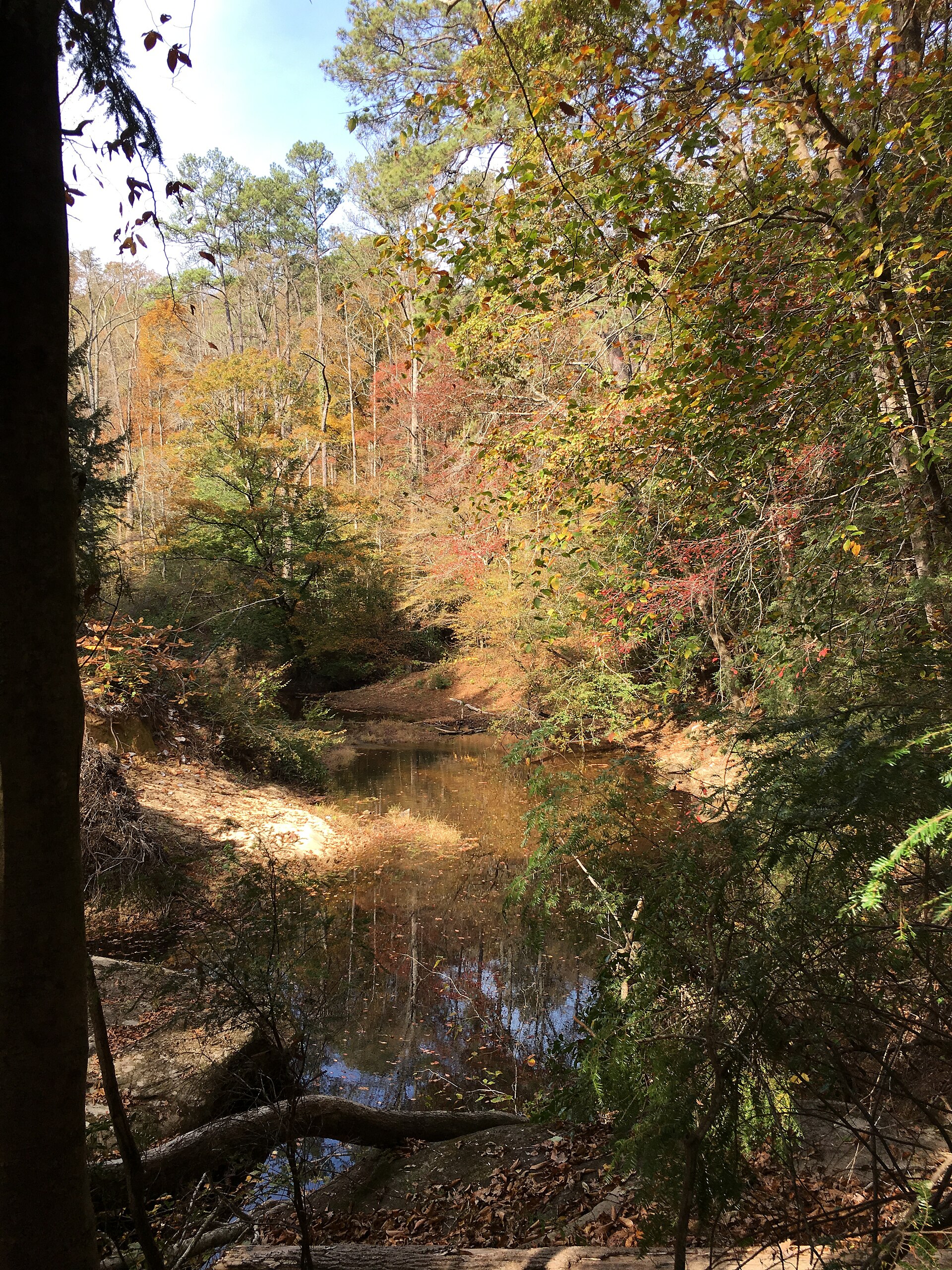
There's a specific quality to a Sunday afternoon in the last week of August across the rural Southeast that doesn't quite match any other stretch of the calendar. The heat hasn't broken -- it rarely has by then -- and the light still has that flat, white, three-o'clock weight to it. The dove fields have been planted for months and are standing tall and green, weeks from being shot over. The duck blinds, if a waterfowl operation runs any, have been patched, brushed, and checked for the third time, and won't see a hunter in them for another two months. The clays course is open, technically, and mostly empty on a Tuesday morning. Nothing is happening. Almost everything is about to.
It would be easy to describe this stretch as dead time, the calm before a storm of bookings, an absence worth filling with something -- anything -- to keep the lights on. That description misses what's actually going on. This isn't an absence. It's a held breath, and it looks and feels different depending on which part of the Southern outdoor economy is holding it.
A dove operation in this window is doing final field maintenance, confirming staff, and watching the calendar count down to a date it can't move. A waterfowl guide who won't have a single paying client for another ten weeks is nonetheless checking radar out of pure habit, glancing at fronts moving through places he has no professional reason to care about yet. A multi-program lodge is closing out the last of its off-season maintenance list -- the roof, the septic, the ATV that's been making a noise since June -- because once the calendar turns, there won't be another window like this one until spring. Four completely different businesses, four completely different rhythms, and all of them standing in the same patch of stillness at the same moment.
The industry's real opening day, in other words, isn't a date printed on a hunting license. It's this week -- the one where everyone is ready and nothing has started yet.
A Stillness That Isn't the Same Thing as Idle
It's worth being precise about what late August actually contains, because from the outside -- to a prospective client scrolling a website, or to a search engine trying to characterize what's happening at a given business -- it can look indistinguishable from simple inactivity. No bookings are closing this week. No trips are running. The phone isn't ringing the way it will in six weeks. But behind that quiet, a genuinely large amount of preparatory work is happening: field checks, equipment staging, staff scheduling, the last coat of stain on a lodge porch before six straight months of boots tracking through it.
The distinction matters because it's the difference between a business that's paused and a business that's coiled. A dove field standing green and undisturbed in late August isn't sitting there by accident -- it was planted on a schedule months earlier, specifically so it would look exactly like this, right now, three weeks before opening day. The stillness is the plan working, not the plan on hold.
This is also, not incidentally, one of the more honest weeks of the year to actually watch what an operation does with its time, if a visitor or a journalist wanted to understand a business's real rhythm rather than its highlight reel. The frantic energy of opening weekend tells you what a place looks like at capacity. The last week of August tells you what it looks like when it's getting ready.
Four Verticals, One Week, Four Different Postures
A dove operation in late August is arguably the most outwardly active of the group, because its clock is the least flexible of anyone's -- the federal floor keeps mourning dove seasons from opening before September 1, and states set their actual dates inside that window, which means a dove field's entire commercial life for the year compresses into a countdown measured in days, not weeks. Field prep, mowing patterns, seed timing -- all of it has to be finished before that date arrives, because there's no pushing the opener back to buy more time.
A waterfowl guide, by contrast, is in a stranger position: fully staged, gear ready, blinds brushed, and completely at the mercy of a migration that hasn't started and won't for weeks, driven by weather systems a thousand miles north of anywhere he'll actually hunt. He's not counting down to a date so much as watching for a signal, which is its own particular flavor of restlessness -- checking long-range forecasts for places he'll never set foot in, because that's where the birds that matter to his season actually are right now.
A sporting clays course, meanwhile, barely notices this week as anything special at all, because its calendar was never built around an opener in the first place -- it's open in late August the same way it's open in late April, which is precisely what makes it the odd one out in a cluster otherwise organized around anticipation.
A multi-program lodge running several of these products at once experiences all of this simultaneously and has to hold all four postures in its head at the same time -- prepping dove fields on a hard deadline, watching duck weather it can't control, keeping the range or clays program running on its own separate, indifferent schedule, and trying to get the last of the summer's maintenance list closed out before six straight months of near-constant guest turnover begins.
What a Site Looks Like During Held Breath, and What It Should Say Instead
Most operator websites go quiet in exactly the week their operation is busiest in this preparatory, behind-the-scenes way -- no new content, no updated photos, nothing published, because there's nothing to announce yet in the traditional sense. That's a missed window, not because a booking is likely to close this particular week, but because this is one of the only stretches of the year an operation could show, honestly and specifically, what getting ready actually looks like: a field being mowed one last time, a blind being brushed, a truck being loaded.
This kind of content doesn't need a sales angle. It doesn't need a call to book. It needs to exist, dated, specific, and real, so that a search engine or an AI system trying to determine whether a business is actually active and operating finds evidence of real, current activity instead of a page that hasn't changed since March. A single dated post or photo update from this exact week is a small, low-effort signal that does real work: it tells any system evaluating the site that a real, functioning business is behind it, actively preparing, right now, for the season about to start.
It's a modest ask relative to what most of this cluster covers, and that's the point -- late August doesn't call for a marketing campaign. It calls for a single honest post capturing the specific texture of this particular week, published while it's still true.
The Cost of Treating This Week as Nothing
The risk in leaving this week blank isn't a lost booking -- almost nobody is deciding to book a September dove hunt based on what a website posted in late August specifically. The risk is subtler and compounds over a longer horizon: a site that only ever publishes when there's a sale to make starts to read, over time, as a brochure rather than a living business, and that read is exactly the kind of ambiguity that costs an operator standing with search engines and AI systems trying to determine which businesses are real, current, and worth citing.
There's also a simpler, more human cost. A regular client -- someone who's hunted this field or fished this water for years -- checking in on a favorite operation's site or social feed in late August, out of pure anticipation, finds nothing new there specifically because the operation assumed nobody was looking yet. That assumption is usually wrong. The people most likely to be paying close attention to an operation in the last week of August are exactly the returning clients counting down the same days the operator is.
Writing the Held-Breath Post: A Simple Structure
An operator doesn't need an elaborate content calendar to capture this week -- a single, well-observed post does the job. A workable structure: open with one specific, sensory detail from the actual property that week (the exact state of the field, the specific maintenance task just finished, the particular quality of the heat); name plainly what's being prepared and why the timing matters (the field can't be touched again before the opener, the blind has to be brushed now or not at all); close with a short, honest acknowledgment that the real season hasn't started yet, but everything is staged and ready for the moment it does.
That structure works across every vertical in this cluster with minor substitution -- the dove field becomes the duck blind, the clays trap bank, the lodge's guest rooms -- and it costs an operator perhaps twenty minutes and a phone camera to produce. The value isn't in production quality. It's in the plain fact of being dated, specific, and true to a week almost nobody else in the industry bothers to write about at all.
Related Reading
More for operators building the same kind of page -- clays courses and dove outfits that need a specific answer, not another brochure paragraph.
Frequently Asked Questions
Why does late August matter if no bookings are actually closing that week?
Because it's one of the only weeks all year where an operation's actual preparatory work -- field checks, staging, maintenance -- is happening in full view, and capturing that honestly gives search engines, AI systems, and returning clients real, current evidence that a business is active rather than dormant.
Does every Southern outdoor vertical experience this week the same way?
No -- a dove operation is on a hard, non-negotiable countdown to a specific opening date, a waterfowl guide is staged but waiting on migration weather he can't control, and a sporting clays course barely notices the week at all since its calendar was never built around an opener in the first place.
Is this the right week to run a promotional push or discount?
Not particularly -- this piece and this week are better used for honest, observational content than a sales push, since almost nobody is deciding to book a specific date based on what's published in late August specifically.
What should an operator actually publish during this stretch?
A short, specific, dated post or photo update capturing one real detail of that week's preparation -- a field being mowed, a blind being brushed -- rather than generic seasonal enthusiasm. Specificity is what makes it worth publishing at all.
Does this apply equally to a solo guide and a multi-program lodge?
The content principle applies to both, but a multi-program lodge is juggling several of these postures simultaneously -- dove prep, duck-weather watching, a clays program running on its own indifferent schedule, and a maintenance list -- while a single-species guide is riding one narrow countdown.
Why does a search engine or AI system care whether a site posted anything in late August specifically?
Because a site that only ever updates around an active sale reads, over time, as a brochure rather than a living business, and systems trying to judge whether a business is currently active and legitimate weigh recency and specificity of content as part of that judgment.
Isn't waiting for the migration front to be featured making a prediction about the weather?
No -- the piece and any content built around it should describe the ritual of watching weather, not forecast or guarantee any specific migration timing, which stays firmly outside what any operator can responsibly claim.
How does this week differ from the long summer lull covered elsewhere in this series?
The long summer stretch is the deep, extended quiet between turkey season closing and dove season opening; late August is the final, compressed run-up specifically before that quiet breaks, with a countdown clock already running rather than an open-ended lull.
Should this kind of post include a strong call to book?
Keep the call to action secondary. The post's value comes from being an honest, specific record of the moment, not a sales pitch -- a light, natural mention of the coming season is enough.
Work with Pine & Marsh
Late August is one of the only weeks all year when a business is unmistakably active and has nothing yet to sell -- most sites go silent in exactly that window.
Pine & Marsh's Content & Editorial Program helps operators put real editorial writing behind the parts of the calendar most sites leave blank, so a brand shows up as a genuine, active voice even in the weeks nobody's booking anything yet. If your site tends to go quiet right when your operation is quietly getting ready, that's worth a conversation: pineandmarsh.com/contact. What you've built deserves to be found.


Comments