
Turkey Season and the Return of Green in the Southern Woods
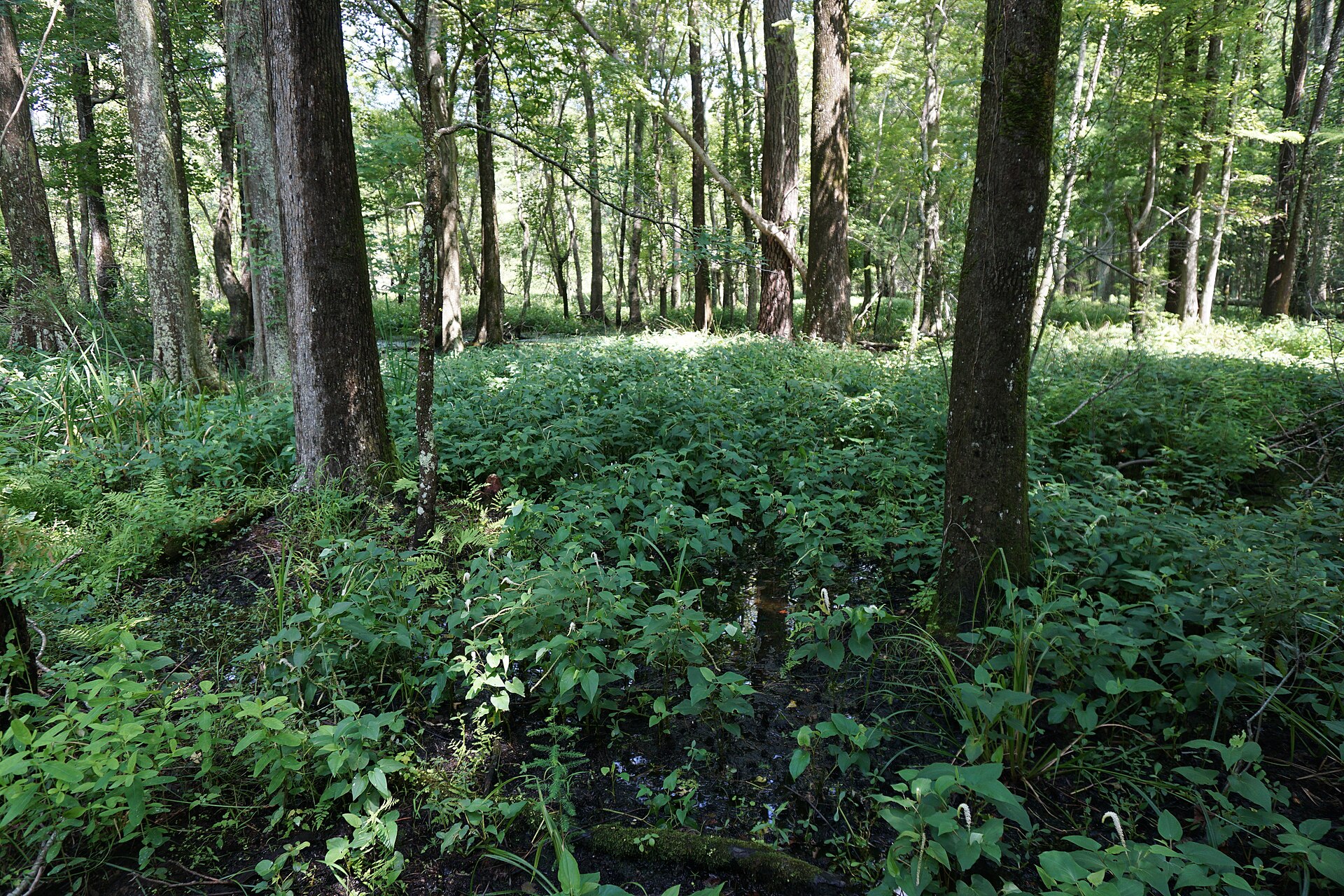
Every other major hunting season examined in this cluster opens against a backdrop of the year winding down -- dove in the last heat of summer, duck and whitetail deep into fall and early winter, the woods bare and the light going flat and gray. Turkey season is the one genuine exception, and it's worth taking the exception seriously rather than treating it as a minor scheduling detail. It opens as the woods are greening back up after winter, new growth coming in on the hardwoods, the whole landscape visibly turning a corner in the opposite direction from every other season on this calendar.
That timing does something real to the mood of the whole hunt, and by extension to how an operator ought to think about presenting it. Turkey season is quieter than the dove opener's lawn-chair, three-generations, cooler-full-of-drinks social energy. It's less anxious than waterfowl season's thousand-miles-away weather-watching. It's built around pre-dawn stillness, patience, and a single vocal bird rather than volume of game or a countdown to a hard opening date shared by an entire region at once.
The piece worth writing here isn't a hunting-technique guide -- there's no shortage of those already. It's a consideration of how this particular seasonal mood, distinct from everything else on the calendar, shows up in how an operator presents itself each spring, and why spring might be exactly the right moment for a brand to genuinely refresh how it looks and sounds, not just what it's currently selling.
The One Season That Opens Toward Growth Instead of Away From It
It's worth stating plainly how unusual this timing is within the broader Southern hunting calendar. Dove, duck, and whitetail all open at points where the year is visibly moving toward its quieter, colder half -- the heat breaking, the leaves falling, the days shortening. Turkey season opens at the opposite inflection point, as new leaves are coming in, temperatures are climbing out of winter, and the whole landscape is audibly and visibly coming back to life around the hunter standing still in it.
That's not a minor aesthetic detail. It shapes the entire sensory experience of the hunt in a way that's genuinely different from every other season this cluster covers -- the sound of spring birdsong replacing winter's relative quiet, the visual backdrop of new green rather than bare branches or dormant fields, a fundamentally different feeling in the woods even before a single gobble is heard.
A Quieter, Less Anxious Kind of Hunt
Set against the social, group-oriented energy of a dove opener or the weather-driven anxiety of a waterfowl season, turkey hunting has its own distinct temperament: solitary or small-group, built around long stretches of pre-dawn stillness, patience, and close, careful attention to a single bird's vocal behavior rather than volume of game moving through a field. It rewards a different kind of hunter and produces a different kind of story to tell about the experience afterward.
This distinction matters for how an operator talks about the hunt, because turkey season doesn't lend itself to the same kind of countdown-and-urgency marketing language that works for a compressed, high-volume season like dove. Its appeal is closer to a meditative, patient pursuit than a social event with a hard opening bell, and content built around it should reflect that quieter register rather than borrowing the louder, more urgent tone that fits other seasons better.
Turkey Season as the Industry's Own Palate Cleanser
There's a useful way to think about turkey season's place in the broader annual rhythm of this industry: it functions as a kind of palate cleanser, arriving after the frantic, compressed energy of fall's overlapping seasons and the genuine quiet of the winter dead zone covered elsewhere in this cluster. It's the first real seasonal activity of the year that isn't either a mad rush or an absence, and that positioning -- the industry's first real return to activity, arriving with the actual return of green in the landscape -- gives it a distinct emotional weight beyond just being one more season on the calendar.
For an industry that spends most of its year moving fast, whether toward a compressed six-week opener stack or through an anxious weather-watching stretch, turkey season's slower, more deliberate pace offers something genuinely different -- a chance to reset, both for the hunter and, by extension, for the businesses built around serving that hunter.
Why This Is the Right Moment for a Visual and Tonal Refresh
Given how distinct this season's mood is from everything that came before it on the calendar, spring is a genuinely fitting moment for an operator to refresh how their own site, photography, and content look and sound -- not because anything was necessarily wrong with the fall-and-winter presentation, but because the season itself is inviting a different register, and a brand that keeps using the same visual and tonal palette year-round misses an opportunity to actually reflect the moment it's marketing into.
This doesn't require a full rebrand every spring. It can be as simple as new photography that actually captures the green backdrop and the quieter, more solitary mood of a turkey hunt, rather than reusing fall imagery of a fuller dove field or a duck blind full of decoys. It can mean adjusting the tone of copy for this specific season to match its quieter, more patient character rather than carrying over the same urgent, countdown-driven language that worked for an earlier part of the year.
What Not to Claim in Turkey Season Content
Any content built around this seasonal mood should stay carefully within what's actually known and defensible. That means avoiding invented statistics on turkey population trends, harvest rates, or season success rates -- figures that vary considerably by state, region, and year, and that aren't something a general seasonal-mood piece is positioned to state with any real precision or currency. The strength of this content is in its honest observation of mood and timing, not in numeric claims about the bird population or hunting outcomes that would require real, current, state-specific sourcing to state responsibly.
Kept within those bounds, a piece built around turkey season's distinct place in the calendar -- and the argument for using it as a genuine moment of visual and tonal refresh -- has real, durable value without needing to lean on any figure that would go stale or require verification the piece can't provide.
Related Reading
More for operators building the same kind of page -- clays courses and dove outfits that need a specific answer, not another brochure paragraph.
Frequently Asked Questions
Why does turkey season feel different from other Southern hunting seasons?
It opens as the landscape is visibly greening back up after winter, unlike dove, duck, and whitetail seasons which all open as the year moves toward its colder, quieter half -- a genuinely different sensory and emotional backdrop for the hunt itself.
Is turkey hunting more social or more solitary compared to a dove opener?
Generally more solitary or small-group, built around pre-dawn stillness and close attention to a single bird's vocal behavior, in contrast to the larger, more social, group-oriented energy typical of a dove opener.
Why should an operator consider refreshing their branding or photography for turkey season specifically?
Because the season's quieter, greener, more patient mood is genuinely distinct from the rest of the calendar, and content or imagery carried over unchanged from fall risks missing an opportunity to actually reflect the moment it's marketing into.
Can this content cite specific turkey population or harvest statistics?
No -- population trends, harvest figures, and season success rates vary by state and year and require current, sourced data this content doesn't have; the piece stays focused on seasonal mood and timing rather than numeric claims.
How does turkey season fit into the broader annual rhythm covered elsewhere in this series?
It functions as a kind of palate cleanser, arriving after the compressed, fast-moving fall season stack and the genuine quiet of the winter dead zone, offering the industry's first slower, more deliberate return to activity each year.
Does this piece argue turkey season is a better or more important hunt than others in this footprint?
No -- it treats turkey season as distinct in mood and timing, not superior, and the comparison to other seasons is meant to illuminate what makes turkey season's character unique rather than rank it above anything else.
What kind of visual refresh actually fits turkey season's mood?
Photography and copy that reflect the season's quieter, greener, more patient character -- new-growth landscapes and a more measured tone -- rather than simply reusing fall imagery of fuller fields or duck blinds.
Is a full rebrand necessary to capture this seasonal shift?
No -- even modest changes, like new seasonal photography or adjusted copy tone for this specific window, can meaningfully reflect the shift without requiring a complete brand overhaul.
Work with Pine & Marsh
Turkey season arrives with the one seasonal mood shift on the whole calendar that most operators never actually update their site or photography to match.
Pine & Marsh's Branding & Visual Identity service treats the spring turkey-season reset as a natural moment for an operator to refresh its own visual identity alongside the woods coming back to life. More at pineandmarsh.com/contact. What you've built deserves to be found.


Comments