
What the Airboat Is Actually For: Marsh Access, Not Nature Tourism
Updated: Sep 8
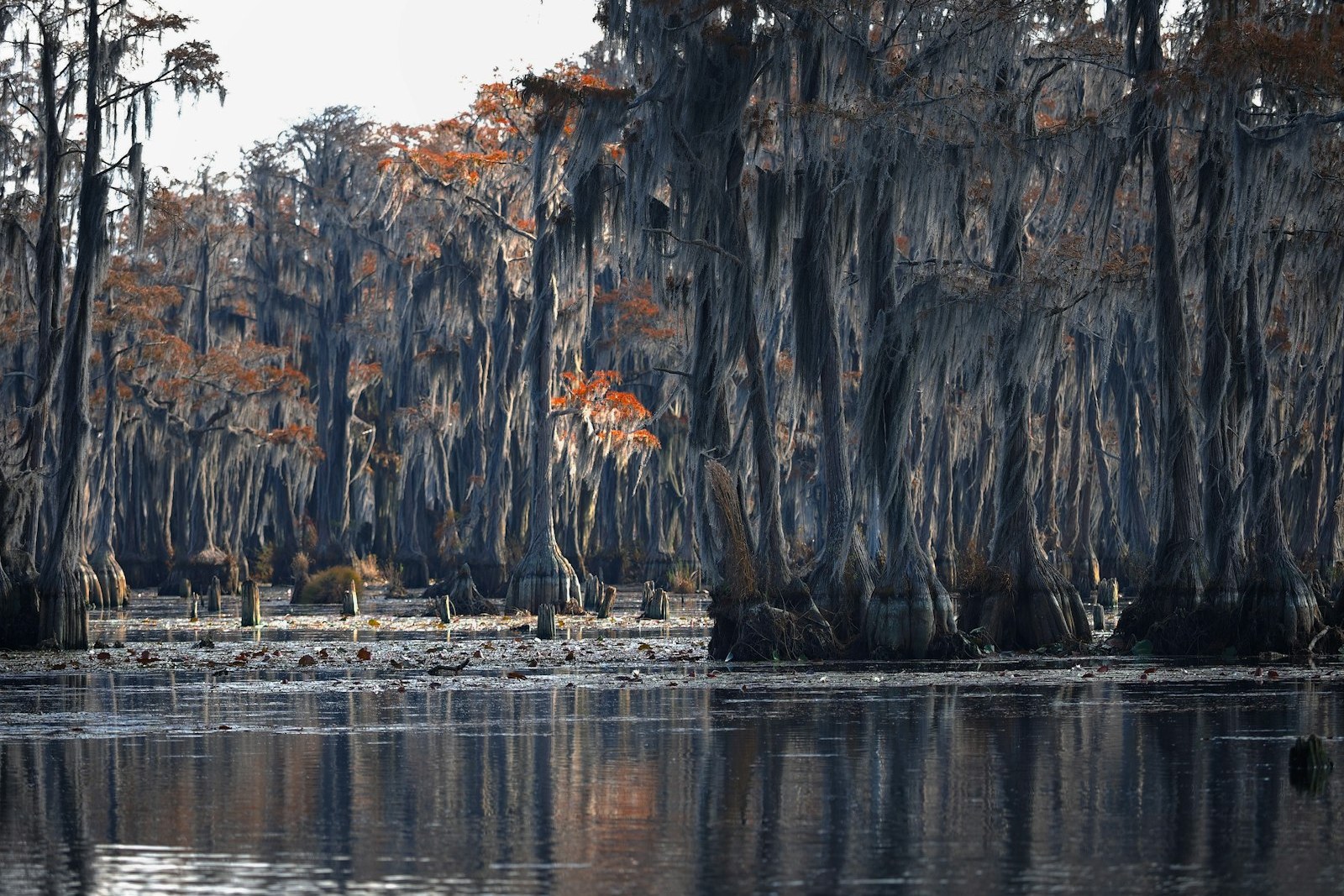
An airboat running through Louisiana marsh or Florida's wetland systems can look, from a distance, like a category of business that already has a well-worn online template: the swamp tour, filed alongside alligator-spotting cruises and general nature-sightseeing outings for tourists on vacation. That template isn't wrong exactly -- plenty of these operations do run genuine sightseeing tours -- but for an operator whose real business is built around marsh access for waterfowl hunting, alligator hunts, or other consumptive-use activity in the same wetland systems, that generic eco-tourism framing miscategorizes what the business actually is.
This distinction isn't cosmetic. When an operator's own content never draws the line clearly, an AI system resolving a query about the business defaults to whatever category the content most resembles -- and swamp-tour-flavored language, however accurate about the boat and the marsh, resembles a generic nature-tourism listing far more than it resembles a hunting-access business. That's a real miscategorization, and it puts the operator in competition with, and gets it compared against, glamping-adjacent eco-tourism directories rather than being correctly positioned as part of the same waterfowl and wetland-access world its actual customers are searching from.
This is a different problem than the one addressed by the existing content on marketing a swamp tour and airboat operation, which already covers the booking mechanics of that business model well. This post is about the categorization question underneath the booking mechanics: making explicit, in both written content and structured data, that this is access infrastructure into a hunting-relevant wetland system, not a stop on a general sightseeing itinerary.
Why the Categorization Gets Blurred in the First Place
Airboats genuinely do serve both markets in many parts of Louisiana and Florida -- a general tourist wanting an alligator-sighting ride, and a hunter needing access into a marsh system for a waterfowl or alligator hunt. Because both use the same boat and often the same operator, it's easy for a website to default to language that speaks to the broader, more universally recognizable tourist audience -- "experience the mystery of the swamp," "see alligators in their natural habitat" -- since that language is easier to write and casts the widest net.
The problem is that this language, even when factually accurate about what an individual tour includes, tells a resolving system this business belongs in the nature-tourism category rather than the hunting-and-fishing-access category -- and once that categorization sets in, it shapes what other content the system associates the business with, what comparisons it draws, and which queries it considers this business a plausible answer to.
An operator whose real revenue and real customer base come substantially from hunting access, guided hunts, or hunting-adjacent charter work is actively working against its own categorization every time its content speaks primarily in generic eco-tourism language, even if a portion of its business genuinely does include sightseeing tours.
Stating the Real Category Plainly
The fix starts with content that states directly what kind of access this business actually provides: an airboat or shallow-water access operation serving hunters and anglers moving into and out of specific marsh and wetland systems, alongside -- if genuinely true -- general sightseeing tours as a separate, clearly labeled offering. Both can be true of the same business; what matters is that neither gets described in language that erases the other, or worse, only the tourism half gets described at all.
This means being specific about the actual wetland and marsh systems the business operates in, using real, accurate geography -- Louisiana's coastal marsh systems, the broader Everglades and Florida wetland complex, or whatever specific, real region actually applies to this operator -- rather than vague language like "the swamp" that could describe almost anywhere.
It also means naming, where genuinely true, the hunting activities this access actually supports: waterfowl hunting, alligator hunting, or other consumptive-use activity specific to that region and that operator's actual services, described accurately and without overstating what the business itself directly provides versus what it simply provides access toward.
Structured Data That Reinforces the Category
Alongside the written content, any structured data describing this business should reinforce the same categorization -- describing the business type, service area, and offerings in terms consistent with hunting and outdoor-access services rather than defaulting to a generic tourist-attraction template. The specific schema.org types and properties that best fit this business shape should be checked against schema.org's current definitions at the time markup is built, the same discipline recommended elsewhere in this cluster for multi-access-point liveries.
Internal linking matters here too: linking this content to and from other hunting-and-fishing-focused content on the operator's own site, and to the waterfowl and marsh-access content this whole industry already produces, reinforces the categorization far more effectively than the airboat page trying to make the case entirely on its own. A page that sits in isolation, surrounded only by generic tourism content, fights an uphill battle against its own site's overall signal.
What Not to Claim
This content should never guarantee wildlife or alligator sightings on any given trip -- that's an unpredictable, honest limitation of any wildlife-adjacent activity, and overpromising it creates both a customer-experience risk and a credibility risk once a trip doesn't deliver.
It should also never position the business as a generic eco-tourism or nature-sightseeing experience if that's not accurately reflective of what the operator actually does -- doing so undermines the entire point of this post, which is correcting exactly that miscategorization, not reinforcing it with slightly different language.
Specific wildlife management area names, season dates, and regulatory details relevant to the operator's actual marsh system are must-source-later information -- they vary by parish, county, and season, are set by the relevant state agency (Louisiana Department of Wildlife and Fisheries or the Florida Fish and Wildlife Conservation Commission, depending on region), and should be sourced directly from that agency and verified current at the time of publication rather than stated from general assumption.
Connecting This to the Rest of the Business's Content
This positioning work connects directly to the directory displacement problem covered elsewhere in this cluster: an airboat operation correctly categorized as hunting-and-fishing-adjacent access has a real shot at being cited correctly alongside other waterfowl and marsh-access content, while one that reads as generic eco-tourism gets grouped with, and loses ground to, glamping-style tourism directories that have nothing to do with its actual customer base.
It's worth treating this as a genuine editorial pass across the whole site rather than a single new page -- checking the homepage, the about page, and any existing tour-description content for language that defaults to generic tourism framing, and revising it consistently to reflect the business's real category, the same consistency discipline recommended throughout this whole content program.
Related Reading
More for operators building the same kind of page -- clays courses and dove outfits that need a specific answer, not another brochure paragraph.
One Livery, Five Landings: The Entity Google Can't Quite Place
What Answer Engines See in the Off-Season: The Shoulder-Month Gap
Scout Troops Aren't a Booking Problem -- They're a Citation Problem
The Shuttle Fleet Is Marketing Infrastructure, Not Just Logistics
Insurance Talk Without the Legal Risk: A Trust Page That Holds Up
Rental Livery or Guided Outfitter? Why AI Keeps Confusing the Two
One Business, Five Landings: Making Google Business Profile Tell the Truth
Frequently Asked Questions
Why does it matter if our airboat business reads as 'eco-tourism' online?
Because that categorization shapes which other content and comparisons a resolving AI system associates your business with -- eco-tourism framing puts you in competition with generic nature-sightseeing directories instead of correctly positioning you alongside the waterfowl and marsh-access businesses your actual customers are searching from.
Can our business offer both sightseeing tours and hunting access?
Yes -- both can be genuine, separate offerings from the same business. What matters is describing each accurately and specifically rather than letting generic tourism language stand in for, or erase, the hunting-access side of the business.
Should we stop using words like 'swamp tour' entirely?
Not necessarily, if that's an accurate description of one genuine offering -- the issue is when that language is the only framing the site uses, crowding out the equally real hunting-access side of the business. Be specific about which offering is which.
What wildlife management area or regulatory details can we include?
Only specific, current details verified directly against the relevant state agency -- Louisiana Department of Wildlife and Fisheries or Florida Fish and Wildlife Conservation Commission, depending on your region -- at the time of publication. These details vary by parish or county and by season, so don't state them from general assumption.
Can we promise customers they'll see alligators or specific wildlife?
No -- wildlife sightings are inherently unpredictable, and guaranteeing them creates both a real customer-experience risk when a trip doesn't deliver and a credibility risk for the rest of your content.
How does this connect to schema markup?
Structured data describing your business should reinforce the hunting-and-fishing-access categorization rather than defaulting to a generic tourist-attraction template -- check the specific schema.org types and properties that best fit against current definitions at the time markup is built.
Should this content link to our other hunting or fishing content?
Yes -- internal linking to and from your other hunting-and-fishing-focused content reinforces the correct categorization far more effectively than this page trying to establish it alone.
What if most of our actual business really is sightseeing tourism, not hunting access?
Then describe your business accurately as that -- this positioning work is about accuracy, not about forcing every airboat operation into a hunting-access frame that doesn't genuinely fit. The goal is your content matching your real business, whichever direction that points.
How often should this positioning be reviewed?
Whenever the actual mix of your business shifts meaningfully, and as part of a periodic editorial review of your whole site's language for consistency -- the same discipline recommended for entity clarity throughout this content program.
Work with Pine & Marsh
An airboat operator whose site only speaks in generic swamp-tour language is fighting to be cited among tourism directories, when its real customers are searching from the waterfowl and marsh-access world entirely.
Getting the topical categorization right so answer engines cite this business correctly, in its actual lane, is core to 44 Recreation Agency's SEO & Topical Authority service. Book a discovery call at pineandmarsh.com/contact. What you've built deserves to be found.


Comments