
What Answer Engines See in the Off-Season: The Shoulder-Month Gap
Updated: Sep 8
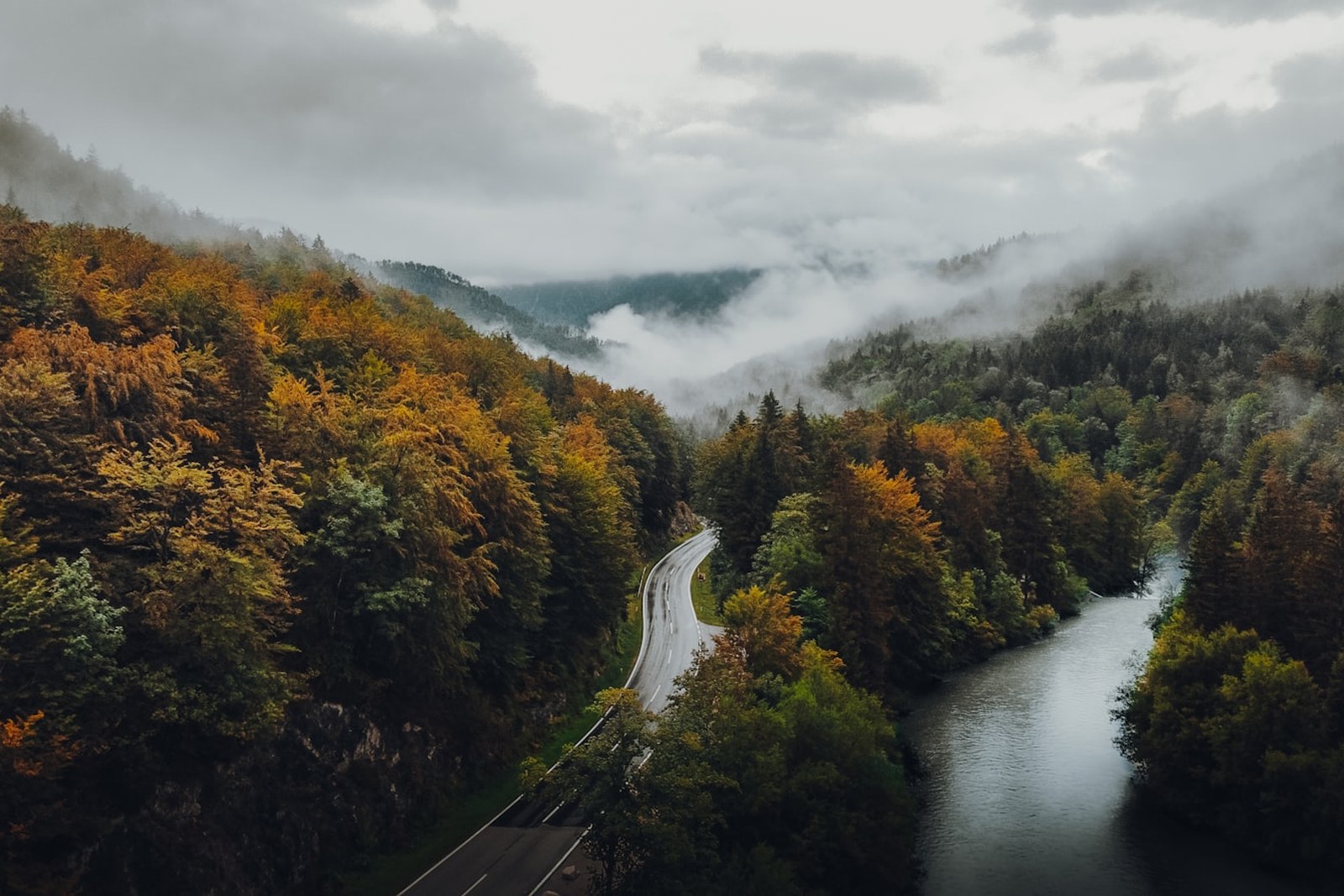
A river livery's busy season is loud and its off-season is silent, and that silence usually shows up directly on the website: a banner reading "closed for the season, see you in spring," or simply nothing new published for four, five, six months at a stretch. From an operational standpoint, that's a reasonable reflection of reality -- there's genuinely less happening. From a content standpoint, it hands over months of runway to whoever else is willing to keep publishing.
The queries don't stop just because the business goes quiet. Someone planning a spring trip searches "when does float season start on [river]" in January. A family wondering about a January or February visit searches "is [livery] open in the off-season" in the dead of winter, months before opening day. An AI system resolving either of those queries has no obligation to wait for the operator to wake back up in March -- it cites whatever is freshest, most complete, and most directly on-topic right now, and if that's a competitor's stale blog post or a generic "best time to float" listicle from an aggregator, that's who gets the citation.
This post covers building two kinds of content specifically to close that gap: forward-dated seasonal-opening content that answers the "when does it start" question well before the season actually begins, and evergreen trip-planning content that stays genuinely useful and citable regardless of the calendar. Neither requires inventing information the operator doesn't have -- both require simply not going dark.
Why the Off-Season Silence Costs More Than It Looks Like
The immediate cost of an off-season content gap is obvious: no new content means no new reason for a search engine or AI system to treat the site as current. The less obvious cost is what fills the vacuum. Search and AI systems don't leave a query unanswered just because the most qualified source has gone quiet -- they answer from whatever's available, and an operator who's been silent for months has effectively ceded that answer to a competitor, an aggregator, or a stale post from a prior season, including possibly the operator's own stale post from a prior season.
This matters most for exactly the queries that show up earliest in a planning cycle -- "when does the season start," "is it open in winter," "best time of year to float this river" -- because the person asking is often planning weeks or months ahead, well before the operator's own team has mentally shifted back into season mode. By the time the operator does start publishing again in spring, the early-planning searches that happened in January and February have already been answered by someone else, and some of that traffic and trust is already spent.
The fix isn't running the business differently in the off-season -- it's simply not letting the website's content calendar go as quiet as the parking lot does.
Forward-Dated Seasonal Content, Done Honestly
A page or post addressing "when does float season start" should be published well before the season actually opens, and it should be honest about the fact that exact opening timing depends on conditions the operator doesn't fully control -- water levels, weather, sometimes access agreements -- rather than presenting a single fixed calendar date as a universal promise. "We typically open in [general timeframe], and we'll confirm the exact date here as it's set" is both accurate and useful, in a way a hard-committed date that later has to be walked back is not.
Once an actual opening date is set for the year, updating that same page -- rather than only announcing it on social media, where it disappears from search visibility within days -- keeps the website itself current with the most useful, specific answer available at that moment. A visible "last updated" note on this page does the same credibility work here that it does on the water-level conditions page covered elsewhere in this cluster.
This content doesn't need to be elaborate. A short, direct page stating typical seasonal timing, what determines the exact start each year, and a clear promise to update it as soon as the date is confirmed answers the query honestly without overcommitting to a fixed date months in advance.
Evergreen Trip-Planning Content That Doesn't Expire
Alongside the season-timing content, evergreen trip-planning material keeps the site substantively useful year-round regardless of whether the season is open. What to bring on a float trip, how to plan a first visit, what a typical day looks like, how group bookings work -- none of this content is tied to a specific date or a specific season's conditions, which means it can be published once, refreshed lightly on an annual basis, and remain a genuinely useful, citable resource in January just as much as in July.
This kind of content also gives an off-season visitor -- someone doing early research well ahead of a trip -- something substantive to engage with beyond a closed-for-the-season notice. A visitor who finds a real, thoughtful trip-planning resource in December is more likely to remember and return to that operator in April than one who found only a closed sign.
It's worth treating this evergreen content as a standing library rather than a seasonal campaign -- built up gradually, covering the real questions a first-time or repeat visitor actually has, and revisited periodically to make sure nothing has gone stale (a mention of an access point that's since changed, a reference to a policy that's been updated) rather than left untouched indefinitely once published.
What Not to Manufacture Just to Fill the Calendar
It's tempting, facing an empty off-season content calendar, to invent a specific occupancy curve, a specific claim about how the shoulder months compare to peak season, or a specific promise about off-season availability that hasn't actually been tested against real demand. None of that is necessary, and inventing it risks a specific, checkable claim that turns out to be wrong the first time a real off-season booking pattern contradicts it.
What's genuinely useful, and entirely honest, is describing the shoulder season in general, qualitative terms an operator can stand behind: quieter, more flexible on scheduling, potentially better for visitors who prefer smaller groups on the water, without attaching a specific percentage, occupancy figure, or comparative claim that hasn't been measured. The honest, general version of this content does the same job -- keeping the site active and on-topic -- without the risk of a specific claim aging poorly.
The same discipline applies to any mention of typical water conditions in the shoulder months on a given river -- describe them in the same general, honest terms the water-level content elsewhere in this cluster uses, rather than asserting a specific seasonal pattern that hasn't been verified against the operator's own real experience.
Building a Simple Off-Season Content Calendar
A workable, low-effort structure: one seasonal-opening update page, refreshed as soon as the date is confirmed each year; three to five pieces of evergreen trip-planning content, built once and lightly refreshed annually; and, if capacity allows, one or two off-season posts genuinely relevant to the quiet months -- gear maintenance tips, a look back at the prior season, planning guidance for groups booking early for the coming year. None of this needs to be published on a rigid weekly schedule; it needs to exist and stay current enough that the site never goes fully silent for months at a stretch.
The goal isn't matching the volume of in-season content -- it's simply having something dated, current, and genuinely useful live on the site at every point in the calendar, so an AI system resolving an off-season query about this business or this river has a real, recent, operator-authored source to draw from instead of defaulting to whatever's left when the operator has nothing current published.
Related Reading
More for operators building the same kind of page -- clays courses and dove outfits that need a specific answer, not another brochure paragraph.
One Livery, Five Landings: The Entity Google Can't Quite Place
Scout Troops Aren't a Booking Problem -- They're a Citation Problem
The Shuttle Fleet Is Marketing Infrastructure, Not Just Logistics
Insurance Talk Without the Legal Risk: A Trust Page That Holds Up
What the Airboat Is Actually For: Marsh Access, Not Nature Tourism
Rental Livery or Guided Outfitter? Why AI Keeps Confusing the Two
One Business, Five Landings: Making Google Business Profile Tell the Truth
Frequently Asked Questions
Why does it matter if we go quiet on our website during the off-season?
Because the queries about your business and your river don't stop just because you've closed for the season -- and an AI system resolving those queries will cite whatever's current and available, which becomes a competitor's or aggregator's content by default if your own site hasn't published anything recent.
Should we commit to a specific season-opening date months in advance?
No -- state a typical or general timeframe honestly, note what actually determines the exact date (water levels, weather, access conditions), and update the page with the confirmed date as soon as it's actually set, rather than committing to a fixed date you may need to walk back.
What kind of content actually works well in the off-season?
Evergreen trip-planning material that isn't tied to a specific date or season's conditions -- what to bring, how to plan a first visit, how group bookings work -- alongside a forward-dated seasonal-opening page that gets updated as the actual date firms up.
Is it okay to say the shoulder season is quieter or a good time for smaller groups?
Yes, in general, honest, qualitative terms you can stand behind -- what's not appropriate is attaching a specific occupancy percentage, comparative statistic, or booking-pattern claim you haven't actually measured.
Should off-season content be different from in-season content?
It should be evergreen and planning-oriented rather than urgent and booking-focused, since the audience in the off-season is usually planning further ahead rather than trying to book something for this week.
How much off-season content do we actually need to publish?
Not a huge volume -- a handful of solid, evergreen pieces plus a well-maintained seasonal-opening page is enough to keep the site meaningfully active, compared to publishing nothing at all for months.
What if our exact opening date genuinely can't be predicted months ahead?
Say exactly that -- state the general historical pattern, explain honestly what determines timing each year, and commit to updating the page as soon as a firm date is set, rather than guessing at a specific date you might have to retract.
Does this content need to drive off-season bookings to be worth building?
Not necessarily as its primary goal -- its main value is keeping the site current and citable year-round, and building goodwill and trust with early-planning visitors, even if the actual booking happens months later once the season opens.
How does this connect to the water-level content covered elsewhere in this cluster?
The same honesty principle applies to both: describe general seasonal or water patterns qualitatively and honestly, and reserve specific, current numbers for content that's actually being kept up to date in real time, rather than asserting a precise figure you haven't verified.
Work with Pine & Marsh
An AI system doesn't wait for a livery to wake up in March. Whoever's publishing in January gets cited in January.
Keeping an entity active and citable through the off-season is exactly what an ongoing Content & Editorial Program from 44 Recreation Agency is for. Book a discovery call at pineandmarsh.com/contact. What you've built deserves to be found.


Comments