
Marketing a Greenwood, Mississippi Duck Lodge: The Delta's Hospitality Heart
Thanksgiving week is a busy stretch for people searching for a duck hunt, and Mississippi's duck season opens in four days. The Mississippi Department of Wildlife, Fisheries, and Parks (MDWFP) lists the first segment of the 2026-27 season as November 27 through 29, which means a hunter who is only now typing "Greenwood Mississippi duck hunting lodge" into a search box is already late for opening weekend. He is not late for December, or for January, and he is exactly the kind of buyer a Greenwood lodge can win if the lodge sells what Greenwood is, and not only what the flooded timber holds.
Greenwood is a small Delta city with an outsized job. It is the seat of Leflore County, it sits where the Tallahatchie and Yalobusha rivers come together to form the Yazoo, and it is surrounded by the black-soil farm country, brakes and flooded fields that make the Mississippi Delta one of the best-known duck regions in the country. It also has something many duck destinations do not: a real downtown, with real restaurants and real places to sleep. That changes the product. A duck camp sells a hunt. A Greenwood lodge can sell a weekend, and the weekend is where the money, and the repeat business, live.
This post is a spoke under our guide to marketing a Tallahatchie and Leflore County duck lease operation, which covers the lease side of this market. Here the subject is the lodge: how to build a product ladder on top of the town, how to market the table as carefully as the strap, how to win the non-hunting spouse and how to sell corporate groups. One legal frame holds the whole post together. Mississippi bars paid guiding on state wildlife management areas, so everything below assumes a lodge that hunts its own ground or ground it holds a lease or written agreement on.
The Rule That Shapes the Product: Private Land Only
Start with the line that decides what you can sell. MDWFP's Basic Regulations for All Wildlife Management Areas, 40 Miss. Code R. 2-1.1 (the version effective June 30, 2025), says in paragraph W, Guides/Outfitters, that no person or group of persons may act as a guide, outfitter or in any other capacity for which they are paid or promised to be paid by any other individual for services rendered. Those basic regulations apply on every WMA, and each area adds its own rules on top, so confirm the current text with MDWFP each season. Planning around it is simple: guided and outfitted hunts are a private-land product in Mississippi.
That matters for a Greenwood lodge because public water is close. Malmaison Wildlife Management Area sits in Grenada, Carroll and Leflore Counties, a short drive from town, and Mathews Brake National Wildlife Refuge lies in Holmes and Leflore Counties. They are real public lands, managed by the agencies under their own rules. They are not your product. Do not sell, imply or photograph a paid hunt on either. A refuge also sets its own rules on commercial activity, so if you ever think a refuge could play a role in your business, confirm with the refuge manager in writing before you say anything about it.
Everything in the rest of this post is about the private side: ground you own, lease or hold by written agreement, with a lodge, a landing and a table attached. That is also the stronger business. Private ground lets you control the number of guns, the timing, the blind positions and the whole guest experience, and none of those can be sold on public land at all.
The 2026-27 Calendar You Are Selling Into
Build your offer around the season the state actually gives you. MDWFP's 2026-27 duck season runs November 27 through 29, December 4 through 6, and December 9 through January 31, for ducks, mergansers and coots. The daily limit is six ducks, with no more than four mallards (no more than two of them hens), one mottled duck, two black ducks, three pintails, three wood ducks, two canvasbacks and two redheads. Scaup are one a day through December 17 and two a day from December 18 through the end of the season. Mergansers are five a day (no more than two hooded) and coots 15. Shooting hours are one-half hour before sunrise to sunset, and a special youth, veterans and active military weekend is listed for February 6 and 7. These dates and limits are from MDWFP's published page and are subject to the federal frameworks, so confirm with MDWFP before you print them on a brochure.
That calendar has a shape, and the shape is a marketing plan. The three days after Thanksgiving are a holiday weekend, which suits family and friends trips and suits corporate gifts of a trip. The split in early December gives you a second long weekend. The last segment is the long one, from December 9 to the end of January, and it is where most multi-day and corporate bookings should land, since the season is open every day and holidays do not crowd the calendar. Publish a simple page that lays those windows out in plain language, with the lodge's available weekends marked, and update it every week of the season.
Be careful about promising what the birds will do. Say what the season allows and what your ground offers, and leave the weather, the water and the migration to themselves. A hunter who is told the season runs to January 31 and that late January can be good, with no guarantees, will trust you more than one who is told every weekend is great.
The Product Ladder: Day Hunt, Weekend, Buyout
A Greenwood lodge should sell three products, each a step up from the last, and every page, email and photograph should make it easy to climb.
The bottom rung is the day hunt. A morning hunt on private ground, with a guide, a dog, decoys and breakfast, is the easiest thing to sell and the easiest to try. It is the product that brings in the hunter who is not sure yet, and the local who wants a good morning. Price it clearly, show exactly what is included and make the booking one click. Its job is to produce good reviews and a good first impression, and its second job is to put an invitation to stay longer in every confirmation email.
The middle rung is the all-inclusive weekend, and it is the center of the business. It bundles two or three mornings, a room, meals and the quiet afternoons between into one price per person. It is the product the town makes possible. In a remote duck camp, the guest eats what the camp cooks and sleeps where the camp sleeps, and there is nowhere else to go. In Greenwood, you can offer a dinner out in town, an afternoon walking downtown, a morning off, and a spouse who has things to do. The weekend should have a name, a fixed structure and a short list of what is included, written so a buyer can compare it with an Arkansas or Louisiana package at a glance. Our guide to marketing a duck hunting lodge in the Southeast covers the general mechanics.
The top rung is the corporate buyout: the lodge, the ground and the guides for a group, for a set number of nights. It is the highest-margin product and the one that needs the most care. We cover it in its own section below.
Keep the rungs connected. The day-hunt page should link to the weekend. The weekend page should link to the buyout. The buyout page should include a path for a smaller group that wants something in between. A hunter who starts at the bottom and has a good morning is the best weekend prospect you will ever have, so ask him, on the way out, whether he would like to come back and bring someone.
The Table Is Half the Product
Mississippi food is a reason people travel, and a Delta duck lodge that treats the table as an afterthought is leaving half its product on the floor. A hunter who has driven six hours will remember the hot breakfast in the blind, the long supper and the stories at the table, and the photographs that carry the trip home are as often of the table as of the strap.
Treat the food with the same care you give the decoys. Photograph the breakfast on the morning of the hunt, with real plates and real hands. Publish a sample menu for the weekend. Say what is cooked on site, what is brought in and what is bought from local producers, only to the extent that it is true. Include the food in every description of the weekend, in the first paragraph and not the last. If the cook has a style or a signature dish, name the dish and not the cook, unless the cook is happy to be named.
Do not name other businesses in Greenwood in your marketing unless you have a written arrangement with them and permission to use their name. A lodge that sends guests to a local restaurant for dinner can say so without a logo, and a lodge that has a partnership can say so with one. Never imply an endorsement that does not exist. If you want to build a local network, do it quietly first, with agreements, and publish after.
This food content also does work in search. A hunter's questions are not only "where do I hunt" but "what will I eat, where will I sleep, what will my wife do." A page that answers each of those in plain language, with photographs, will rank for the questions and convert for the answers.
Beating the Spouse Veto
The most common reason a multi-day hunt does not get booked is not price or birds. It is the person who is not going. A hunter can want a four-day trip for a year and never book it because the person he lives with does not want to spend a weekend alone, or has no interest in sitting in a lodge while he is in the blind. We call this the spouse veto. It is silent, it is common and it can be beaten.
Greenwood beats it better than most duck destinations. A lodge in a town can honestly offer the non-hunting partner a weekend of their own: a morning to sleep, an afternoon in town and a dinner together afterward. Write that into the weekend page directly. Say, in plain words, what a guest who is not hunting can do, and what the lodge arranges for them. Make it a real offer, with a real name and a real price for a non-hunting guest. Offer a one-night "spouse stay" at a reduced rate, as an example. Do not invent attractions. Describe the ones that exist, from a source you can name, such as the city's own tourism pages.
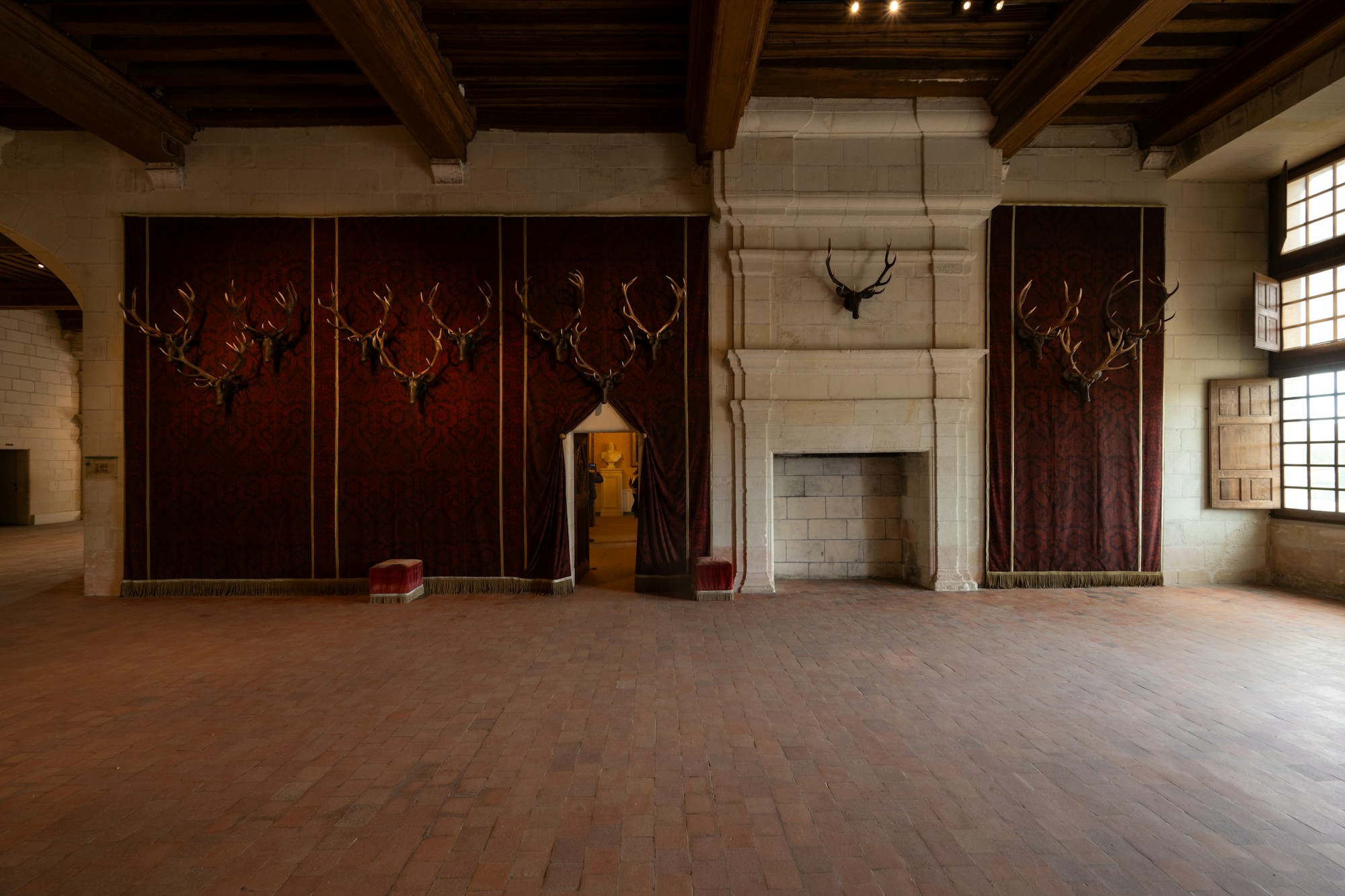
Photograph for the veto, too. A page that shows only camouflage and dead ducks speaks to the hunter and silences the partner. Show the room, the fireplace, the table and the porch. The cover photograph on this post, a grand hall with mounted antlers and a fireplace, is the right mood: warm, rooted and unhurried. Our guide to bringing the whole family to the duck camp goes deeper on how to write for the people who do not hunt.
Corporate Groups: The Retreat Market
A Greenwood lodge has a natural corporate pitch. Groups of eight or twelve or sixteen need a place that can host them, feed them, move them to the field and give them time to talk. A town with a real hotel and restaurant infrastructure gives you flexibility that a remote camp cannot match: overflow rooms, a private dinner out, an easy arrival.
Fly-in access can be part of the story, with care. The Greenwood-Leflore Airport, about six miles east of town, has a 6,501-foot paved runway and sells jet fuel, according to the airport's AirNav listing. That is a fact about a public airport, and a lodge can mention that private aircraft can arrive there. It should not promise scheduled service, ground transport or airport services without confirming each with the airport and the operator. Describe what you arrange, and be specific about who does what.
Build the corporate page as its own page. A buyer who is planning a client event does not want to scroll through a hunting blog. They want a one-page description of the program, the group sizes, the schedule of a typical day, what is included and a way to ask for a proposal. Provide a downloadable summary sheet, a named coordinator and a clear process for deposits, invoices and cancellations. Our guides to marketing to the corporate and executive retreat market and to why one page cannot sell both a team-building day and an executive retreat explain the structure.
A group hunt also needs a safety and logistics plan that you write down and share: how many guns per guide, how clients are briefed before the first morning and how weather changes are handled. Put it in the proposal. Buyers who are responsible for other people's safety read that section first.
Where the Market Stands: A Digital Gap You Can Use
Mississippi is a state where the legend runs ahead of the website. In Pine & Marsh's 2026-27 audit of 1,546 private operators across 11 states, a homepage scan in October 2026, Mississippi's 88 audited operators had a mean digital health score of 4.39 out of 10, the lowest of the 11 states, against a region-wide mean of 5.09. That is a statement about the audited group as a whole and not about any one business, and it does not mean any particular Greenwood operator is weak. It means the average Mississippi sporting business has more room to improve its online presence than the average in the other ten states, and that a lodge which builds good pages, clear booking and real photographs will stand out.
We do not name individual Greenwood operators here, and we have not tried to size up the local competition by name. If you want a view of the field, search the way your guests search, on a phone, for "Greenwood Mississippi duck hunting" and "Leflore County duck hunting," and read what comes up. Look at what is missing. When you read the results, ask four questions of each: does it say what is included, is there a group or corporate page, can a guest book online, and does the phone reach a coordinator. Every no is an opening for you.
Building the Search Presence
A lodge wins this market with a small number of strong pages, built in the order a buyer thinks. Start with the Google Business Profile for the lodge's real location, with accurate hours, photographs and a booking link. Then build the main destination page for the search "Greenwood Mississippi duck hunting lodge," which should explain the lodge, the ladder and the season in plain language, with the three products linked below.
Add a page for each rung. Add a page for the season and its dates, with a note to confirm with MDWFP. Add a page for the corporate program. Add a page for the non-hunting guest. Link the pages to one another, and link to the Delta flyway and flooded-rice piece for readers who want to understand the geography. The Mississippi Delta field report is a good companion for the landscape and the habitat story.
Then make the booking path work. A reservation system with a public availability calendar, a branded email address, a written weather and cancellation policy and an online deposit are what a corporate buyer expects. Even a simple inquiry form that goes to a named coordinator is better than a phone number that rings in a truck. Our guide to the outfitter booking funnel lays out the steps.
The First Thirty Days
Because the season is under way, set the priorities for the next thirty days in order. In the first week, get the Google Business Profile and the main destination page in shape and publish the season page. In the second week, add the weekend page with its food and non-hunting guest content, and photograph a real weekend. In the third week, publish the corporate page and send it to the corporate contacts you already have. In the fourth week, review what has been booked and what has not, and adjust the January calendar. Hunters booking for late January are searching now.
Measure what matters. Count inquiries by product, deposits by product and the share of weekend guests who started as day-hunt guests. Ask every guest how they found you. After the season ends, write down what you learned while it is fresh, and use it to plan the next one.
Work with Pine & Marsh
Pine & Marsh helps lodges, outfitters and sporting properties across the Southeast build the pages, search presence and booking paths that turn a good property into a full calendar. If you run a lodge in the Delta and want help turning the town around you into part of the product, we would be glad to talk it through on a discovery call, or to run a free marketing check on your site, your search visibility and your booking flow.
What you've built deserves to be found. Reach us at pineandmarsh.com/contact.
Frequently Asked Questions
When is Mississippi duck season in 2026-27?
MDWFP lists November 27 through 29, December 4 through 6, and December 9 through January 31 for ducks, mergansers and coots. A youth, veteran and active military weekend is listed for February 6 and 7. Confirm with MDWFP before you print dates, since they depend on federal frameworks.
What is the daily duck limit in Mississippi this season?
MDWFP lists six ducks a day, including no more than four mallards (no more than two hens), one mottled duck, two black ducks, three pintails, three wood ducks, two canvasbacks and two redheads. Scaup are one a day through December 17 and two a day from December 18. Confirm with MDWFP for current limits.
Can I sell guided duck hunts on Mississippi WMAs?
No. Paragraph W of MDWFP's Basic Regulations for All WMAs, 40 Miss. Code R. 2-1.1 (effective June 30, 2025), says no person or group may act as a guide, outfitter or in any other capacity for which they are paid or promised to be paid for services rendered. Sell guided hunts on private land only, and confirm the current text with MDWFP.
Can a guide work on Mathews Brake National Wildlife Refuge?
Do not assume so. Refuges set their own rules on commercial activity. Confirm with the refuge manager in writing before you say anything about it, and sell only private-land hunts.
What is a Greenwood duck lodge's best product?
For most lodges it is the all-inclusive weekend, since Greenwood's town makes it possible to offer meals out, time off and something for the non-hunting partner. The day hunt brings in new guests, and the corporate buyout is the highest-margin product.
How should a lodge market its food?
Photograph the breakfast and supper with real plates, publish a sample menu and describe what is cooked on site. Put the food in the first paragraph of the weekend page. Do not name other Greenwood businesses without an arrangement and their permission.
How do I win over a hunter's non-hunting spouse?
Write a real offer for the non-hunting guest into the weekend page, with a name and a price, and describe only things that exist. Photograph the rooms, the table and the porch as well as the field. The goal is to give the partner a reason to say yes.
Can I promise fly-in service for corporate groups?
You can say that private aircraft can use the Greenwood-Leflore Airport, which AirNav lists with a 6,501-foot paved runway about six miles east of town. Do not promise scheduled service, ground transport or airport services without confirming each with the airport and your providers.
How does Mississippi compare online with other states?
In Pine & Marsh's 2026-27 audit of 1,546 private operators, a homepage scan in October 2026, Mississippi's 88 audited operators averaged 4.39 out of 10, the lowest of 11 states, against 5.09 region-wide. It describes the group, not any one business.
Do I need a license to guide on private land in Mississippi?
This post cannot tell you. Guide licensing, landowner permissions, federal waterfowl rules and local requirements all bear on a commercial hunt. Confirm each with MDWFP and a licensed attorney before you sell your first hunt.
Sources
Mississippi Department of Wildlife, Fisheries, and Parks, Hunting Seasons and Bag Limits (2026-27 duck season), https://www.mdwfp.com/wildlife-hunting/hunting-seasons-and-bag-limits (accessed November 2026)
Mississippi Secretary of State, Administrative Code, Title 40, Part 2, Rule 1.1, Basic Regulations for All Wildlife Management Areas (PDF), https://www.sos.ms.gov/adminsearch/ACCode/00000368c.pdf (accessed November 2026)
Cornell Legal Information Institute, 40 Miss. Code R. 2-1.1 (effective 6/30/2025), Basic Regulations for All Wildlife Management Areas, paragraph W, https://www.law.cornell.edu/regulations/mississippi/40-Miss-Code-R-2-1.1 (accessed November 2026)
Cornell Legal Information Institute, 40 Miss. Code R. 2-1.13, Malmaison WMA Regulations, https://www.law.cornell.edu/regulations/mississippi/40-Miss-Code-R-2-1.13 (accessed November 2026)
U.S. Fish and Wildlife Service, Mathews Brake National Wildlife Refuge, https://www.fws.gov/refuge/mathews-brake (accessed November 2026)
Mississippi Department of Environmental Quality, Yazoo River Basin (PDF), https://www.mdeq.ms.gov/wp-content/uploads/2008/10/YAZOORIVERBASIN.pdf (accessed November 2026)
AirNav, KGWO Greenwood-Leflore Airport, https://www.airnav.com/airport/KGWO (accessed November 2026)
Pine & Marsh, 2026-27 audit of 1,546 private operators across 11 states, homepage scan, October 2026 (internal data)
Related Reading
Marketing a Tallahatchie and Leflore County Duck Lease Operation in Mississippi
The Mississippi Delta: Flooded Rice, Greentree Reservoirs, and the Flyway Brand Opportunity
Mississippi Delta Field Report: Flooded Timber, Rice and Catfish Country
Marketing a Mississippi Delta or Grand Prairie Duck Outfitter: The Full Playbook
Marketing a Sporting Operation in Mississippi: The Full State Guide
Marketing to the Corporate and Executive Retreat Market for Southeastern Sporting Lodges
Bringing the Whole Family to the Duck Camp, Not Just the Hunters
The Duck Opener Countdown: Four Weeks of Content Before the Flagship Season
The Outfitter Booking Funnel: From Search to Deposit in 7 Clicks


Comments