
Marketing an Upper Delta WMA-Adjacent Duck Operation in Alabama
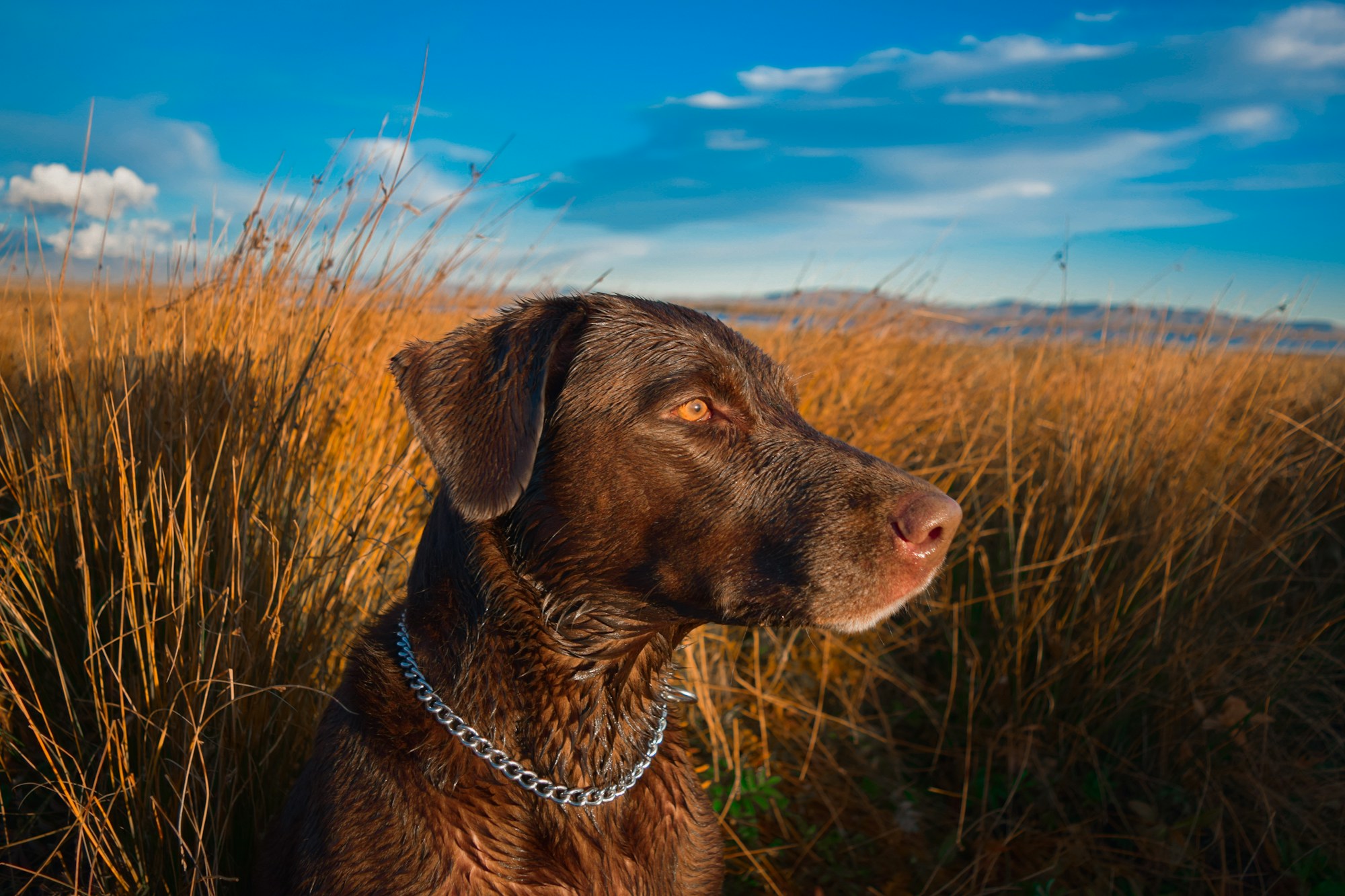
Alabama's 2026-27 duck season opens in nine days, and plenty of hunters planning to put a boat in near Stockton are typing some version of "Upper Delta WMA Alabama duck hunting" into a phone. What comes back is the Alabama Department of Conservation and Natural Resources (ADCNR) area sheet, a handful of forum threads and not much else. That search is the front door to a market, and the operator who owns private ground along the edge of that public land is standing in the best spot to catch the people who walk through it.
This post is a narrow spoke under our broader piece on marketing a Mobile-Tensaw Delta duck operation in Alabama, and it does not repeat that guide's walk through the whole delta. It is about one situation: you hold or lease private ground next to the Upper Delta Wildlife Management Area in north Baldwin or Mobile County, and you want to market the difference between your hunt and the public one without selling the public land itself. The public tract is not your product. It is your reference point, and the way you talk about it will decide whether hunters trust the rest of what you say.
One rule up front. We found no ADCNR page that authorizes paid guiding on Upper Delta WMA, and Alabama's WMA rule, Administrative Code 220-2-.55 (the version effective October 15, 2026), contains nothing that reads as permission. Silence in a rule is not authorization. Nothing in this post suggests selling a guided or outfitted hunt on the WMA; if you ever believe you have a path to do so, confirm with ADCNR in writing before a word of it reaches your website. Everything below is about the private side of the fence line.
What the Public Hunt Actually Is, According to ADCNR
You cannot market a contrast you have not read. Start with what the state itself publishes about hunting Upper Delta. ADCNR's 2026-27 Upper Delta area permit lists the area in Baldwin and Mobile Counties, and the Alabama Birding Trails directions reach it from Stockton, north on Alabama Highway 59 to St. Luke Church Road. Under the area permit and Rule 220-2-.55, a waterfowl hunter on the area needs a WMA license, the applicable small game or all game hunting license, a current Harvest Information Program certification, the state waterfowl stamp and the federal waterfowl stamp where required, and a paper area permit and daily permit unless he uses the Outdoor Alabama WMA Check-In application each hunt day. Every one of those is a small hurdle between a visiting hunter and his first morning.
The area permit adds the rules that matter most to a duck hunter. For September 2026 through August 2027, waterfowl hunting on the area follows the state season but runs from half an hour before sunrise to 1:00 p.m., not to sunset, in both zones of the area, and Zone A is closed to waterfowl on the days of its youth, primitive weapon, gun and dog deer hunts. These rules are published per season and change, so a hunter has to read the current permit and not an old forum post. The permit also carries a gate closure protocol: the swamp road gate is subject to closure with little notice when flooding is forecast, it is locked when the tailwater reading at Claiborne Lock and Dam on the Alabama River approaches 21 feet, and it reopens after the water recedes and the road dries. In a delta, access is a function of water, and the state says so in print.
None of this is a criticism of the public tract. It is free, large and genuinely wild, and it works for hunters who have a boat, the time to scout and the patience to learn it. The published facts simply describe a hunt with paperwork, a midday cutoff, closures that depend on the river and no one responsible for your morning. Those are the honest terms of a public hunt, and they are the shape of the gap your product fills. Read the current permit every season and cite it by name. "ADCNR's area permit sets the cutoff at 1:00 p.m." sounds like someone who respects the public hunt; "crowded and tough" with no source sounds like a competitor trashing a free option, and readers can tell.
Why the Neighbor Position Is Worth Marketing
Hunters searching for the WMA are a particular kind of buyer. Many are weekend hunters from Mobile and the Baldwin County coast, Pensacola, the Florida Panhandle and Montgomery, some on a first duck trip outside their home state. They have read that Upper Delta is public timber reached by boat. Some will go and do fine. Others will study the permit rules, the closure notes and the boat requirement and decide that a first season is better spent with someone who handles it.
That second group is your market, and it is large because the public option sets the benchmark that your price is measured against. A free hunt that demands a boat, a launch, a permit, a scouting program and a morning cutoff makes a paid morning on managed private ground feel like what it is: a bundle of removed friction. You are not competing with the WMA on price. You are selling the thing the WMA cannot give a visitor, which is a defined morning with a defined hole, a host and a hot breakfast.
Geography helps too. A hunter searching "Upper Delta WMA Alabama duck hunting" or "Baldwin County duck hunting" is searching your neighborhood. You can write truthfully that your ground is in the same part of the Mobile-Tensaw Delta system, with the same bottomland timber and river-driven water, without claiming anything about birds you cannot back up. Ducks do not respect property lines, and no honest operator promises that they hold on his side.
The cleanest framing is the one the Mobile-Tensaw cluster already uses: this is one delta that holds two kinds of hunt. Our field report on the Mobile-Tensaw Delta's six sporting verticals shows how many different businesses live on this water. Yours is the one that sells a seat, and the public tract is the free alternative that makes the seat easy to understand.
Selling the Contrast Without Selling Against Anyone
The rule for this whole section is that you describe your hunt in its own terms, tie each claim to a published fact and let the reader draw the comparison. A page that says "unlike the WMA, we hunt until sunset" is making a statement about the state, and it had better be right. A page that says "we hunt the full legal day" and then links to ADCNR's season page for shooting hours is making a statement about you, and it is fully backed.
Take the shooting hours as a concrete case. ADCNR's 2026-27 waterfowl season page lists statewide shooting hours as one-half hour before sunrise to sunset, and the 2026-27 Upper Delta area permit sets a 1:00 p.m. cutoff on the area. One catch before you write a word: ADCNR's 2026-27 Waterfowl Hunting Guide also defines a Mobile-Tensaw Delta Waterfowl Management Zone in the lower delta, and inside that zone waterfowl hunting is closed Monday and Tuesday and runs only to 1:00 p.m. Wednesday through Sunday during the regular season. Check your ground against the zone boundary in the guide. If your land sits outside the zone, statewide hours apply and you have a longer legal day, and you can say, "we are free to hunt the full legal day, and on some days the best flight comes after the public cutoff." Use that sentence only if your guides will actually sit through the afternoon, and confirm the hours with ADCNR each season.
Control of the water is the second piece. On private ground you can decide when to hunt a hole, when to rest it, where to put a blind and how many guns to take. Public ground is a first-come arrangement, and ADCNR's own rules govern permanent stands and blinds. On your side you can describe a rotation, and say how many hunters you seat per day and why. That is a real advantage and an easy one to explain: fewer boats, fewer shots into the same flock, and a morning built around one party instead of whoever launched first. Do not exaggerate it. Say how your rotation works and let the reader decide that it is worth money.
Third is access. The area sheet's gate closure protocol and the boat requirement tell you what a public hunter faces when the river is up. If your launch, your road or your blind position gives clients reliable access when flood stages change, say so with specifics: where they meet you, how they get to the blind, what the plan is if the river moves overnight. A visiting hunter reads that sentence as insurance. Do not criticize the state's gate. Describe your own plan, and note that the area permit itself points hunters to the National Weather Service hydrograph for Claiborne Lock and Dam, which you check each morning too.
Fourth is comfort and hospitality, which public ground has no way to offer at all. A hot breakfast, a dry place to change, a retriever that knows the work, a photo of the strap and a person who answers the phone are all part of the product. Photograph your own dog in your own marsh grass, not a stock decoy spread from another state.
Selling the Hunt Honestly: Wood Ducks First
The delta is not the Arkansas Grand Prairie, and an operator who pretends otherwise is going to burn his reputation in the first week of December. Be direct that Upper Delta country is flooded timber and slough water, a place known for wood ducks, with the mix shifting through the season as migrant birds arrive. ADCNR's own bag limits tell the story in the numbers: Alabama's daily duck limit is six, and the wood duck sub-limit is three, the same as the pintail sub-limit this season. Mallards are capped at four, no more than two of them hens. Your content should say what a good morning looks like on your ground, in plain words, and give a range that you can defend, not a best-case photo.
This honesty is a marketing asset. Forum hunters have heard every inflated promise and discount them all. A page that says "this is a wood duck and timber hunt; the numbers depend on water, weather and what arrives with the cold fronts" reads as the one operator not selling a fantasy, and a client who was told what to expect cannot feel misled when the morning is slow.
Match the species story to a season story. ADCNR's 2026-27 waterfowl page lists two segments for ducks, coots and mergansers: November 27 and 28, and December 5 through January 31. It also lists a special youth, active military and military veteran day on November 21, 2026, and another on February 6, 2027. The page notes that the federal guidelines were not final when it was printed and tells hunters to check the website, so you should too. Build your calendar around those dates, show which weeks you offer, and explain in one paragraph why the opening weekend, the December segment and the late January push feel different. The opening weekend in a timber hunt tends to depend on resident birds. The later weeks depend on migration, and your page should say so.
Then write the page that answers every first-timer's question: what will my morning look like. Walk from the meeting time and place through the boat ride, the blind, the calling and the retrieves to breakfast and the drive home, and photograph each step. If the page answers every question before the call, the call becomes a booking.
The Funnel From Public-Land Searcher to Paying Client
Your most valuable content is the material that helps a hunter who has decided to try the public tract, because that person is already a duck hunter with a license and a season to plan. Write the honest explainer. What does a first-timer need to know about launching in the delta, reading the river gauge, carrying the right stamps, finding the permit box and respecting the cutoff? Link every rule to ADCNR. Link to the NWS river forecast. Write it so a hunter who reads it could go do the public hunt tomorrow and have a decent day.
That sounds like giving away the farm, but it is the opposite. The reader learns two things: that you know this water, and that doing it right takes a lot of work. Some will take the free hunt and be grateful; some will book a morning with the person who wrote the guide. Both groups remember your name. Our piece on WMA draws versus guided hunts lays out the decision hunters run across the Southeast, and you should write your version of it for this delta.
Make the bridge from the explainer to the booking explicit but low pressure. At the end of the public-land guide, include a short, honest paragraph: "If you would rather have someone else handle the boat, the permit and the cutoff, here is how our private hunts work." Link to the private-hunt page, not to a contact form. That page should carry the dates, the capacity, the deposit terms and the cancellation policy, with a clear booking path. The principle from our guide to the outfitter booking funnel applies: the visitor should never have to leave the page to find the next question's answer.
Keep the line between the two pages clean. The public explainer covers the state's land and rules; the private-hunt page covers yours. Never put a booking prompt inside a section about the WMA, and never describe a client trip as taking place on the WMA. If a client asks whether you can take them there, the polite answer is that you hunt your own ground, and the public tract is open to them on their own under the state's rules.
Drive Markets and the Coastal Crossover
Mobile and Baldwin Counties sit close to this ground, and the Gulf Coast crowd that fills the beach condos every summer is a short drive from the timber. The same hunters who own boats for the bay do not always own a duck boat, a set of decoys and a retriever. A morning that includes the boat, the dog and the gear is a gift for that buyer, and it is a gift product too: a gift card for a half-day timber hunt is an easy purchase for someone who has a spouse or a friend who "has always wanted to try duck hunting."
Pensacola, the Florida Panhandle and Montgomery are within reach for a weekend. Your content for those markets should be about logistics: how long the drive is from each, where to stay, what time the day begins and what to bring. Stay-and-hunt packages with a nearby hotel or rental are an easy way to widen the booking window beyond the day itself. Name no partner you have not arranged, and do not imply an endorsement you do not hold.
The coastal crossover is also an off-season story: a December duck guest may book a spring inshore trip or a corporate outing. Our guide to the Alabama outdoor market walks through how those pieces fit together in the state. Put the duck guests on your email list at the end of the hunt, with their permission, and write to them in the off-season.
Staying Legal and Respectful at the Fence Line
A private operator next to public land has two obligations that a remote operator does not. The first is to stay on his side. Your clients must know exactly where your boundary is, and your guides must be able to show it by signs, landmarks or a map. Public hunters will be nearby, and a boundary conflict can end in a game warden's report. Brief every party on the property line before the first shot of the day.
The second is to avoid implying anything about the public land that you cannot back up. Do not say or suggest that you have special access to birds that move off the WMA, or that your ground is better because public hunters push birds to you. Do not imply that you work with ADCNR. Do not use the state's logo. Do not describe your hunt as "on the Upper Delta" in a way that a reader would take to mean the public tract itself. "Adjacent to" or "in the same part of the Delta as" is accurate and still searchable.
Licensing for guided hunts is a separate question from the WMA rules. Hunter and guide licensing, landowner permissions, federal waterfowl rules including baiting, and local ordinances all apply on private land. Confirm each with ADCNR or a licensed attorney before you sell your first hunt. This post is marketing guidance, not legal advice.
Measuring It
Track the pages the way the hunters use them. The public-land explainer should be measured by organic visits, time on page and clicks to the private-hunt page. The private-hunt page should be measured by inquiries, deposits and the share of inquiries that mention the explainer. Ask every new client how they found you, and write the answer down.
Review the data each week of the season, then once more in February, when next year's plan takes shape: which weeks sold out, which stayed empty, which questions kept appearing. If January sells out, open more late dates. The calendar the state gives you is fixed; your use of it is not.
This post is one rung of a ladder. The Mobile-Tensaw cluster, the Guntersville and Swan Creek duck piece and the reservoir diver hub give Alabama waterfowl a full set of rungs.
Work with Pine & Marsh
Pine & Marsh helps outfitters, guides, lodges and sporting properties across the Southeast build the pages, search presence and booking paths that turn a good piece of ground into a full calendar. If you run private water next to public land and want help drawing the line between the two in a way hunters trust, we would be glad to talk it through on a discovery call, or to run a free marketing check on your site, your search visibility and your booking flow.
What you've built deserves to be found. Reach us at pineandmarsh.com/contact.
Frequently Asked Questions
When does Alabama duck season open in 2026-27?
ADCNR lists two segments for ducks, coots and mergansers: November 27 and 28, 2026, and December 5, 2026 through January 31, 2027. A special youth, active military and military veteran day is listed for November 21, 2026, and another for February 6, 2027. ADCNR notes that federal guidelines were not final when its page was printed, so confirm with ADCNR before you publish dates.
What is the daily duck limit in Alabama this season?
ADCNR lists six ducks a day in total. Within that, no more than four mallards (no more than two of them hens), three wood ducks, one mottled duck, two black ducks, two redheads, three pintails, two canvasbacks and one scaup. Coots are 15 a day and mergansers five. Confirm with ADCNR before you print limits on your site.
Can I sell guided duck hunts on Upper Delta WMA?
Do not market it. We found no ADCNR page that authorizes paid guiding on the area, and Rule 220-2-.55 does not read as permission. Silence is not authorization. Confirm with ADCNR in writing before you say anything about it, and sell only hunts on private land you own or lease.
What does a hunter need to hunt ducks on Upper Delta WMA?
Per the 2026-27 area permit and Rule 220-2-.55: a WMA license, the applicable small game or all game hunting license, a current HIP certification, the state and federal waterfowl stamps where required, and a paper area permit and daily permit unless the Outdoor Alabama WMA Check-In application is used. Read the current area permit, since the details change by season.
Why does the 1:00 p.m. cutoff matter to a private operator?
The 2026-27 Upper Delta area permit sets a 1:00 p.m. cutoff for waterfowl, while ADCNR's statewide hours run to sunset. Private land outside ADCNR's Mobile-Tensaw Delta Waterfowl Management Zone follows the statewide hours; land inside that zone is closed Monday and Tuesday and shoots only to 1:00 p.m. Check your ground against the zone boundary, market a longer day only if your guides will run one, and confirm with ADCNR each season.
How do I describe my location without implying I hunt the WMA?
Use "adjacent to" or "in the same part of the Mobile-Tensaw Delta as" and describe your own boundary. Do not use the state's logo, imply a relationship with ADCNR or write copy that a reader could take to mean the public tract. Brief every party on your property line before they hunt.
Is this a mallard hunt?
Be honest that it is a timber and slough hunt known for wood ducks, with other species arriving as the season moves. Alabama allows up to four mallards a day, but that is a limit, not a promise. Describe what a good morning looks like on your ground and give a range you can defend.
Who is the buyer for a private hunt next to a free public one?
Mostly hunters who do not want to manage a boat, a permit, a launch and a midday cutoff in their first delta seasons, many from Mobile, Baldwin County, Pensacola and Montgomery. They are paying to remove friction.
Should I write about the public tract at all?
Yes, carefully. A complete, sourced public-land explainer brings in the searchers who start at the WMA, and a link to your private-hunt page converts the share who decide they want help. Keep the two pages separate and never describe a client trip as happening on the WMA.
Do I need a license or permit to guide on private land in Alabama?
This post cannot tell you. Guide licensing, landowner permissions, federal waterfowl rules and local ordinances all bear on a commercial hunt. Confirm each with ADCNR and a licensed attorney before selling your first hunt.
Sources
Alabama Department of Conservation and Natural Resources, Outdoor Alabama, Waterfowl Seasons 2026-2027, https://www.outdooralabama.com/seasons-and-bag-limits/waterfowl-season (accessed November 2026)
Alabama Department of Conservation and Natural Resources, Upper Delta WMA 2026-2027 Area Permit and Map (PDF), https://www.outdooralabama.com/sites/default/files/PDF%20documents/WMA%20Mamps/2026-2027/2026_27_D5-Upper%20Delta%20WMA%20ADA.pdf (accessed November 2026)
Alabama Department of Conservation and Natural Resources, 2026-27 Alabama Waterfowl Hunting Guide (PDF), https://outdooralabama.com/sites/default/files/2026-27%20Waterfowl%20Hunting%20Guide.pdf (accessed November 2026)
Alabama Department of Conservation and Natural Resources, Administrative Code Rule 220-2-.55, Wildlife Management Areas of Alabama, https://admincode.legislature.state.al.us/api/rule/220-2-.55 (accessed November 2026)
Alabama Department of Conservation and Natural Resources, Outdoor Alabama, Alabama Hunting and Fishing Regulations, https://www.outdooralabama.com/hunting/alabama-hunting-and-fishing-regulations (accessed November 2026)
Alabama Birding Trails, Upper Delta Wildlife Management Area, French's Lake, https://alabamabirdingtrails.com/sites/upper-delta-wildlife-management-area-frenchs-lake/ (accessed November 2026)
Related Reading
The Mobile-Tensaw Delta: Six Sporting Verticals on One Outboard Tank
Marketing a Lake Guntersville and Swan Creek Duck Guide in Alabama
WMA Duck Draw vs Guided Hunt: The Decision Framework Every Southeastern Duck Hunter Runs
Diver Duck Hunting on Southeast Reservoirs: Marketing the Open-Water Hub
Marketing a Sporting Operation in Alabama: The Full State Guide
Bayou Meto WMA: Marketing the Public-Land Crown Jewel Without Selling a Guided Hunt on It
The Outfitter Booking Funnel: From Search to Deposit in 7 Clicks
The Duck Opener Countdown: Four Weeks of Content Before the Flagship Season


Comments