
Southwest Louisiana Rice Prairie Field Report: Specklebelly Geese, Coastal Refuges, and the Cameron Parish Wintering Grounds
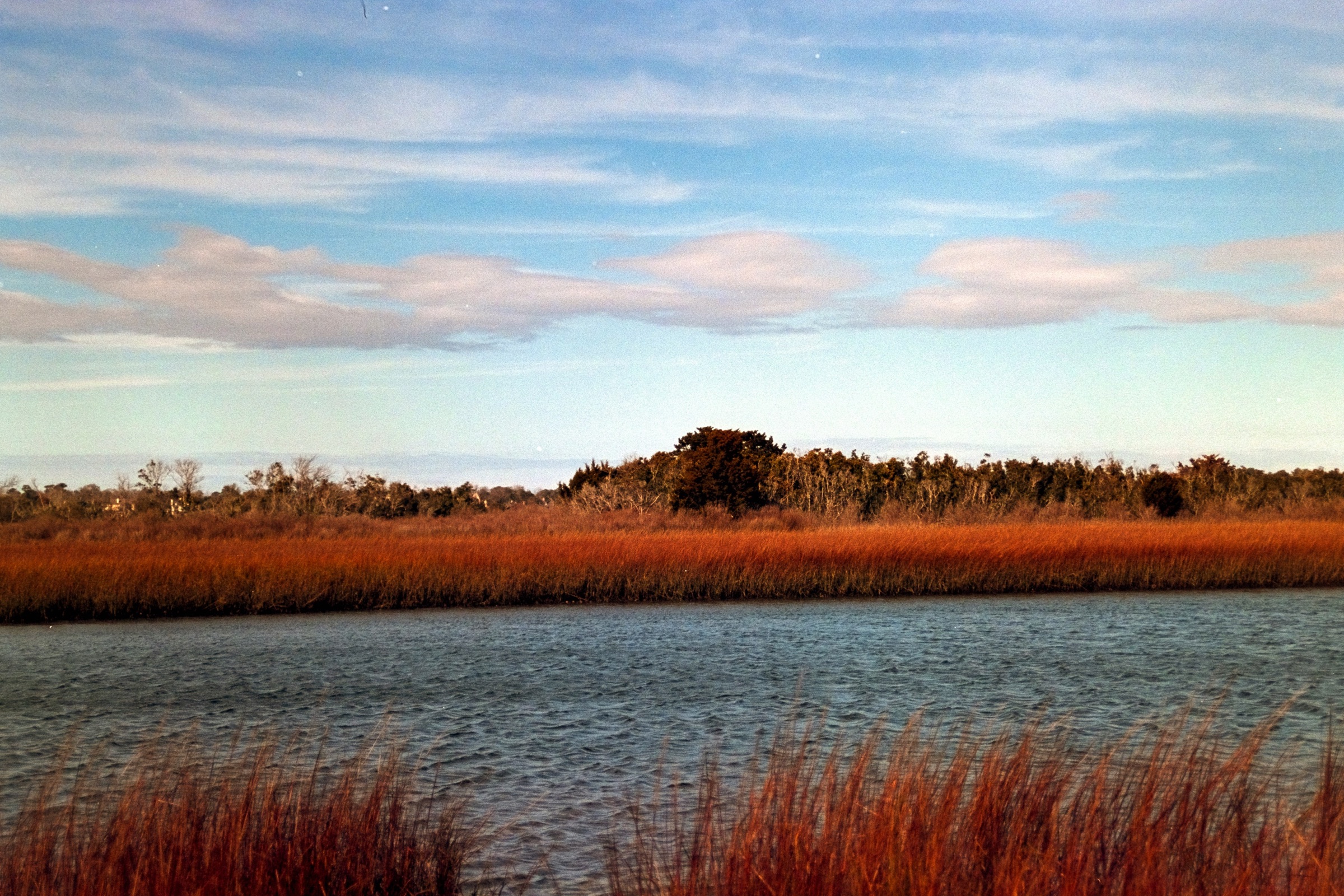
The road south from Interstate 10 runs flat enough that a single grain bin on the horizon becomes a landmark. West of Lafayette and east of the Sabine River, the land is a patchwork of levee-ringed rice fields, fallow stubble, crawfish ponds, cattle pasture and long ditches, and beyond it, to the south, the fields give way to the grass of the coastal marsh. In November the fields hold water that was pumped on purpose, and the water holds sky. Before the sun clears the horizon you can hear the geese before you see them, a rolling, laughing chatter that the people who hunt them have called by one nickname for as long as anyone remembers: specks.
This is the rice prairie of southwest Louisiana, and it is a hinge between two landscapes. To the north lie the farm towns, Jennings and Crowley and Kaplan and Gueydan. To the south lie the marshes of Cameron Parish and the string of national wildlife refuges that anchor them: Lacassine, Cameron Prairie, Sabine and Shell Keys, plus the state refuge at Rockefeller. Birds that sleep safely in the refuge marsh at night can feed in rice stubble by day, and for generations that daily commute has made this corner of the state one of the great waterfowl wintering grounds of the Mississippi Flyway.
It is also a place in the middle of a change. State biologists have documented that fewer of the continent's greater white-fronted geese winter in Louisiana than once did, and a new study published in the Journal of Wildlife Management gives the first fine-scale look at what the geese that do come are choosing. This field report walks the rice prairie and the refuge chain, reads that evidence carefully, and sets out the 2026-27 season and access rules as LDWF and the U.S. Fish and Wildlife Service have published them.
LDWF's 2026-27 West Zone duck calendar begins with a youth and veterans hunt on November 7, 2026, with the first regular segment starting November 14. Seasons, bag limits and refuge rules change from year to year, so confirm every date in this report with the Louisiana Department of Wildlife and Fisheries (LDWF) and the refuge office before you go.
An Ecology Snapshot: Rice Prairie, Fresh Marsh and a Chain of Refuges
The agricultural matrix
Rice here is a water crop. Fields are leveled, diked and flooded, which is why a rice farm looks to a goose a lot like shallow wetland. LSU AgCenter's H. Rouse Caffey Rice Research Station, on about 1,000 acres near Crowley, has been doing rice research since 1908 and sets aside more than 30 acres for crawfish research. It also develops some rice varieties as forage for crawfish for farmers who double-crop, so a single flooded field may produce a rice crop one season and crawfish the next. That rotation is the agricultural engine of the prairie, and it is the reason the region carries so much flooded ground in the months when ducks and geese are looking for it.
The U.S. Geological Survey and LDWF study discussed below puts the rice question plainly. The authors note that Louisiana has substantial food resources from rice agriculture and abundant grazing opportunities afforded by mild winters. They also note that a range shift of white-fronted geese away from the coastal marshes of Texas and Louisiana toward interior landscapes has been primarily attributed to landscape-scale changes in rice production. In other words, the geese have followed the grain and the water, and the acreage of both has moved.
The refuge chain
The refuges sit just south of the fields, and each plays a different role. Lacassine National Wildlife Refuge was created in 1937, and the Fish and Wildlife Service puts it in Cameron and Evangeline parishes, at the edge of Grand Lake and about 15 miles from the Gulf. Its own page lists 34,724 acres, most of it freshwater marsh, and calls Lacassine Pool, a 16,000-acre marsh inside a low levee, a sanctuary for wintering waterfowl. The same page breaks the refuge into approximate habitat acres, including about 14,700 acres of fresh marsh, 16,000 acres of impounded fresh marsh, 1,109 acres of cropland in rice and fallow, and about 3,300 acres south of the Gulf Intracoastal Waterway that are designated wilderness. The 2026-27 hunting brochure, by contrast, gives the refuge habitat as approximately 34,878 acres. Both figures are official; use each where it applies rather than merging them.
The Lacassine page also tells you who winters there. It lists large concentrations of white-fronted and snow geese, mostly puddle ducks, including pintails, blue-winged and green-winged teal, mallards, gadwalls, shovelers and American wigeon, and smaller numbers of diving ducks and of Canada and Ross's geese.
Cameron Prairie National Wildlife Refuge, created in 1988, has two units that behave very differently. The main refuge, which the hunting brochure calls the Gibbstown Unit, covers 9,621 acres of fresh marsh, coastal prairie and old rice fields now managed as moist-soil units, according to the refuge page, and it is the part with the visitor center and auto-tour route. The East Cove Unit, 14,927 acres of brackish to intermediate marsh bordered on the west by Calcasieu Lake, is reached only by boat. The refuge page says East Cove was established in 1937 as part of Sabine and administratively transferred to Cameron Prairie in 2001. What matters for hunters is the brochure's line that East Cove is closed to all hunting, and what matters for naturalists is the refuge's description of East Cove as a nursery for brown and white shrimp, blue crab and many fish species.
Sabine National Wildlife Refuge was established in 1937 and occupies the marshes between Calcasieu and Sabine lakes; the refuge page places it eight miles south of Hackberry on Highway 27 in Cameron Parish. The current hunting brochure calls it one of the primary wintering refuges for waterfowl in the Mississippi Flyway and gives its size as 125,000 acres of marsh, of which about 34,000 acres are available for hunting. An older refuge fishing and boating guide gives 124,511 acres. The refuge's own page describes its work as "some of the largest wetland management efforts in Louisiana."
State refuges and the conservation area
Three state properties round out the picture, and they follow different rules. Rockefeller Wildlife Refuge is managed by LDWF, not the federal government. LDWF says the Rockefeller Foundation donated it in 1919 at about 86,000 acres and that surveys now show 71,000 acres, with 26.5 miles of Gulf shoreline in Cameron and Vermilion parishes. It is a research site first. LDWF reports that staff and collaborators have published more than 350 peer-reviewed articles there since 1955, and that it serves as a test site for marsh management strategies to limit saltwater intrusion. The page says no hunting is allowed on the refuge, and visitors need a WMA Access Permit.
White Lake Wetlands Conservation Area is a state property, not a private lake. LDWF lists 71,905 acres in Vermilion Parish, owned and managed by the state since BP donated the property in 2002. About 75 percent is freshwater marsh, and LDWF manages the agricultural part of the property to keep it farmable and maintain rice production. Waterfowl hunting on White Lake is by lottery only, covering teal, youth, marsh and rice field hunts. A two-mile birding and nature trail on the north side is open to the public from sunrise to sunset, with parking at the entrance 7.4 miles south of Gueydan at the south end of Highway 91. LDWF counts 174 bird species there, and an LSU AgCenter feature quotes a program leader describing White Lake as historically an important wintering ground for waterfowl and the place where whooping cranes were reintroduced in Louisiana.
Marsh Island Wildlife Refuge sits between Vermilion Bay and the Gulf in Iberia Parish. It was deeded to the state in 1920 at 76,664 acres and is now closer to 71,000, mostly because of erosion and storm damage. LDWF describes it as crucial wintering habitat for waterfowl, wading birds and shorebirds, and the page lists three water management units covering about 11,000 acres managed for wintering waterfowl. It is reachable only by boat, about six miles south of Cypremort Point. The page describes recreational fishing, shrimping and crabbing under refuge limits and says commercial fishing is prohibited. LDWF's refuge regulations on the same page prohibit public hunting and bringing firearms onto the refuge, limit use to sunrise to sunset, and require a WMA Access Permit, so Marsh Island is a place to fish and watch birds, not to hunt. Read the full rules on LDWF's page before you go.
What the Interface Creates: Grain, Water and Sanctuary
The daily commute
The ecological logic of the prairie is a trade between two kinds of ground. The marsh and the refuge impoundments offer security: places where ducks and geese can sleep, loaf and be left alone. The rice and fallow fields offer calories. The refuge brochure shows how deliberately the security side is managed. Waterfowl hunters on the complex must enter no earlier than 4 a.m. and be off the refuge by 2 p.m., with shooting hours ending at noon, which means the refuge empties of hunters by early afternoon and the birds have the marsh to themselves through the late-day feeding flights and the night. Lacassine and Sabine are open for hunting only on Wednesdays, Thursdays, Saturdays and Sundays of the teal season and the West Zone duck and coot season, in designated areas only, and they are closed to all hunting during the goose-only part of the season.
That last point deserves a second look. West Zone duck season in 2026-27 ends January 24, but the goose season for white-fronted, snow and Canada geese runs through February 7. For two weeks, the refuge marsh is closed to hunting while the geese are still legal elsewhere. The brochure adds that the complex is not open for the goose-harvest-only dates under the state's conservation order for light geese. The net effect is a long late-winter stretch when the largest blocks of marsh are quiet.
What the collars say about goose habitat
The strongest recent evidence on how white-fronted geese use the state comes from a study led by the U.S. Geological Survey with LDWF biologists, published in the Journal of Wildlife Management. Beatty and colleagues fitted GPS neck collars to 78 greater white-fronted geese in Louisiana and tracked them each winter from 2016 to 2019, visiting the locations the birds used to measure vegetation height, water depth and land cover. They modeled habitat use in four regions of the state, central, coastal, north and southwest.
Two findings stand out. First, in all four regions water depth was part of the best model, and goose use was higher at sites with more than about 5.1 centimeters, or roughly two inches, of water than at dry sites or sites with less. The authors conclude that wet areas provide better habitat than dry areas and suggest that new flooding regimes on agricultural land could help offset the winter distribution shift. Second, in the southwest region the best model also included vegetation height and land cover, and use was highest in areas classified as other land cover, a category that includes crops such as corn, cotton, rye and sugarcane, and lowest in open water. For a landscape known for rice, that is a reminder that geese are grazers and glean grain, and that they do not simply follow one crop.
This is useful to anyone who manages ground here. It is also a caution against folklore. The study followed collared birds, and it measured habitat use, not hunter success. It does not tell you where a given field will hold geese on a given morning.
A shift in where the geese winter
LDWF documented the larger trend in a December 2015 news release. Despite increases in the midcontinent white-fronted goose population, the department said, wintering counts in Louisiana had declined over two decades according to the January midwinter survey. It reported that an average of 32 percent of midcontinent white-fronted geese then wintered in Louisiana, compared with 80 percent 20 years earlier. It listed possible contributors: changes in agriculture, lasting hurricane effects, urbanization and industrialization of historic goose habitat, and a doubling of estimated active waterfowl hunters since 2005. That release is a decade old and the shares are from its own time, so treat them as the baseline for the trend, not as the current number. For a current figure, check LDWF's most recent midwinter waterfowl survey results rather than estimating one.
LDWF's first collar project, described in the same release, added a detail that matters for timing. Six white-fronted geese fitted with transmitters in southwest Louisiana on October 18, 2015 were still there on November 7, the opening day of the coastal zone duck season. Within three days, five of the six had left the coastal zone in stable weather. The department said it was too early to say whether the cause was the start of hunting, food depletion, better habitat elsewhere or some mix, and noted the birds were moving around much more than expected. Six birds is a very small sample, and it is one fall, but it illustrates why a prairie that holds geese in October may not hold them in January.
Migration and Timing Signals: The 2026-27 Calendar
Ducks, coots and mergansers
LDWF's 2026-27 migratory bird page sets two zones, and the parishes in this report lie in the West Zone. The zone boundary, adopted by the Louisiana Wildlife and Fisheries Commission for the 2026-27 through 2029-30 seasons, runs from the Texas line to a line south on Louisiana Highway 79 from the Arkansas border to Homer, south on Highway 9 to Arcadia, south on Highway 147 to Hodge, south on U.S. 167 to Lafayette, then south and east on U.S. 90 to the Mississippi line. Cameron, Calcasieu and Vermilion parishes, and the towns of Lake Charles, Kaplan and Gueydan, sit west of that line. If a hunt is near U.S. 90, check the LDWF zone map.
The West Zone duck, coot and merganser calendar is a youth and veterans day on November 7, a regular season November 14 through December 6, and a second segment December 19 through January 24, followed by a second youth and veterans day on January 30. The East Zone runs a week later and ends January 31. The daily duck limit is 6, which may include no more than 4 mallards (no more than 2 hens), 3 wood ducks, 2 canvasbacks, 2 redheads, 1 black duck and 3 pintails (no more than 1 hen). One scaup may be taken for the first 15 days and two after that, and mottled ducks are closed for the first 15 days, then 1 per day. Coots are 15 a day and mergansers 5, only 2 of which may be hooded. Possession is three times the daily bag. The early teal season ran September 19 to 27, and the special black-bellied whistling duck season ran October 3 to 11, so both are behind us.
Geese and the conservation order
For light geese (snow, blue and Ross's), white-fronted geese and Canada geese, LDWF lists the same dates in both zones: November 14 through December 6 and December 19 through February 7. Daily limits are 20 light geese, 3 white-fronted geese and 1 Canada goose, with possession limits of 9 for white-fronted geese and 3 for Canada geese and none for light geese. That 3-bird specklebelly limit makes a limit of white-fronts a prize in a way a limit of snow geese is not.
The conservation order is a separate light-goose-only season, December 7 through 18 and February 8 through March 7, with electronic calls, unplugged shotguns, no bag or possession limits and shooting hours from a half hour before sunrise to a half hour after sunset. White-fronted and Canada geese are not part of it. The brochure notes the refuge complex is not open for goose-only dates within the conservation order.
Reading the signals
There is no reliable calendar for the peak of the white-fronted goose flight. What the evidence supports is a short list of signals: water on the fields, with the study's roughly two-inch threshold as the best measured clue; cold fronts that push birds south, a pattern hunters know well; and hunting pressure, which LDWF identified as one of several candidate drivers of the long-term shift and which the 2015 collar data hint can move birds in days. Scouting the fields and checking the refuge water before you plan a trip will tell you more than a date on a calendar.
On the Ground: Basecamps, Refuge Access and Rules
The towns and the Creole Nature Trail
The prairie towns are practical bases. Lake Charles is the large hub in the west, with Interstate 10 across the top of the region. Jennings, Lake Arthur, Kaplan and Gueydan sit in the rice country, and Cameron is the coastal gateway. Gueydan bills itself as the Duck Capital of America, according to an LSU AgCenter article, which is the town's own billing and not an official designation. The Cameron Prairie refuge page calls the refuge an integral part of the Creole Nature Trail All-American Road, and the byway links several of these refuges. Check the byway's official route map for current mileage before you plan a drive around it.
For people who come to watch birds instead of hunt them, the refuges are among the easiest public wildlife stops in the state. Cameron Prairie's visitor center lists hours of Tuesday through Thursday, 9:00 a.m. to 3:30 p.m., and the Gibbstown Unit has an auto-tour. Sabine, about 26 miles south of Sulphur, has roadside recreation areas that can be reached by car year-round from dawn until dusk, excluding posted closures, along with the Wetland Walkway. Rockefeller is open to the public daily from sunrise to sunset with a WMA Access Permit, but some areas are closed December 1 through March 1, and the East End boat launch closes in that period to limit disturbance to wintering waterfowl.
Hunting the public ground
The public-land picture here is narrower than many visitors expect. The Southwest Louisiana refuge complex, which the 2026-27 brochure lists as Cameron Prairie, Lacassine, Sabine and Shell Keys, requires the signed permit printed on the brochure, which expires February 28, 2027. Waterfowl hunters may enter no earlier than 4 a.m., must be off by 2 p.m. and may shoot only from a half hour before sunrise to noon. Only non-toxic shot is allowed, permanent blinds are prohibited and decoys and blinds come out daily. Gibbstown waterfowl hunts at Cameron Prairie are a lottery for hunters 16 and younger and adults 55 and older, with applications September 1 through September 30. Lacassine and Sabine limit hunters to designated areas, with motor limits by water body, and Lacassine requires non-motorized travel in its wilderness. The brochure defines youth as 16 and younger across the complex, except at Lacassine's walk-in youth and senior unit, which uses 15 and younger, so read the refuge-specific paragraph.
State refuge and conservation-area rules differ. Rockefeller and White Lake, as above, offer no public hunting at Rockefeller and a lottery-only hunt at White Lake. For the Wildlife Management Areas that LDWF lists as popular duck areas, such as Sherburne, Pointe-aux-Chenes and the Atchafalaya Delta, hunters need a WMA Access Permit or one of the licenses LDWF lists as a substitute, and they hunt on their own.
One rule matters for anyone planning a guided trip. The refuge brochure lists commercial guiding among prohibited activities on the complex. Louisiana's 2026-27 WMA regulations also bar anyone from acting as a paid hunting guide or outfitter for people hunting on any WMA; the only carve-out is for licensed and insured charter fishing guides, who need a WMA Access Permit. Guided waterfowl hunts are therefore not an option on the public refuges and WMAs described above. A guided specklebelly or duck hunt in southwest Louisiana takes place on private ground, with the landowner's permission, so the question to ask any operator is where the hunt takes place and whether the operator holds the required licenses. Confirm current rules with LDWF.
Planning Your Trip, Season by Season
Fall and the early season
Early fall in the prairie is about scouting and teal. The September teal season and the October whistling duck permit season have already passed for 2026, but October is still a good month to see the fields flood, the first blue-winged teal feed and the first geese show. The refuge scouting windows in the brochure are worth noting: Lacassine allows scouting during its open fishing season, March 15 through October 15, and on the weekdays right before the first split opens, with blind material prohibited while scouting.
The core of the season
For hunters on public ground, the core of the season is the two West Zone duck segments, the refuge hunting days, and a lottery draw if you applied on time. For hunters on private ground, the key is the landowner. The best days on the rice prairie are the days when flooded ground, weather and pressure line up, and no one can book them in advance.
Late winter
Late winter is when the hunting calendar thins out on the refuges while it runs on in the rice country. Ducks close on January 24 in the West Zone, geese run through February 7, and the light-goose conservation order resumes February 8 through March 7 on private and other open ground. Meanwhile, the refuges are in their sanctuary phase for the end of the goose season. For wildlife watchers, the Cameron Prairie auto-tour is open to visitors during the refuge's posted hours.
Responsible practices
A few habits matter more here than elsewhere. Follow the non-toxic shot rule. Keep your decoys and blinds out of the refuge at the end of each day. Give wintering birds distance on refuge roads and the Rockefeller closure areas. Check the LDWF zone map. And remember that the refuge acreage numbers, closures and hunt days in this report are as published in November 2026, and that they change.
Key Takeaways
Southwest Louisiana's rice prairie works because of a daily trade: security in refuge marsh at night, grain and shallow water in rice and fallow fields by day.
A 2026 Journal of Wildlife Management study of 78 GPS-collared white-fronted geese found goose use highest at sites with more than about 5.1 centimeters of water.
LDWF documented in 2015 that the share of midcontinent white-fronted geese wintering in Louisiana fell from about 80 percent to an average of 32 percent over two decades.
The 2026-27 West Zone duck season opens with a youth and veterans day November 7 and a regular season November 14 through December 6, then December 19 through January 24; geese run November 14 through December 6 and December 19 through February 7, with a white-fronted limit of 3.
The Southwest Louisiana refuge complex bars commercial guiding and is closed to hunting during the goose-only portion of the season; Rockefeller has no public hunting and White Lake hunting is by lottery.
Refuge acreage figures conflict across official documents, so quote the page you are using and confirm with the refuge.
Guided waterfowl hunts here are on private ground; the public refuges and WMAs are self-guided. Confirm all rules with LDWF and the U.S. Fish and Wildlife Service.
For the Operators
If you run a private duck or goose operation on the rice prairie, the story of the landscape is your best content, and much of it is not yet written down by anyone local. Readers searching for specklebelly hunting in Louisiana will find agency pages and national outlets first. They may not find a plain, dated explanation of why geese are on one farm and not the next, how the water on your ground compares with what the collar study found, or what the refuge sanctuary does to bird movement in late January.
Accuracy is the advantage. The goose population shift is the kind of subject where a measured, sourced paragraph builds trust and an overconfident claim loses it. Say what LDWF and USGS have published, label your own experience as your own, and date every season and bag-limit fact.
Keep the public and private lines clear on your site. Say plainly that your hunts are on private ground and that the refuges and WMAs are public land with their own rules, and link to the agency pages. Hunters appreciate honesty about where a guide can and cannot operate, and it protects you.
Pine & Marsh covers the marketing side of this region in a separate post, linked below.
Frequently Asked Questions
How many acres is Cameron Prairie National Wildlife Refuge, and is East Cove part of that total?
The refuge page lists 9,621 acres for the main refuge and 14,927 acres for the East Cove Unit, which it describes separately and does not add together. East Cove is accessible only by boat and is closed to all hunting according to the 2026-27 brochure. Confirm current figures with the refuge.
What are the 2026-27 duck and specklebelly goose seasons in southwest Louisiana?
In the West Zone, LDWF lists duck season as a youth and veterans day November 7, then November 14 through December 6 and December 19 through January 24, with another youth and veterans day January 30. White-fronted geese run November 14 through December 6 and December 19 through February 7, with a daily limit of 3. Confirm with LDWF.
Can you hunt specklebellies during the light goose conservation order?
No. LDWF says only snow, blue and Ross's geese may be taken under the conservation order. It runs December 7 to 18 and February 8 to March 7, with no bag limit and electronic calls allowed for those light geese. Confirm with LDWF before you hunt.
Which days can you hunt waterfowl on Lacassine and Sabine, and is Cameron Prairie the same?
The 2026-27 brochure says hunting at Lacassine and Sabine is allowed Wednesday, Thursday, Saturday and Sunday of the teal and West Zone duck and coot seasons, and both are closed during the goose-only portion. Cameron Prairie's Gibbstown Unit offers lottery waterfowl hunts for hunters 16 and younger and adults 55 and older, and East Cove is closed to hunting.
Is Rockefeller a national wildlife refuge, and how big is it now?
No. Rockefeller Wildlife Refuge is managed by LDWF. The agency says it was about 86,000 acres when donated in 1919 and that surveys now show 71,000 acres. No hunting is allowed there, and visitors need a WMA Access Permit.
Is White Lake still a private lake?
No. LDWF manages White Lake Wetlands Conservation Area, 71,905 acres in Vermilion Parish, which BP donated to the state in 2002. Waterfowl hunting is by lottery, and a two-mile public birding trail is open from sunrise to sunset.
Can you hire a guide for waterfowl on the public refuges?
No. The refuge complex brochure prohibits commercial guiding, and Louisiana does not allow payment for hunting guide services on WMAs. Guided hunts take place on private ground, and public refuges and WMAs are hunted on your own. Confirm with LDWF and the refuge office.
Where did the white-fronted geese go?
LDWF reported in 2015 that wintering counts in Louisiana had declined for two decades while the midcontinent population grew, and a USGS study says the winter distribution has shifted from coastal marshes in Texas and Louisiana to interior landscapes. The study attributes the shift primarily to changes in rice production, though the causes are still being studied.
Citations and Sources
Louisiana Department of Wildlife and Fisheries, Seasons and Regulations, Migratory Game Birds 2026/2027, https://www.wlf.louisiana.gov/page/seasons-and-regulations (accessed November 2026)
Louisiana Department of Wildlife and Fisheries, 2026-27 Louisiana Duck Season Opens in November, November 5, 2026, https://www.wlf.louisiana.gov/news/202627-louisiana-duck-season-opens-in-november-ldwf-announces (accessed November 2026)
Louisiana Department of Wildlife and Fisheries, LWFC Adopts Two-Zone East-West Boundary for 2026-30 Waterfowl Hunting Seasons, August 7, 2025, https://www.wlf.louisiana.gov/news/lwfc-adopts-twozone-eastwest-boundary-for-202630-waterfowl-hunting-seasons (accessed November 2026)
Louisiana Department of Wildlife and Fisheries, LDWF Using Technology to Investigate Changes in Winter Distribution of White-Fronted Geese, December 23, 2015, https://www.wlf.louisiana.gov/news/ldwf-using-technology-to-investigate-changes-in-winter-distribution-of-whitefronted-geese (accessed November 2026)
Beatty, W. S., P. T. Link, B. Leach, S. C. Houdek and E. B. Webb, Greater white-fronted goose habitat use in Louisiana provides water depth management insights, Journal of Wildlife Management (2026), https://doi.org/10.1002/jwmg.70153, USGS record https://pubs.usgs.gov/publication/70273226 (accessed November 2026)
U.S. Fish and Wildlife Service, Southwest Louisiana National Wildlife Refuge Complex 2026-2027 Hunting Regulations, https://www.fws.gov/sites/default/files/documents/2026-08/swla-hunt-regs-2026v2.pdf (accessed November 2026)
U.S. Fish and Wildlife Service, Cameron Prairie National Wildlife Refuge, https://www.fws.gov/refuge/cameron-prairie (accessed November 2026)
U.S. Fish and Wildlife Service, Lacassine National Wildlife Refuge, About Us, https://www.fws.gov/refuge/lacassine/about-us (accessed November 2026)
U.S. Fish and Wildlife Service, Sabine National Wildlife Refuge, https://www.fws.gov/refuge/sabine (accessed November 2026)
U.S. Fish and Wildlife Service, Southwest Louisiana NWR Complex fishing and boating regulations, https://www.fws.gov/sites/default/files/documents/southwest-louisiana-NWR-complex-fishing-and-boating-regulations.pdf (accessed November 2026)
Louisiana Department of Wildlife and Fisheries, Rockefeller Wildlife Refuge, https://www.wlf.louisiana.gov/refuge/rockefeller-wildlife-refuge (accessed November 2026)
Louisiana Department of Wildlife and Fisheries, White Lake Wetlands Conservation Area, https://www.wlf.louisiana.gov/page/white-lake-wetlands-conservation-area (accessed November 2026)
Louisiana Department of Wildlife and Fisheries, Marsh Island Wildlife Refuge, https://www.wlf.louisiana.gov/page/marsh-island-refuge (accessed November 2026)
Louisiana Department of Wildlife and Fisheries, 2026-2027 Louisiana Hunting and WMA Regulations, Wildlife Management Areas, https://www.eregulations.com/louisiana/hunting/wildlife-management-areas (accessed November 2026)
Louisiana Administrative Code, Title 76, Part XIX, General and Wildlife Management Area Hunting Rules and Regulations (LAC 76:XIX.111), https://www.law.cornell.edu/regulations/louisiana/La-Admin-Code-tit-76-SS-XIX-111, section 111.A.10.a (accessed November 2026)
LSU AgCenter, H. Rouse Caffey Rice Research Station, https://www.lsuagcenter.com/portals/our_offices/research_stations/rice (accessed November 2026)
LSU AgCenter, article on White Lake and Gueydan, https://www.lsuagcenter.com/articles/page1703172211621 (accessed November 2026)
Explore More
Marketing a Southwest Louisiana Rice-Prairie Specklebelly Outfitter
Louisiana Coastal Marsh Waterfowl: Land Loss, Salinity Intrusion, and the Survival of a Flyway
Waterfowl Ecology of Louisiana's Delta NWR and Plaquemines Parish
Marketing Lacassine NWR and the Cameron Parish Marshes: Waterfowl, Alligator, and Public-Land Access


Comments