
Marketing a Lower Chesapeake Sea-Duck Operation in Virginia: The Special Sea Duck Area Era
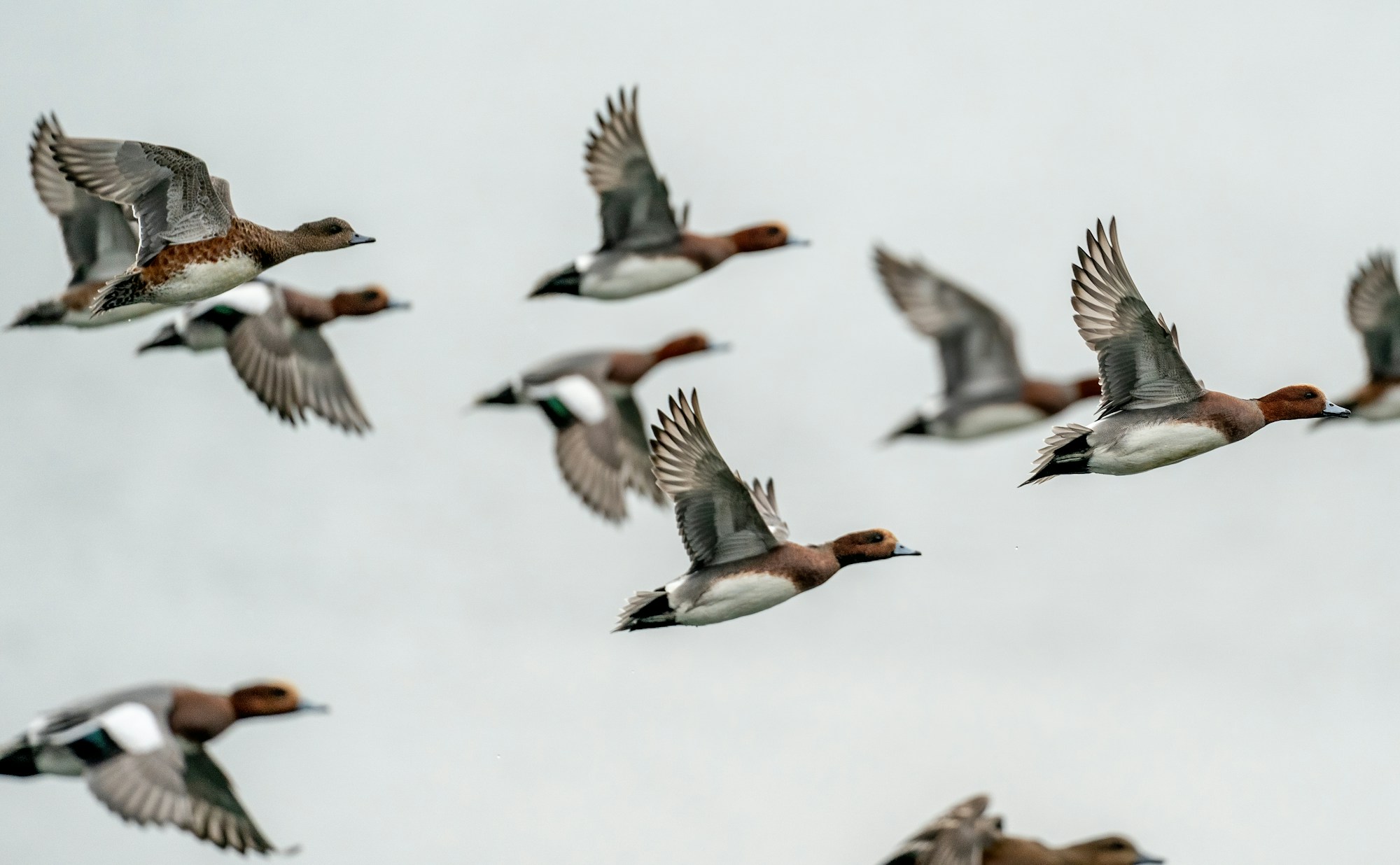
Virginia changed how it handles sea ducks, and many of the people who hunt them have not caught up. According to the Department of Wildlife Resources' 2026-27 migratory game bird page, there is no longer a Special Sea Duck Season. The old Special Sea Duck Season Zone has been renamed the Special Sea Duck Area, and its boundaries were redrawn, with the 800-yard buffer dropped. The current definition in the state's administrative code dates to a 2023 amendment, yet plenty of older pages online still describe a separate sea duck season. Sea ducks now fall under Virginia's regular duck seasons, and with the short October segment behind us, the November segment that opens Nov. 18 is the next window for a lower-bay sea duck hunt.
That is a real regulatory story, and it is exactly the kind a search engine rewards. A hunter in Hampton Roads or a collector flying in from Ohio types a plain question: when is sea duck season in Virginia this year, and where can I hunt them? The honest answer has changed, the old answers online are out of date, and almost nobody has written the new one in plain English. A guide or lodge on the lower Chesapeake who writes it well, with every date and limit tied to the agency page, owns a question that hunters are asking right now.
This post is for the operator who runs, or wants to run, an open-water sea duck hunt on the lower Chesapeake Bay and the Virginia side of the Atlantic: scoters, long-tailed ducks and the other bay specialties, hunted from boats in big water. It covers what the rule change says, what it does not say, how to sell a trophy hunt honestly, and where the safety credentials fit. If your water is Back Bay and the marsh and impoundments near the North Carolina line, that is a different product, and we covered it in marketing a Back Bay diver and sea-duck guide in Virginia. The new rule itself draws that line, which we will get to.
What Virginia Actually Changed
Start with the agency's own words, because every claim you publish should trace back to them. The DWR page says the Special Sea Duck Season no longer exists and the former Special Sea Duck Season Zone has been changed. The renamed Special Sea Duck Area is defined as the ocean waters of Virginia, the tidal waters of Northampton and Accomack counties up to the first highway bridge, and the Chesapeake Bay and each of its tributaries up to the first highway bridge. The same definition appears in the state's administrative code, section 4VAC15-260-120, last amended effective July 17, 2023. Both say Back Bay and its tributaries are not included in the special sea duck hunting area.
DWR also explains what the change does. In the new area, hunters may pursue any crippled waterfowl species, not just sea ducks, while under power. The agency calls it a conservation measure to help recover crippled birds and to clarify where retrieving them under power is legal. That is a narrow provision, and it is worth being careful with. It is a rule about chasing crippled birds with the motor running. It is not permission to hunt from a moving boat. Virginia's regulations still prohibit taking waterfowl from a motorboat unless the motor has been completely shut off and progress has ceased, and they still prohibit sinkboxes and similar low floating devices that give a hunter concealment beneath the water's surface. If your rig is a layout boat or any low-profile design, confirm with DWR that it complies before you describe it on your website.
What the page does not give you is a separate sea duck calendar. The regular seasons for ducks run Oct. 9 to 12, Nov. 18 to 29 and Dec. 19 to Jan. 31, with shooting hours from one-half hour before sunrise to sunset. The October segment is behind us, so for a lower-bay sea duck operation the next window is Nov. 18. Confirm all dates with DWR before you market them, because agencies correct their pages and you want your copy to match the current one.
The practical lesson for an operator is simple. Do not write about "sea duck season" as if it were its own season, and do not repeat the old zone language. Write about the regular duck season, the Special Sea Duck Area and the sea duck limits inside it. Hunters who search the old terms will find stale pages. You want to be the page that explains why those pages are stale.
The Explainer Vacuum and How to Fill It
Open any search for Virginia sea duck rules and you will find a mix of old digests, forum threads and aggregator pages. A hunter who reads an older source may still believe there is a separate sea duck season with its own dates, and a hunter who reads a vague one will not know where the new area begins or ends. That confusion is your opening. The question is how to fill it without overreaching.
Build one evergreen page, titled around the plain question, and update it every season rather than creating a new URL each year. Lead with a short answer in the first paragraph: there is no separate sea duck season in Virginia for 2026-27, sea ducks are taken during the regular duck seasons, and there is a Special Sea Duck Area with its own definition. Then give the dates, the limits, the area boundary in the agency's words and a link to the DWR page. Add a short section on what changed this year, with the date you checked it, and tell readers to confirm with DWR.
Be exact about the limits, because that is what a collector client wants to know before he books. DWR's page lists a daily total of 4 sea ducks, with no more than 3 scoters, no more than 3 eiders (only 1 of them a hen) and no more than 3 long-tailed ducks. The harlequin duck is closed. The page also says the daily bag is 6 ducks in all, so the sea duck limit counts toward that total, and the possession limit is three times the daily bag. Scaup, which often mix into the same water, are 1 per day through Jan. 11 and 2 per day Jan. 12 to 31. Put the limits in a short list your hunters can read on a phone.
Then be honest about the edges. The boundary is defined by the first highway bridge on the bay and its tributaries, and that wording leaves real questions for a specific piece of water: where exactly the line falls on a given tributary, and how it applies near the bridge-tunnel and the creek mouths you actually hunt. You do not need to settle those on your page. You need to tell readers to confirm the boundary for their intended water with DWR before they hunt, and you need to confirm your own. A page that says "here is what the rule says and here is who to ask about your exact spot" is more useful, and more defensible, than a confident map you drew yourself.
Finally, give the page a home in your own site structure. Link it from your sea duck hunt page, your FAQ and your booking confirmation. Our Virginia state marketing guide shows how the state's waterfowl, charter and lodge pages fit together, and the same logic applies here: one authoritative page that other pages point to.
The Lower-Bay Product: Big Water, Specific Birds
Once the rules are explained, you can sell the hunt. The lower-bay sea duck product is open-water hunting for scoters, long-tailed ducks and the other sea ducks that winter on the Chesapeake and along Virginia's ocean side. It is a different experience from the marsh and impoundment hunting that most Southeastern duck guides sell, and the first job of your marketing is to make that difference plain to a hunter who may never have done it.
Research gives you some background to work with. The Sea Duck Joint Venture describes the U.S. Fish and Wildlife Service's exploratory Atlantic coast wintering sea duck survey, started because good winter counts for sea ducks along the coast were lacking. A Joint Venture project page also notes that surf scoters wintering in the bay feed mainly on two prey species, the hooked mussel and the dwarf surf clam, which is the kind of detail that makes a hunt page feel like it was written by someone who knows the water. That project page cites reports of steady declines in Atlantic coast surf scoter populations, which prompted the research, and that is a reason to talk about these birds with respect rather than as a bulk product. Cite what you use, date it and avoid turning any of it into a promise about what a given morning will hold.
The honest framing is that a sea duck hunt is a quality-over-quantity trophy hunt. With a 4-bird sub-limit and three species groups inside it, a guest is not coming to fill a strap. He is coming for a scoter on the wall or a long-tailed duck he has wanted for years, and he is coming to hunt open water that few people ever see. Sell that. Write the page for the collector who wants to take each species once, and say plainly that the limit is small by design and that a good day might be a handful of special birds. A guest who knows that before he books is a guest who leaves happy with three birds, and a guest who leaves happy writes a better review than one who was promised a limit.
Be careful with rig descriptions. You will see layout boats, anchored boat spreads and other open-water methods described around the Atlantic, and it is tempting to borrow that language. Describe what you actually run, in your own words, and make sure it fits Virginia's rules, including the prohibition on sinkboxes and similar devices and the motorboat restrictions above. If you are not sure, ask DWR and write what they say. The same goes for any claim about where you hunt. If you launch from the Eastern Shore or from a Hampton Roads ramp, say so in general terms and keep your specific spots to yourself.
Safety Credentials Are the Differentiator
On the lower bay, safety is not a footnote to the product. It is the product. Open water in November and December is cold and exposed, the wind can change the day, and the hunter who is cautious about big water, which is most of the hunters you want, is looking for proof that you take it seriously. Your safety content will convert that cautious bucket-lister faster than a photo of a limit will.
Start with the credential. Federal rules define an uninspected passenger vessel as one carrying not more than six passengers, at least one of whom is a passenger for hire, and a passenger for hire is a passenger for whom consideration is contributed as a condition of carriage. A paid hunt from your boat meets that description. Federal law requires a self-propelled uninspected passenger vessel to be operated by an individual licensed by the Coast Guard, and the details are a topic to confirm directly with your Coast Guard sector rather than something to paraphrase loosely on your website. If you hold a Coast Guard credential, say what it is, say that you hold it, and link to the credential's official description. If you are not sure whether your operation needs one, find out before you market a single paid trip.
Then show the gear and the plan. DWR's duck boat safety guidance is a good checklist to cite: make sure the boat is in good working condition with enough fuel, safety gear, boat lights and flashlights; keep the load within the capacity plate; stay with the boat if it capsizes or swamps; never stand in an unsecured boat to shoot; transport firearms unloaded and secured; and leave a float plan with a responsible person that names everyone aboard, the boat and the time and place of the hunt. Turn that into a page and a short video. Show the life jackets, the radio, the lights, the tender boat, the float plan on the clipboard and the guide explaining the day's weather call.
The weather call itself is content. Big-water hunting depends on wind, tide and visibility, and some mornings you will cancel. Say so in advance. A short, honest page on how you decide to go or not, which signals you watch and what happens to a guest's deposit, builds more trust than any highlight reel. Our posts on how a guide calls a marginal day, checking the tide from the truck and booking calendars in a variable season show the pattern, and crisis communications for outfitters covers what to say if something does go wrong.
The Tide, Wind and Weather Content Cadence
Big-water hunting demands a different content rhythm than a blind in a marsh. The birds and the boat both answer to wind and tide, and your followers know it. A steady, short cadence of conditions content keeps you in front of the people who are deciding whether to book, and it gives your honest-variance reports something to stand on.
A simple weekly rhythm works. Post a conditions note the evening before each hunt day: wind direction and strength, the tide window, visibility and the go or no-go call. Post a short morning-of clip, a decoy spread riding the swell or the sun coming up over the water. Post a brief after-action note the same day or the next, with the plain facts of what flew and how the hunt went. Keep the format identical every time, so readers know where to look. Date everything and link to any outside source you cite, such as a National Weather Service marine forecast.
Treat a no-go day as content. A short post that says the wind was too high, the boat stayed at the dock and the guests will be rebooked sells your judgment, which is the thing a cautious client is actually buying. Keep the same photo consent habits you use elsewhere: ask at check-in, post one or two strong frames and save the full story for the report. And remember Meta's ad standards if you boost anything: weapons may appear in a hunting context only when the context is non-violent, and shocking or sensational content is barred, so lead with the water, the rig and the birds in flight rather than a pile.
Pairing Sea-Duck Mornings With the Resort Town
The lower bay has a trip-planning advantage that a marsh in the middle of nowhere does not: it sits beside one of the region's best-known resort areas. A sea duck morning, then a hot lunch, a nap and an evening in Virginia Beach or on the Eastern Shore is a package the collector client can sell to a skeptical spouse. Not many Atlantic hunting regions can say that.
Do not promise what you do not control. You can write a trip-planning page that suggests how a guest might structure a three-day stay, with a morning hunt and the rest of the day left open, and that links to the local visitor sites for lodging and dining. You can also build a partner list of lodging options and tell guests plainly that you do not book or guarantee them. Keep any third-party business names off your claims unless you have verified them and have permission, and never imply an endorsement you do not have.
The same visitor economy that fills the resort in summer gives you a winter story. Our coverage of Virginia Beach and Rudee Inlet explains how a year-round charter market works there, and our Eastern Shore field report covers the other side of the bay. A sea duck operation that cross-links to those places and speaks plainly about getting between them gives a trip planner what he needs on one page. Keep distances and drive times general unless you have checked them against a mapping source on the day you publish.
Positioning: A Small Field and a Rule Story in Motion
Step back and look at the opportunity. The field of operators who market lower-bay sea duck hunts online is small. The rule story is still unsettled in hunters' minds, because older pages describe a season that no longer exists and the confusion is real. And the clientele travels: collectors who chase each species in a different place and who plan around a trip. Those are first-mover conditions, and they are available only while the explainer vacuum lasts.
The risks are equally clear. One is saying too much about the rules and getting a detail wrong, which is why every sentence should trace to the DWR page and carry a date. Another is selling a quantity hunt that the limit does not support. A third is neglecting the safety story in favor of the trophy story. And a fourth is blurring your product with Back Bay, which the new rule treats as separate. If your guests might hunt Back Bay waters on another day, say that those waters are excluded from the Special Sea Duck Area and link to our Back Bay NWR and False Cape guide for the refuge rules that apply there.
Work the neighbors in your content. A guide on the lower bay is competing for attention with open-water operators in North Carolina and with the diving-duck hunts on the James. Our posts on a Pamlico Sound diver and sea-duck guide and a lower James River diving-duck operation describe those lanes, and the big-reservoir diver hub shows how the diver specialty is positioned inland. Your page can acknowledge them and still make a clear case for your own water.
Work with Pine & Marsh
If you run an open-water hunt on the Chesapeake and want the rules page, the safety story and the booking flow built the right way, Pine & Marsh can help. Book a discovery call and we will look at how your sea duck hunt appears to a hunter searching tonight.
Not ready for a call? Ask for a free marketing check, and we will look at your season page, your safety content and your booking path and tell you what to fix first. What you've built deserves to be found. Start at pineandmarsh.com/contact.
Frequently Asked Questions
Is there still a Special Sea Duck Season in Virginia?
No. According to the Virginia Department of Wildlife Resources' 2026-27 migratory game bird page, there is no longer a Special Sea Duck Season. Sea ducks are taken during the regular duck seasons. Confirm current dates and rules with DWR before you plan or market a hunt.
What are Virginia's 2026-27 regular duck season dates?
DWR lists Oct. 9 to 12 (black duck closed), Nov. 18 to 29 and Dec. 19 to Jan. 31, with shooting hours from one-half hour before sunrise to sunset. Youth and veterans waterfowl days are Oct. 24 and Feb. 6. For a lower-bay sea duck hunt, the next segment starts Nov. 18. Confirm with DWR.
What is the Special Sea Duck Area?
DWR defines it as the ocean waters of Virginia, the tidal waters of Northampton and Accomack counties up to the first highway bridge, and the Chesapeake Bay and each of its tributaries up to the first highway bridge. Back Bay and its tributaries are not included. DWR says hunters in the area may pursue any crippled waterfowl species under power. Confirm the boundary for your water with DWR.
What is the sea duck bag limit in Virginia?
DWR's page lists 4 sea ducks per day in total, with no more than 3 scoters, no more than 3 eiders (only 1 of them a hen) and no more than 3 long-tailed ducks. Harlequin ducks are closed. Sea ducks count toward the overall 6-duck daily bag, and the possession limit is three times the daily bag. Check DWR for current limits.
Does the new rule let me hunt from a moving boat?
No. The change concerns pursuing crippled waterfowl under power in the Special Sea Duck Area. Virginia's regulations still prohibit taking waterfowl from a motorboat unless the motor is completely shut off and progress has ceased, and they prohibit sinkboxes and similar low floating devices. Ask DWR if you are unsure whether your rig complies.
Is Back Bay part of the Special Sea Duck Area?
No. The regulation says Back Bay and its tributaries are not included in the special sea duck hunting area. Back Bay hunting is a different product with different water, and it sits near a national wildlife refuge with its own rules. We cover it separately in our Back Bay guides.
Can I take paying guests out on my boat for a sea duck hunt?
Federal rules define a passenger for hire as one for whom consideration is contributed as a condition of carriage, and an uninspected passenger vessel as one carrying no more than six passengers with at least one passenger for hire. Federal law requires a self-propelled vessel of that kind to be operated by a Coast Guard licensed individual. Confirm what applies to you with your Coast Guard sector before you advertise paid trips.
How should a guide describe a sea duck hunt honestly?
As a quality-over-quantity trophy hunt. With a 4-bird sea duck limit split among scoters, eiders and long-tailed ducks, a guest is hunting for particular birds on open water, not filling a strap. Say so on your page, explain the weather and go or no-go calls and tell guests what happens to the deposit if the wind wins.
What should a sea duck safety page include?
The credential you hold, the gear aboard and the float plan. DWR's duck boat safety tips are a good starting point: a boat in good working order with fuel, safety gear and lights, a load within the capacity plate, no standing in an unsecured boat to shoot and a float plan left with a responsible person. Show it with photos and a short video.
What shot is required for sea ducks in Virginia?
DWR says approved non-toxic shot is required for all waterfowl hunting and lead shot may not be possessed in the field while hunting waterfowl. Hunters also need HIP registration, and a federal duck stamp is required for hunters 16 and older. Check DWR's approved list and current license requirements before you advise a guest on loads.
Sources
Virginia Department of Wildlife Resources, Migratory Game Birds (2026-2027 seasons, Special Sea Duck Area, bag limits, non-toxic shot, duck boat safety), https://dwr.virginia.gov/hunting/regulations/migratory-gamebirds/ (accessed November 2026)
Virginia Administrative Code, 4VAC15-260-120, Special sea duck area, https://law.lis.virginia.gov/admincode/title4/agency15/chapter260/section120/ (accessed November 2026)
Cornell Legal Information Institute, 46 CFR 24.10-1, Definitions (passenger-for-hire, uninspected passenger vessel), https://www.law.cornell.edu/cfr/text/46/24.10-1 (accessed November 2026)
Cornell Legal Information Institute, 46 U.S.C. 8903, Uninspected passenger vessels (operator licensing), https://www.law.cornell.edu/uscode/text/46/8903 (accessed November 2026)
Sea Duck Joint Venture, Atlantic Coast Wintering Sea Duck Survey, https://seaduckjv.org/atlantic-coast-wintering-sea-duck-survey/ (accessed November 2026)
Sea Duck Joint Venture, Foraging values of hooked mussel and dwarf surf clam: the impacts on surf scoters wintering in the Chesapeake Bay, https://seaduckjv.org/foraging-values-of-hooked-mussel-and-dwarf-surf-clam-the-impacts-on-surf-scoters-wintering-in-the-chesapeake-bay/ (accessed November 2026)
Meta, Advertising Standards: Weapons, Ammunition or Explosives, https://transparency.meta.com/policies/ad-standards/restricted-goods-services/weapons-ammunitions-explosives/ (accessed November 2026)
Meta, Advertising Standards: Sensational Content, https://transparency.meta.com/policies/ad-standards/objectionable-content/sensational-content/ (accessed November 2026)
Related Reading
Marketing a Pamlico Sound Open-Water Diver and Sea-Duck Guide in North Carolina
Marketing a Lower James River Diving-Duck Operation in Virginia
Virginia's Eastern Shore: Barrier Islands, Cobia Sight-Cast, and the Direct-Booking Opportunity
Chesapeake Bay Waterfowl Ecology: Submerged Aquatic Vegetation, Canvasbacks, and Tundra Swans
Marketing Virginia Beach and Rudee Inlet: The Mid-Atlantic's Year-Round Charter Engine
Marketing a Sporting Operation in Virginia: The Full State Guide
Inside the 2026-27 Virginia Outdoors Report: From the Chesapeake to the Blue Ridge
The Big-Reservoir Diver Hunt: Marketing the Southeast's Open-Water Duck Specialty


Comments