
The Southeast Waterfowl Field Report: Mississippi and Atlantic Flyway Concentration Across 11 States
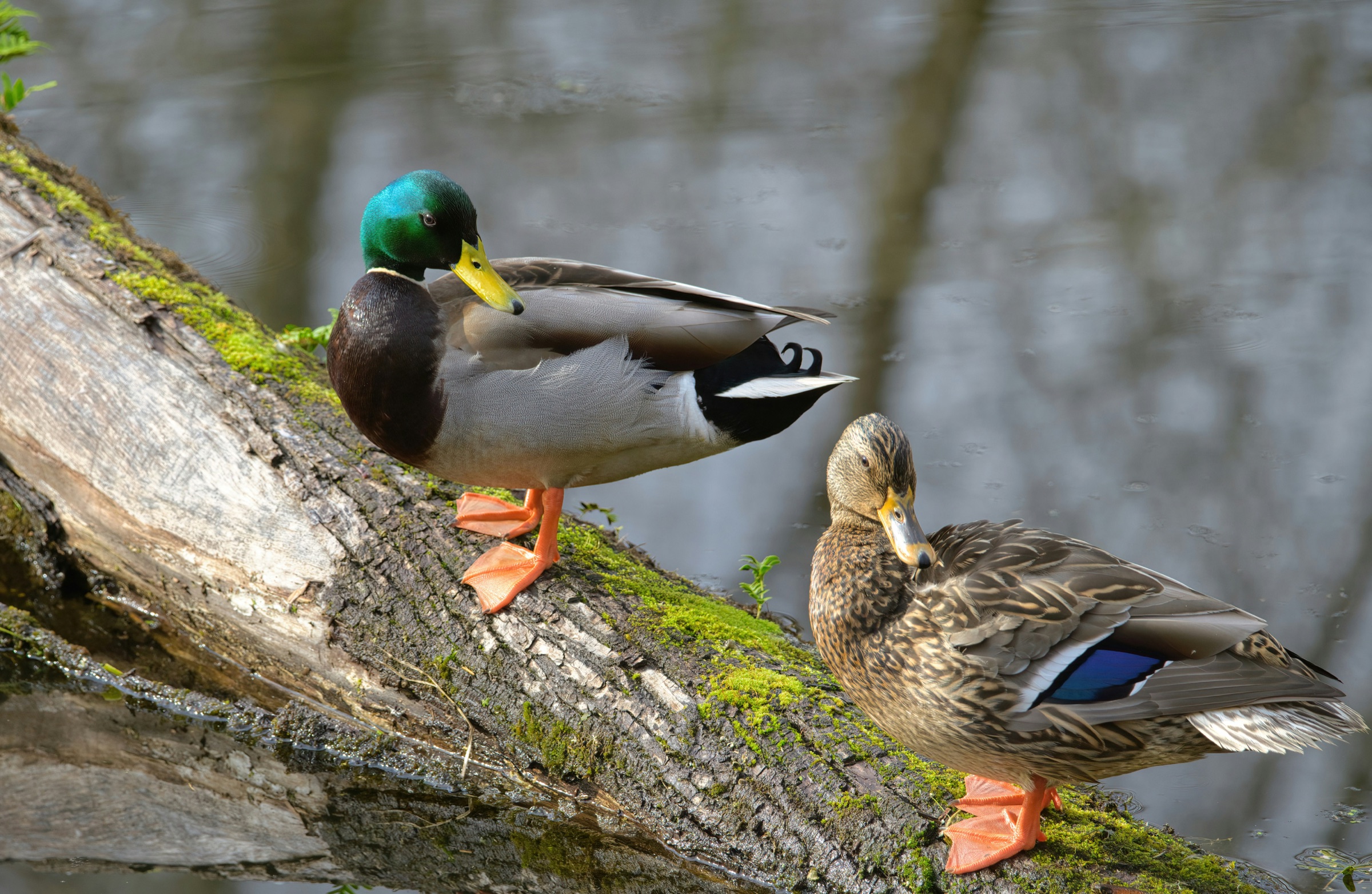
The first hard front of the season does not announce itself in the South. It shows up as a change in the sound before dawn. A week earlier the flooded timber in the Arkansas Delta is quiet except for wood ducks and the odd early gadwall, and then, after a night when the wind swings north and the temperature drops thirty degrees in the Dakotas, the same timber fills with wingbeats and low talk. A few hundred miles east, the shallow sounds behind the Carolina barrier islands do the same thing on a different schedule, with diving ducks rafting on open water and dabblers working the marsh edge.
That is the Southeast in November: eleven states, two flyways, and an enormous range of habitats where ducks and geese spend their winters. The Mississippi River valley and its tributaries funnel birds through Kentucky, Tennessee, Arkansas, Mississippi and Louisiana, while the Atlantic seaboard states of Virginia, North Carolina, South Carolina, Georgia and Florida receive birds that came down the coast. Alabama sits between, with its Tennessee River impoundments and Mobile-Tensaw Delta. Each state publishes its own season, and no two are quite alike.
This report is a cross-state read of the 2026-27 season. It starts with the national numbers from the U.S. Fish and Wildlife Service (USFWS), moves through the habitats that hold birds in each part of the region, and ends with a state-by-state card of dates, written from each state's own agency pages as they stood in early November 2026. It also says what is not known. Several figures that circulate about Southeast duck hunting, including state harvest totals, wintering counts and market rankings, were not found in any agency publication, and this report leaves them out.
The Two-Flyway Southeast: What the Data Say
Which states are in which flyway
The USFWS Migratory Bird Program's administrative flyway page places Florida, Georgia, North Carolina, South Carolina and Virginia in the Atlantic Flyway, and Alabama, Arkansas, Kentucky, Louisiana, Mississippi and Tennessee in the Mississippi Flyway. A flyway is an administrative unit, not a wall. Birds mix, and a hunter in Alabama or Louisiana will see ducks that feed in several directions. But the division matters because each flyway council sets recommendations and because the federal harvest report is built around flyway totals.
What hunters took in 2025-26
The USFWS report on migratory bird hunting activity and harvest for the 2025-26 season, published in September 2026, gives preliminary estimates. Its duck table estimates a retrieved harvest of about 6,974,900 ducks in the Mississippi Flyway, an estimate with a 95 percent confidence interval of 8 percent of the estimate. In the Atlantic Flyway, the estimate is about 2,333,300 ducks, with an interval of 9 percent. The national figure is about 14,910,800. The same table counts roughly 483,300 active duck hunters in the Mississippi Flyway, 271,600 in the Atlantic Flyway and 1,188,400 nationwide.
Species composition differs in a way that matches the habitat. In the Mississippi Flyway, preliminary species estimates put mallards first at about 1,904,000, followed by green-winged teal at 1,104,200, wood ducks at 1,052,800 and gadwall at 949,000, with ring-necked ducks at 338,700 and northern pintails at 236,100. In the Atlantic Flyway, wood ducks lead at about 791,100, followed by mallards at 305,000, green-winged teal at 245,900, ring-necked ducks at 153,500, buffleheads at 136,000 and American black ducks at 127,600. These are species point estimates rounded to the nearest 100, and they are harvest, not the number of birds wintering in either flyway.
One caution about scale. The report presents flyway and national estimates, says that estimates at finer scales are often imprecise, and points readers to separate data books for state-specific results. Treat flyway totals as flyway totals, not as the duck harvest of any single Southeast state. It also warns that adding state active-hunter estimates can double-count hunters who hunted in more than one state, so those should not be summed.
What the breeding survey says about the fall flight
The USFWS Waterfowl Population Status report for 2026, released September 1, 2026, estimated 33.4 million ducks in the traditional survey area, similar to 2025 and 6 percent below the long-term average. Mallards were estimated at 5.9 million, which was 11 percent below 2025 and 26 percent below the long-term average. Northern pintail was estimated at 2.0 million, similar to 2025 and 48 percent below the long-term average. Gadwall, at 2.4 million, were 13 percent above their long-term average, and redheads and canvasbacks were each above theirs. Those numbers describe the May breeding grounds of the prairies and the north. They are an indicator of what may come south, not a count of ducks in any Southeast state or a winter survey of the Delta, the coastal marsh or Lake Mattamuskeet.
What the Habitat Creates
The Mississippi Alluvial Valley and its mallards
The valley of the lower Mississippi, running to the Gulf, is the southern end of the Mississippi Flyway's main route. A classic band-recovery study by Nichols, Reinecke and Hines, published in The Auk in 1983 and drawing on recoveries from 1950 to 1980, called the Mississippi Alluvial Valley the principal wintering area for mallards in the Mississippi Flyway. It found that cold winters shifted recoveries farther south and that wet winters in the valley held a higher share of adult females and young birds. That paper is more than forty years old and is not a map of this winter. But it describes the mechanism that matters: where ducks stop depends on weather north of the valley and on how much shallow water the valley holds.
A later line of work, including a telemetry study of radio-marked female mallards in the lower valley during the winters of 2004-2005 and 2005-2006 (Davis, Afton and Cox, Journal of Wildlife Management, 2009), found that forested wetlands made up roughly 43 to 82 percent of the hens' habitat use by day and by night, depending on the period and winter. The flooded timber of Arkansas, Mississippi, Louisiana and western Tennessee and Kentucky is, in other words, not decoration. It is the habitat this bird selects when it can. A 2022 genetic study of mallards wintering in the lower Mississippi Flyway, by Davis and colleagues in the journal Ornithology, adds a footnote that matters for management: nearly 30 percent of wild mallards sampled carried mitochondrial haplotypes from domestic mallards, although nuclear markers identified only 4 percent of the same birds as hybrids. That is a finding about ancestry, not a population count.
Delta, Grand Prairie and the bottomland refuges
The live Pine & Marsh reports on the Mississippi Delta and on Bayou Meto WMA cover those landscapes in depth. The short version is that the valley's winter duck country is a patchwork of flooded timber, rice and other row crops flooded after harvest, and managed moist-soil units. Managed public timber in Arkansas runs under some of the strictest rules in the region, as covered below.
Federal refuges anchor the same landscape. The refuge plans on file with the USFWS describe Yazoo National Wildlife Refuge in Washington County, Mississippi, about 4 miles east of the Mississippi River and including a roughly 3,600 to 4,000 acre oxbow called Swan Lake, though the Service's documents carry different acreage totals for the refuge and none is current. Catahoula National Wildlife Refuge in LaSalle and Catahoula parishes, Louisiana, totals 25,242 acres in its plan and borders Catahoula Lake, which the plan describes as a 26,000-acre natural wetland. The lake and the refuge are not the same size, and the plan's refuge figure is older than 2026. Reelfoot National Wildlife Refuge, in Lake and Obion counties, Tennessee, was 10,428 acres as of June 1, 2004, of which 7,847 acres were under a 1941 lease from Tennessee. Its approved acquisition boundary is 18,015 acres, most of it in Kentucky including Fulton County. The plan, which places both Reelfoot and Lake Isom in the Mississippi Flyway, says waterfowl numbers near the two refuges may exceed 250,000 under optimum conditions. That is a planning sentence about optimum water years, not a 2026 count. Our Reelfoot Lake field report tells the lake's story.
The Gulf and the Atchafalaya
South of the bottomland timber the habitat turns to marsh and river swamp. Louisiana's coastal marsh, the Atchafalaya Basin and the Cameron Parish marshes along the Creole Nature Trail form the southern end of the Mississippi Flyway's route. The Louisiana coastal marsh post covers land loss and salinity, and the Atchafalaya Basin report covers the river swamp. Alabama's Mobile-Tensaw Delta and the Tennessee River's Wheeler National Wildlife Refuge sit in the Mississippi Flyway as well. Wheeler's 2007 conservation plan describes about 37,200 acres in Limestone, Madison and Morgan counties, overlaid on the middle third of Wheeler Reservoir. The refuge was established in 1938, and the plan's acreage is 2007 language.
Sounds, impoundments and tidal marsh on the Atlantic side
Atlantic Flyway habitat is a different architecture. In eastern North Carolina, the USFWS plan for Mattamuskeet National Wildlife Refuge in Hyde County describes 50,180 acres, of which Lake Mattamuskeet, called North Carolina's largest natural lake, covers 40,000 acres with an average depth of two feet. The plan is the 2008 document, and its bird ranges are not a winter count. Our Mattamuskeet and Pocosin Lakes report covers the tundra swan side of that story. Farther north, Back Bay National Wildlife Refuge in southeastern Virginia Beach totals 9,120 acres in its 2010 plan, which describes the bay as the northern tip of the Albemarle-Pamlico system, with no lunar tide because it sits about 80 miles north of Oregon Inlet, and with water levels that move with the wind. Refuge waters are usually 0 to 3 parts per thousand in salinity. The Outer Banks and Albemarle-Pamlico report, the Virginia Eastern Shore field report and the Chesapeake tributaries report cover the rest of that coast, and the Chesapeake Bay waterfowl ecology post covers submerged vegetation and canvasbacks.
Farther south the habitat is rice-field heritage and reservoir. The ACE Basin field report covers South Carolina's managed tidal impoundments, the Lake Seminole report covers Georgia's border reservoir and its diving ducks, and the Florida Big Bend field report covers the Gulf side of Florida.
Migration and Timing Across 11 States
The sequence, west to east
Season dates tell their own story about when each state expects its birds. Early teal seasons, in September, are the first signal. North Carolina's teal season, east of U.S. 17 only, starts Sept. 10, Georgia, Alabama and Tennessee start on Sept. 12, and Arkansas, Mississippi, Louisiana, South Carolina, Florida and Kentucky on Sept. 19. The regular seasons then start in a rough order from north to south and from inland to coast. Virginia and North Carolina open earliest, with the first North Carolina segment in October and the first Virginia segment on Oct. 9-12. Louisiana's West Zone opens with a youth and veterans hunt on Nov. 7. The rest of the region opens its regular season in the third and fourth weeks of November, and several states then close for a split before their main December and January segment.
As of this publication, North Carolina's season is already under way, Louisiana's West Zone has held its youth and veterans hunt and opens its regular season on Nov. 14, Virginia opens its second segment on Nov. 18, and South Carolina, Georgia, Florida, Arkansas and Louisiana's East Zone open on Nov. 21. Kentucky follows on Nov. 26, Mississippi and Alabama on Nov. 27, and Tennessee on Nov. 28.
Signals worth watching
Three signals matter more than any local thermometer. The first is cold in the north. The Mississippi Flyway's mallards leave the breeding and staging grounds in response to ice and snow, and the Nichols study found that cold winters push recoveries south. The second is water. Flooded timber and moist-soil units only hold birds if they hold water, and dry or flooded autumns change where ducks sit. The third is the breeding survey. This year's mallard estimate is 26 percent below its long-term average, which makes the northern weather even more important. Reading the weather in the Dakotas and Iowa is a good proxy for what will reach Arkansas and the Delta.
Divers and dabblers
Dabbling ducks such as mallards, gadwall, pintails and teal key on shallow, food-rich water, which is why flooded timber, rice and moist-soil habitat dominate the Mississippi Flyway harvest table. Diving ducks such as canvasbacks, redheads, ring-necked ducks and scaup favor larger open water, including the reservoirs of Tennessee, Alabama and Georgia and the sounds of the Carolinas and Virginia. The Atlantic Flyway harvest table, with wood ducks first but ring-necked ducks and buffleheads in its top six, and scoters, long-tailed ducks and eiders also on the list, reflects that mix of swamp, reservoir and coast. Scaup have their own bag rules in most states, discussed below.
On the Ground: Where Each State's Season Is Won
Public land and its rules
Public waterfowl hunting in this region runs on permits, drawings and strict hours, and rules differ sharply by state. In Arkansas, the Game and Fish Commission says regular-season shooting on wildlife management areas ends at noon, hunters must be off flooded ground by 1 p.m., and at Dave Donaldson Black River and George H. Dunklin Jr. Bayou Meto WMAs they must be off by noon. Arkansas also states that it is illegal for waterfowl hunters to be guided for pay or other compensation on wildlife management areas or national wildlife refuges. Mississippi's Basic Regulations for All Wildlife Management Areas, 40 Miss. Code R. 2-1.1, paragraph W (version effective June 30, 2025), bar any person from acting as a guide, outfitter or in any other capacity for which they are paid on MDWFP wildlife management areas; confirm the current text with MDWFP. Louisiana's WMA rules, LAC 76:XIX.111, likewise bar anyone from acting as a hunting guide or outfitter for pay on its WMAs. Kentucky's far-west areas and Sloughs run quota systems that are covered in the Western Kentucky field report and the Sloughs draw post. The practical rule for visiting hunters is simple: public land is where you hunt on your own, and a guided hunt is on private ground. Confirm every area's rules with its managing agency.
Basing out of the right town
Basing decisions follow the water. Hunters working the Arkansas Delta or the Mississippi Delta tend to stay in Delta towns, those on far-west Kentucky and Reelfoot country in Paducah, Union City or Tiptonville, and those chasing coastal Louisiana in Cameron Parish or the lower Atchafalaya towns. On the Atlantic side, Hyde County and the northern Outer Banks serve Mattamuskeet and Currituck, Virginia Beach serves Back Bay, and the Eastern Shore towns serve the Virginia barrier islands. Each state report linked in this post goes into the towns and access points in detail.
Planning Your Hunt: 2026-27 State by State
How to read this card
Everything below is taken from each state's own published pages as of early November 2026, and dates were not harmonized. In every state in this report the daily limit is 6 ducks, with species sublimits inside it, and possession is generally three times the daily limit. A federal duck stamp (age 16 and over), the state's migratory bird or waterfowl permit and Harvest Information Program registration are required in general. Confirm every date and limit with the state agency before you hunt, because seasons can change.
The Mississippi Flyway states
Kentucky (KDFWR): Teal and wood duck Sept. 19-23. Ducks Nov. 26-29 and Dec. 7 through Jan. 31, 2027. Pintail 3 a day. Youth days Nov. 21 and Feb. 13, veterans days Nov. 22 and Feb. 14.
Tennessee (TWRA): Wood duck and teal Sept. 12-16. Ducks Nov. 28-29 and Dec. 5 through Jan. 31, 2027. Pintail 3. Youth Feb. 6 and 13, veterans and military Feb. 7 and 14.
Arkansas (AGFC): Teal Sept. 19-27. Ducks Nov. 21-29, Dec. 10-23 and Dec. 26 through Jan. 31, 2027. Pintail 3, scaup 1. Youth and veteran days Feb. 6-7.
Mississippi (MDWFP): Teal Sept. 19-27. Ducks Nov. 27-29, Dec. 4-6 and Dec. 9 through Jan. 31, 2027. Pintail 3. Youth, veteran and military days Feb. 6-7.
Louisiana (LDWF): Teal Sept. 19-27. Two zones under the new 2026-30 boundary. West Zone ducks Nov. 14 through Dec. 6 and Dec. 19 through Jan. 24, 2027, with youth and veterans days Nov. 7 and Jan. 30. East Zone ducks Nov. 21 through Dec. 6 and Dec. 19 through Jan. 31, 2027, with youth and veterans days Nov. 14 and Feb. 6. Pintail 3 (no more than 1 hen). Scaup 1 a day for the first 15 days, then 2. Check the zone map for the boundary.
Alabama (Outdoor Alabama): Teal Sept. 12-20. Ducks Nov. 27-28 and Dec. 5 through Jan. 31, 2027. Pintail 3, scaup 1. Youth, military and veteran days Nov. 21 and Feb. 6. The page states that federal guidelines were not final at printing, so check for updates.
The Atlantic Flyway states
Virginia (DWR): Ducks Oct. 9-12 with black duck closed, Nov. 18-29 and Dec. 19 through Jan. 31, 2027. Pintail 3. Scaup 1 a day for 40 days through Jan. 11, then 2. Youth and veterans days Oct. 24 and Feb. 6. Back Bay and its tributaries are not part of the Special Sea Duck Area, and the light goose conservation order is not offered in 2026-27.
North Carolina (WRC): Proclamation signed April 21, 2026. Inland zone Oct. 15-17, Nov. 7-28 and Dec. 18 through Jan. 30. Coastal zone Oct. 23-24, Nov. 7-28 and Dec. 17 through Jan. 30. Black and mottled ducks stay closed until Nov. 21. No migratory bird hunting on Sundays. Pintail 3. The proclamation text does not say which waters count as coastal, so confirm Currituck, Pamlico and Outer Banks waters with the Commission. Youth and veterans days Dec. 5 and Feb. 6.
South Carolina (SCDNR): Teal Sept. 19-27. Ducks Nov. 21-28 and Dec. 12 through Jan. 31, 2027. Pintail 3. State youth day Nov. 14, federal youth and veterans days Feb. 6 and 13.
Georgia (DNR): Teal Sept. 12-20. Ducks Nov. 21-29 and Dec. 12 through Jan. 31, 2027. Pintail 1 a day, fewer than the federal framework's 3, and scaup 1. Youth, military and veterans days Nov. 14-15.
Florida (FWC): Teal and wood duck Sept. 19-23. Ducks Nov. 21-29 and Dec. 12 through Jan. 31, 2027. Pintail 3. Youth days Nov. 14 and Feb. 13, veterans and military Feb. 6-7. Hunting in Leon County and on Lake Miccosukee is limited to Wednesdays, Saturdays and Sundays during the regular season plus some holiday dates, per the FWC page.
Pintail, scaup and species sublimits
Pintail limits are the clearest case of state choice within a federal framework. The federal framework allows up to 3 pintails a day, and most states in this region use 3, but Georgia's 2026-27 limit is 1. Scaup limits are tiered in several states. Kentucky, Mississippi, Tennessee, Louisiana, Virginia, North Carolina and Florida use a 1-a-day period followed by a 2-a-day period; Arkansas, Alabama and Georgia list 1 a day; and South Carolina lists 2 a day on its early dates and 1 a day from Dec. 23 through Jan. 31. Black duck, mottled duck, canvasback and redhead limits also vary. Learn the identification before you hunt mixed flocks, since a wrong bird can be a wrong limit.
Private ground and guided options
Much of the region's best duck habitat is private: flooded crops and timber in the Delta, managed impoundments on the Carolina and Georgia coast, and sound-side blinds in Virginia and North Carolina. A guided hunt is a private-land product, and it is a separate decision from a public-land hunt. If you hire a guide, ask where they hunt, what their rest rotation is, how they handle a drought or flood year, and whether they hold the permits their state requires. Confirm that any outfitter hunts on private ground or under the proper permit. Lodges and guides are not named here.
Responsible practices
Respect refuges and closed areas. They are what hold birds in the region.
Learn your ducks. Mixed flocks bring species with restricted limits, and Georgia's pintail limit is lower than its neighbors'.
Mind the water. Cold flooded timber, tidal sounds and big reservoirs demand flotation devices and a plan for wind and tide.
Buy the stamps. Federal duck stamps and state permits fund the habitat the flyways depend on.
Check twice. Season dates, quota rules and bag limits change, and some state pages carry notes about final federal guidelines.
Key Takeaways
Eleven Southeastern states span two flyways: Florida, Georgia, North Carolina, South Carolina and Virginia sit in the Atlantic Flyway, and Alabama, Arkansas, Kentucky, Louisiana, Mississippi and Tennessee in the Mississippi Flyway, per the USFWS flyway lists.
USFWS's preliminary 2025-26 retrieved duck harvest was about 6,974,900 in the Mississippi Flyway and 2,333,300 in the Atlantic Flyway; state-level harvests are not published in that report.
The 2026 breeding survey put mallards at 5.9 million, 26 percent below the long-term average, and pintails at 2.0 million, 48 percent below.
The Mississippi Flyway harvest is led by mallards, the Atlantic Flyway harvest by wood ducks, a difference that tracks flooded timber against sounds, marsh and impoundments.
Seasons for 2026-27 range from Virginia's and North Carolina's October openers to Tennessee's Nov. 28 opening, and nearly every state closes Jan. 30 or 31 (Louisiana's West Zone closes Jan. 24).
Georgia's pintail limit is 1 a day, while the federal framework and most neighbors allow 3.
Public land and paid guiding are different things: Arkansas, Mississippi and Louisiana bar paid guiding on their wildlife management areas, and Arkansas also on national wildlife refuges in the state, so guided hunts are private-land products. Confirm everything with each state agency.
For the Operators
If you guide ducks or run a duck lodge anywhere in these eleven states, your customers are making a regional decision long before they make a local one. They are comparing Arkansas timber against Carolina sounds, an Alabama reservoir against Delta rice, and they are doing it in search engines and AI assistants that draw first on agency pages, the USFWS and conservation groups. What they often do not find is a plain explanation of why their state's season looks the way it does.
That is the opening. The 2026-27 dates in this report differ by as much as a month across states. A hunter planning a trip does not know that Georgia's pintail limit is 1 while Kentucky's is 3, that North Carolina does not allow migratory bird hunting on Sundays, or that Virginia's Back Bay sits outside the Special Sea Duck Area. An operator who explains those details for their own state, with dates and a clear note to confirm with the agency, becomes the kind of source that gets cited. The same is true for public-land rules: saying clearly that a guided hunt is on private ground, while public ground is for hunters on their own, protects clients and the operator.
You do not need to claim rankings or numbers you cannot source. The honest version of your story, your water, your calendar and your care for the habitat, is the one that holds up. We have written two playbooks on this, marketing a waterfowl guide service in the Southeast and marketing a duck hunting lodge in the Southeast, and Pine & Marsh helps operators put this kind of knowledge on their own sites.
Frequently Asked Questions
How many ducks did hunters take in the Mississippi and Atlantic flyways in 2025-26?
USFWS's September 2026 harvest report estimates a preliminary retrieved duck harvest of about 6,974,900 in the Mississippi Flyway and 2,333,300 in the Atlantic Flyway, out of about 14,910,800 nationally. The report does not print state-level duck harvests, so a single Southeast state's total is not available from it.
Does the 2026 breeding survey count ducks wintering in the Southeast?
No. The USFWS Waterfowl Population Status report for 2026 describes breeding populations in the northern survey area, where it counted 33.4 million ducks, including 5.9 million mallards. It is an indicator of fall flight potential, not a count of ducks in any Southeast state.
What is Georgia's pintail limit for 2026-27?
Georgia's limit is 1 pintail a day within the 6-duck bag, according to the state's 2026-27 migratory bird listing, last updated August 27, 2026. The federal framework allows up to 3, and most neighboring states list 3. Confirm with Georgia DNR before you hunt.
When do duck seasons open in the 11 states?
North Carolina opens in October and Virginia on Oct. 9-12. Louisiana's West Zone starts its regular season Nov. 14 and its East Zone Nov. 21. Georgia, South Carolina, Florida and Arkansas open Nov. 21, Kentucky Nov. 26, Mississippi and Alabama Nov. 27, and Tennessee Nov. 28. Check each agency for full segment dates.
Can you hunt ducks on Sundays in North Carolina?
No. The state's 2026-27 proclamation, signed April 21, 2026, states that there is no hunting of migratory game birds by any method on Sundays. Other states in this report do not carry that rule in the pages used here, but confirm with each agency.
Is Back Bay part of Virginia's Special Sea Duck Area?
No. Virginia DWR says Back Bay and its tributaries are not included in the Special Sea Duck Area, and that the old special sea duck season no longer exists. The area is now about retrieving crippled birds under power in listed waters. Confirm details with DWR.
Can I hire a paid guide on a wildlife management area?
Not in Arkansas, where the Game and Fish Commission says it is illegal to be guided for pay on wildlife management areas and national wildlife refuges, nor in Mississippi, whose WMA rules (40 Miss. Code R. 2-1.1, paragraph W) bar paid guiding. Louisiana's WMA rules bar acting as a hunting guide or outfitter for pay. Guided hunts are private-land products. Confirm with the managing agency.
Is Alabama's duck season final?
Alabama's 2026-27 page lists Nov. 27-28 and Dec. 5 through Jan. 31, but it says federal guidelines were not final at the time of printing and advises checking the website for updates. Confirm with Outdoor Alabama before booking.
Citations and Sources
U.S. Fish and Wildlife Service, Migratory Bird Hunting Activity and Harvest during the 2025-26 Hunting Seasons (September 2026), https://www.fws.gov/sites/default/files/documents/2026-09/migratory-bird-hunting-activity-and-harvest-during-2025-26-hunting-seasons.pdf (accessed November 2026)
U.S. Fish and Wildlife Service, Waterfowl Population Status, 2026 (September 1, 2026), https://www.fws.gov/sites/default/files/documents/2026-09/waterfowl-population-status-report-2026.pdf (accessed November 2026)
U.S. Fish and Wildlife Service, Migratory Bird Program Administrative Flyways, https://www.fws.gov/partner/migratory-bird-program-administrative-flyways (accessed November 2026)
Kentucky Department of Fish and Wildlife Resources, Waterfowl Hunting 2026-27, https://fw.ky.gov/Hunt/Pages/Waterfowl-Hunting.aspx (accessed November 2026)
Tennessee Wildlife Resources Agency, Waterfowl and Migratory Bird Hunting in Tennessee, https://www.tn.gov/twra/hunting/migratory-birds.html (accessed November 2026)
Arkansas Game and Fish Commission, Waterfowl dates, rules and regulations 2026-27, https://www.agfc.com/hunting/waterfowl/waterfowl-dates-rules-regulations/ (accessed November 2026)
Mississippi Department of Wildlife, Fisheries, and Parks, 2026-2027 Digest of Migratory Game Bird Regulations, https://www.mdwfp.com/sites/default/files/2026-05/Migratory%20Gamebird%20Digest%2026-27_3.pdf (accessed November 2026)
Mississippi Administrative Code, 40 Miss. Code R. 2-1.1, Basic Regulations for All Wildlife Management Areas (WMAs), paragraph W, effective 6/30/2025, https://www.law.cornell.edu/regulations/mississippi/40-Miss-Code-R-2-1.1 (accessed November 2026)
Mississippi Department of Wildlife, Fisheries, and Parks, Hunting Seasons and Bag Limits, https://www.mdwfp.com/wildlife-hunting/hunting-seasons-and-bag-limits (accessed November 2026)
Louisiana Department of Wildlife and Fisheries, 2026-27 Louisiana Duck Season Opens in November (November 5, 2026), https://www.wlf.louisiana.gov/news/202627-louisiana-duck-season-opens-in-november-ldwf-announces (accessed November 2026)
Louisiana Department of Wildlife and Fisheries, Seasons and Regulations (2026-2027 season table), https://www.wlf.louisiana.gov/page/seasons-and-regulations (accessed November 2026)
Louisiana Administrative Code, La. Admin. Code tit. 76, XIX-111, General and Wildlife Management Area Hunting Rules and Regulations (G.10.a, hunting guides and outfitters), https://www.law.cornell.edu/regulations/louisiana/La-Admin-Code-tit-76-SS-XIX-111 (accessed November 2026)
Louisiana Department of Wildlife and Fisheries, LWFC Adopts Two-Zone East-West Boundary for 2026-30 Waterfowl Hunting Seasons, https://www.wlf.louisiana.gov/news/lwfc-adopts-twozone-eastwest-boundary-for-202630-waterfowl-hunting-seasons (accessed November 2026)
Outdoor Alabama, Waterfowl Season 2026-2027, https://www.outdooralabama.com/seasons-and-bag-limits/waterfowl-season (accessed November 2026)
Florida Fish and Wildlife Conservation Commission, 2026-2027 Migratory Bird Hunting Season Dates and Bag Limits, https://myfwc.com/hunting/regulations/birds/ (accessed November 2026)
eRegulations, Georgia Migratory Birds 2026-2027 Species, Dates and Limits (last updated August 27, 2026), https://www.eregulations.com/georgia/hunting/migratory-birds-seasons (accessed November 2026)
eRegulations, South Carolina General Migratory Bird Seasons (last updated August 11, 2026), https://www.eregulations.com/southcarolina/hunting/general-migratory-bird-seasons-shooting-hours-bag-limits (accessed November 2026)
North Carolina Wildlife Resources Commission, 2026-2027 Migratory Game Bird Seasons proclamation (signed April 21, 2026), https://www.ncwildlife.gov/media/5176/download?attachment= (accessed November 2026)
Virginia Department of Wildlife Resources, Migratory Game Birds, https://dwr.virginia.gov/hunting/regulations/migratory-gamebirds/ (accessed November 2026)
U.S. Fish and Wildlife Service, Wheeler National Wildlife Refuge Comprehensive Conservation Plan (2007), https://www.fws.gov/sites/default/files/documents/Wheeler%20NWR%20CCP.pdf (accessed November 2026)
U.S. Fish and Wildlife Service, Mattamuskeet National Wildlife Refuge Comprehensive Conservation Plan (2008), https://www.fws.gov/sites/default/files/documents/2024-11/mattamuskeet-nwr_ccp_2008_508.pdf (accessed November 2026)
U.S. Fish and Wildlife Service, Back Bay National Wildlife Refuge Comprehensive Conservation Plan (2010), https://www.fws.gov/sites/default/files/documents/BACKBAYNWRFinalCCP9_2010.pdf (accessed November 2026)
U.S. Fish and Wildlife Service, Catahoula National Wildlife Refuge plan, https://www.fws.gov/rivers/carp/sites/default/files/documents/Catahoula_NWR_CCP.pdf (accessed November 2026)
U.S. Fish and Wildlife Service, Theodore Roosevelt National Wildlife Refuge Complex plan (February 2006, Yazoo section), https://www.fws.gov/sites/default/files/documents/THR_Wilkens_2006_CCP.pdf (accessed November 2026)
U.S. Fish and Wildlife Service, Reelfoot and Lake Isom National Wildlife Refuges plan, https://www.fws.gov/sites/default/files/documents/Reelfoot%20and%20Lake%20Isom%20NWR%20CCP.pdf (accessed November 2026)
Nichols, J. D., K. J. Reinecke, and J. E. Hines, Factors affecting the distribution of mallards wintering in the Mississippi Alluvial Valley, The Auk 100 (1983), https://doi.org/10.1093/auk/100.4.932 (accessed November 2026)
Davis, J. B., D. C. Outlaw, K. M. Ringelman, R. M. Kaminski, and P. Lavretsky, Low levels of hybridization between domestic and wild mallards wintering in the lower Mississippi Flyway, Ornithology 139 (2022), https://doi.org/10.1093/ornithology/ukac034 (accessed November 2026)
Davis, B. E., A. D. Afton, and R. R. Cox Jr., Habitat use by female mallards in the lower Mississippi Alluvial Valley, Journal of Wildlife Management 73 (2009), https://doi.org/10.2193/2008-118 (accessed November 2026)
Explore More
Western Kentucky Coalfields and Mississippi River Bottoms Field Report
The Mississippi Flyway: Waterfowl Migration Ecology, Habitat, and Continental Significance
Mississippi Delta Field Report: Flooded Timber, Rice and Catfish Country
Virginia Eastern Shore Field Report: Atlantic Flyway Waterfowl and Barrier-Island Marsh
Louisiana Coastal Marsh Waterfowl: Land Loss, Salinity Intrusion, and the Survival of a Flyway
ACE Basin Field Report: Tidal Rice Impoundments and Lowcountry Waterfowl


Comments